Who Was Bridget Sullivan? What Happened to Lizzie Borden’s Maid After the Murders?
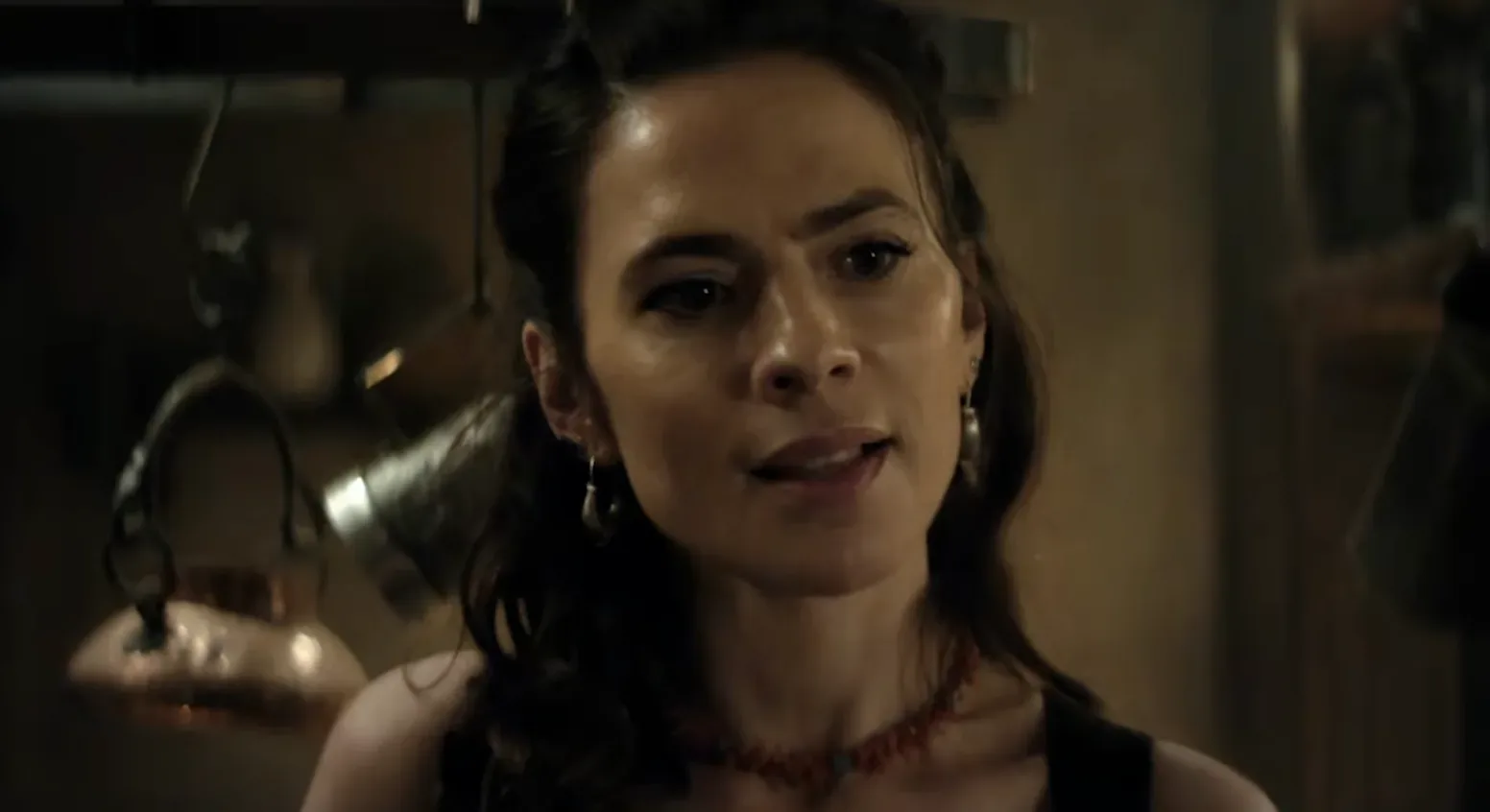
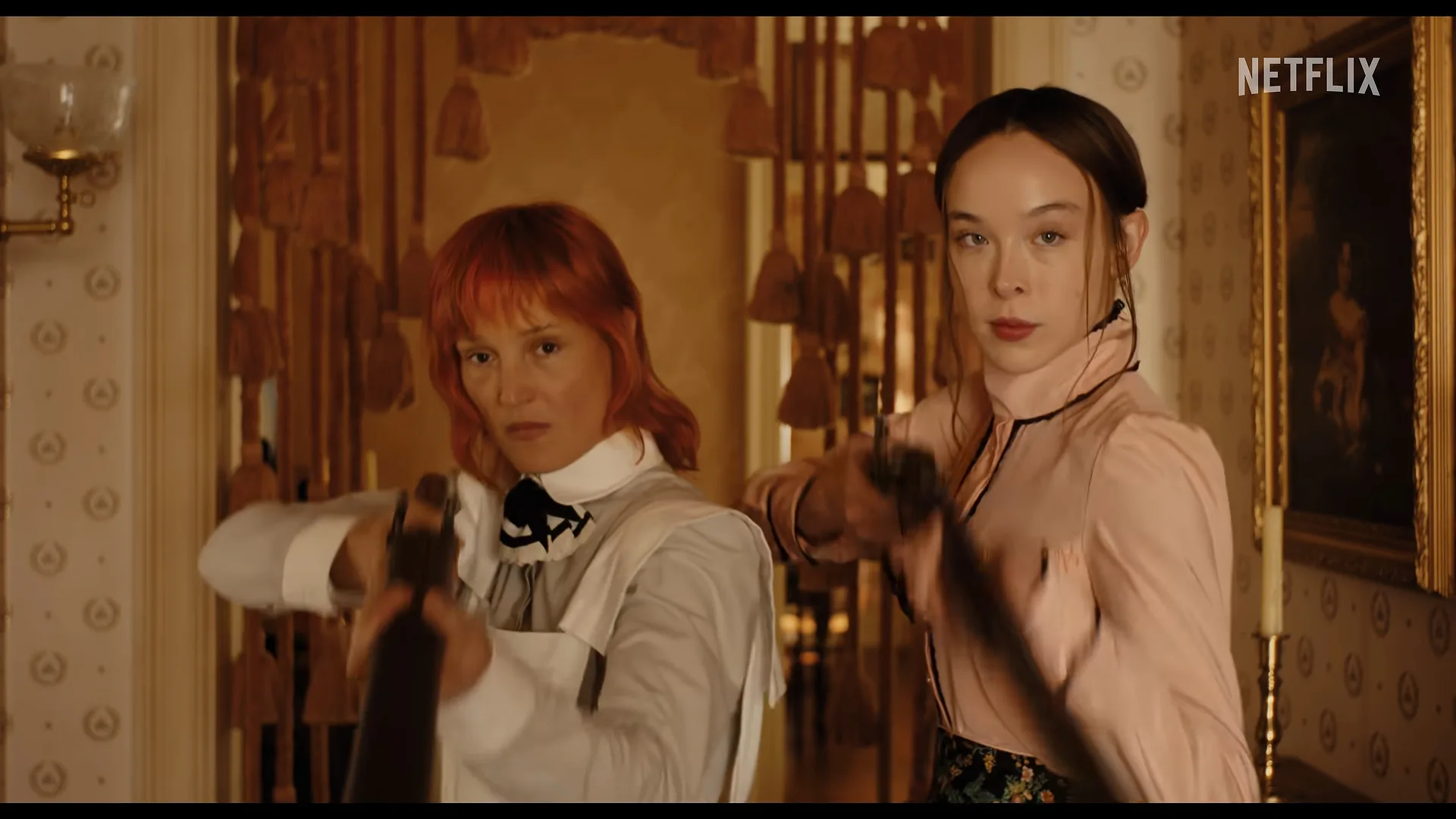
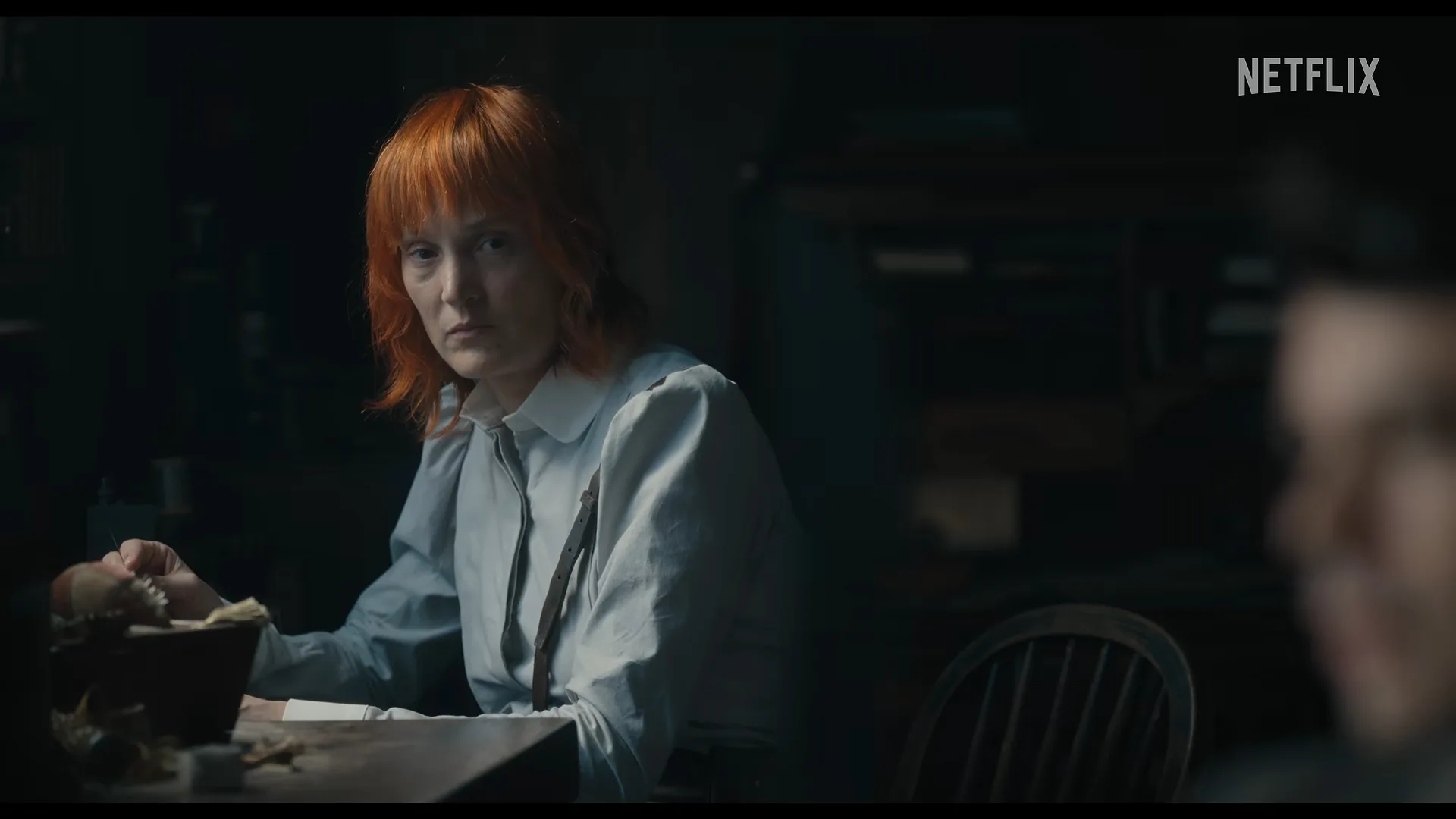
Vicky Krieps’ Bridget Sullivan is set to become one of the central figures in Netflix’s Monster: The Lizzie Borden Story. The series presents the Borden family’s maid as a rebellious outsider whose arrival transforms Lizzie’s life, but Bridget was not invented for television. Bridget Sullivan was the real Irish domestic servant working inside the Borden…
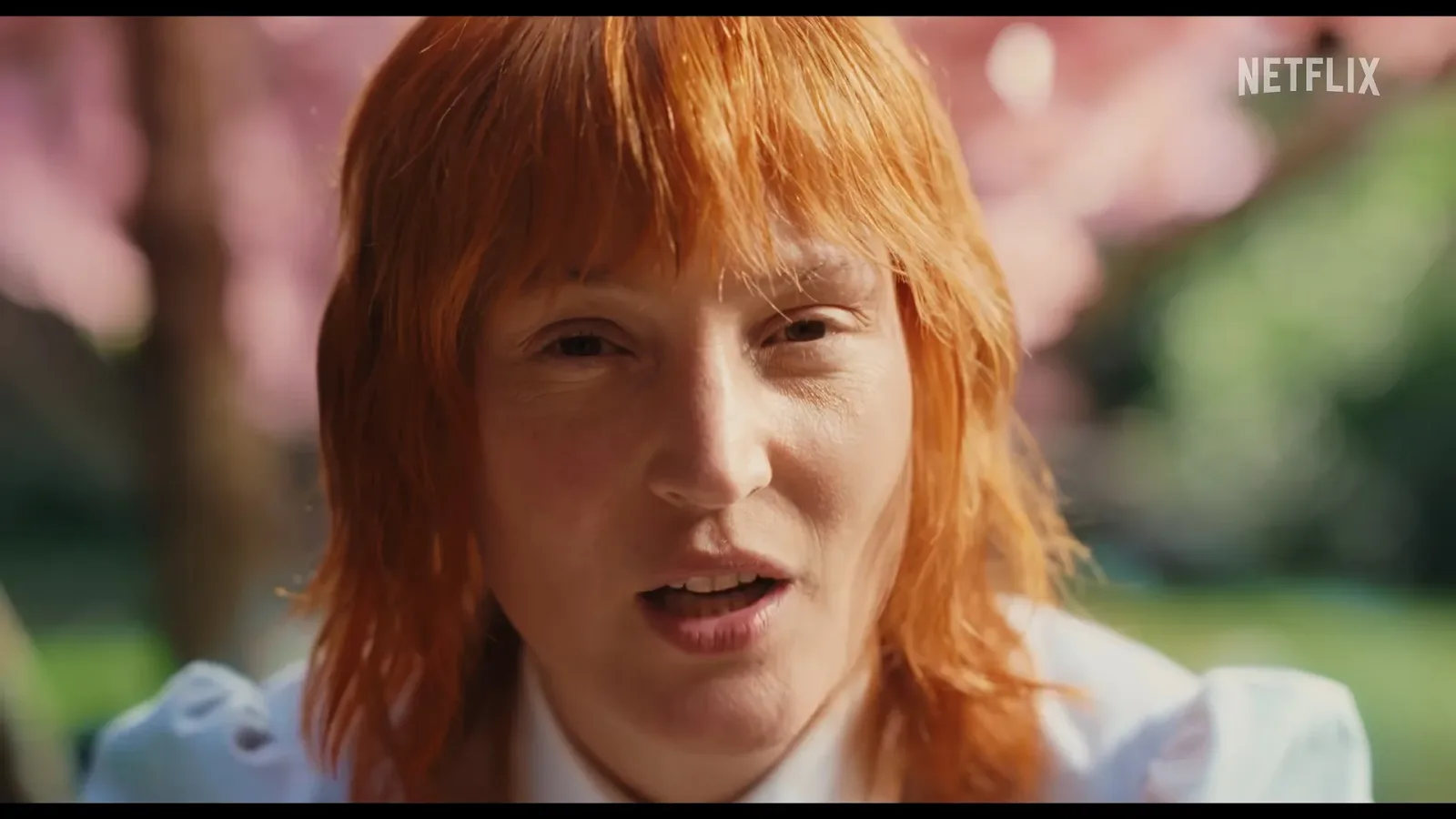
Vicky Krieps’ Bridget Sullivan is set to become one of the central figures in Netflix’s Monster: The Lizzie Borden Story. The series presents the Borden family’s maid as a rebellious outsider whose arrival transforms Lizzie’s life, but Bridget was not invented for television.
Bridget Sullivan was the real Irish domestic servant working inside the Borden home when Andrew and Abby Borden were murdered on August 4, 1892. She became one of the most important witnesses at Lizzie Borden’s trial and later left Massachusetts. Borden researchers generally identify her with a Bridget Sullivan who settled in Montana, married and died there in 1948, although conflicting historical records mean some details of her later life remain less certain than popular accounts suggest.
Spoiler Alert
Bridget Sullivan was the only domestic servant in the Borden house
Much of what can be stated confidently about Bridget comes directly from her sworn testimony.
Appearing for the prosecution in June 1893, she told the court that she was 26, unmarried and born in Ireland. She had been in the United States for seven years and had worked for Andrew Borden for two years and nine months by the time he was killed.
Sullivan handled much of the domestic labor in the home, including cooking, washing, ironing and sweeping.
Lizzie and Emma Borden sometimes called her “Maggie.” The nickname has survived in books and dramatizations, which is why viewers may encounter references to both Bridget and Maggie Sullivan when researching the case.
Where was Bridget on the morning of the murders?
Bridget was at the house. The Borden household had been suffering from stomach illness, and Bridget testified that she herself felt sick. Nevertheless, Abby instructed her to wash windows.
She spent parts of the morning working outside and around the house. After completing some of that work, she went upstairs to her room on the third floor to rest.
Andrew Borden returned home from his morning errands while Bridget was still working. She later went upstairs. Then Lizzie called her down. Andrew was dead on the sitting-room sofa.
Bridget was subsequently involved in summoning help, and when attention turned to Abby’s whereabouts, Bridget and neighbor Adelaide Churchill went upstairs. Abby’s body was found in the guest room. Investigators determined she had been killed before Andrew. Few people were closer to the mystery than Bridget Sullivan.
Related: Did Lizzie Borden Really Kill Her Father and Stepmother? What the Evidence Says
Did police think Bridget killed the Bordens?
Bridget’s proximity has inevitably made her part of later theories, but she was never charged with either murder.
Her trial testimony was complicated for prosecutors. While she placed Lizzie at the house at significant times, she did not give the state the dramatic evidence of a vicious family feud that some observers expected.
A contemporary New York Times account even noted that Bridget’s testimony weakened part of the government’s case because she did not describe Lizzie and Abby openly fighting in her presence.
Over the decades, books and amateur theories have suggested that Bridget was an accomplice, knew more than she admitted, received money for staying quiet or made some type of deathbed confession. Those stories should be treated cautiously.
Modern Borden researcher Stefani Koorey notes that there is no evidence supporting the popular claim that Bridget confessed on her deathbed.
What happened to Bridget Sullivan after the trial?
This part of Bridget’s life is surprisingly difficult to describe with absolute certainty.
Research into Sullivan’s later years generally identifies her with a woman who eventually settled in Anaconda, Montana. That Bridget married John M. Sullivan in 1905, lived for years in Anaconda and later moved to Butte, where she died on March 25, 1948. She was buried at Mount Olivet Cemetery in Anaconda. The identification has been supported by family material, photographs and genealogical research.
However, historical documents attach multiple different ages and birth years to the Montana Bridget Sullivan. Researchers have openly debated discrepancies between census information, marriage records and the age given by Bridget during the Borden trial.
For that reason, it is safer to say that Borden researchers generally identify the Montana woman as the former Borden maid, rather than presenting every detail of that later biography as beyond dispute.
Did Bridget ever reveal who killed Andrew and Abby?
No authenticated statement from Bridget solves the Borden murders.
Stories later emerged that she nearly revealed a secret while seriously ill or admitted she had protected Lizzie. Those tales became irresistible additions to the legend, but they have not been substantiated by primary evidence.
Her sworn testimony remains far more reliable than the later folklore.
And in that testimony, Bridget never confessed to participating in the murders, never identified Lizzie as the killer and never revealed a hidden conspiracy. Monster’s Bridget is much more speculative
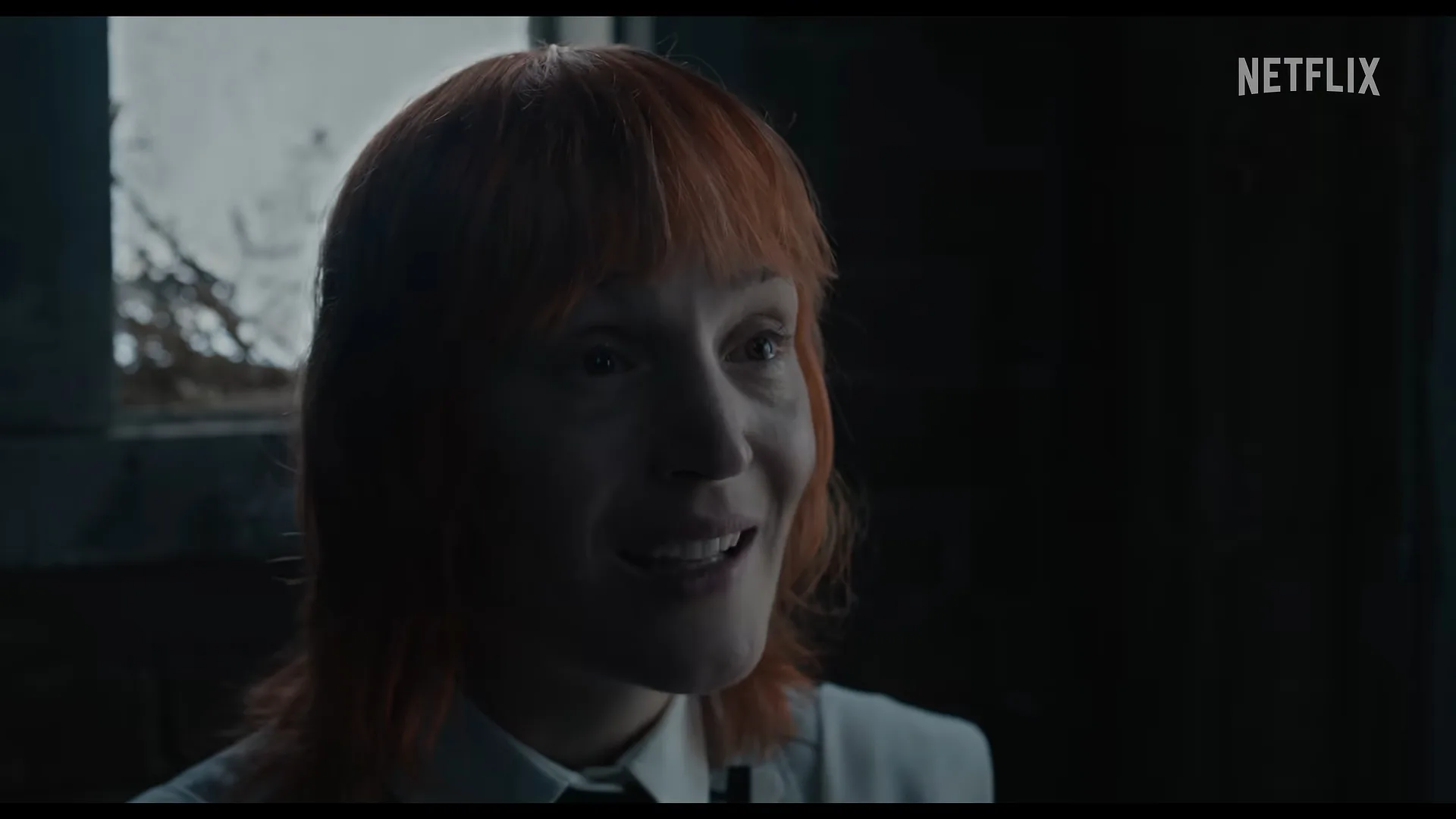
Netflix has confirmed Vicky Krieps as Bridget Sullivan, but the upcoming series is taking the character far beyond what the surviving record tells us.
Related: Who Is Ella Beatty? Meet the Actress Playing Lizzie Borden in Monster
Vanity Fair’s preview describes the fictional Bridget as a radical, almost punk-like presence who introduces Lizzie to a freer world. The series also gives Bridget and Lizzie a romantic relationship and uses her as an important part of its theory about what happened inside the Borden home.
That may make for compelling television, but viewers searching for the real Bridget Sullivan after watching Monster will find a considerably more mysterious woman.
She was there during one of America’s most famous unsolved crimes. She testified about what she saw. Then she largely escaped the public attention that followed Lizzie for decades.
Perhaps that is why, more than a century later, Bridget remains almost as intriguing as the secrets she may or may not have carried away from the Borden house.