Was Tony Kiritsis’ Immunity Deal Real? American Hostage’s Agreement Explained
American Hostage Episode 5 turns Tony Kiritsis’ demand for immunity into something much more complicated than a simple negotiation. After spending days insisting that he will not end the crisis without protection from prosecution, Tony finally receives the document he has been waiting for, yet he refuses to immediately sign it. Fred Heckman initially sees…

American Hostage Episode 5 turns Tony Kiritsis’ demand for immunity into something much more complicated than a simple negotiation. After spending days insisting that he will not end the crisis without protection from prosecution, Tony finally receives the document he has been waiting for, yet he refuses to immediately sign it. Fred Heckman initially sees the agreement as the clearest route toward getting Dick Hall home safely, only to discover that the authorities may not view the promise in the same straightforward way. The episode’s ending consequently raises an obvious question: Is Tony’s immunity agreement actually real, or is it simply being used to convince him to cooperate?
The answer is different depending on whether we are talking about the MGM+ series or the real 1977 Indianapolis case. American Hostage deliberately presents Fred with what he considers a deceptive promise, while the historical story involved an actual written immunity offer whose validity and conditions became highly controversial almost immediately afterward.
Also Read: American Hostage Season 1 Episode 5 Recap and Ending Explained: Is Tony’s Immunity Deal Real?
Tony Finally Gets the Deal He Wanted
At the beginning of Episode 5, Tony’s attorneys return from negotiations with what appears to be an enormous breakthrough. The Marion County authorities have produced an immunity agreement, and Fred is told that Tony will be protected if the crisis ends according to the negotiated terms. Fred is so encouraged that he calls Barbara and tells her he believes everything may finally be coming to an end.
Tony’s reaction is considerably less enthusiastic. After receiving the document, he asks what his attorneys think about it and is told that the agreement appears strong, but he still does not sign. Police publicly announce that the immunity offer has been delivered, leaving reporters outside Crestwood Apartments waiting for Tony to accept it and release Dick.
Fred cannot understand the delay because immunity has been one of Tony’s central demands from the beginning. When Fred approaches the apartment and tells Tony that the agreement appears to give him what he requested, Tony remains suspicious of the urgency surrounding it. He promises Fred that he will be the first to know when he signs, but makes clear that he still has unfinished business with Dick.
Why Tony Doesn’t Trust the Agreement Immediately
Tony’s hesitation fits what American Hostage has established about him throughout the season. He believes powerful people repeatedly make promises while privately working against him, so the arrival of a legal document does not automatically erase that distrust. The harder authorities push for his signature, the more Tony begins wondering why they need the agreement completed so quickly.
His larger problem is that immunity addresses only one part of his grievance. Tony wants protection from prosecution, but he also wants acknowledgment from the Hall family that he was mistreated during his dealings with Meridian Mortgage. Instead of signing the agreement, he turns his apartment into a makeshift courtroom and begins presenting his long list of complaints against Dick, M.L. Hall and Meridian.
Also Read: American Hostage Season 1 Episode 3 Recap and Ending Explained: Why Fred Stops Ginny’s Story
That unusual proceeding explains why everyone outside is waiting while Tony appears to ignore the document capable of ending the crisis. In his mind, walking away with immunity without receiving the recognition he has spent years seeking would still feel incomplete. Tony wants to leave believing that he has proved his case, not merely negotiated his way out of the consequences.
Why Fred Begins Doubting McNally
Fred spends much of the episode with FBI Special Agent Cormac McNally, and their relationship initially appears to become more personal. McNally shares stories about his background and father, creating the impression that the two men have finally moved beyond their professional roles. Fred gradually realizes, however, that even their apparently private conversations may be part of McNally’s effort to understand and manage him.
The larger revelation comes after authorities nearly get another opportunity to end the standoff without waiting for Tony’s signature. Fred is shocked because he believed the immunity agreement meant everyone had committed to a negotiated resolution. McNally instead views the agreement primarily as a way to move Tony toward releasing Dick.
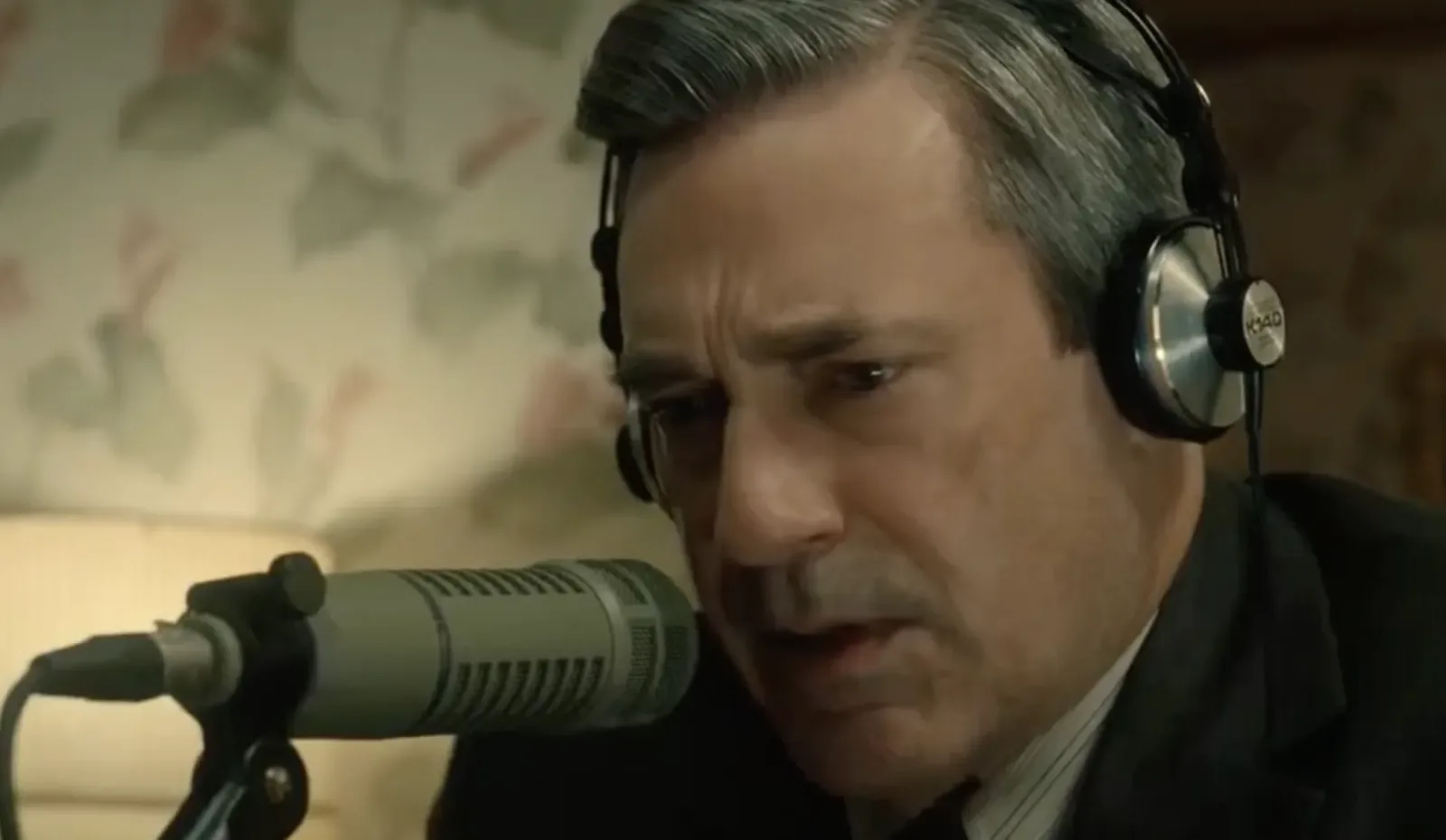
That difference becomes critical when McNally tells Fred what he wants him to do next. Because Tony trusts Fred and listens closely to WIBC, McNally wants Fred to publicly say that he personally believes in the immunity agreement. Fred understands that his credibility is being used as part of the negotiation, and he refuses to knowingly present something he regards as misleading as objective news.
Was Tony Kiritsis’ Real Immunity Agreement Fake?
The real 1977 story is more complicated than simply saying authorities created a completely fictional document. Contemporary reporting shows that Marion County officials did offer Tony Kiritsis immunity from state prosecution, with Hall’s release attached to the arrangement. A written immunity offer existed, Tony’s attorneys examined it, and authorities publicly discussed it while negotiations continued.
There was an important limitation, however. Tony also wanted protection at the federal level, but federal authorities did not grant him that immunity. More significantly, after Dick was finally released, local officials withdrew or rejected the protections Tony believed he had secured, arguing that he had failed to comply with the agreed conditions for Hall’s release.
The controversy became even more striking when officials publicly acknowledged that they had been willing to promise Tony extraordinary concessions to bring the situation to a safe conclusion. Deputy prosecutor George Martz was reported as saying there had never been an intention to honor the agreement’s terms, while other local officials defended the strategy as necessary under the circumstances.
Tony therefore believed he possessed meaningful immunity when the crisis ended, but authorities took him into custody anyway. He was later prosecuted on state charges, although his case ultimately ended with a verdict of not guilty by reason of insanity rather than a conviction.
Also Read: American Hostage Season 1 Episode 2 Recap: Fred Becomes Part of the Story
Why the Immunity Deal Matters to Fred
American Hostage uses this historical controversy to create an ethical crisis for Fred rather than treating the immunity agreement solely as a legal question. Fred has already modified his journalism several times because his broadcasts directly affect Tony, but deliberately endorsing something he believes to be deceptive feels different. He is not being asked to delay information or calm Tony after a misunderstanding. He is being asked to put his personal reputation behind a promise he no longer trusts.
That explains Fred’s refusal when McNally tells him to sell the agreement over WIBC. Tony’s faith in Fred is valuable precisely because he believes Fred will not lie to him, meaning the strategy would work only if Fred risks destroying the quality that made him useful in the first place.
Episode 5 therefore leaves the immunity agreement in an intentionally uncomfortable place. Historically, the document was real enough to be drafted, delivered and publicly discussed, but it did not ultimately provide Tony with the protection he expected. In American Hostage, Fred begins realizing that the difference between a promise on paper and a promise authorities intend to keep may become the most important distinction of the entire negotiation.