American Hostage Season 1 Episode 5 Recap and Ending Explained: Is Tony’s Immunity Deal Real?
American Hostage Season 1 Episode 5, titled “WIBC Mystery Science Theater,” gives Tony Kiritsis almost everything he has been demanding, yet the crisis somehow becomes even more difficult to resolve. After days of negotiations, an immunity agreement finally reaches Tony’s Crestwood apartment, creating hope that Dick Hall may soon be able to return home. Tony,…
American Hostage Season 1 Episode 5, titled “WIBC Mystery Science Theater,” gives Tony Kiritsis almost everything he has been demanding, yet the crisis somehow becomes even more difficult to resolve. After days of negotiations, an immunity agreement finally reaches Tony’s Crestwood apartment, creating hope that Dick Hall may soon be able to return home. Tony, however, refuses to simply sign the document and walk outside, because his dispute with Meridian Mortgage has always been about more than avoiding prosecution. As Fred Heckman waits for Tony’s decision, he gradually discovers that law enforcement has been managing him almost as carefully as they have been managing Tony.
The episode develops that revelation through two parallel struggles. Inside the apartment, Tony stages an elaborate mock trial in which Dick must answer for everything Tony believes Meridian and the Hall family did to him. Across the hall, Fred spends hours with FBI agent Cormac McNally and begins realizing that the trust between them is far less genuine than he assumed. By the ending, Fred faces his most serious ethical decision yet when McNally asks him to use WIBC’s credibility to sell Tony something Fred now knows may not be true.
Why Doesn’t Tony Sign the Immunity Agreement?
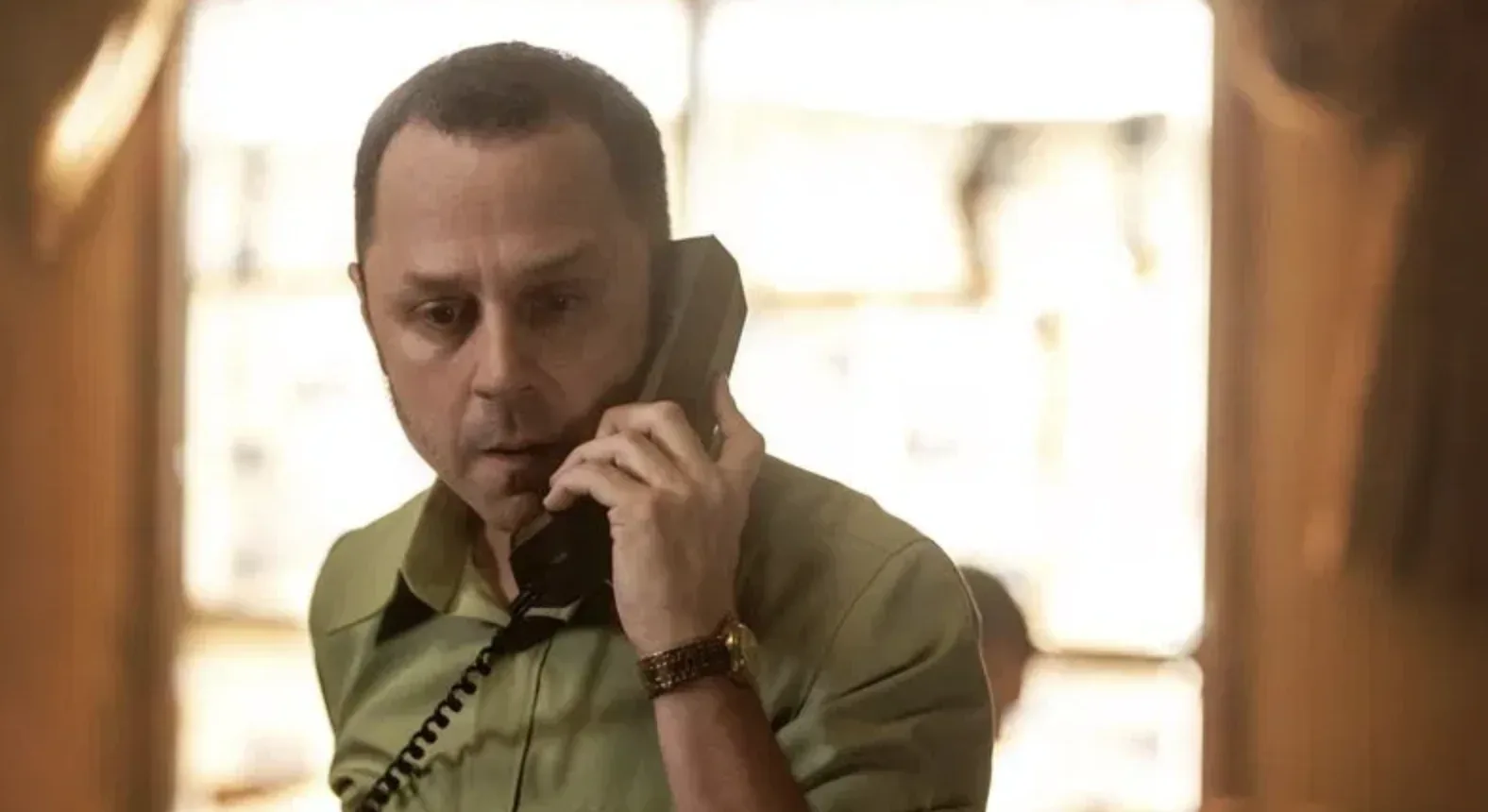
Tony’s attorneys and the district attorney’s office finally produce the document he has spent much of the crisis demanding. The agreement appears to offer the broad protection Tony wants, and Fred initially believes the end may finally be close. He even calls Barbara from a payphone and tells her that they may soon be able to return to normal, although Barbara quietly makes it clear that their marriage cannot simply reset after everything that has happened.
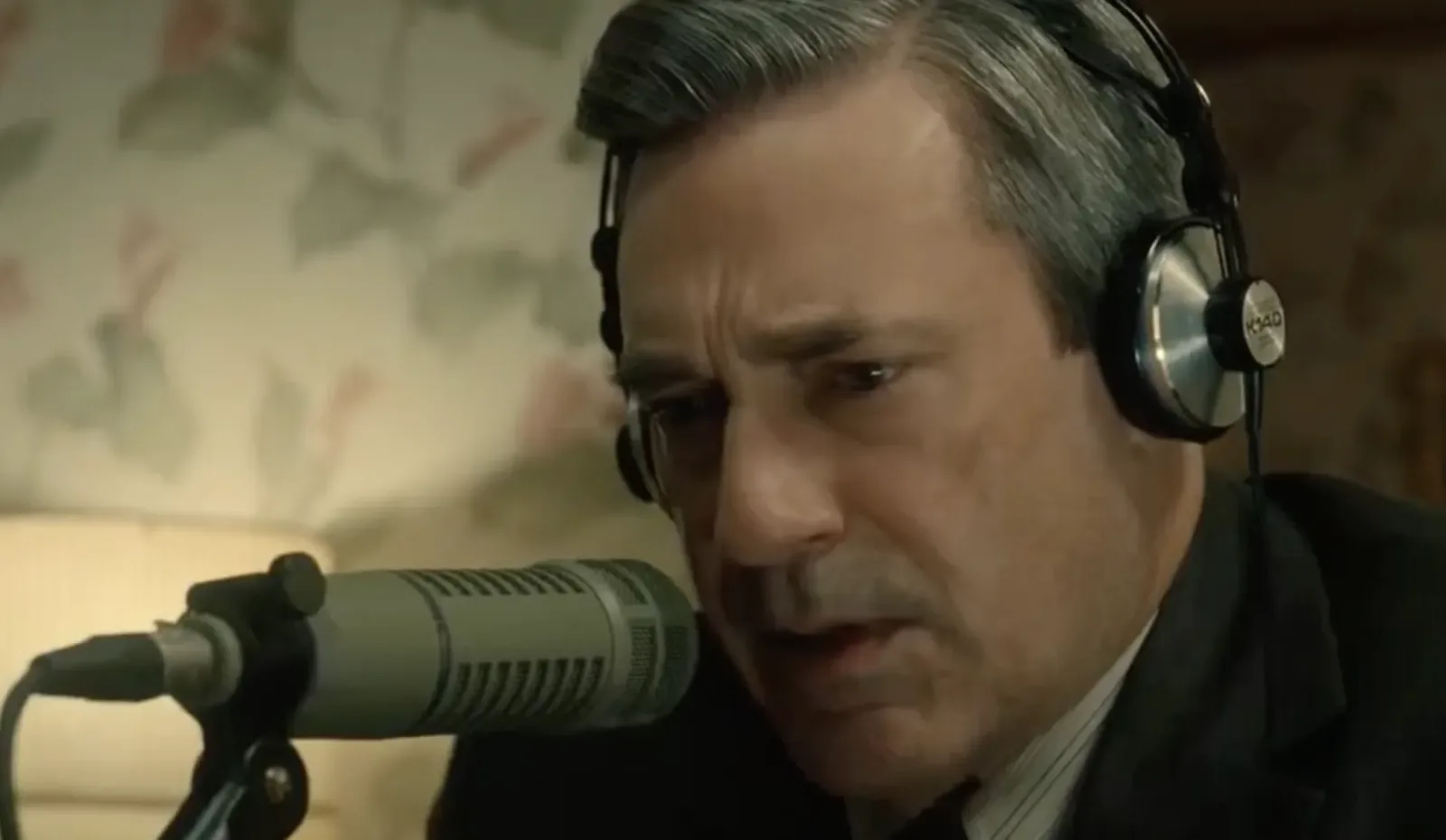
Outside Crestwood, Police Chief Gallagher publicly announces that an immunity agreement has been delivered to Tony. Fred prepares WIBC listeners for the possibility that the crisis could soon be over, but that optimism proves premature when Tony does not sign. He also stops answering calls, leaving police, reporters and negotiators wondering why a document designed around his own demand has failed to produce the expected result.
Fred offers to speak to Tony directly because he remains convinced that Tony trusts him. Gallagher reluctantly allows Fred to approach the apartment with McNally nearby, but even Fred cannot persuade Tony to explain himself. Tony insists that he is occupied with something important and promises Fred will be the first to know when he makes his decision.
Tony Puts Dick Hall on Trial
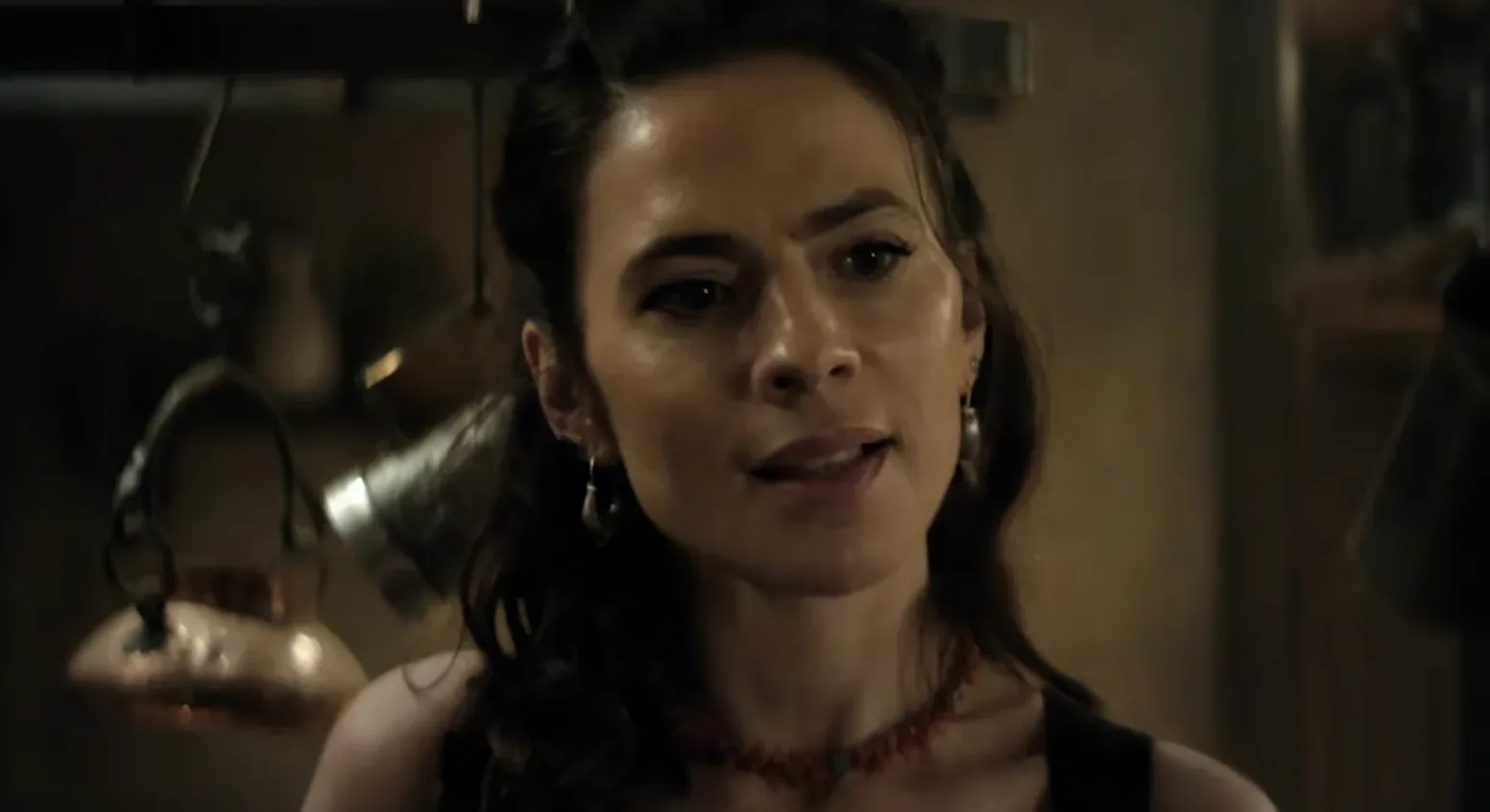
What Tony is actually doing becomes one of the episode’s strangest developments. He transforms his apartment into an imaginary courtroom, appointing himself judge and prosecutor while treating Dick as the defendant representing Meridian Mortgage and M.L. Hall. Tony then begins reading through an enormous collection of grievances, presenting each complaint as evidence in a case he has apparently been building in his mind for years.
Some complaints relate directly to the property dispute, including Tony’s belief that M.L. interfered with his potential arrangement involving Eisner-Osco and intended to push him toward foreclosure. Others are intensely personal, including Tony’s resentment over comments about his clothes and memories of being made to feel socially inferior. To Dick, those incidents may seem minor compared with the financial dispute, but Tony views them as pieces of the same pattern of humiliation.
Dick eventually challenges Tony’s version of events. He explains that Meridian considered financial risk and that Tony did not have enough capital to support the development he imagined, but Tony interprets that explanation as another example of the Hall family’s condescension. The mock trial makes clear why the immunity agreement alone cannot end the situation. Tony does not merely want legal protection. He wants somebody from the Hall family to acknowledge that he was genuinely wronged.
Fred and McNally Begin to Understand Each Other
While Tony conducts his private trial, Fred and McNally wait in another apartment across the complex. Their conversation initially becomes unexpectedly personal, with McNally speaking about his difficult childhood and his relationship with his father. Fred, who has spent days being studied and coached by the FBI agent, briefly appears to believe that the two men are finally speaking to each other without professional calculations.
That apparent connection begins falling apart when Fred notices details in McNally’s conversations with police. He realizes that officers positioned around Crestwood are still looking for an opportunity to bring the situation to an immediate conclusion if Tony appears exposed. Fred is disturbed because he has been working on the assumption that the immunity agreement represents a genuine path toward a negotiated ending.
McNally’s response reveals something even more personal. He admits that he profiles everyone involved in a crisis, including Fred. The intimate conversations, questions and observations Fred interpreted as friendship have also been tools McNally uses to understand how Fred can be influenced and how he might react under pressure.
Barbara and Ibby Find Unexpected Common Ground
Away from Crestwood, the episode gives Barbara and Ibby Hall their own increasingly important relationship. Ibby can no longer tolerate the atmosphere at home, where reporters keep calling and she must hide her fear from the children. She meets Barbara at a bar, and the two women begin talking less like the wives of men connected to a public crisis and more like people whose lives have quietly become unrecognizable.
Ibby discusses the ambitions she once had before marrying Dick, while Barbara finally begins speaking about the frustrations she has kept buried inside her own seemingly stable life. The conversation eventually returns to Patricia, the daughter Fred mentioned publicly in the previous episode. Barbara explains that the roses threatened by her neighbor’s fence were planted for Patricia, showing that her anger over Fred’s broadcast is connected to grief she has carefully protected for years.
Their conversation gives Barbara a space Fred has not been able to give her. Both women have spent the crisis watching decisions made by husbands, police officers, journalists and negotiators reshape their lives without their control. By finding each other, they finally have someone who understands what it feels like to be treated as a supporting figure in a situation that is affecting them just as deeply.
Why Does Dick Apologize to Tony?
Back inside the apartment, Tony’s imaginary trial reaches the one issue that has remained unresolved from the beginning: M.L. Hall’s personal apology. Tony attempts to contact him, but M.L. does not answer. The silence confirms everything Tony already believes about him, because even with Dick’s safety at stake, Tony sees M.L. as unwilling to personally acknowledge him.
Dick finally does what his father refuses to do. He apologizes on behalf of M.L. and himself, telling Tony that he is sorry. Tony is visibly affected and thanks him, appearing for a moment to receive the acknowledgment he has wanted throughout the ordeal.
The problem is that Tony immediately interprets the apology as an admission of guilt in his imaginary court. Rather than ending the trial, he declares that a verdict has effectively been reached and begins preparing to announce his sentence. The apology therefore creates emotional recognition without completely resolving Tony’s fixation on proving that Meridian deliberately wronged him.
Ending Explained: Is Tony’s Immunity Agreement Real?
The biggest revelation comes when Fred confronts McNally about what authorities are really planning. McNally finally tells him that the immunity agreement is not what Fred believes it to be. From McNally’s perspective, the important thing is not whether the promise will ultimately protect Tony but whether Tony believes strongly enough in it to sign the document, release Dick and come outside.
That revelation changes Fred’s understanding of his entire role. He believed he was helping communicate a legitimate negotiated solution, but McNally now wants to use the trust Fred has built with Tony as part of the deception. The FBI agent asks Fred to go on WIBC and publicly say that he personally believes in the agreement, knowing that Tony considers Fred one of the few people whose word can be trusted.
Fred refuses. He tells McNally that he will not sell a lie on the news, even when McNally argues that two lives depend on making Tony believe the agreement is genuine. For Fred, this is the boundary he cannot quietly cross because using WIBC to deliberately mislead Tony would transform journalism from a source of information into an instrument of the negotiation.
The irony is that Fred has already crossed many boundaries during the crisis. He withheld Ginny’s story, stepped away from running the newsroom, shared private details about Patricia and allowed law enforcement to use his relationship with Tony. Episode 5 ends by finally showing him the destination of that compromise. McNally does not simply want Fred to help Tony. He wants Fred’s reputation, voice and credibility to become tools that can make Tony believe something Fred himself no longer trusts.
Tony, meanwhile, remains inside with Dick and still has not signed the agreement. After everything Fred has sacrificed to keep the situation moving toward a peaceful conclusion, he is now being asked to sacrifice the one thing he still considers non-negotiable: the truth he tells his listeners. That makes the ending less about whether Tony signs a piece of paper and more about whether Fred can continue serving as Tony’s trusted conduit without becoming part of the deception being built around him.