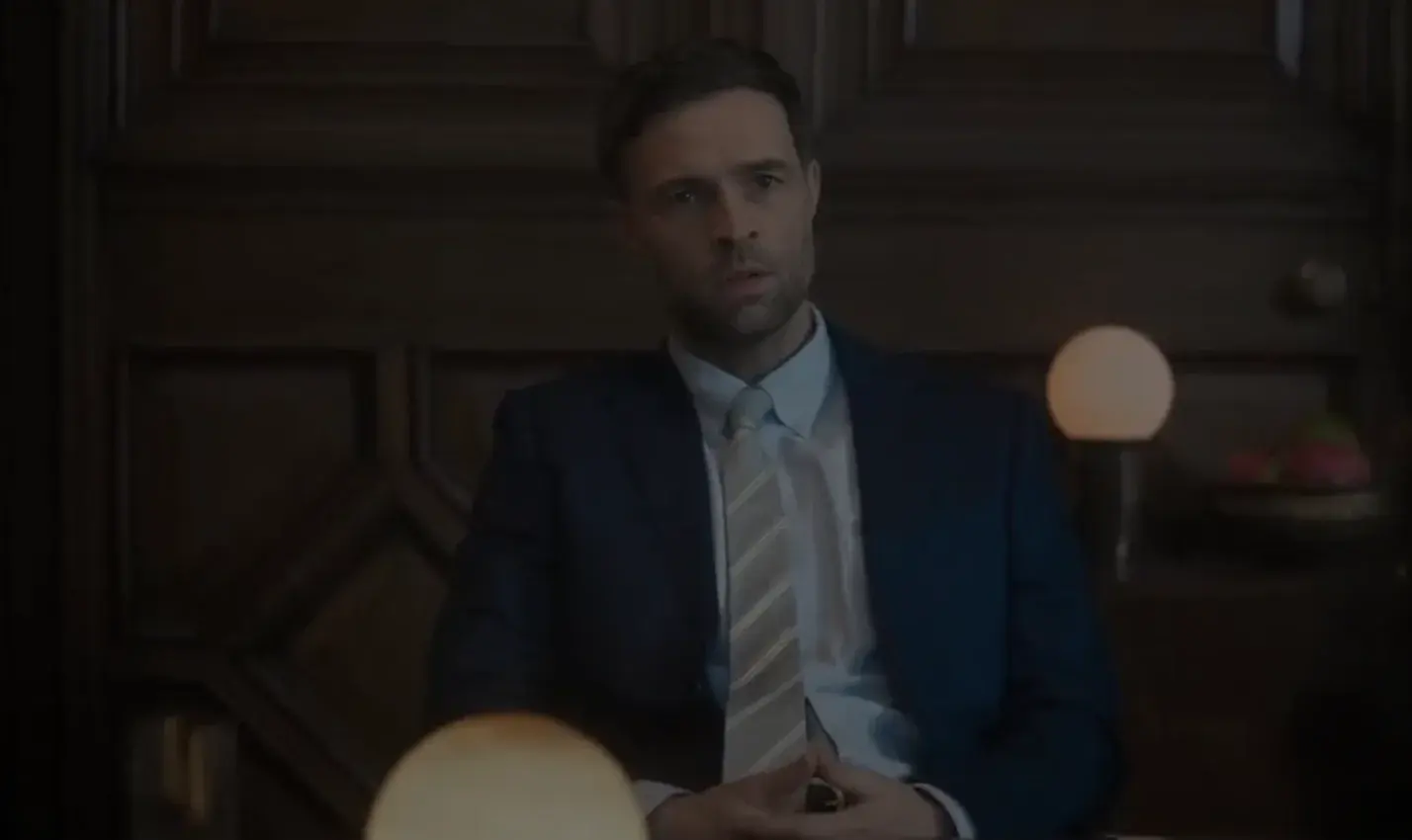
American Hostage Season 1 Episode 3 Recap and Ending Explained: Why Fred Stops Ginny’s Story
American Hostage Season 1 Episode 3, titled “Magic Ticket Sweepstakes,” places Fred Heckman in the most difficult position he has faced so far. He is still trying to operate as WIBC’s news director, assigning reporters to investigate Tony Kiritsis and Meridian Mortgage while making sure the station does not broadcast allegations it cannot substantiate. At…
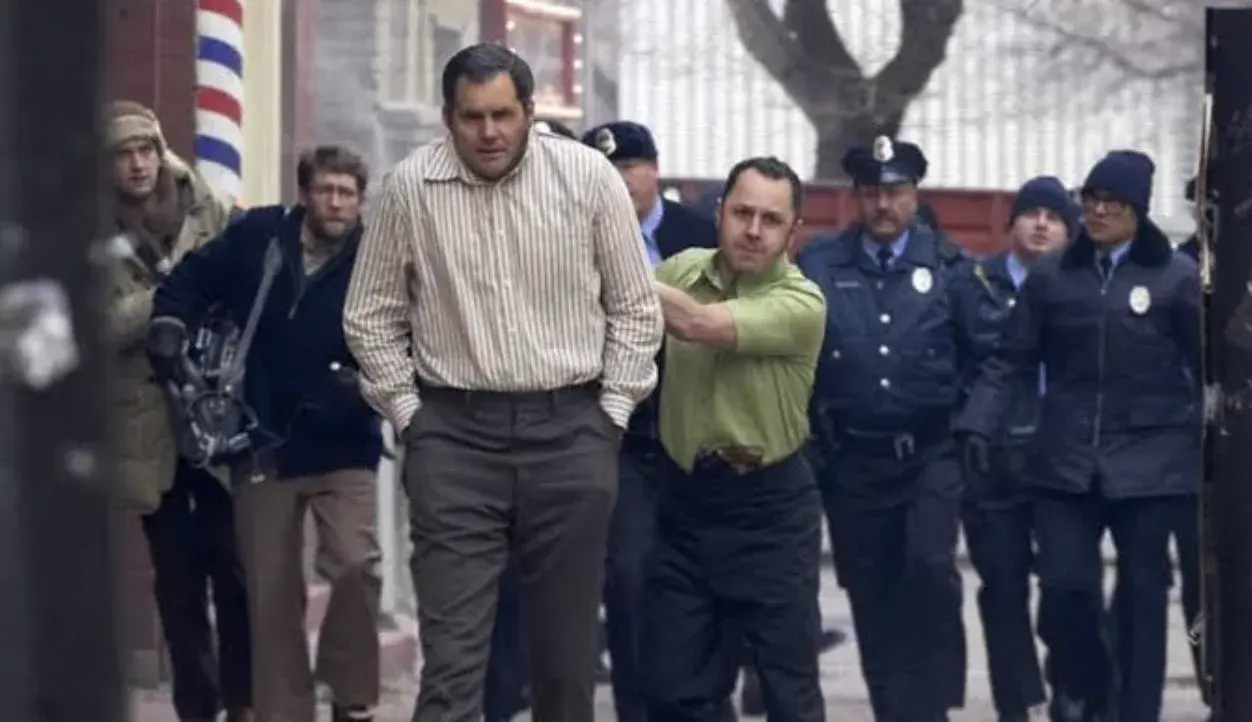
American Hostage Season 1 Episode 3, titled “Magic Ticket Sweepstakes,” places Fred Heckman in the most difficult position he has faced so far. He is still trying to operate as WIBC’s news director, assigning reporters to investigate Tony Kiritsis and Meridian Mortgage while making sure the station does not broadcast allegations it cannot substantiate. At the same time, the FBI and local authorities have come to understand that Tony trusts Fred more than he trusts anyone officially involved in the negotiations. That uncomfortable overlap becomes the episode’s central problem, especially after an inaccurate WIBC report nearly destroys the fragile relationship Fred has built with Tony.
While the authorities continue searching for a way to satisfy Tony’s demands, Ginny uncovers a troubling episode from his past involving his sister Effie, Ben digs deeper into Meridian’s foreclosure history, and Barbara is drawn into the crisis through Dick Hall’s wife, Ibby. By the end, however, Fred is forced to choose between broadcasting a legitimate news story and protecting a negotiation that may depend on Tony remaining calm.
Related: American Hostage Season 1 Episode 2 Recap: Fred Becomes Part of the Story
McNally Realizes Fred Has Become the Main Link to Tony
Tony has now spent hours inside his Crestwood apartment with Dick Hall, and there is little indication that the situation will end quickly. Authorities have taken steps designed to pressure him, including cutting utilities, but Tony appears prepared to remain inside while waiting for his demands to be addressed. He still wants an apology connected to Meridian Mortgage, along with legal protection for what he has done.
Fred briefly returns home to Barbara and the children, hoping for a small break from a story that has already consumed his day. That separation does not last because Tony even calls Fred at home, reinforcing just how personally attached he has become to the WIBC broadcaster. FBI Special Agent Cormac McNally soon arrives as well, wanting Fred’s help and trying to understand why Tony has selected him as his preferred contact.
McNally has researched Fred’s history, including his military background and long career in Indianapolis radio. His conclusion is that Fred has become the essential “conduit” between Tony and everyone outside the apartment. Tony may distrust Meridian, law enforcement and other institutions, but he believes Fred will at least listen to his version of events. That trust gives Fred an unusual amount of influence, although it also makes it increasingly difficult for him to remain detached from the story he is supposed to be covering.
M.L. Hall’s Apology Creates Another Problem
At Meridian Mortgage, attention turns toward preparing the apology Tony has demanded. The wording becomes extremely sensitive because the people drafting the statement do not want to make admissions that M.L. Hall is unwilling to authorize. Tony, however, has not simply asked for a carefully prepared corporate statement. He specifically wants M.L. himself to acknowledge what Tony believes was done to him.
That creates a major obstacle because M.L. remains in Florida and shows little willingness to personally involve himself in the confrontation. A compromise is eventually considered in which Cliff can read an apology authorized by M.L., but Fred immediately understands that Tony may view this as another attempt to avoid personal responsibility. For Tony, the identity of the person delivering the apology matters almost as much as its wording.
Meanwhile, WIBC’s investigation of Meridian continues. Ben comes across information about numerous foreclosures involving borrowers who were not necessarily wealthy or financially secure, raising questions about the company’s lending and foreclosure practices. He believes there may be a larger pattern worth investigating, but Fred refuses to let the newsroom move beyond what it can actually prove. Tony’s complaints may have encouraged the investigation, but Fred still insists that WIBC cannot simply turn Tony’s accusations into reported facts.
Ginny Learns About Tony’s Past With His Sister Effie
Ginny’s reporting takes her to Tony’s sister, Effie, who initially seems reluctant to discuss her brother. Their relationship is clearly complicated. Despite their estrangement, Effie reveals that Tony has continued finding ways to help her, sometimes taking care of repairs around her home without expecting recognition or a reconciliation in return.
The interview becomes much more significant when Ginny learns about an earlier family confrontation involving money. According to the information she gathers, Tony had previously confined Effie during a dispute connected to $55,000. He was arrested afterward, but the matter did not ultimately move forward because Effie repeatedly refused to testify against her brother.
For Ginny, the story offers valuable context about Tony’s behavior long before the confrontation with Dick Hall. It also shows how complicated Tony’s family relationships are, because Effie’s reluctance to cooperate against him does not erase what happened between them. Fred recognizes that Ginny has found an important piece of reporting and initially expects the station to broadcast it.
Barbara Helps Dick Hall Speak With His Wife
The authorities also believe that reconnecting Dick with his family may help stabilize the situation, although contacting his wife, Ibby, is not straightforward. Because Barbara knows Ibby through church, Fred asks his wife to visit the Hall home and help establish communication.
Barbara’s involvement adds another personal layer to Fred’s situation. This is no longer something happening only inside his newsroom or somewhere across Indianapolis. His wife is now assisting the effort as well, and the families surrounding both Tony and Dick are becoming part of the story.
When Ibby finally speaks with Tony and Dick, Tony initially controls much of the conversation. He explains his grievances and appears surprised when Ibby acknowledges that Dick may have made mistakes. Even that limited recognition matters to Tony because he has spent much of the crisis insisting that nobody connected to Meridian is willing to admit he was treated unfairly.
Tony eventually allows Dick to speak, but Dick struggles to say very much. The exchange becomes awkward and emotional, with Tony finally telling Ibby that Dick loves her. For a brief period, the call appears to reduce some of the tension, although the relative calm does not survive for long.
Why Tony Rejects Meridian Mortgage’s Apology
The proposed apology eventually reaches the radio, but it fails to produce the response Fred and the authorities hoped for. When Cliff delivers the statement and explains that it has M.L. Hall’s approval, Tony immediately notices what is missing. M.L. himself is not reading it.
Tony interprets M.L.’s absence as another refusal to personally acknowledge his grievances. From Tony’s perspective, an apology delivered by somebody else does not satisfy a demand specifically directed toward the head of the Hall family business. His frustration grows as he pushes for more information about how Meridian handled his development plans and what people inside the company said about his property.
Fred attempts to keep the conversation controlled, but Tony eventually ends the call. The failure of the apology makes clear that the negotiations cannot be solved simply by producing the correct legal wording. Tony is seeking recognition and personal accountability, something a corporate statement cannot easily provide.
WIBC’s Incorrect Report Breaks Tony’s Trust
The episode’s most serious turning point arrives during WIBC’s continuing coverage. Reporter Doug O’Brien reports from outside Crestwood Apartments that an Army bomb squad may have a plan to enter the building. Fred immediately questions whether the information is confirmed, understanding how dangerous such a report could be if Tony is listening.
Police Chief Gallagher quickly appears on the broadcast and insists that there is no plan to enter Tony’s apartment. Unfortunately, the correction comes only after Tony has heard the original claim. From his perspective, WIBC has announced that authorities are preparing to move against him and then suddenly denied it once he became aware of the plan.
Tony’s existing distrust makes the contradiction particularly damaging. He begins to believe that Fred and the station may be participating in a deception rather than simply reporting inaccurate information. Fred tries to explain what happened, but Tony refuses to accept the explanation and eventually stops answering calls altogether.
The mistake is especially painful for Fred because it comes from his own newsroom. Until this point, he has tried to maintain the idea that WIBC can report independently while he also communicates with Tony. The false report demonstrates how quickly those two roles can collide.
Ending Explained: Why Does Tony Finally Call Fred Again?
With Tony refusing to answer the telephone, McNally suggests that Fred use the one communication channel they know Tony is still following: WIBC itself. Fred returns to the microphone and speaks directly to him over the air, openly admitting that the station made a mistake and explaining that authorities do not have the entry plan that was originally reported.
Fred then moves beyond a conventional correction. He speaks to Tony personally, referring to their shared military backgrounds and using the idea of the “fog of war” to explain how confusion and incomplete information can produce mistakes. Rather than demanding that Tony respond immediately, Fred simply tells him that he will be there when he is ready to talk.
The newsroom waits through a tense silence before the phone finally rings. Tony is on the other end, confirming that he and Dick are still there and even making a joke about Dick wanting something to drink. The immediate crisis has passed, but Fred’s success proves McNally’s earlier assessment. Fred is no longer merely the journalist Tony happens to call. He has become an active part of the negotiation.
Why Does Fred Stop Ginny’s Story About Effie?
The episode’s most important editorial decision comes after contact with Tony has been restored. Ginny is ready to broadcast her report about Tony’s earlier confrontation with Effie, a story that appears journalistically relevant because it offers important information about his past behavior.
McNally strongly objects. He believes that airing a deeply personal and potentially humiliating story at that exact moment could cause Tony to become distrustful or unpredictable again. Ginny pushes back because she does not believe the FBI should be deciding what an independent newsroom can or cannot report. Under ordinary circumstances, Fred would almost certainly agree with her.
What has just happened with the inaccurate bomb squad report changes his calculation. Fred has now seen direct evidence that something broadcast by WIBC can immediately affect events inside the apartment. The newsroom is no longer reporting on a completely separate reality. Tony is listening to what they say, reacting to it and making decisions based on it.
Fred therefore stops Ginny’s story from going on the air. His decision does not mean the report is false or unimportant. Instead, he decides that broadcasting it at that particular moment could interfere with the effort to keep Dick safe and maintain communication with Tony.
Ben recognizes what this means and tells Fred what has become increasingly obvious: he is effectively Tony’s chief negotiator.
The closing moments reinforce the unusual public atmosphere developing around the crisis. A caller dedicates “Carry on Wayward Son” to Tony, while people outside begin expressing support for him. Tony is increasingly being treated as an anti-establishment figure by some members of the public, even as the situation involving Dick remains unresolved.
Episode 3 therefore ends with Fred facing a problem that goes far beyond one phone call. He has regained Tony’s trust, but doing so has forced him to compromise the independence he values as a journalist. The more essential Fred becomes to the negotiation, the harder it will be for him to decide where journalism ends and intervention begins.