Were Lizzie Borden and Bridget Sullivan Really Lovers? The True Story Behind Monster
Netflix’s Monster: The Lizzie Borden Story is making the relationship between Lizzie Borden and her family’s maid, Bridget Sullivan, much more important than the surviving historical record allows us to say with certainty. The upcoming fourth season portrays Lizzie, played by Ella Beatty, and Bridget, played by Vicky Krieps, as developing a romantic and sexual…
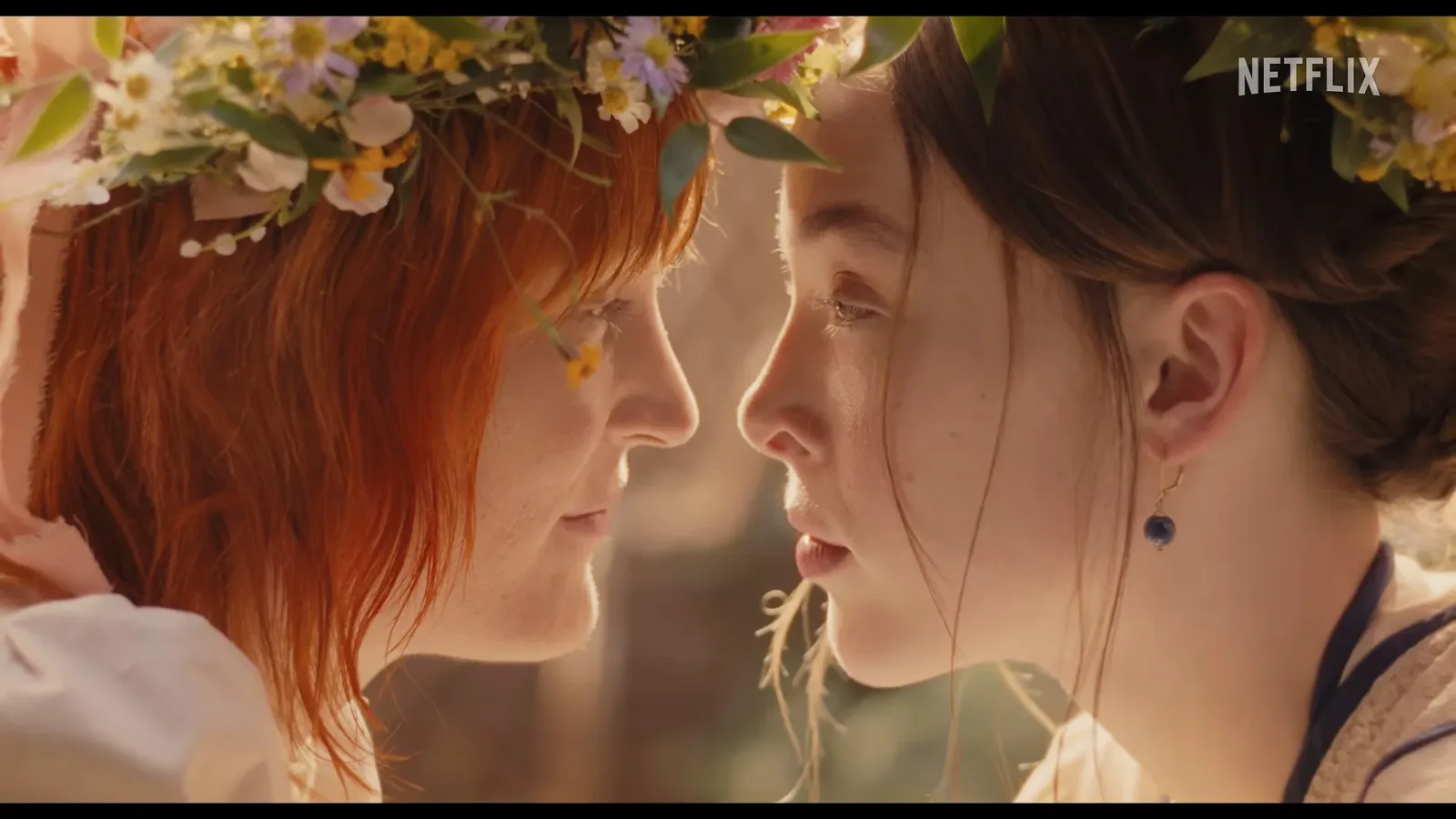
Netflix’s Monster: The Lizzie Borden Story is making the relationship between Lizzie Borden and her family’s maid, Bridget Sullivan, much more important than the surviving historical record allows us to say with certainty.
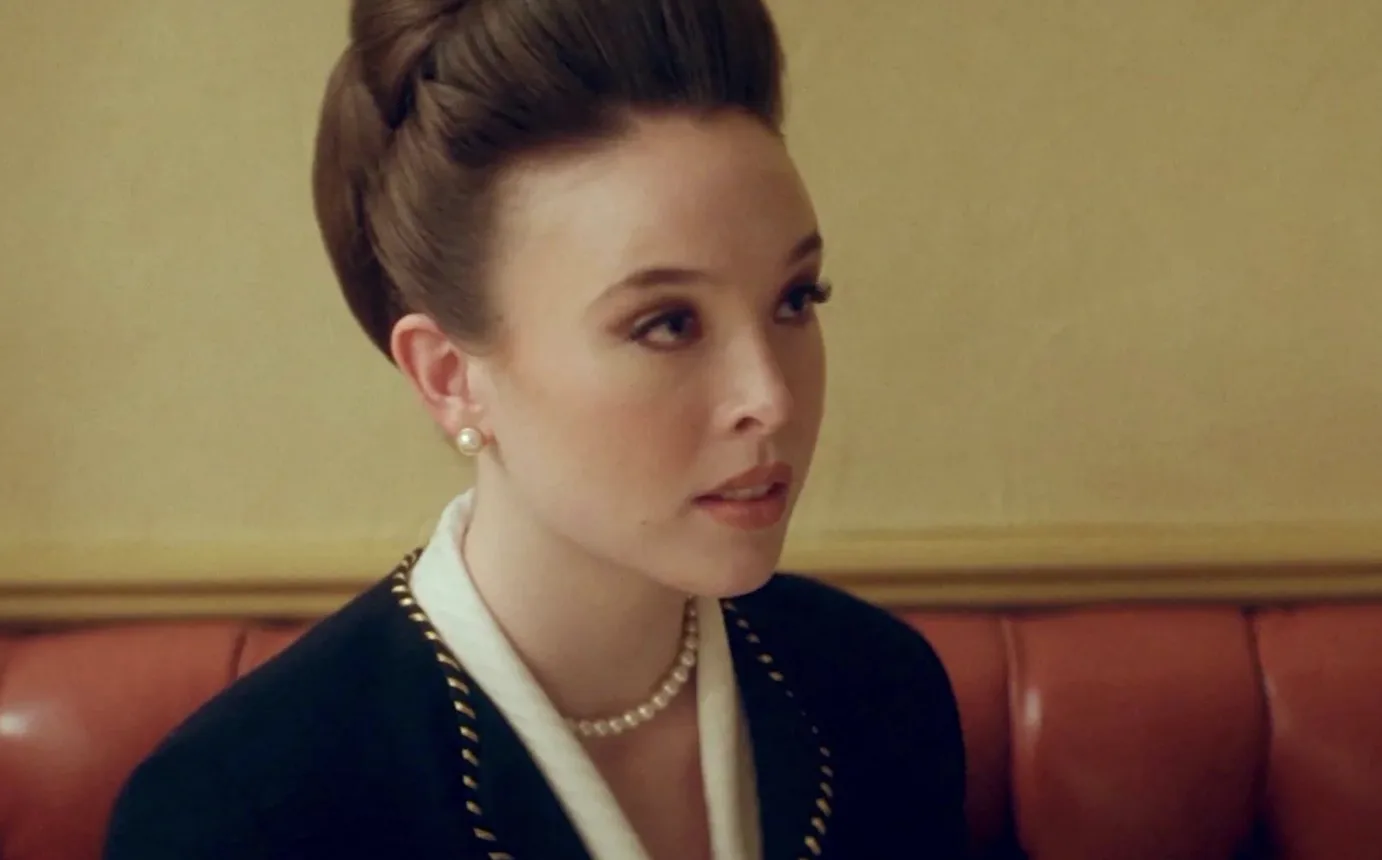
The upcoming fourth season portrays Lizzie, played by Ella Beatty, and Bridget, played by Vicky Krieps, as developing a romantic and sexual relationship. Co-creator Ian Brennan has openly confirmed that the series is embracing a long-running theory about the two women. Historically, however, there is no reliable evidence proving that Lizzie Borden and Bridget Sullivan were lovers. The romance is an interpretation of an unsolved story, not an established fact about their lives.
Monster is deliberately making Lizzie and Bridget a couple
This is not something viewers are merely reading into the trailer.
In Vanity Fair’s first major look at the season, Brennan confirmed that Monster uses the idea of a romance between Lizzie and Bridget as part of its retelling. The series draws partly from Evan Hunter’s 1984 novel Lizzie, which also imagined the two women having an affair. Brennan acknowledged that there is no historical proof but argued that the uncertainty surrounding the Borden case gave the writers room to explore the possibility.
Netflix’s official synopsis similarly describes a “repressed daughter” and her “rebellious maid” trapped inside a cruel household and escaping into fantasies involving sex, power and revenge. The wording makes clear that their relationship is central to the fictionalized version of the story.
That should not be confused with newly discovered evidence about the real women.
Related: Monster: The Lizzie Borden Story Filming Locations
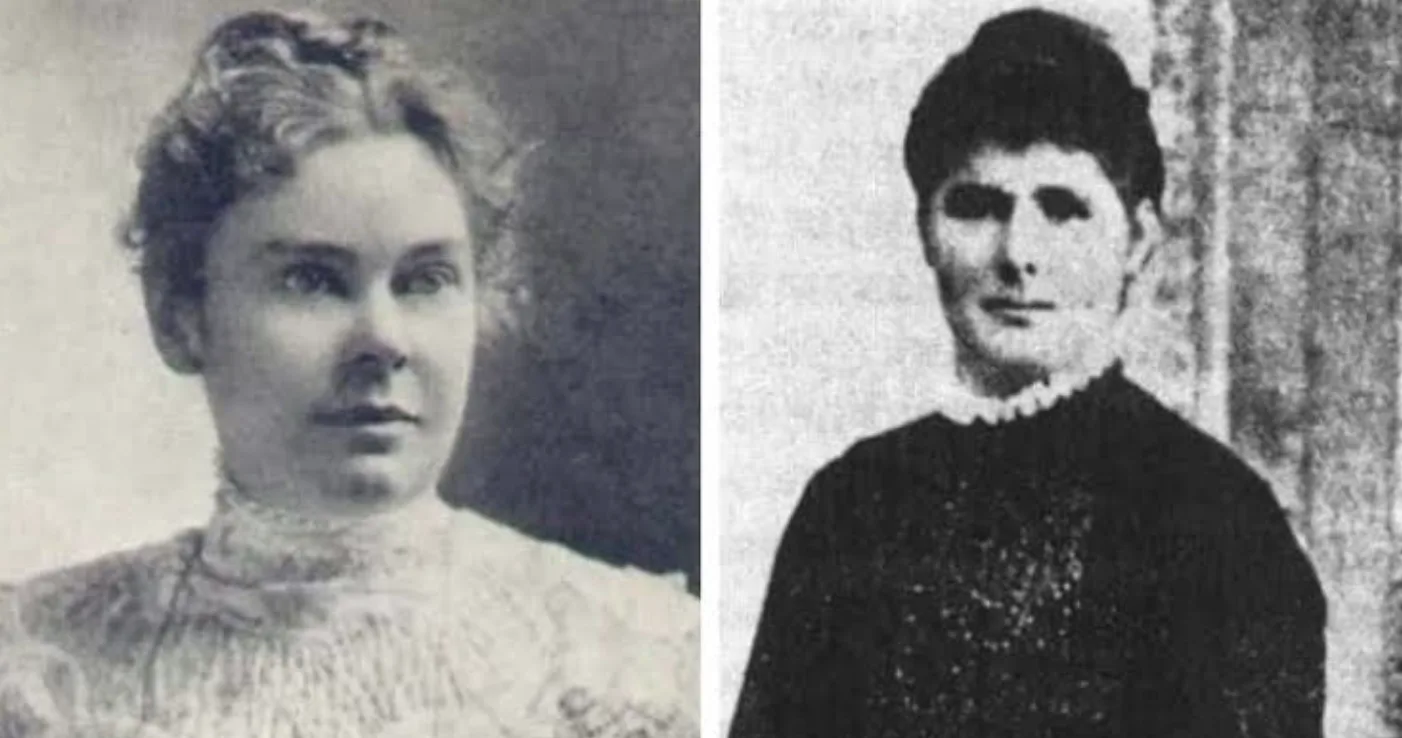
Who was Bridget Sullivan in real life?
Bridget Sullivan was an Irish immigrant who worked as the Borden family’s only live-in domestic servant.
Her own testimony at Lizzie’s 1893 trial provides some of the clearest information about her. Sullivan said she was 26 years old, unmarried and had lived in the United States for seven years. By the time of the murders, she had been working for Andrew Borden for two years and nine months. Her duties included cooking, washing, ironing and sweeping.
Lizzie and her sister Emma sometimes called her “Maggie,” even though Bridget was her actual first name. That historical detail has carried into the Netflix adaptation.
What Sullivan did not say in court was equally important for this particular question. Her extensive testimony contains no admission or suggestion that she and Lizzie were romantically involved.
Is there any historical evidence that they had an affair?
Nothing currently known establishes such a relationship.
Bridget testified extensively about life inside the Borden home, the family’s routines and what she saw on August 4, 1892. She was questioned about tensions within the household and about Lizzie’s relationship with her stepmother Abby. At one point, she said she had never heard serious trouble between Lizzie and Abby in her presence.
That does not prove Lizzie and Bridget could not have had a private relationship. It simply means that the evidence needed to call them lovers as a matter of historical fact does not exist.
The distinction matters because fictional versions of the Borden murders have repeatedly filled gaps in the evidence with romantic speculation.
Related: Why Is Aileen Wuornos in Monster: The Lizzie Borden Story?
The 2018 film Lizzie, starring Chloe Sevigny as Lizzie and Kristen Stewart as Bridget, also depicted them as lovers. TIME noted when examining that movie’s historical accuracy that Lizzie’s sexuality and the relationship with Bridget were speculative elements rather than established facts.
Why is the lovers theory so attractive to storytellers?
The Borden murders leave enormous narrative gaps.
Andrew and Abby Borden were brutally killed inside their Fall River home on August 4, 1892. Lizzie was tried for both murders and acquitted the following year. No one else was convicted, meaning writers adapting the story inevitably have to decide what they believe happened or deliberately leave the mystery unresolved.
A secret relationship with Bridget gives fictional versions several things at once: an emotional bond for Lizzie, a conflict with her restrictive household and another possible explanation for why two women living inside the same house might have shared secrets.
But a satisfying dramatic explanation is not necessarily the historical explanation.
Monster is particularly open about taking liberties. Vanity Fair’s preview describes its version of Bridget as an almost punk-like liberating influence on Lizzie, someone who exposes her to ideas, sexuality and a way of living she had not experienced before. Vicky Krieps herself described the character as an almost “Mary Poppins” type of arrival from another world.
That characterization tells us a great deal about Monster’s Bridget. It does not tell us what the real Bridget Sullivan was privately thinking in 1892.
So were Lizzie Borden and Bridget Sullivan really lovers?
There is no historical evidence strong enough to say that they were.
Netflix’s Monster: The Lizzie Borden Story makes the relationship real within its dramatized version of events, and its creators have acknowledged the theory they are using. The actual Borden case offers no comparable confirmation.
That makes the romance one of the clearest examples of where viewers will need to separate Monster’s answer from history’s much less satisfying one.