Why Is Aileen Wuornos in Monster: The Lizzie Borden Story?
Anyone watching the trailer for Monster: The Lizzie Borden Story could reasonably wonder what Aileen Wuornos is doing there. Lizzie Borden’s story belongs to the 1890s, while Wuornos committed her murders almost a century later. The answer is that Aileen Wuornos has no real-life connection to Lizzie Borden. The two women never met and did…
Anyone watching the trailer for Monster: The Lizzie Borden Story could reasonably wonder what Aileen Wuornos is doing there. Lizzie Borden’s story belongs to the 1890s, while Wuornos committed her murders almost a century later.
The answer is that Aileen Wuornos has no real-life connection to Lizzie Borden. The two women never met and did not live during the same period. Netflix’s Monster is deliberately bringing them together across different eras to explore the legacy of notorious female killers and, more specifically, the question of what pushes women toward extreme violence. Sarah Paulson plays Wuornos in scenes taking place decades after the Borden murders. Netflix describes her role as a major part of the season rather than a random cameo.
Lizzie Borden and Aileen Wuornos lived almost 100 years apart
The historical timeline makes the lack of a literal connection clear.
Andrew and Abby Borden were killed inside their Fall River, Massachusetts home on August 4, 1892. Lizzie Borden was subsequently accused of murdering her father and stepmother and went on trial the following year. She was acquitted.
Aileen Wuornos’ crimes occurred between 1989 and 1990 in Florida. Wuornos killed seven men and was eventually convicted of six murders. She spent years on death row before Florida executed her in 2002.
There is therefore no secret historical meeting, family relationship or shared criminal conspiracy connecting them. Netflix is creating the connection itself.
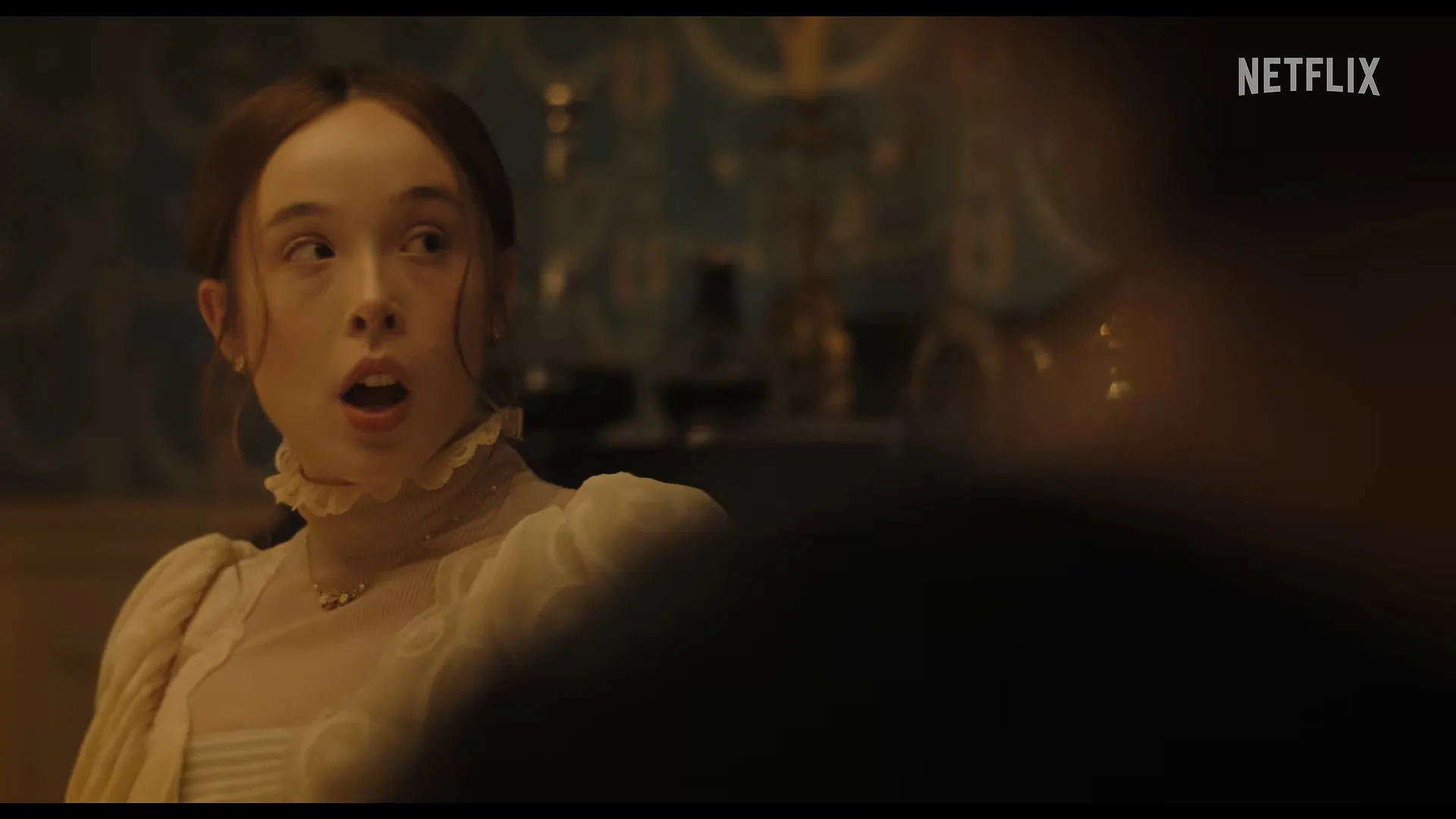
Why does Monster connect Aileen Wuornos to Lizzie Borden?
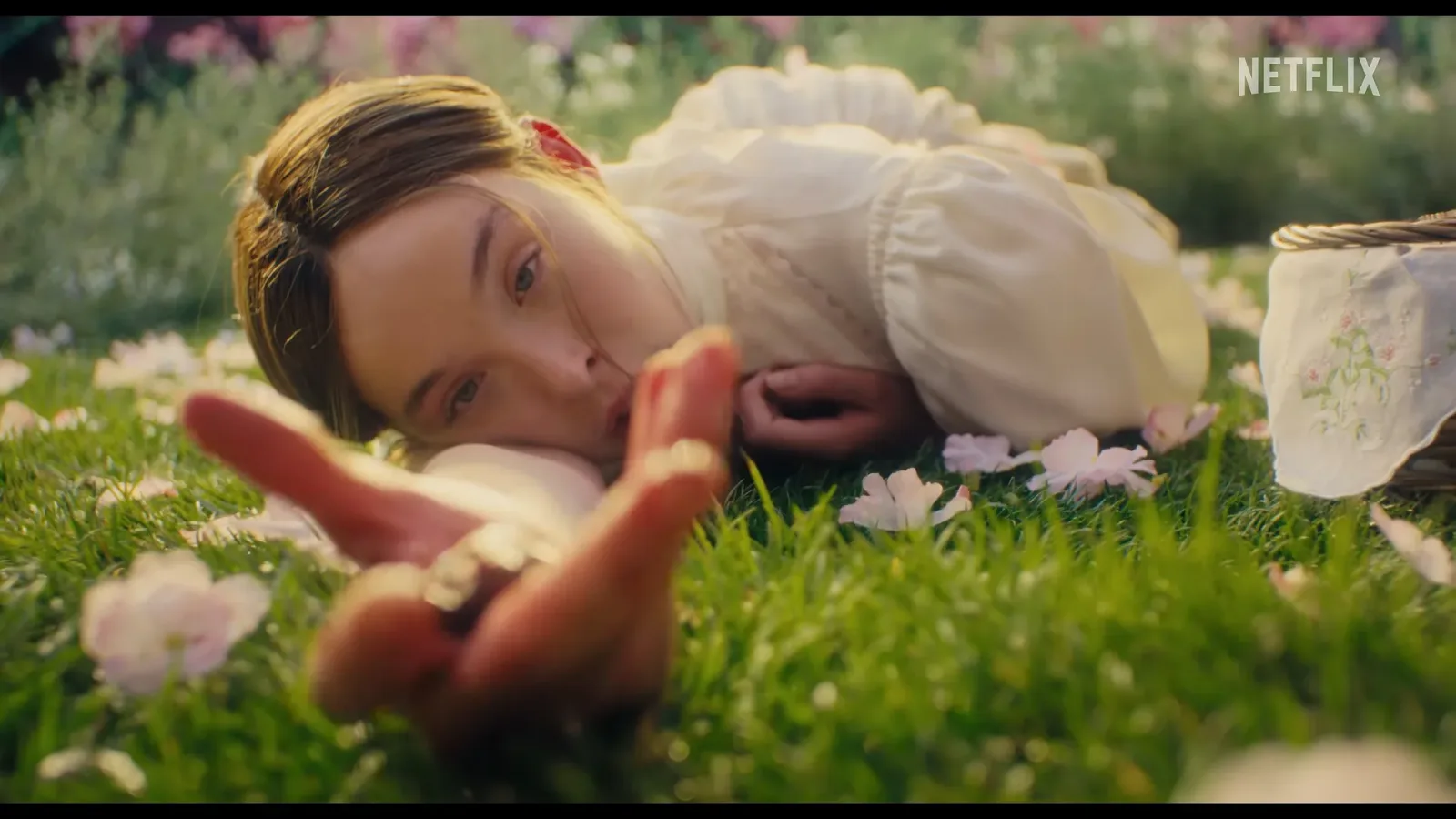
Ella Beatty, who plays Lizzie, has explained that the season is interested in a larger history of “female rage” and the circumstances that can precede violence.
According to Netflix, Wuornos appears in later-set sequences in which she is presented as someone affected by Lizzie Borden’s cultural legacy. Beatty said creators Ryan Murphy and Ian Brennan were interested in tracing a connection between women like Borden and Wuornos and examining why women kill. That also fits the central idea behind this particular season.
Previous installments of Monster dealt with Jeffrey Dahmer, the Menendez brothers and Ed Gein. The Lizzie Borden Story changes the formula by focusing for the first time on a woman at the center of the alleged crimes. Beatty has described the new season as an exploration of female rage and repression.
Wuornos gives the writers a way to move that theme beyond one Victorian household.
Lizzie becomes not simply the subject of an 1892 murder trial, but part of a longer cultural story about how the public reacts when the person accused of terrible violence is a woman.
Also Read: Why Did Peter Johansson Kill Police Officers in Blood Sacrifice?
Sarah Paulson’s Aileen Wuornos is more than a cameo
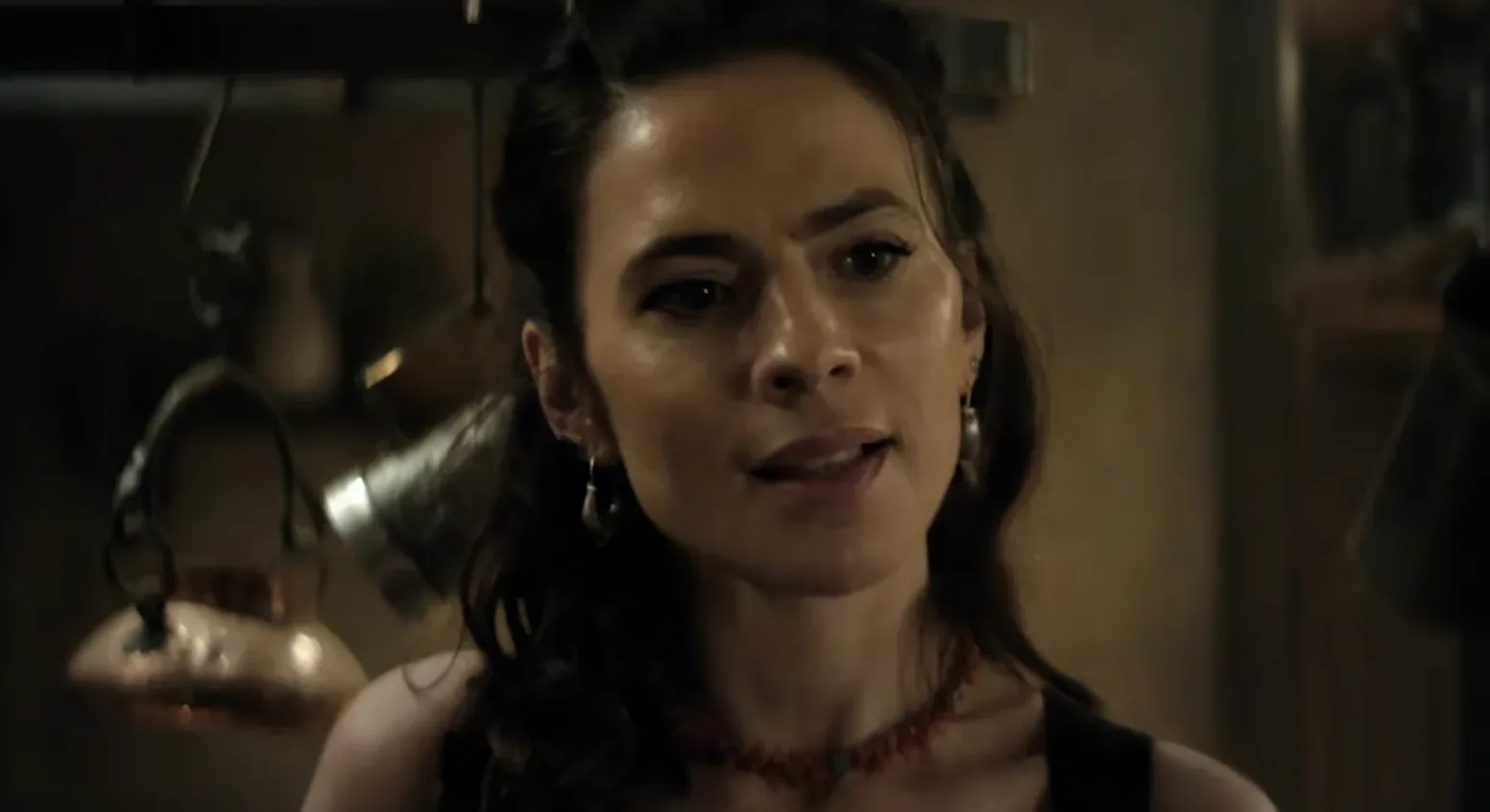
The trailer saves one of its biggest surprises for Paulson. After someone notes that nobody really knows what happened during the Borden murders, Paulson’s Wuornos responds that she does. It immediately signals that the series is not trying to remain entirely inside 1892.
Netflix says Wuornos plays a “major role” in scenes set decades later and describes her as crucial to the season’s thematic focus.
That means viewers should not expect the character simply to appear for a few seconds as an Easter egg.
What remains unknown before release is exactly how much screen time Wuornos receives and whether the series presents her connection to Lizzie through direct dramatized scenes, narration, fantasy or another storytelling device. The trailer intentionally leaves that unanswered.
Monster is already admitting that its Lizzie is fictionalized
This distinction becomes especially important with The Lizzie Borden Story because the real murders remain unsolved.
Beatty has said that she studied the historical case but ultimately had to portray the character Murphy and Brennan created, describing the show’s Lizzie as a “very fictionalized version” of the real woman. That should also shape how viewers interpret Aileen Wuornos’ involvement.
Wuornos being inspired by Lizzie is a storytelling device used by Monster. It is not evidence of a documented historical relationship between the women.
The choice does, however, explain why Sarah Paulson is appearing in a season seemingly set a century before Wuornos became infamous. Monster: The Lizzie Borden Story wants Lizzie’s story to extend beyond the question of who swung the hatchet. It is interested in how women associated with violence become myths, symbols and eventually influences on the way later female killers are understood.
And Aileen Wuornos provides the series with its most provocative bridge between those two eras.