Where Is David Kaczynski Now? How Ted Kaczynski’s Brother Helped Identify the Unabomber
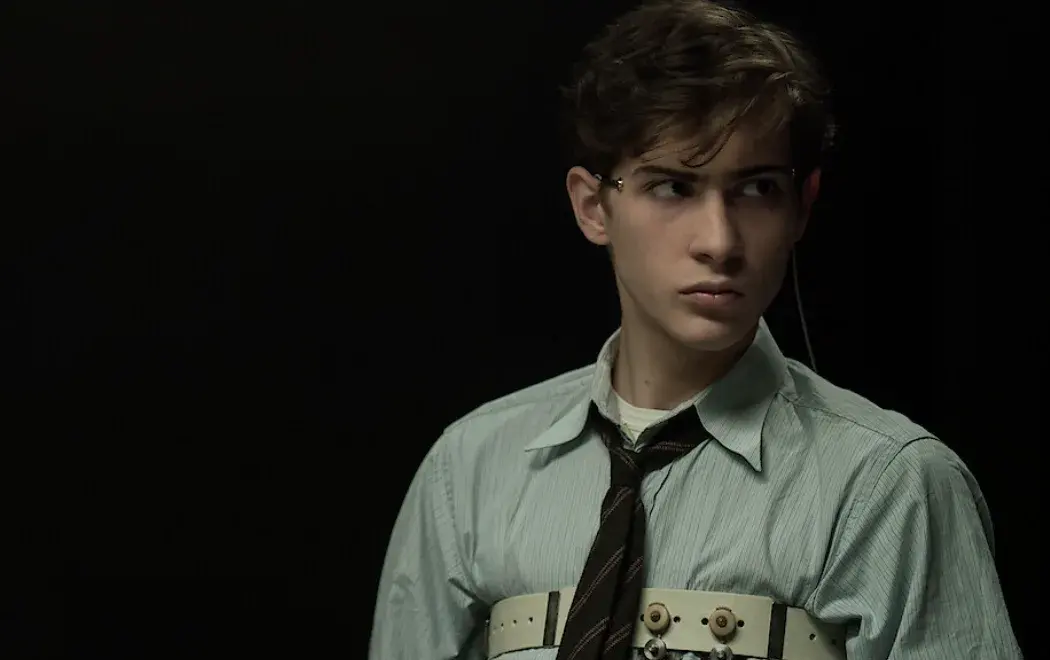
Netflix’s Unabomber reaches its decisive investigative turn not through Shailene Woodley’s fictional FBI agent Joanne Miller alone, but through the family connection that finally gives investigators a name worth pursuing. Matthew Kevin Anderson plays David Kaczynski, Ted Kaczynski‘s younger brother, while Tanya van Blokland portrays David’s wife, Linda Patrik. Their realization that Ted’s language resembled…
Netflix’s Unabomber reaches its decisive investigative turn not through Shailene Woodley’s fictional FBI agent Joanne Miller alone, but through the family connection that finally gives investigators a name worth pursuing. Matthew Kevin Anderson plays David Kaczynski, Ted Kaczynski‘s younger brother, while Tanya van Blokland portrays David’s wife, Linda Patrik. Their realization that Ted’s language resembled the manifesto becomes the bridge between years of unsuccessful investigation and the search of his Montana cabin. That part of Janus Metz’s movie has a strong basis in reality. David and Linda really did recognize disturbing similarities in Ted’s writing, and the information they provided became one of the most important breakthroughs in the case.
Related: Unabomber Ending Explained: How Is Ted Caught and Why Does Joanne Cry?
David was Ted Kaczynski’s younger brother
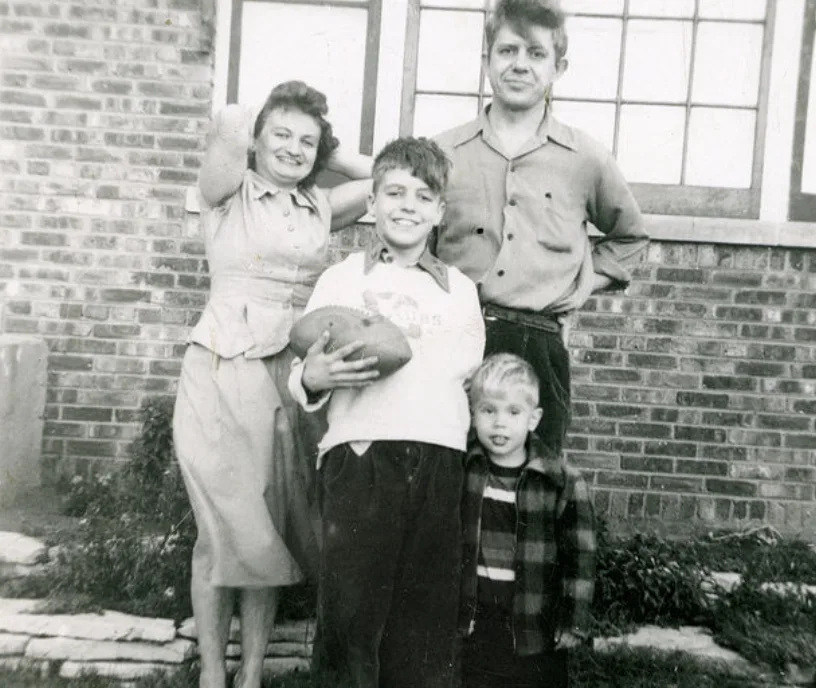
David Richard Kaczynski was born in 1949, several years after Ted, and grew up with him in the Chicago area. In later interviews, David remembered admiring his older brother when they were children and described their early relationship as close despite Ted’s increasingly private personality. David eventually attended Columbia University, where he studied English, and later worked as a teacher and with young people experiencing difficult circumstances.
Interestingly, David also shared some of Ted’s attraction to living away from conventional society, although their lives ultimately went in very different directions. During the 1980s, David spent time living in remote West Texas, first using an extremely basic shelter while constructing a small cabin in the desert. Contemporary reporting described him as someone who appreciated solitude and wilderness but still maintained friendships and eventually returned to a more conventional life.
That parallel makes the brothers’ story more complicated than a simple contrast between one isolated sibling and one completely conventional one. Both were interested in self-sufficient living, but David remained connected to other people and later built a life centered increasingly around counseling, spirituality and public service.
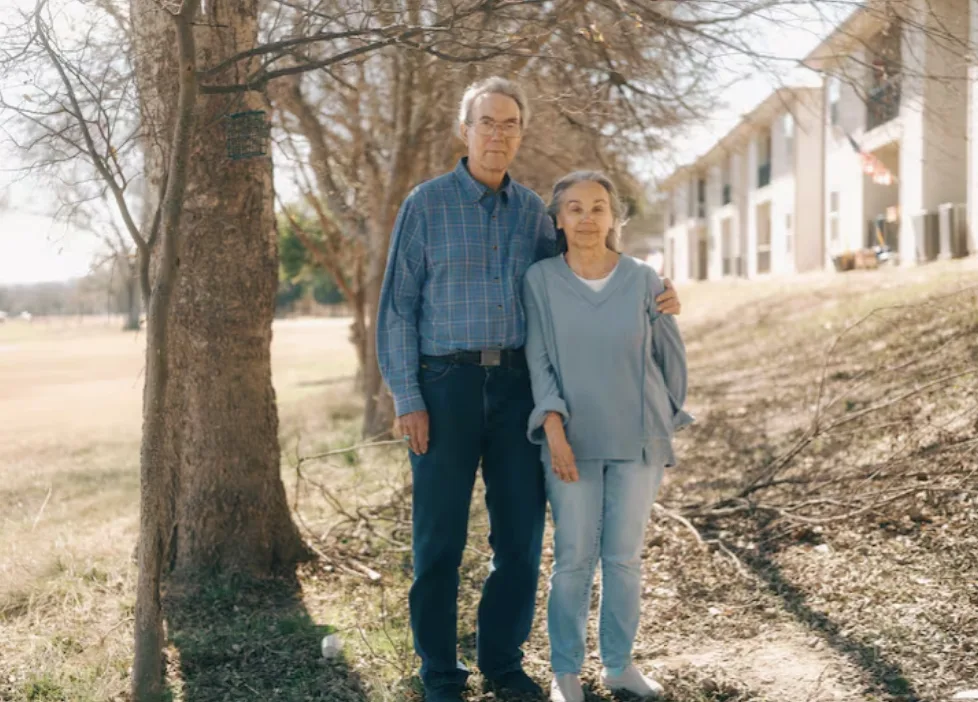
Linda Patrik first suspected Ted might be the Unabomber
The breakthrough did not begin with David immediately recognizing his brother. Linda Patrik, David’s wife and a philosophy professor, was the first of the two to seriously raise the possibility that Ted might be connected to the unidentified figure investigators had been pursuing. David initially found the idea difficult to accept, particularly because his memories of his brother did not fit the person described in news reports.
Their concerns became much harder to dismiss once Industrial Society and Its Future was published in 1995. Linda recognized ideas and arguments that resembled beliefs David had described hearing from Ted, while David began noticing similarities in language, spelling and overall worldview. In a later CBS interview, David recalled reaching a point where he believed there was roughly an even chance that his brother had written the manifesto.
The decision that followed was not simply a matter of calling the FBI and naming Ted. David and Linda sought legal advice, and the family approached investigators through an attorney. That allowed them to provide information while trying to navigate an extraordinarily difficult situation in which David feared that his suspicions might be correct but still cared deeply about his brother.
David’s letters became crucial evidence
The most valuable information David provided was not simply his opinion that Ted resembled the suspect profile. He gave investigators letters and other material written by his brother, which created an opportunity to compare Ted’s language directly with the manifesto. The FBI’s own history of the case identifies those documents as central to the breakthrough.
Investigators found distinctive similarities between Ted’s earlier writing and Industrial Society and Its Future. Former task force leader Terry Turchie later recalled noticing phrases that appeared in both sets of documents, while other linguistic patterns also attracted attention. Combined with details from Ted’s life, including his connections to places already associated with the investigation, that analysis helped support the request for a search warrant.
The FBI searched Ted’s cabin near Lincoln, Montana, on April 3, 1996. Evidence recovered there confirmed investigators had finally reached the person they had been seeking for nearly two decades. Netflix simplifies some of that process through Joanne Miller’s fictional storyline, but the real David Kaczynski’s contribution was every bit as significant as the movie suggests.
David tried to protect his brother from the death penalty
Helping identify Ted did not mean David stopped caring about him. After the arrest, David became deeply concerned that his cooperation might ultimately contribute to his brother receiving a death sentence. He argued publicly that Ted’s mental health needed serious evaluation while also making clear that this did not excuse the harm experienced by other people.
Ted eventually pleaded guilty in 1998 and received life imprisonment without parole. The relationship between the brothers, however, never recovered. David continued attempting to communicate with Ted over the years, but Ted rejected reconciliation and remained estranged from him until his death in federal custody in 2023.
That estrangement gives the real story a very different emotional conclusion from the procedural satisfaction of investigators solving a difficult case. For David, providing the information that identified Ted solved one problem while creating another that remained unresolved for the rest of Ted’s life.
What did David do with the $1 million reward?
David received the $1 million reward offered for information leading to the Unabomber’s identification, but he did not simply keep it. The National Archives Foundation says he created the Unabom Survivors Fund, which distributed approximately $680,000 remaining after taxes and legal expenses to people affected by his brother’s actions and their families.
The decision became part of a much larger effort to reach people whose lives had been changed by the case. In 1997, David began contacting affected families to express his regret about what his brother had done. Some understandably did not want a relationship with him, but one of those connections eventually became particularly important.
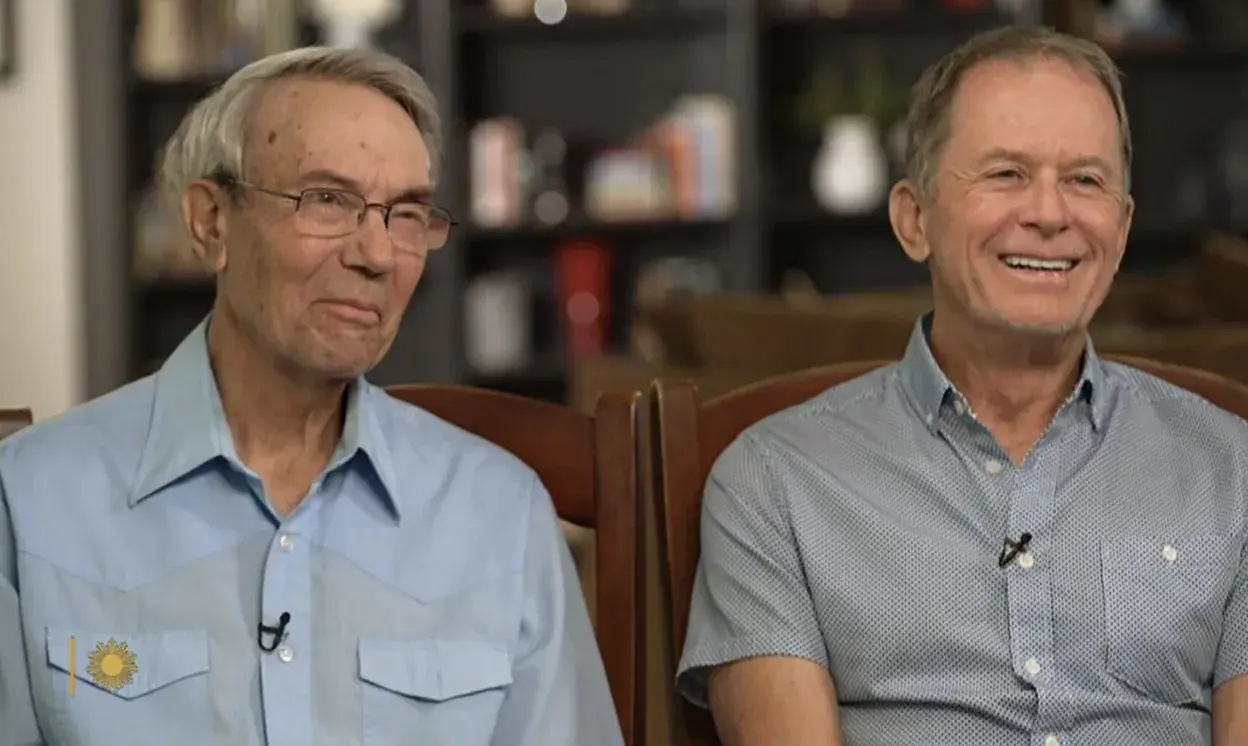
David developed a close friendship with Gary Wright, who had been seriously injured in one of the incidents associated with Ted. CBS revisited their relationship in 2025, showing the two men together decades later and examining how an unlikely friendship grew from circumstances neither had chosen. David described Wright’s friendship as one of the great blessings of his life and evidence that reconciliation can sometimes cross seemingly impossible boundaries. CBS News
David became a prominent death penalty opponent
The experience transformed David’s professional direction as well. He became executive director of New Yorkers Against the Death Penalty in 2001 and remained a prominent advocate for alternatives to capital punishment for more than a decade. His work expanded into discussions of mental health, restorative justice and approaches to criminal justice centered on preventing harm and helping affected communities recover.
David later served as executive director of Karma Triyana Dharmachakra, a Tibetan Buddhist monastery in Woodstock, New York. He also wrote the memoir Every Last Tie: The Story of the Unabomber and His Family, which approaches the case through the much more intimate experience of being Ted’s younger brother rather than through the investigation alone.
Where is David Kaczynski now?
David remains publicly engaged with the history that changed his family. A recent CBS Sunday Morning feature revisited his relationship with Ted, his efforts to connect with people affected by the case and his friendship with Gary Wright. Current biographical material also continues to describe him as a speaker on subjects including mental health, restorative justice and capital punishment.
That makes David’s place in the Unabomber story considerably larger than the final clue that breaks the case. He was a younger brother forced to consider something almost impossible about a person he had known his entire life, and then to live with the consequences of being correct. Netflix necessarily compresses that experience into its investigative plot, but the real David Kaczynski spent the decades afterward trying to turn one painful decision into work centered on accountability, reconciliation and preventing further harm.