Who Is the Trawler in The Shards? All Finale Suspects and the Book Answer Explained
The final minutes of The Shards Season 1 look almost like the beginning of a classic drawing-room mystery. Bret and Robert expect to be questioned separately, each convinced he can persuade police that the other is dangerous. Instead, they enter a room filled with Susan, Thom, Debbie, Liz, Steven and Ryan. Detectives Donaldson and Fregosi…
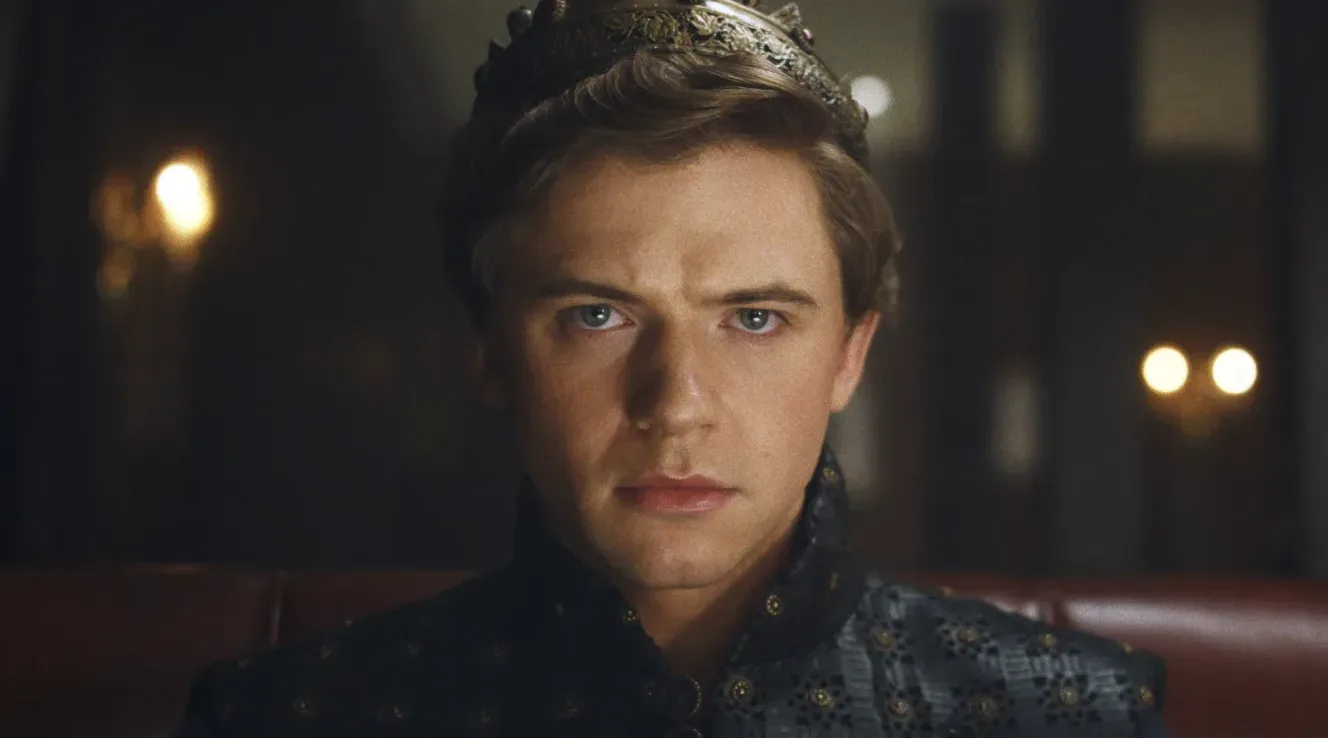
The final minutes of The Shards Season 1 look almost like the beginning of a classic drawing-room mystery. Bret and Robert expect to be questioned separately, each convinced he can persuade police that the other is dangerous. Instead, they enter a room filled with Susan, Thom, Debbie, Liz, Steven and Ryan. Detectives Donaldson and Fregosi then announce that their investigation has brought the killer much closer than anyone expected. Rather than unveiling someone beneath a mask, the finale ends with eight familiar faces studying one another while “Our Lips Are Sealed” plays over the suspicion.
Related: Is Bret the Trawler in The Shards? Did He Kill His Parents?
Related: The Shards Episode 9 Finale Recap and Ending Explained: Who Is the Trawler?
Why Does the Finale Put Everyone in the Same Room?
The interrogation scene is not meant to tell viewers that all eight characters have equal evidence against them. It widens the mystery from Bret’s personal theory about Robert into a question about how many crimes have actually been committed and whether they all belong to one person.
Executive producer Brad Simpson has explained that this was the purpose of the final sequence. The season contains several murders, attacks and suspicious falls, and the writers want viewers considering the possibility that one person did everything, that one suspect did none of it, or that different characters committed separate acts for separate motives.
That is a major change in how the Trawler mystery should be approached. Bret has spent the season looking for a single monster whose presence can explain every disturbing event around him. The finale suggests that assumption itself may be wrong.
Katherine’s murder, Matt’s death, Rhonda’s kidnapping, Susan’s attack, Spirit’s mutilation and Terry’s fall do not necessarily have the same perpetrator.
Robert Mallory Remains the Obvious Suspect, but Not the Simple Answer
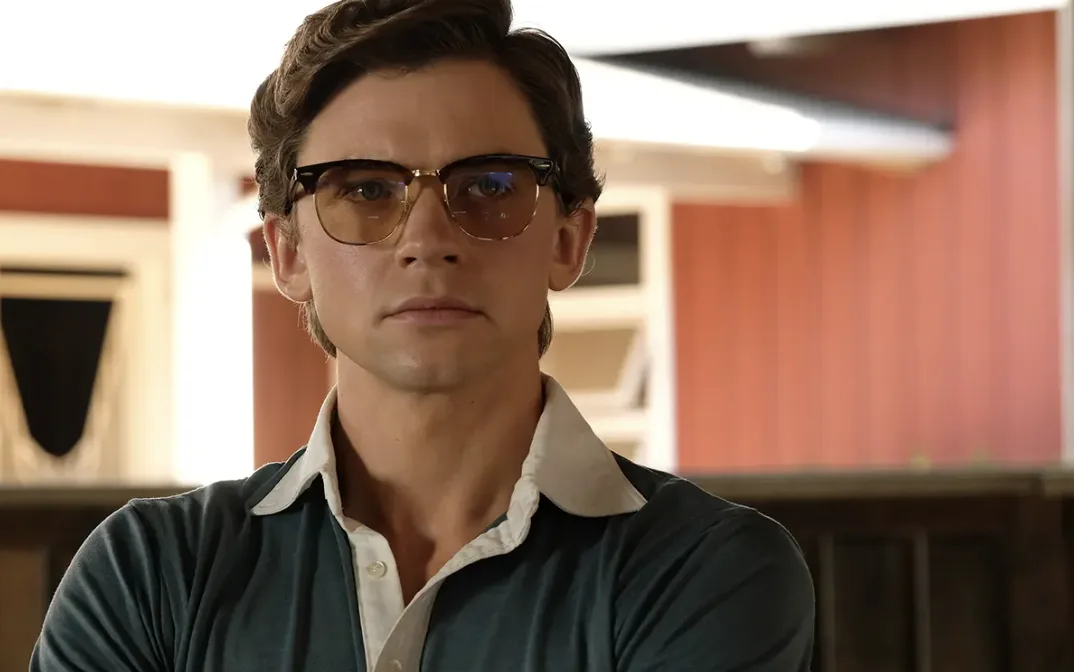
Robert still has the most direct connections to the Trawler investigation. He knew Katherine Latchford before her murder and lied about attending The Shining with her. His arrival in Bret’s life coincides with the period in which the Trawler becomes an obsession, and his personal history contains enough unanswered questions to keep police interested in him.
Episode 9 does not clear him. Robert responds to Bret’s evidence with confidence, dismisses Aunt Abigail’s reliability and remains calm enough to turn the accusation back onto Bret. His composure can be read as innocence or manipulation.
The finale also adds a curious Robert connection that Bret does not notice. Shortly before Terry’s fall, Steven and Robert share a silent look. Jordan Roth told Entertainment Weekly that the exchange was unscripted but was deliberately allowed to linger in the finished episode, giving the impression that the two characters share some history viewers have not yet been shown.
That could become meaningful later, but it does not establish Robert as Terry’s attacker or the Trawler.
More importantly, Robert’s previous alibis have never been fully dismantled. The evidence around him is powerful enough to sustain suspicion, but still too contradictory to close the case.
Bret and Thom May Be More Dangerous Than They First Appeared
Bret enters the finale believing he is the person exposing danger, only to discover that Robert has been examining his life too. The unexplained disappearance of Bret’s parents, his fixation on violent crimes and Robert’s denial of their sexual encounter all make the season’s narrator less secure than he appeared in the early episodes.
The producers have confirmed that Bret’s possible Episode 8 hookup with Robert was partly intended to make the audience question his reliability. That does not automatically make Bret a murderer, but it means scenes filtered through his experience cannot always be treated as neutral evidence.
Thom’s case is different. He has become increasingly unstable since Susan ended their relationship, threatening her with a knife before later proposing that they remain together. When Susan is attacked by a masked intruder, Thom conveniently appears afterward and claims to have fought the Trawler off.
He has no obvious injuries, and the attacker he supposedly throws from the balcony disappears.
Simpson and Nina Jacobson have specifically left open the possibility that Thom was impersonating the Trawler during Susan’s attack. If that proves true, Thom could be responsible for a major finale crime without being the serial killer responsible for Katherine and Matt. That difference may be the key to solving the television version.
Steven Has Motive and Secrets, but Very Little Murder Evidence
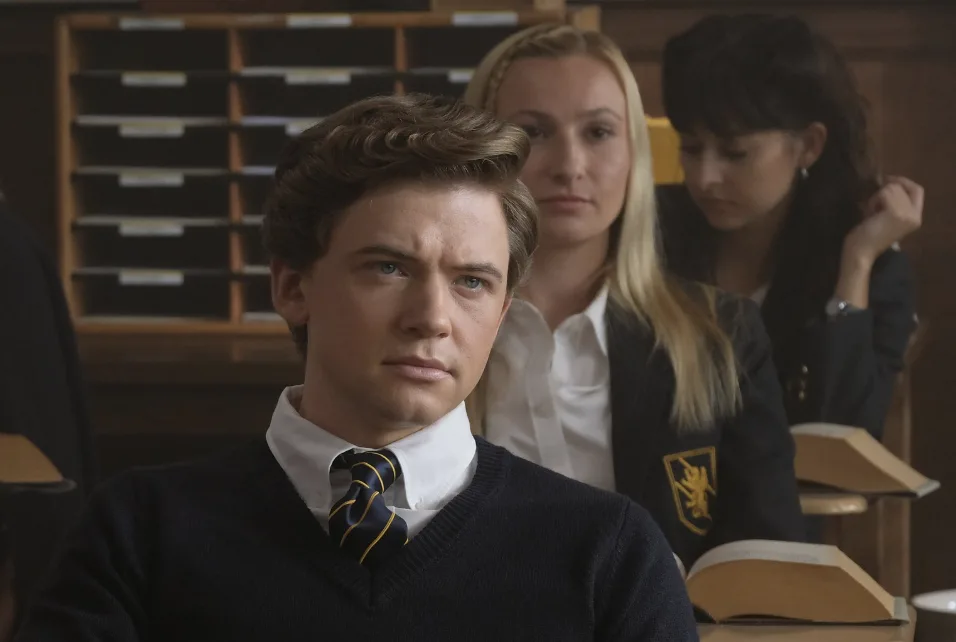
Steven enters the final suspect lineup because he has spent the season collecting secrets and using them to move people around like pieces on a board. He blackmails Liz, manipulates Terry and understands far more about the Schaffer household than Terry realizes.
His behavior immediately after Terry’s fall does him no favors. While everyone else reacts to the bloody scene, Steven observes that Terry may have crossed the wrong person. The earlier look between Steven and Robert adds another layer of suspicion.
Jordan Roth has said he views Steven as capable of almost anything and describes him as someone constantly gathering information he can exploit later. That makes Steven dangerous, but the finale still provides no physical evidence linking him to Katherine, Matt or Rhonda.
The same caution applies to Debbie, Liz and Ryan. Each has secrets, but being included in the interrogation room is not itself proof of involvement in the Trawler killings.
Who Is the Trawler in Bret Easton Ellis’ Book?
The novel provides more information than Season 1 does, but even it refuses to give the Trawler a simple name and face. Robert eventually dies after a violent confrontation with Bret, seemingly allowing Bret to believe his theory has been vindicated. The killings, however, do not end immediately with Robert.
Another victim is discovered after Robert’s death, and a message attributed to the Trawler claims responsibility for the murders. The sender describes Robert as “the God” and presents the killings as sacrifices made in his honor. That revelation undermines Bret’s central claim that Robert personally carried out the Trawler murders. The message also denies responsibility for the attack on Susan and Thom.
That detail becomes especially troubling when Susan later notices a bite mark on Bret’s arm corresponding to where she bit her masked attacker. Her suspicion turns toward Bret, although the book preserves enough uncertainty around Bret’s narration that the complete truth remains disputed.
So the novel does not end by identifying Bret as the Trawler either. Instead, it separates the crimes that Bret has spent the story trying to force into one theory.
Robert may have inspired or attracted the real Trawler without being the killer. Bret may have committed violence of his own without being responsible for the established serial murders. Other people may have participated in acts Bret incorrectly groups together.
The TV Series Is Pointing Toward Multiple Answers
The television finale appears to be moving toward the same basic idea while changing the route considerably. The question may no longer be “Which one of these people is secretly responsible for everything?” but “Which crime belongs to which person?”
Robert remains tied to Katherine. Bret’s version of events is increasingly unstable. Thom has a plausible reason to stage Susan’s attack. Steven has motives surrounding Terry. The Riders of the Afterlife remain another unresolved element capable of connecting several events without requiring one mastermind.
The show’s producers are already developing ideas for a potential continuation, although FX has not officially renewed the series. Their comments after the finale indicate that the multiplicity of suspects is intentional rather than something Episode 9 forgot to resolve.
For now, there is no confirmed Trawler identity in the television adaptation. The book cannot simply supply that answer either because its mystery ultimately depends on separating Robert, the unseen killer and Bret’s own potentially violent actions.
Bret has spent months trying to turn scattered shards into one picture. The finale’s strongest clue may be that they were never pieces of the same picture in the first place.