Where Is John Nixon Now? The Real CIA Analyst Behind High Value Target
Joel Kinnaman’s John Nixon enters “High Value Target: The Hunt for Saddam” as the sort of intelligence officer who knows far more about Saddam Hussein than his position in Washington allows him to use. The early episodes push him out of that analytical world and into Iraq, setting up the encounter that would ultimately define…
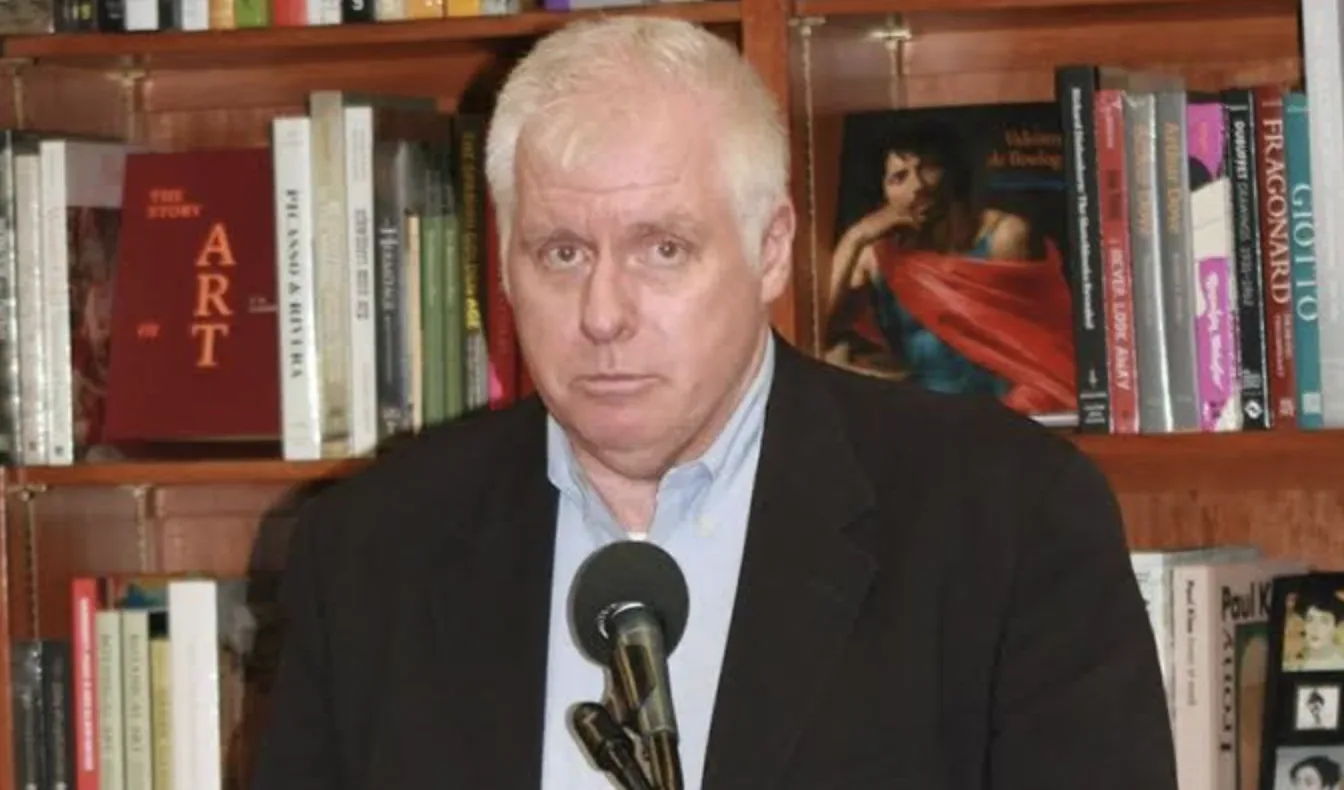
Joel Kinnaman’s John Nixon enters “High Value Target: The Hunt for Saddam” as the sort of intelligence officer who knows far more about Saddam Hussein than his position in Washington allows him to use. The early episodes push him out of that analytical world and into Iraq, setting up the encounter that would ultimately define his career. More than two decades later, the real Nixon has not disappeared from discussions about the Iraq War. He left the CIA years ago, became an author and international risk specialist, and has returned to public attention in 2026 as the man whose memories inspired TNT’s series.
Related: Is Captain Samir in High Value Target Based on a Real Person?
John Nixon left the CIA in 2011
Nixon spent more than a decade at the Central Intelligence Agency, serving as a senior leadership analyst from 1998 until 2011. His specialty was political leadership, and Saddam became one of the figures he studied long before American forces captured the former Iraqi president. Nixon also completed several assignments in Iraq, briefed senior levels of the U.S. government and later taught leadership analysis at the CIA’s Sherman Kent School.
His career is sometimes reduced to the interrogation depicted in “High Value Target,” but his experience with Saddam did not begin in that room. Nixon had spent years assessing the Iraqi leader from intelligence reports and other material, which is precisely why he was useful after the capture. His first task was helping determine whether the prisoner was actually Saddam rather than one of the body doubles intelligence officials had long discussed. He then became the first CIA officer to conduct an extended interrogation of him.
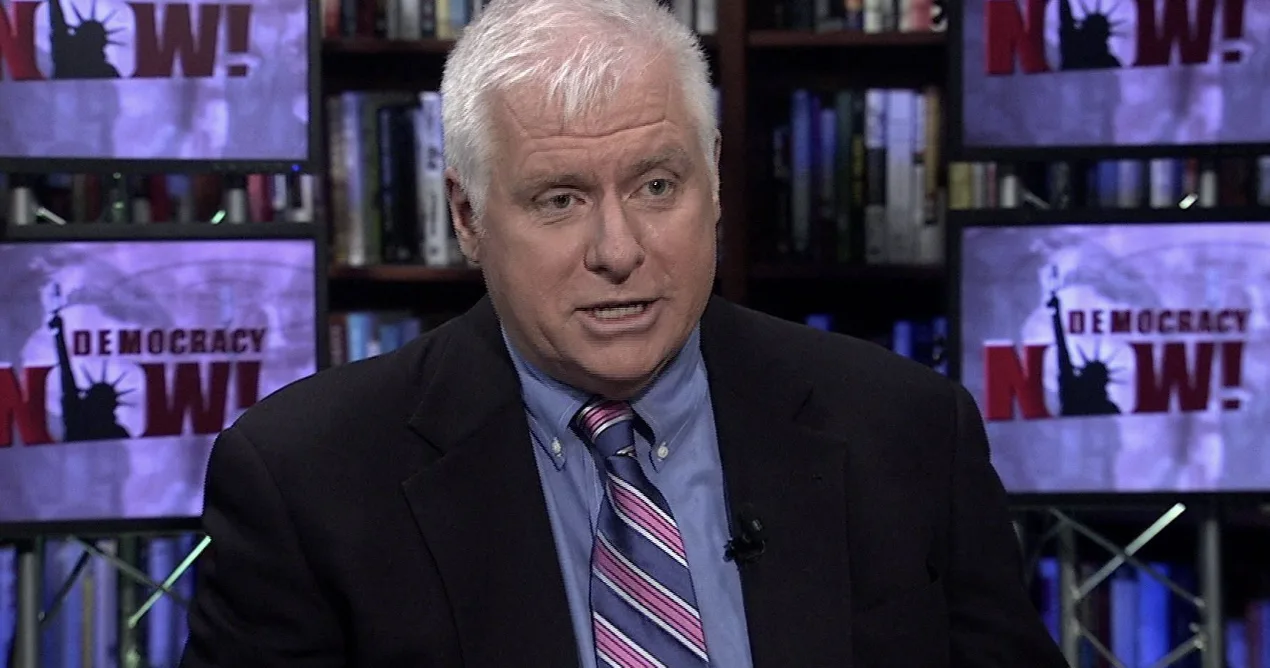
What did Nixon do after leaving the agency?
After departing the CIA in 2011, Nixon moved into international risk work. His current biography at The Cipher Brief describes him as an international risk consultant who has worked in Abu Dhabi, United Arab Emirates, after his government career. Another biography from the World Affairs Council says he was based there until 2015, advising clients on political and security risks across the Middle East.
Nixon also began speaking publicly about an intelligence career that had previously required considerable secrecy. He has written commentary on national security and Middle Eastern politics and has appeared across television and documentary projects discussing Iraq, Saddam and American intelligence. His participation in the acclaimed BBC documentary “Once Upon a Time in Iraq” was particularly relevant to the story TNT is now dramatizing, since Nixon discussed his encounters with Saddam directly rather than through an actor or scripted reconstruction.
Debriefing the President changed Nixon’s public profile
Nixon became far better known outside intelligence circles after publishing “Debriefing the President: The Interrogation of Saddam Hussein.” The book recounts both his interrogation of Saddam and his later experience briefing President George W. Bush. Rather than presenting his time with Saddam simply as an intelligence victory, Nixon used the book to examine how American assumptions about the Iraqi government differed from what he learned once he could question Saddam directly.
Those conclusions were often uncomfortable. Nixon came away believing Saddam had been far more detached from some areas of Iraqi government than U.S. analysts expected, while the former president’s priorities did not always match the picture Washington had constructed before the invasion. Nixon has also been openly critical of the way policymakers consumed intelligence during the Bush administration. Those arguments are a major reason his story lends itself to more than a straightforward military thriller, and they remain central to his public interviews today.
Nixon helped bring High Value Target to television
Nixon did more than sell the rights to his story and watch somebody else interpret it. He is credited as an executive producer on “High Value Target,” and he was involved while Kinnaman prepared to portray him. Nixon visited the production in Cairo and spent considerable time speaking with the actor before and during filming. Kinnaman has said he approached the role by trying to understand Nixon’s analytical personality as well as his experience inside an institution where facts and political expectations did not always align.
Watching his own history dramatized has also put Nixon in an unusual position. He has been candid that the series takes liberties, but he believes the interrogation material often captures what happened remarkably closely. In a 2026 interview, he recalled seeing Kinnaman recreate the moment he identified Saddam and being struck by how closely the actor reproduced his own reaction. Nixon also praised Waleed Zuaiter’s interpretation of Saddam, particularly the small behavioral details that reminded him of the prisoner he questioned in 2003.

Where is John Nixon today?
Nixon remains active as a commentator on intelligence and Middle Eastern affairs rather than living completely outside public life. The Cipher Brief published new interviews with him in September 2026, timed around the arrival of “High Value Target,” and continues to identify him as a former senior CIA analyst and international risk consultant. Publisher information has listed his home as Alexandria, Virginia, although his professional work has included substantial time in Abu Dhabi.
He has also continued researching Saddam long after completing “Debriefing the President.” A recent World Affairs Council biography states that Nixon began working on a full biography of the former Iraqi leader, extending a subject that has occupied a significant part of his professional life. That makes the TNT series less of a return to a forgotten chapter than another stage in Nixon’s continuing examination of it.
For viewers meeting him through Joel Kinnaman, the most significant difference between the television character and the real man may simply be the endpoint. “High Value Target” follows Nixon toward the moment that made him part of the historical record. The real Nixon has spent the years since then trying to explain what he believes American intelligence learned from Saddam, and why much of that information came too late to change the decisions that had already been made.