Is Captain Samir in High Value Target Based on a Real Person?
Among the people John Nixon encounters after arriving in Iraq, Captain Samir quickly becomes more than the man assigned to translate his conversations. Played by Dar Salim, Samir understands the country, the danger of moving through Baghdad and the human consequences of Saddam Hussein’s rule in ways Nixon simply cannot from an intelligence report. Their…
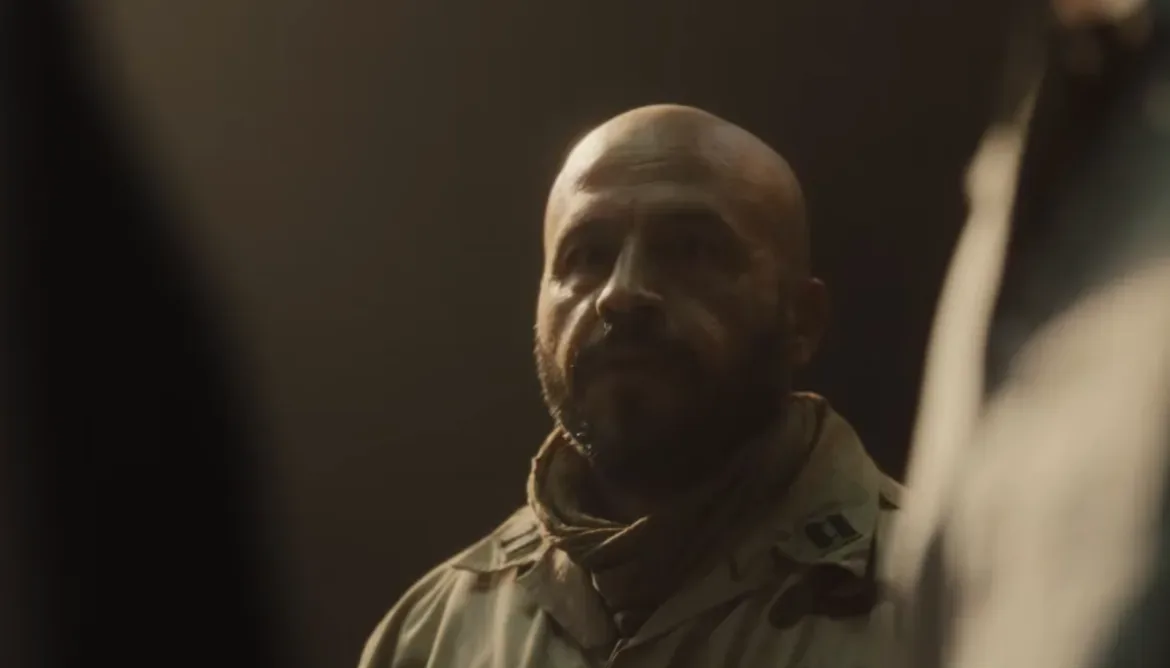
Among the people John Nixon encounters after arriving in Iraq, Captain Samir quickly becomes more than the man assigned to translate his conversations. Played by Dar Salim, Samir understands the country, the danger of moving through Baghdad and the human consequences of Saddam Hussein’s rule in ways Nixon simply cannot from an intelligence report. Their partnership gives the early episodes of “High Value Target: The Hunt for Saddam” some of their most grounded material, particularly once Nixon begins pursuing leads outside the relative safety of the American compound. There is also something unusually specific about Samir’s presence in the story. The real hunt for Saddam included an Iraqi-American translator named Samir who played a remarkable role in the operation, although the television character should not be treated as a precise recreation of him.
Related: Is High Value Target: The Hunt for Saddam Based on a True Story?
Captain Samir appears to have a real-life counterpart
The strongest real-life parallel is Samir Al Jassim, an Iraqi refugee who returned to his homeland as a translator working alongside American forces. The BBC documentary series “Once Upon a Time in Iraq” later identified Al Jassim as a volunteer translator who was directly involved in Saddam Hussein’s capture. Years earlier, CNN interviewed the same translator extensively about his experiences with U.S. Special Forces and his presence on the night Saddam was found. Those details make the resemblance to Dar Salim’s character difficult to dismiss. However, neither TNT nor the show’s creators have publicly confirmed that Captain Samir is intended as a completely factual portrayal of Samir Al Jassim, so the safest reading is that the character is at least inspired by the real translator and may contain fictional or composite elements.
That distinction is especially important with “High Value Target.” The series is inspired by Nixon’s memoir rather than presented as a documentary, and even Nixon’s television counterpart has been lightly fictionalized. Nixon acknowledged in a recent interview that some scenes were dramatized, while critics who reviewed the complete season have pointed to significant invention among the supporting characters. Samir therefore belongs in a gray area where the historical foundation is very real, but every piece of his television biography cannot automatically be transferred to Al Jassim.
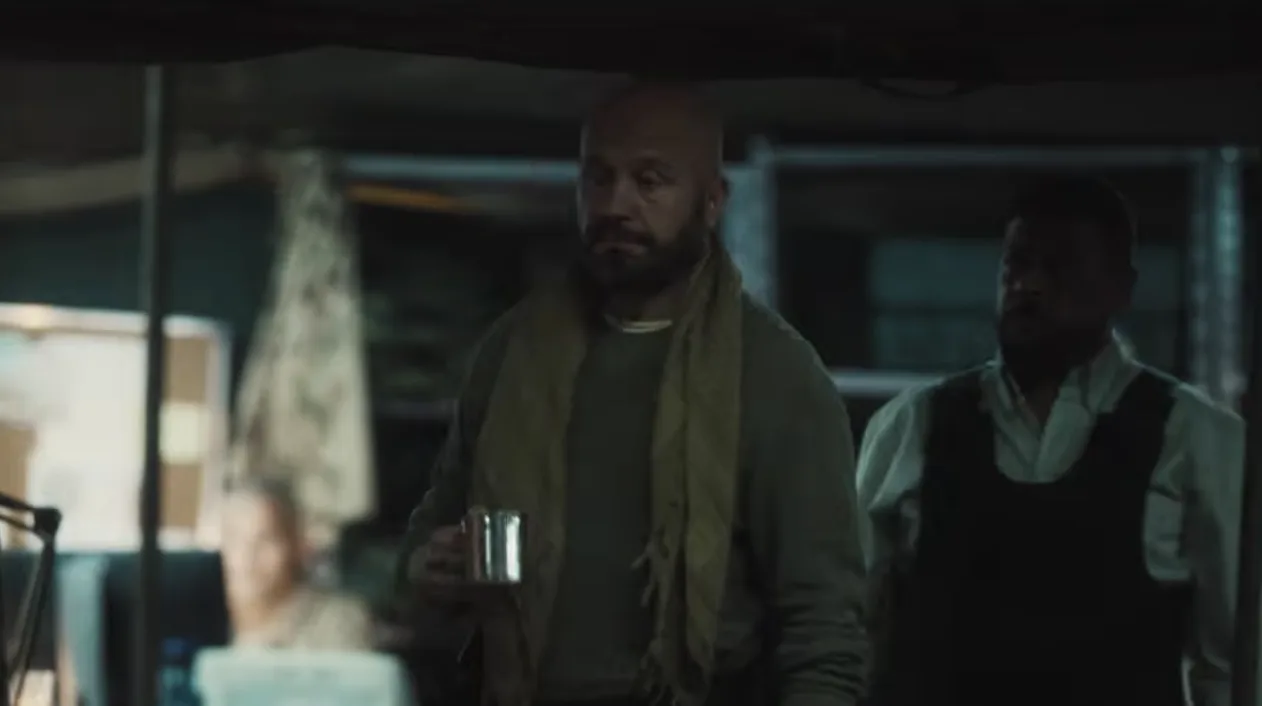
Who was the real Samir Al Jassim?
Al Jassim had a deeply personal reason for returning to Iraq. He fled the country in 1991 and eventually reached the United States as a refugee, settling in the St. Louis area and becoming an American citizen. When the United States invaded Iraq in 2003, he volunteered to work as an Arabic translator because he believed his language skills could help American forces. His assignment eventually brought him to Tikrit with U.S. Special Forces participating in the search for Saddam.
His return also meant seeing the family he had left behind. In his 2004 account to CNN, Samir recalled arriving in Nasiriyah and realizing that he had returned to the region he had been forced to leave years earlier. American personnel arranged for him to see his parents and relatives before his work later took him north. That personal history gives useful context to why an Iraqi translator could occupy such a complicated position during the invasion, working alongside American troops while still carrying memories of Saddam’s government and the country he had left.
Samir really was there when Saddam Hussein was found
The most extraordinary part of Al Jassim’s story came on December 13, 2003, during the operation that ended the months-long hunt for Saddam Hussein. Samir told CNN that American forces had obtained information leading them to a farm near Tikrit, but an initial search failed to uncover the former Iraqi president. A captured associate then indicated where the concealed opening was located. Once Saddam emerged from the underground hiding place, Samir said he immediately recognized him and translated as the soldiers demanded his identity.
Samir’s account goes considerably further than simply saying he witnessed the arrest. He said he helped grab Saddam as the soldiers pulled him from the hole and repeatedly told the Americans that they had found the man they were searching for. He later recalled confronting Saddam directly, with the encounter becoming intensely personal because of what he believed the dictator had done to Iraq and to families such as his own. Contemporary Associated Press reporting also described Samir as the civilian translator who helped pull Saddam from his hiding place.
Is Dar Salim’s Samir exactly the same person?
Probably not in every detail. The first two episodes already position Samir as a recurring partner for Nixon, with TNT’s official description saying he is assigned as Nixon’s translator while the CIA analyst searches Baghdad for people who may know Saddam’s whereabouts. The real Al Jassim certainly worked as a translator and participated in the hunt, but available historical accounts do not establish that he accompanied Nixon through all of the situations dramatized by the show.
That is where “High Value Target” appears to be doing what historical dramas frequently do with secondary figures. A real person can provide the foundation for a character while the writers expand his involvement so that viewers have a consistent face connecting several parts of the story. There may also be experiences from other Iraqi interpreters and soldiers folded into Samir’s television storyline. Without an explicit statement from the creators, identifying every scene as something Al Jassim personally experienced would go beyond the available evidence.
What can be said confidently is that the idea behind Samir is not invented from nothing. An Iraqi refugee named Samir Al Jassim really did return to Iraq as a translator, really did work with American forces searching for Saddam and really was present when Saddam Hussein was pulled from his hiding place. Dar Salim’s character appears to draw strongly from that history, even if “High Value Target” reshapes it for the larger relationship between Samir and Nixon. That real connection makes Samir one of the show’s more intriguing characters, particularly because the history behind him is remarkable enough without television embellishment.