Tuner Ending Explained: What Happens to Niki, Ruthie and Uri?
Daniel Roher’s Tuner has just reached a much wider audience after making its streaming premiere on Paramount+ on September 21, 2026. The thriller stars Leo Woodall as Niki, a gifted New York piano tuner whose extreme sensitivity to sound gives him an unexpected ability to open safes, while Dustin Hoffman plays his mentor Harry and…
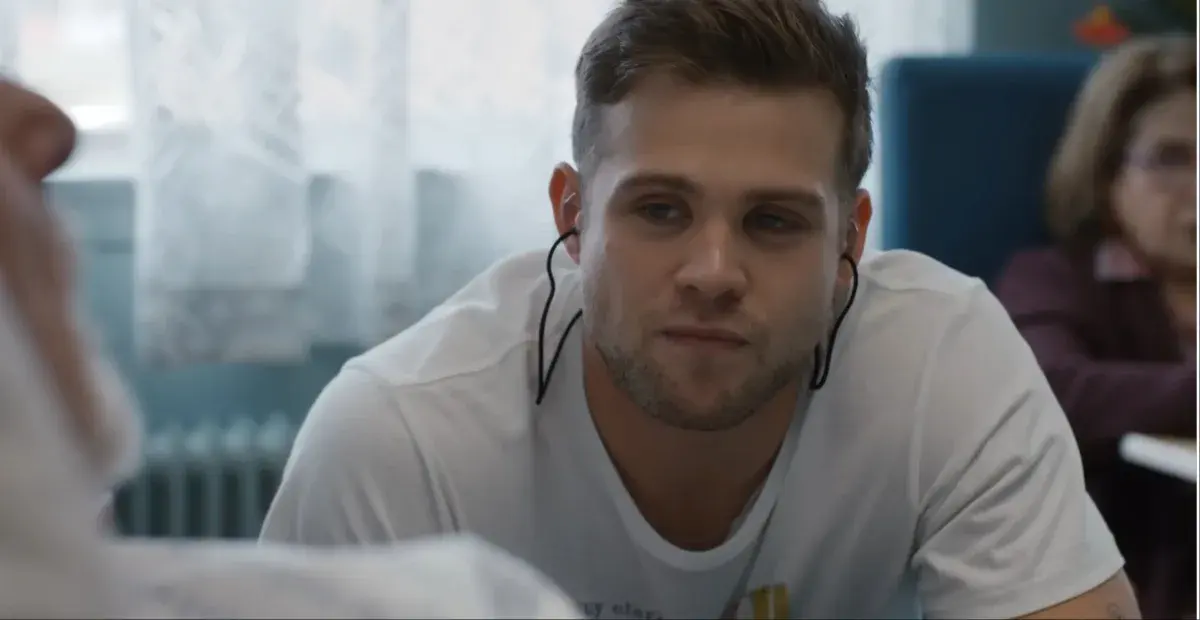
Daniel Roher’s Tuner has just reached a much wider audience after making its streaming premiere on Paramount+ on September 21, 2026. The thriller stars Leo Woodall as Niki, a gifted New York piano tuner whose extreme sensitivity to sound gives him an unexpected ability to open safes, while Dustin Hoffman plays his mentor Harry and Havana Rose Liu stars as Ruthie. After festival screenings at Telluride, Toronto, Sundance and the BFI London Film Festival, the film is now available to Paramount+ subscribers.
What begins as an intimate story about music gradually pulls Niki into a dangerous criminal world built around the very condition that ended his original dream. Hyperacusis makes ordinary sounds painfully intense and pushes him away from performing piano, but it also allows him to hear the internal movements of combination locks. By the ending, Niki has lost Harry, betrayed Ruthie’s trust and put himself in danger over a stolen watch that carries far more emotional significance than he initially understands.
Also Read: Who’s Watching Ending Explained: Who Was Really Watching Caleb?
Why Does Ruthie Find Out Niki Is a Thief?
Niki’s relationship with Ruthie begins through music, which makes the way his secret is exposed particularly painful. Ruthie is preparing for an important performance in front of celebrated composer Marius Maissner, hoping that he might offer her a professional opportunity. Niki gives her an expensive watch without admitting that he took it during one of the robberies carried out with Uri’s group.
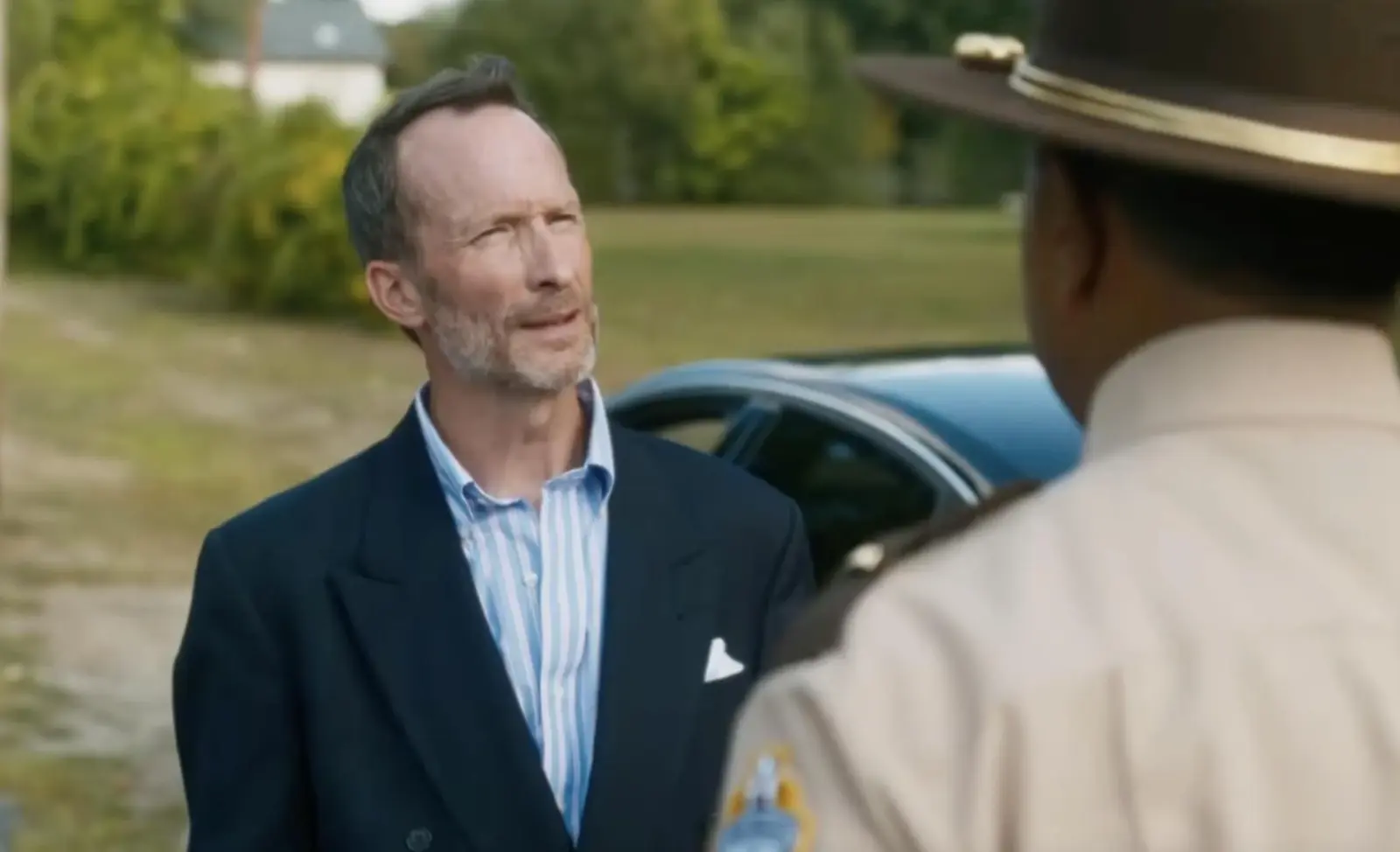
The problem becomes clear immediately after Ruthie’s performance. Maissner recognizes the watch because it belonged to his grandmother, whose family history is tied to the Holocaust, and tells Ruthie that it was stolen from him. When Ruthie explains that her boyfriend gave it to her, Niki’s hidden life finally becomes impossible to conceal.
Niki eventually admits the truth after initially trying to avoid a full confession. Maissner also reveals that another family watch was taken during the same robbery, leaving Niki with one possible way to repair some of the damage. He promises to recover the second watch, and Maissner agrees to give him that opportunity instead of immediately involving the authorities.
Why Does Niki Go Back to Uri?
Niki returns to Uri’s warehouse because the second Maissner watch is still there. By this point, he is not trying to steal money or participate in another job. He wants the watch because returning it is his only realistic chance to make things right with Maissner and remove Ruthie from the consequences of something she never knew about.
Niki sneaks into the warehouse during a loud party and manages to open the safe containing the watch. He is discovered before he can leave, and Uri is furious that Niki has returned after trying to separate himself from the group. Niki insists that he wants only the watch and explains why the object has such enormous personal importance to Maissner.
That explanation matters to Uri because his own family also carries Holocaust history. The film does not give Uri a long speech explaining every part of his decision, so some interpretation is necessary here. However, his reaction makes it clear that the meaning of the watch affects him in a way money alone would not.
Does Niki Go Deaf at the End of Tuner?
Niki does not become completely deaf, but his hearing is permanently damaged. During his confrontation with Uri, an extremely loud sound is used against him at close range, something particularly harmful because of Niki’s existing sensitivity. When he later wakes in the hospital, it becomes clear that he has lost a significant amount of hearing, particularly on one side.
The outcome creates one of the ending’s central ironies. Hyperacusis had made Niki’s hearing exceptionally sensitive, giving him the ability to tune instruments and eventually open safes, but it had also made performing piano almost impossible because normal levels of sound could become overwhelming. After the injury, he can no longer hear with the same precision, but the unbearable sensitivity that ruled his life has also been reduced.
The ending should not be understood as Niki being magically cured by hearing loss. He has suffered permanent damage, and his relationship with sound has fundamentally changed. What changes is the physical barrier that had kept him away from performing, creating the possibility that he can approach music differently from the way he did before.
Why Does Uri Give Niki the Watch Back?
When Niki is discharged from the hospital, the missing watch is among his belongings. The film never explicitly shows Uri placing it there, but the clear implication is that Uri ultimately allows Niki to keep it rather than taking it back. The decision follows Niki’s explanation that the watch belonged to Maissner’s family and survived as a personal connection to relatives lost during the Holocaust.
Uri’s decision does not suddenly make him Niki’s friend, nor does it erase what happened between them. Instead, it reveals one unexpected boundary within a criminal world normally driven by money. By returning the watch, Uri effectively gives Niki the one thing he needs to close that part of his life and attempt to repair some of the harm he caused.
What Happens to Harry?
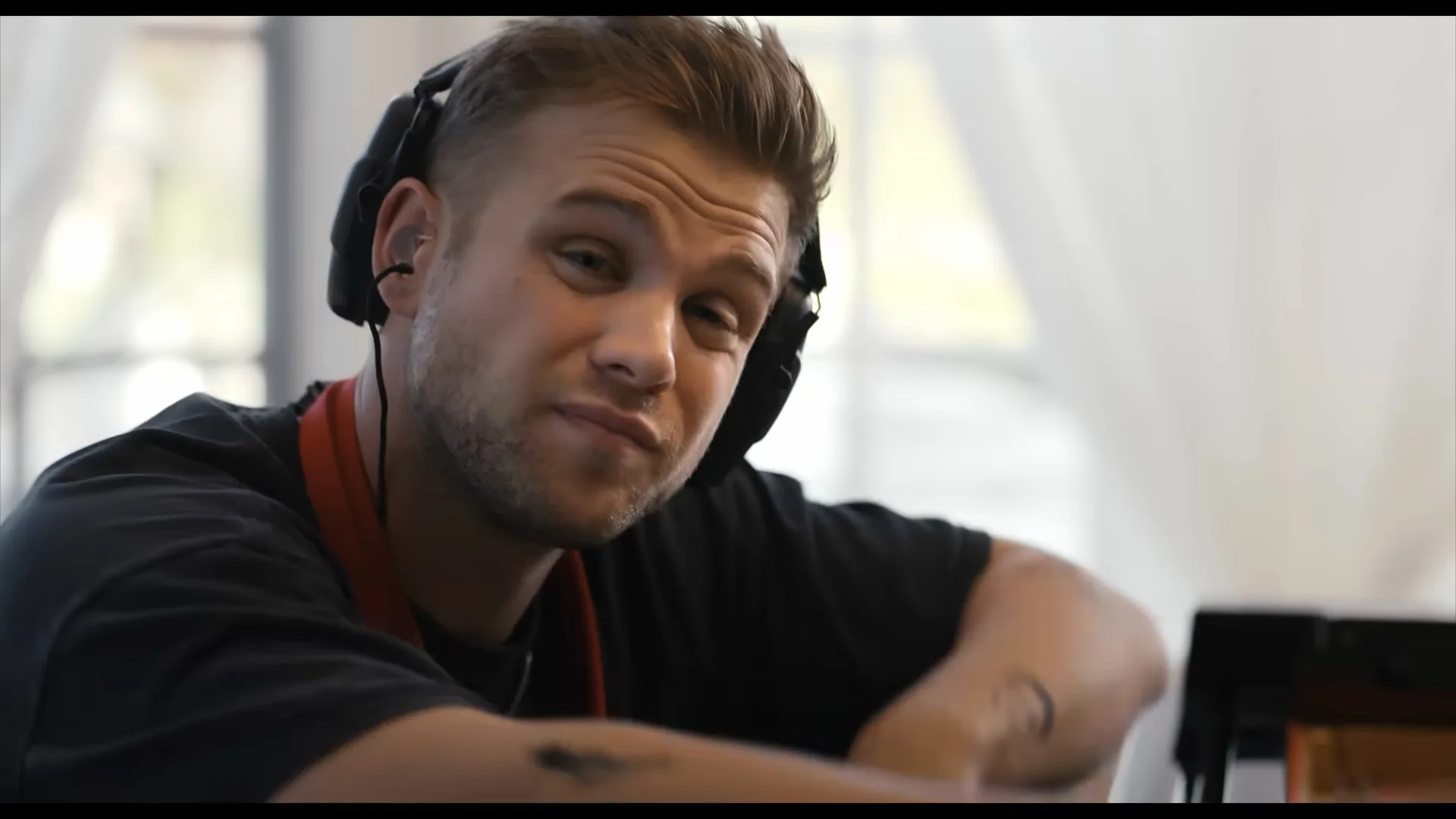
Harry dies before Niki’s final attempt to break away from Uri. His declining health had already become one of Niki’s main justifications for taking criminal work, because Niki secretly used money from the robberies to help with Harry’s medical expenses. Harry’s death therefore leaves Niki without the person he had been using, at least partly, to justify continuing down that path.
Harry is more than Niki’s employer throughout the film. He is a mentor and father figure who gives Niki a way to remain close to music after hyperacusis destroys the future he imagined as a performer. Losing Harry strips away the emotional excuse behind Niki’s choices and forces him to decide what kind of life he wants when there is no longer anyone else he can claim to be doing it for.
The ending also quietly brings one of Harry’s early lessons back into the story. Harry, whose own hearing is declining, understands that piano tuning is not entirely about hearing every sound perfectly. That idea becomes particularly meaningful once Niki himself can no longer rely on the extraordinary hearing that has defined him.
Does Maissner Forgive Niki?
Niki successfully returns the second watch to Maissner after leaving the hospital. Maissner had expected that Niki might fail or disappear, so seeing him return with the family heirloom demonstrates that he genuinely tried to correct what he had done. Maissner does not treat Niki’s earlier actions as acceptable, but he chooses mercy rather than destroying his future over them.
The moment is also important for Ruthie’s future. Maissner remains interested in her work, and she is later seen working with him rather than losing the opportunity because of Niki’s deception. Niki cannot undo the embarrassment and betrayal she experienced, but recovering the watch prevents his actions from continuing to damage her career.
Do Niki and Ruthie Get Back Together?
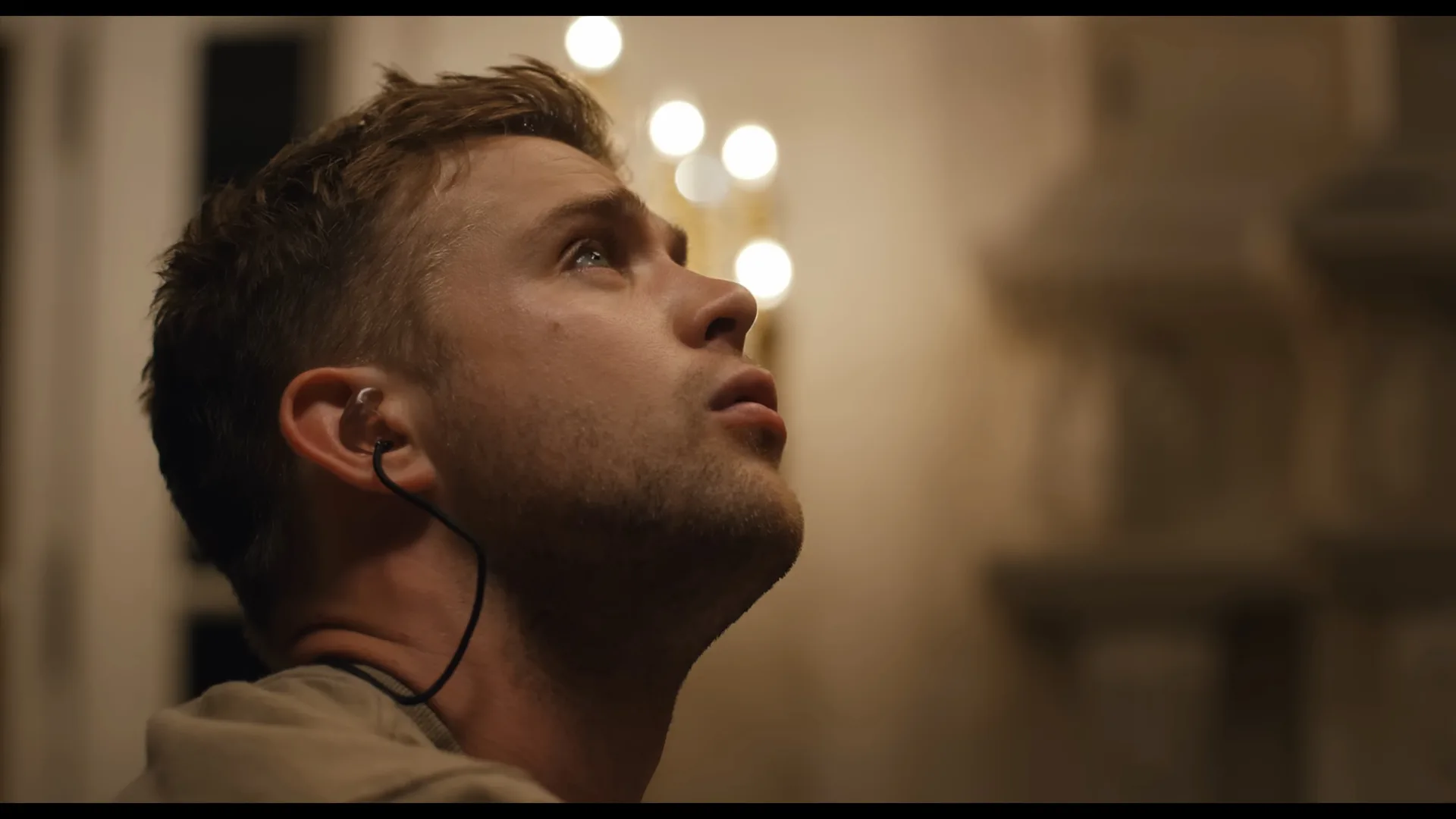
Tuner deliberately does not confirm that Niki and Ruthie immediately resume their relationship. When they meet again at Maissner’s home, Ruthie now knows everything he hid from her, and there has been too much damage for a simple romantic reconciliation. Their final interaction is warmer than their previous confrontation, but the film leaves their future open rather than giving them a conventional happy ending.
The important change is that Niki is no longer lying to her about who he is or what he has done. Ruthie also sees what has happened to his hearing and understands that he has paid a serious personal price for his choices. The ending gives them the possibility of reconnecting, but viewers are not told that they officially become a couple again.
Why Does Niki Play Piano in the Final Scene?
The final piano performance is the real emotional ending of Tuner. Niki was once talented enough to pursue life as a pianist, but hyperacusis forced him to abandon performing and turn music into something he repaired for other people instead. Throughout the film, Harry repeatedly tells Ruthie how gifted Niki once was, while Niki himself avoids proving it because playing has become connected to everything he lost.
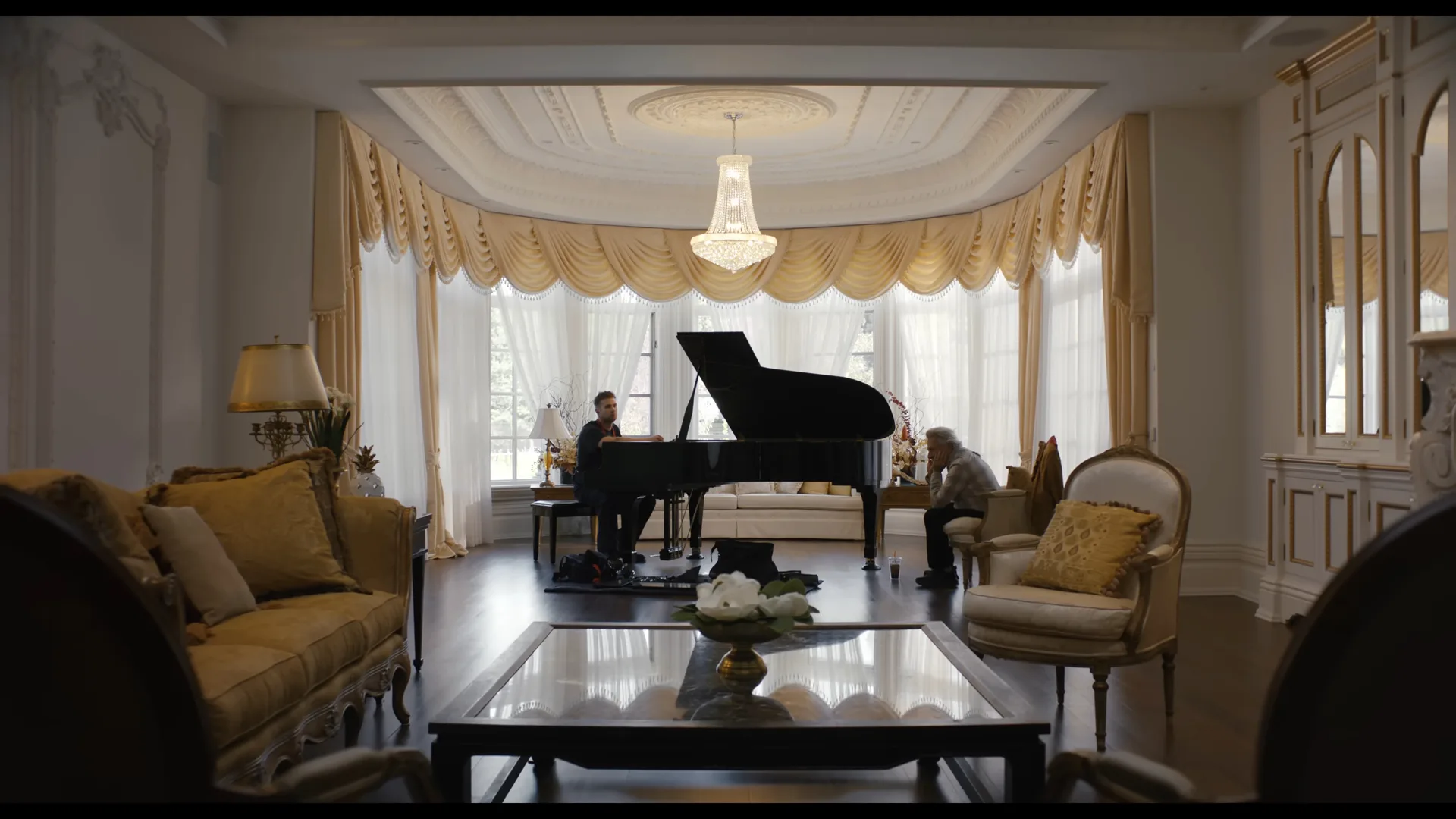
After Niki returns the watch, Maissner asks him to look at his piano because he is unhappy with its current tuning. Ruthie and Niki are then left together, and instead of simply examining the instrument, Niki begins to play. His reduced sensitivity now allows him to tolerate the sound of the piano in a way he could not before, and the performance releases the musical identity he had spent years suppressing.
The scene is not saying that everything has been fixed. Harry is gone, Niki’s hearing has permanently changed and his relationship with Ruthie still needs to be rebuilt. What the performance gives him is a way back to music that does not depend on becoming exactly the person he was before.
What Does “It Needs Tuning” Mean?
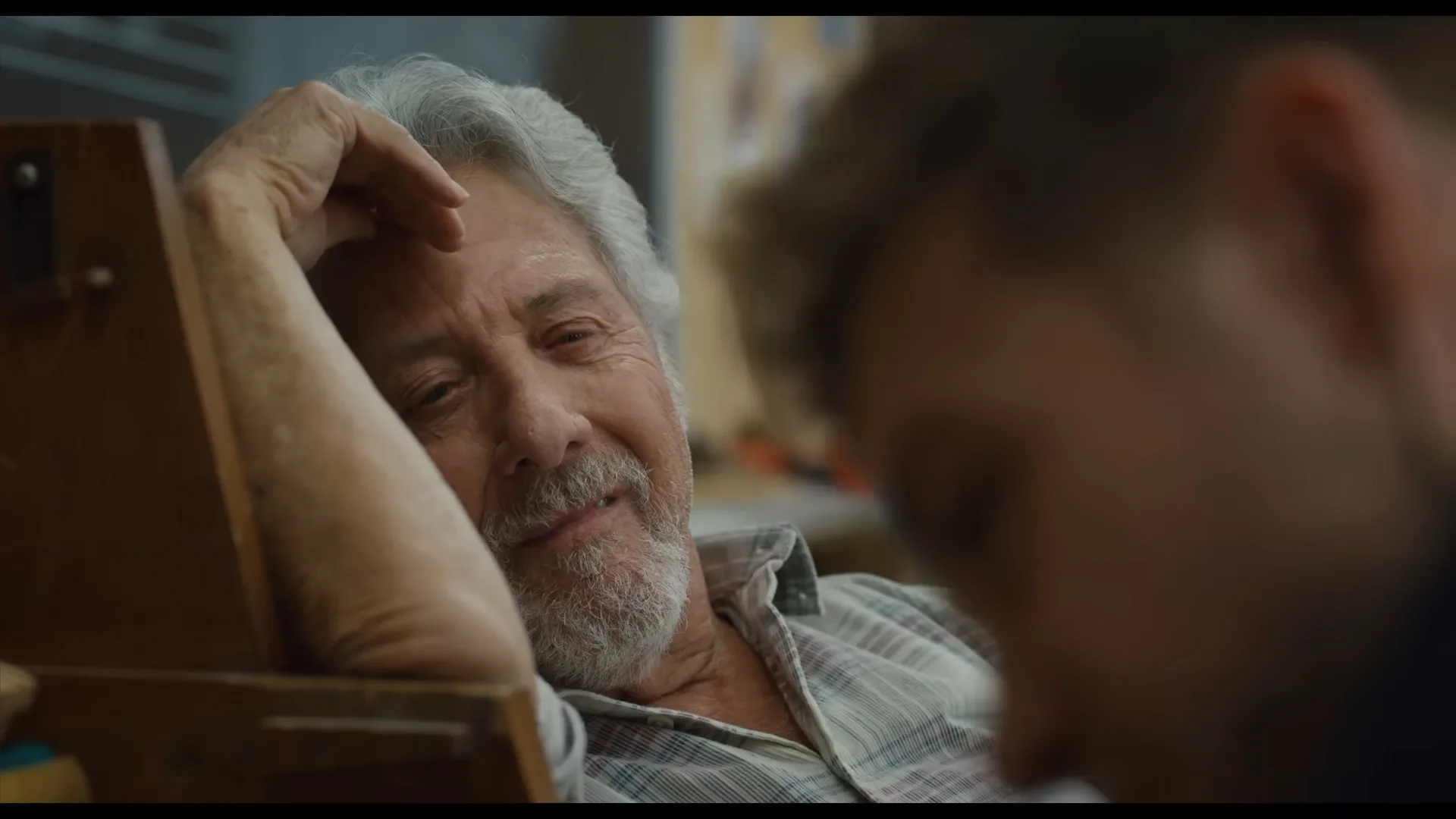
The film closes with Niki observing that the piano “needs tuning.” On the surface, it is the professional judgment of someone who has spent years listening for imperfections in instruments. Symbolically, however, it also describes Niki himself.
He is not restored to the person he was before the film. Harry is gone, Ruthie’s trust has been damaged, his hearing has changed and he cannot simply pretend that his time with Uri never happened. What he has gained is the possibility of adjustment rather than perfection, which is essentially what tuning has represented throughout the story.
Niki spends much of Tuner trying to escape the life he believes he should have had. The ending allows him to stop treating himself as something permanently ruined and instead accept that damaged things can still create harmony after being adjusted. His return to the piano is therefore less about recovering his old career than rediscovering the part of himself he thought he had lost forever.