Did Lizzie Borden and Maggie Really Become Suffragettes? Monster’s Ending vs. the True Story
Netflix’s Monster: The Lizzie Borden Story spends much of its season reshaping a familiar American case through the lives of women who felt restricted by the expectations of their time. That idea becomes especially important in the finale, which moves beyond Lizzie Borden’s trial and imagines what freedom might have looked like for Lizzie and…
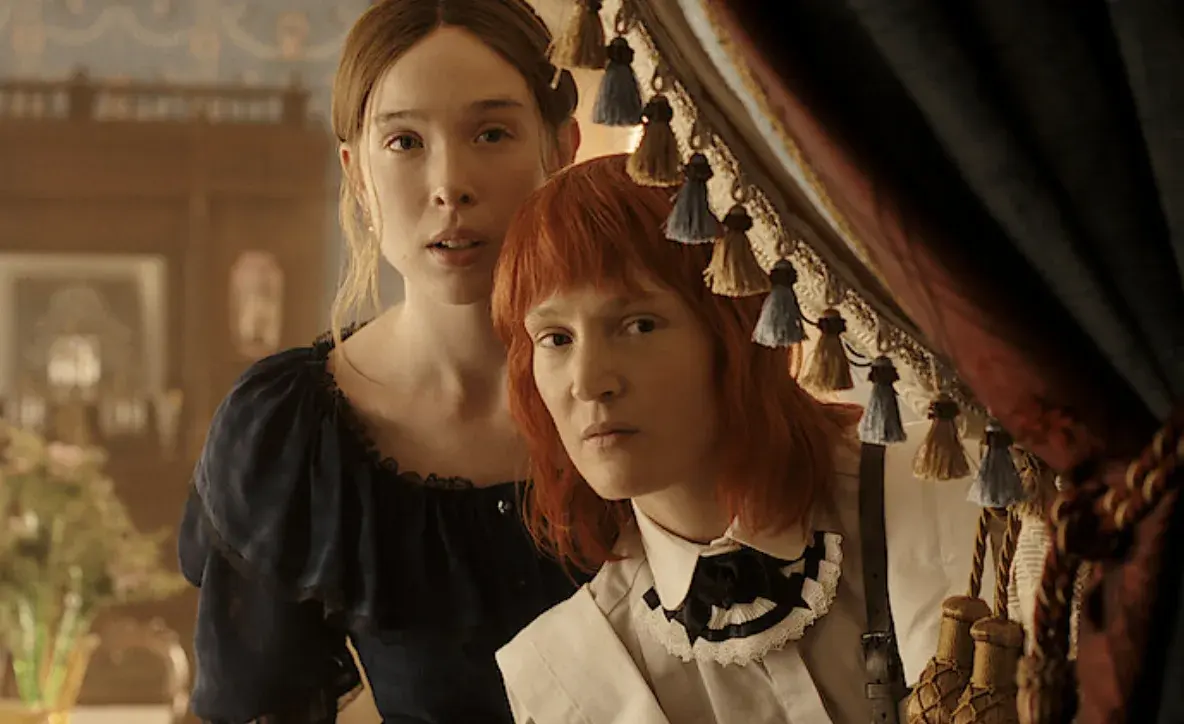
Netflix’s Monster: The Lizzie Borden Story spends much of its season reshaping a familiar American case through the lives of women who felt restricted by the expectations of their time. That idea becomes especially important in the finale, which moves beyond Lizzie Borden’s trial and imagines what freedom might have looked like for Lizzie and Bridget “Maggie” Sullivan after the events that made the Borden name famous.
The final episode gives Lizzie and Maggie an unexpectedly hopeful future together. After years of separation, Maggie returns to Lizzie, leaves behind the life she had tried to build elsewhere and begins living openly with her. The series then places both women inside the growing women’s suffrage movement, presenting political activism as the next stage of the independence they had spent their lives seeking.
It is a fitting conclusion for the version of Lizzie created by Monster. Historically, however, there is no reliable evidence that Lizzie Borden or Bridget Sullivan became suffragettes together.
Related: Monster: The Lizzie Borden Story Ending Explained: What Happens to Lizzie and Maggie?
Lizzie and Maggie Join the Suffrage Movement in Monster
By the later part of the finale, Monster has moved well beyond the immediate aftermath of Lizzie’s 1893 acquittal. Lizzie is living at Maplecroft, the more comfortable Fall River home she purchased with her sister Emma after the trial, while her reputation has grown into something larger than the woman herself.
Maggie eventually returns to her life for good. The series portrays their reunion as a personal liberation, but it also expands that idea into something public. Instead of continuing to live entirely in secrecy, Lizzie and Maggie become involved in the campaign for women’s voting rights.
The choice connects directly with one of Monster’s main themes. Throughout the season, Lizzie is depicted as a woman resisting the narrow life that Victorian society has prepared for her. The suffrage movement therefore gives the fictional Lizzie a cause that exists beyond her own household and allows the series to end her story with a sense of social change rather than isolation.
Was Lizzie Borden Really a Suffragette?
There is no established historical evidence that Lizzie Borden became an active suffragette.
That distinction matters because the timing makes the Netflix storyline appear plausible at first glance. Lizzie lived until June 1, 1927, meaning she was alive throughout the most important final years of the American women’s suffrage campaign. Massachusetts ratified the 19th Amendment on June 25, 1919, and the amendment became effective nationally in August 1920.
Lizzie therefore lived long enough to see women gain voting rights nationwide. But living through that period is not the same as participating in the movement.
Accounts of Lizzie’s later life tend to focus instead on Maplecroft, her interest in theater, her complicated relationship with Emma, her friendship with actress Nance O’Neil and her affection for animals. She was also associated with the Animal Rescue League of Fall River and left the organization a substantial amount of money in her will.
What is missing from the historical record is evidence placing Lizzie among organized suffrage campaigners. There is no well established record of her becoming a prominent activist, attending the major demonstrations associated with the movement or working alongside Bridget Sullivan for women’s voting rights.
For that reason, Monster’s suffragette storyline should be treated as a dramatic addition rather than a recovered piece of Lizzie Borden’s biography.
What Really Happened to Maggie Sullivan?
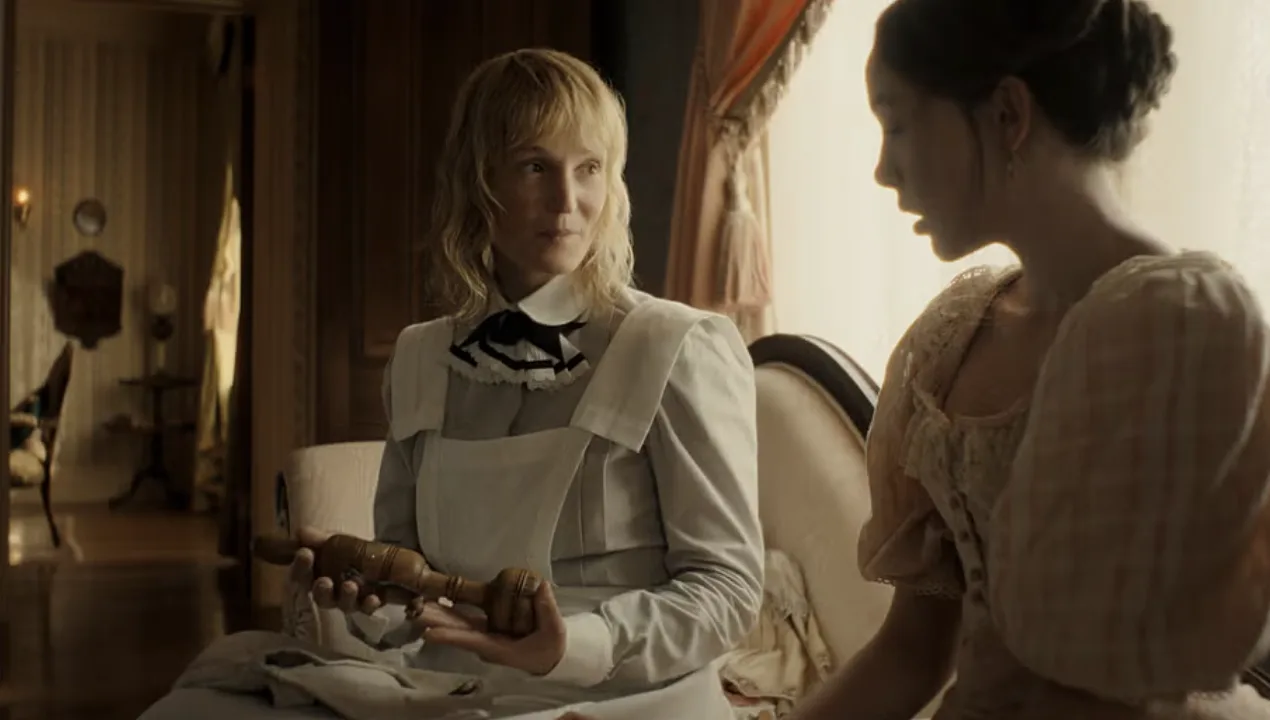
The real Bridget Sullivan’s life also moved in a very different direction. Sullivan had worked as the Borden family’s live-in domestic servant and became an important witness during the investigation and Lizzie’s trial. Monster turns Bridget, called Maggie in the series, into Lizzie’s closest companion and imagines a lasting romantic relationship between them. Historians, however, have found no firm evidence that such a relationship existed.
After the Borden case, Sullivan eventually moved west. She settled in Montana and married John M. Sullivan in 1905. She spent many years in Anaconda, Montana, and died there in 1948.
That makes the finale’s version of Maggie especially fictional. The real Sullivan did not return to Maplecroft to build a public life with Lizzie, and there is no known evidence that the two women reunited as suffrage activists.
The historical record instead suggests that their lives separated after the case that connected them.
The Suffragette Ending Has a Larger Meaning
Monster’s finale is less interested in recreating Lizzie’s documented later years than in completing the character arc created specifically for the series.
The fictional Lizzie begins the season with very little control over her future. Her father controls the household, social expectations shape her relationships and marriage is repeatedly presented as one of the few respectable paths available to her. Maggie becomes the person who introduces her to the possibility that life does not have to follow those rules.
The suffrage movement gives that idea a historical backdrop. By placing Lizzie and Maggie alongside women demanding political rights, the series turns their personal rebellion into part of a broader story about female independence.
It also explains why the finale jumps forward across so many years. The writers are showing that the social world surrounding Lizzie eventually changed, even if the real Lizzie’s personal involvement in that change cannot be demonstrated.
Did Lizzie Borden Live to See Women Win the Vote?
Yes. Lizzie Borden was still alive when the 19th Amendment became law in 1920 and remained alive for nearly seven more years.
Whether she personally voted or participated actively in the suffrage movement is a different question. The available historical record does not establish the kind of political involvement depicted in Monster, and the series should not be treated as evidence that she became a suffragette.
That makes the final sequence an example of Monster using a real historical milestone to complete a fictional character journey. Lizzie and Maggie becoming suffragettes works thematically for the Netflix drama, but the real women followed separate paths after the Borden case, and history does not confirm the activist partnership viewers see in the finale.