Who’s Watching Ending Explained: Who Was Really Watching Caleb?
For most of Who’s Watching, Caleb believes the camera belongs to him in every sense. He films coworker Krista without her consent, breaks into her private life, and edits what he records into a version of events where his obsession can still look like romance or filmmaking. The ending destroys that control. Tawnia, the film…

For most of Who’s Watching, Caleb believes the camera belongs to him in every sense. He films coworker Krista without her consent, breaks into her private life, and edits what he records into a version of events where his obsession can still look like romance or filmmaking. The ending destroys that control. Tawnia, the film student who becomes suspicious of Caleb, emerges as the crucial person watching the watcher, and the final act shifts Caleb from filmmaker to unwilling subject. Krista is no longer trapped inside the story Caleb has constructed about her either. By the final confrontation, the women have control of the image, while Caleb experiences the same exposure and helplessness he has imposed on others throughout the movie.
Also Read: Goody Goody Ending Explained: What Happened to Jayson and the Baby?
Why Was Tawnia Watching Caleb?
Tawnia begins paying closer attention to Caleb because his behavior toward women already makes her uncomfortable. She initially enters his world through his metal band, where she is helping with their video project, but she quickly recognizes that Caleb’s relationship with the camera goes far beyond ordinary filmmaking. He talks about women as subjects to be studied and repeatedly ignores boundaries that everyone around him can see. Tawnia even attempts to make him understand how threatening his behavior appears, but Caleb refuses to seriously examine himself. Her decision to observe him becomes important because she is one of the first people who recognizes that the supposedly awkward filmmaker is capable of becoming genuinely dangerous.
That concern proves justified as Caleb’s pursuit of Krista grows from uncomfortable workplace attention into stalking, hidden surveillance, home invasion, and eventually much more serious criminal behavior. The movie initially keeps viewers close to Caleb because almost everything is being presented through footage he controls. Tawnia changes that arrangement. Reviews from the film’s festival run specifically highlighted that Caleb’s actions eventually play out through both his camera and somebody else’s, with Tawnia becoming central to the reversal.
Why Does the Movie Suddenly Stop Following Caleb’s Camera?
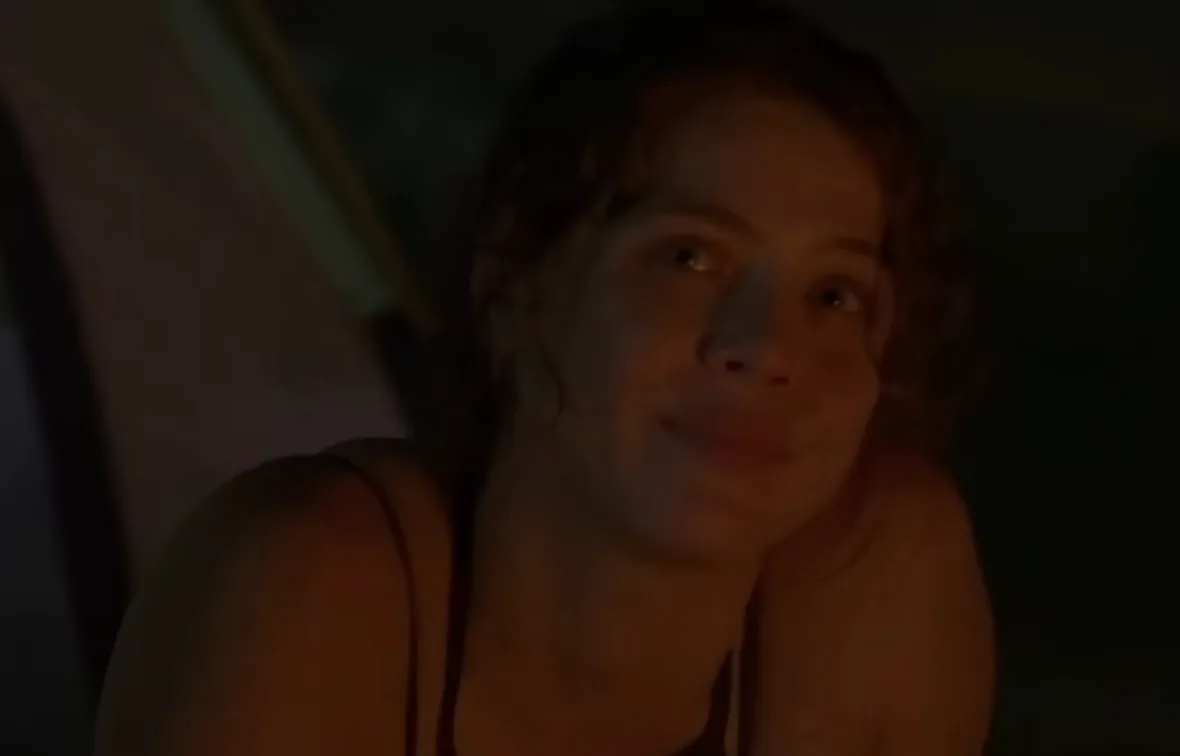
The perspective changes because Caleb is losing ownership of his own story. Writer-director Tim Kasher designed the different camera styles to represent different points of view, rather than using found footage simply as a visual gimmick. Kasher has explained that the film required certain scenes to be photographed multiple times from different perspectives and that he wanted those perspectives to feel as though they came from different people. When the movie pulls away from Caleb’s camera, it is therefore communicating something specific: Caleb is no longer the only person deciding what the audience sees.
That shift also exposes how unreliable the earlier movie has been. Kasher has described Caleb as both the apparent filmmaker and editor of his own material, which means he constantly chooses footage that presents himself in a more flattering way. His awkwardness can seem pathetic or even briefly sympathetic because Caleb is effectively curating his own character. Once another perspective takes over, he loses that privilege. The man who has turned Krista into an object for his documentary becomes an object inside somebody else’s footage.
What Happens to Caleb at the End?
Caleb ultimately finds himself exposed, restrained and filmed rather than remaining safely behind the camera. The scene deliberately appears to be building toward an extremely violent act of revenge when garden shears are brought near his genitals. Considering how far Caleb has gone in violating Krista’s privacy and autonomy, the setup encourages viewers to expect physical mutilation as punishment. That is not what happens. The threat is used to terrify and humiliate him, while the camera records Caleb in the kind of powerless position he has spent the film forcing onto other people.
The choice is more meaningful than a straightforward revenge killing would have been. Caleb’s power has always depended on controlling who gets seen, what gets recorded, and which version of an encounter survives afterward. Now he cannot control his body, the framing, or what happens to the footage. The ending does not need to physically castrate him because it attacks the fragile masculine identity he has been defending throughout the movie. His punishment is becoming the unwilling spectacle.
Why Don’t Krista and Tawnia Kill Caleb?
The ending is deliberately more interested in reversing Caleb’s methods than simply reproducing his violence. The women could hurt him physically, and the shears briefly make that possibility explicit, but Kasher stops short of turning the finale into a conventional torture-revenge sequence. Instead, Caleb is exposed and psychologically stripped of the authority he thought the camera gave him. One spoiler analysis of the film describes the choice as a rejection of violent retaliation in favor of leaving Caleb with the humiliation of having his own body and weakness documented.
That also prevents Caleb from becoming a martyr inside the narrative he has created for himself. Throughout the movie, he rationalizes his behavior, blames women for rejecting him, and even uses religious language to make his anger sound morally justified. If he were simply killed, he could remain the tragic hero of the imaginary story he tells about himself. Being filmed in a state of fear instead forces him into the position he never grants Krista: a person whose wishes no longer determine what the camera records.
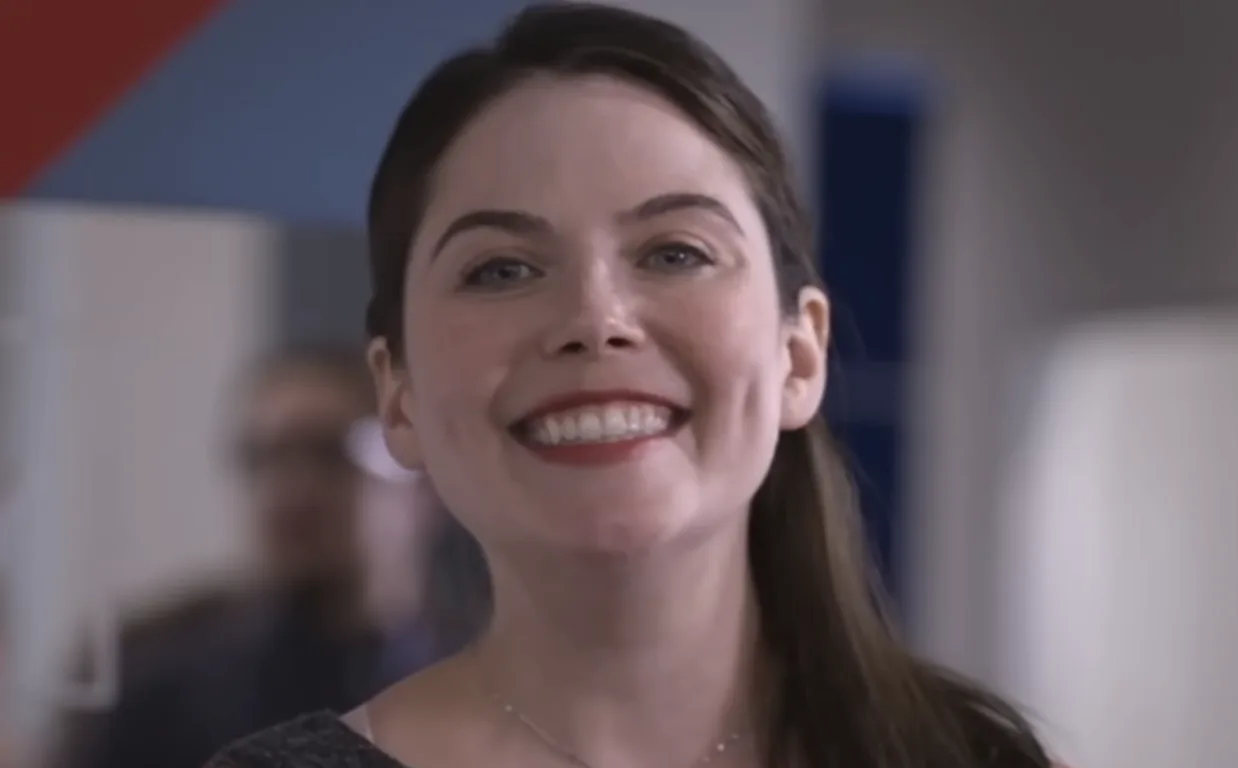
What Does the Title Who’s Watching Really Mean?
The title initially appears to refer to Caleb because he is constantly watching Krista. He follows her, records her from outside her home, plants cameras inside, and treats ordinary moments of her life as material that belongs to him. Dark Sky Films’ official synopsis deliberately phrases the central mystery around the question of who is really watching whom, signaling that the reversal is built into the movie’s premise rather than being an unrelated final twist.
By the end, however, “Who’s Watching?” is less about identifying one secret stalker than about control over perspective. Tawnia watches Caleb because somebody needs to see what he is actually doing rather than the version he edits for himself. Krista eventually gets to exist outside his fantasy of her, while Caleb becomes footage somebody else can shape. The third act was also the portion of the story Kasher has called its most crucial element, developed relatively late during the screenplay’s evolution. That makes the reversal the destination of the entire experiment with found footage rather than a last-minute trick.
Caleb’s final punishment therefore answers the title in the most fitting way possible. He spends the movie behaving as though holding a camera places him above everyone else, able to watch without being vulnerable himself. The ending proves that the camera never guaranteed him that position. Once somebody else points one back at him, Caleb discovers exactly how frightening it is to lose control over who is watching and what they are allowed to see.