Is Matchbox: The Movie Based on a True Story? The Real Mattel Toy Cars Explained
John Cena’s “Matchbox: The Movie” brings one of the world’s most recognizable toy-car brands to the screen through an international adventure involving childhood friends, secret agents and high-speed driving. Directed by Sam Hargrave and released on Apple TV on October 9, 2026, the film follows Sean Walker, a CIA operative who reunites with his old…
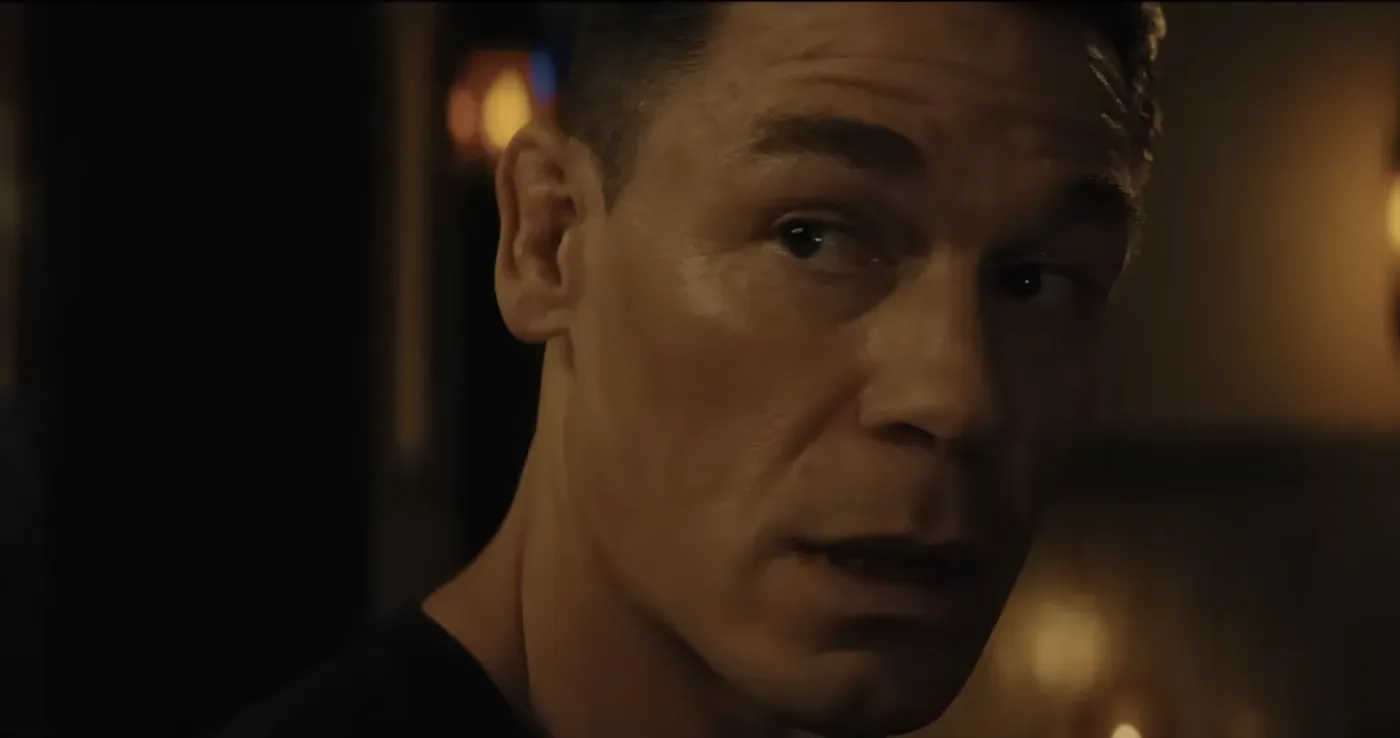
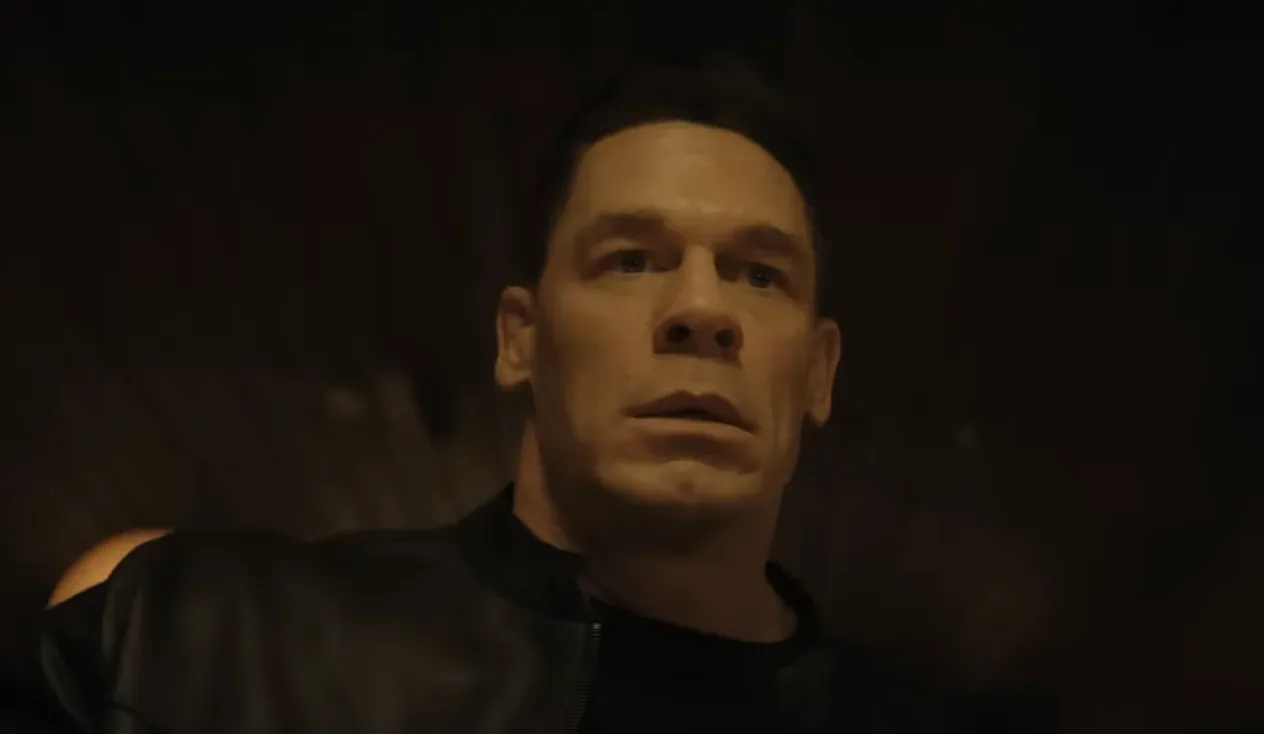
John Cena’s “Matchbox: The Movie” brings one of the world’s most recognizable toy-car brands to the screen through an international adventure involving childhood friends, secret agents and high-speed driving. Directed by Sam Hargrave and released on Apple TV on October 9, 2026, the film follows Sean Walker, a CIA operative who reunites with his old friends only to become involved in a complicated intelligence operation. The story may seem an unusual choice for an adaptation of miniature vehicles, but the connection becomes clearer through the characters’ shared childhood memories. Although the film’s main storyline is fictional, the Matchbox brand has a genuine history that began in England more than seventy years ago. Its origins involve a father, his young daughter and a simple school rule that unexpectedly inspired a worldwide business.
Is Matchbox: The Movie a True Story?
“Matchbox: The Movie” is not based on an actual CIA operation or the experiences of a real group of childhood friends. Sean Walker, Aimee, Crosby, Charmaine and Ted are fictional characters created for the screenplay written by David Coggeshall. Their reunion and subsequent international adventure belong entirely to the movie’s invented narrative, rather than being dramatizations of documented events. The genuine inspiration comes from the Matchbox toy brand, which has produced miniature vehicles since 1953 and is now owned by Mattel.
Unlike films adapted from novels or historical events, “Matchbox” does not have an established fictional storyline that its filmmakers were required to follow. The original toys were miniature representations of vehicles, allowing children to imagine their own adventures rather than introducing named characters or a particular narrative. That creative freedom explains why the filmmakers could develop a globe-spanning action comedy around the property. The connection is primarily thematic, using cars, childhood imagination and friendship to transform the toy brand into a feature film.
The Real History of Matchbox Cars
The history of Matchbox begins with British engineer Jack Odell, who was involved with the toy manufacturer Lesney Products. In 1953, Odell encountered a small but surprisingly productive problem involving his daughter, whose school permitted children to bring toys only if they could fit inside a matchbox. Determined to give her something she could enjoy, he created a miniature metal steamroller small enough to satisfy the school’s restriction. The little vehicle attracted attention from her classmates, who wanted similar toys of their own. Their enthusiasm demonstrated that there was a market for small, realistic model vehicles that children could easily carry around.
The idea developed into a commercial product line, with Lesney producing miniature die-cast vehicles and selling them in packaging resembling ordinary matchboxes. Early models included construction equipment such as road rollers, cement mixers and dump trucks, reflecting the brand’s emphasis on recognizable vehicles rather than imaginary designs. The small boxes were not merely convenient packaging; they helped establish the identity that gave Matchbox its name. Over time, the collection expanded to include cars, commercial vehicles and numerous other models, eventually becoming popular with both children and adult collectors.
The company’s earliest products were particularly distinctive because they made detailed vehicle models accessible in a compact form. Children could collect different automobiles and create their own imaginary roads, garages and adventures without needing expensive or elaborate equipment. Matchbox also maintained a connection to real-world automotive design, producing small versions of vehicles people might see around them. That emphasis on familiarity helps explain the enduring appeal of the toys and provides a recognizable foundation for the film’s interest in automobiles.
How Did Matchbox Become a Mattel Brand?
Matchbox was already an established British toy brand decades before it became part of Mattel. Its product range expanded significantly during the 1950s, including the introduction of accessory playsets in 1956. These allowed children to create environments for their miniature vehicles, beginning with items such as a filling station. In 1973, the company introduced Sky Busters, extending its miniature collection into aircraft and other aviation models.
Following several changes in ownership, Mattel acquired Matchbox in 1997, bringing it under the same corporate umbrella as Hot Wheels. Although both brands are now owned by the American toy manufacturer, their histories are separate. Matchbox originated in Britain in 1953, whereas Hot Wheels was developed by Mattel as its own vehicle brand years later. The acquisition made Matchbox part of Mattel’s wider toy business without erasing its distinctive origins.
The brand celebrated its 70th anniversary in 2023, emphasizing the realistic vehicle designs that helped establish its popularity. Mattel continues producing Matchbox cars, playsets and other products, with the collection appealing to both younger audiences and longtime enthusiasts. The 2026 film represents another stage in that history, extending the name beyond physical toys into entertainment. Its development also reflects Mattel’s broader interest in adapting familiar toy properties for film and television.
How Does the Movie Connect to the Real Toy Story?
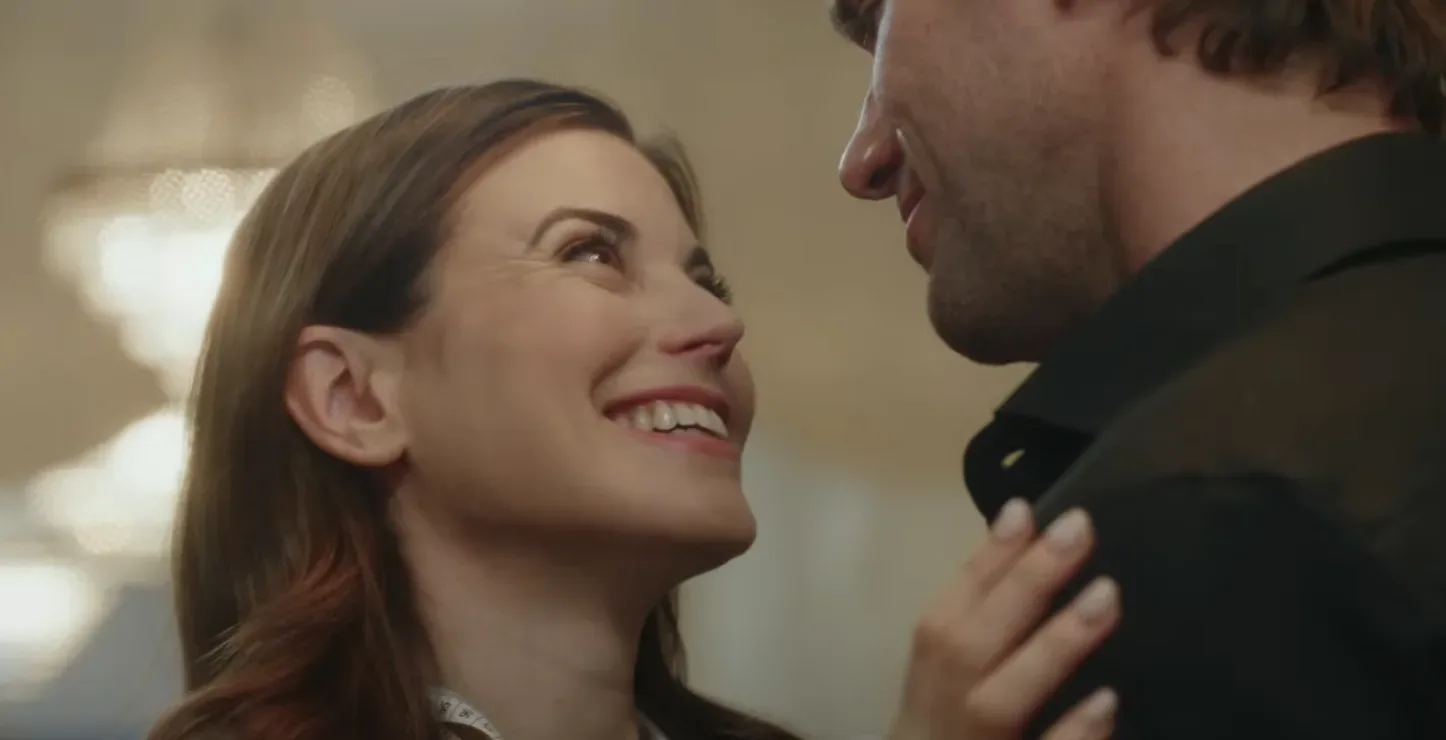
The film’s most meaningful connection to Matchbox history appears during its opening sequence, set in 1998. Sean and his childhood friends spend their afternoons at a garage belonging to Cal Smalley, Aimee’s uncle, who has accumulated an extensive collection of miniature cars. The garage becomes a meeting place where the children form lasting friendships and imagine the lives they might lead as adults. Smalley also shares the story of how Matchbox originated as a gift from a father to his daughter, introducing the actual history of the brand into the fictional narrative.
Sean’s feelings for Aimee provide another connection to the original idea of giving someone a miniature vehicle. As a child, he learns that she dreams of owning a 1969 Chevrolet Camaro, prompting him to purchase a Matchbox version of the car. He intends to give it to her as a romantic gesture, but his nervousness and unexpected departure prevent him from following through. The unfinished gift becomes an important memory that remains with him throughout his adult life.
By using the toy as a symbol of an unfulfilled childhood promise, the filmmakers give the Matchbox name a personal meaning beyond the action sequences. The miniature Camaro connects Sean’s youthful imagination with the very different circumstances of his adult life, while the real car represents a dream that once seemed impossible. It is also a variation on the brand’s origin story, where a miniature vehicle was created as a thoughtful present. The film borrows that emotional idea without attempting to recreate Jack Odell’s actual experiences.
Are the Cars and Driving Scenes Real?
Although Sean’s international adventure is fictional, the movie incorporates real automotive culture and the enthusiasm surrounding collectible vehicles. Jessica Biel’s character, Aimee, works as an emergency medical technician but pursues amateur racing in her spare time. Her interest in driving becomes important during the film’s elaborate vehicle sequences, which were developed under Hargrave’s direction. The filmmaker previously directed the action movies “Extraction” and “Extraction 2,” making practical stunts and complicated action choreography a natural part of the production.
Also Read: Matchbox: The Movie Recap and Ending Explained: Does Sean Clear His Name?
Biel has discussed preparing for the driving sequences and learning techniques required to perform demanding maneuvers for the film. John Cena has also spoken about his personal connection to cars and his childhood experience collecting Matchbox vehicles. Those interests help explain the production’s emphasis on automobiles, even though the plot involves fictional intelligence work. The vehicles themselves are recognizable examples of automotive design, but the extraordinary circumstances surrounding their use are created for entertainment.
What Inspired the Filmmakers?
The screenplay uses the familiar experience of childhood friendships as the foundation for an otherwise extravagant adventure. Instead of attempting a historical film about Jack Odell, the filmmakers imagined what might happen if people who once played with Matchbox cars became involved in situations resembling the adventures they invented as children. Sean’s career places him in an extraordinary world, while his friends bring practical experience acquired through everyday work. Their unexpected reunion allows the story to contrast childhood imagination with adult responsibilities.
That approach also explains why the Matchbox collection matters even when the miniature vehicles are not directly involved in the central conspiracy. Smalley’s garage represents a place where the characters felt comfortable, developed their interests and formed relationships that shaped their lives. The cars remind them of a time before careers, responsibilities and geographical distance changed their circumstances. In that sense, “Matchbox: The Movie” is inspired by a real toy brand and its emotional appeal, not by a true story involving espionage.
The distinction is important for viewers wondering whether Sean Walker represents a real intelligence officer or whether the events depicted in the film actually occurred. No historical basis has been established for those characters or their mission, and Apple and Mattel describe the production as being inspired by the toys rather than based on real events. The authentic story belongs to Jack Odell and the miniature steamroller he created for his daughter in 1953. More than seven decades later, that simple invention has become the starting point for a fictional Hollywood adventure about cars, friendship and the memories people carry into adulthood.