The End of Oak Street Really Does Kill Greg, But Denise Finds a Way to Bring Him Back
Yes, Greg really dies in The End of Oak Street. The movie does not reveal that his dinosaur attack was fake, nor does Greg somehow survive his injuries. He is killed during the family’s prehistoric ordeal after a dinosaur attacks him while he is protecting Denise. The Greg seen alive at the end is an…
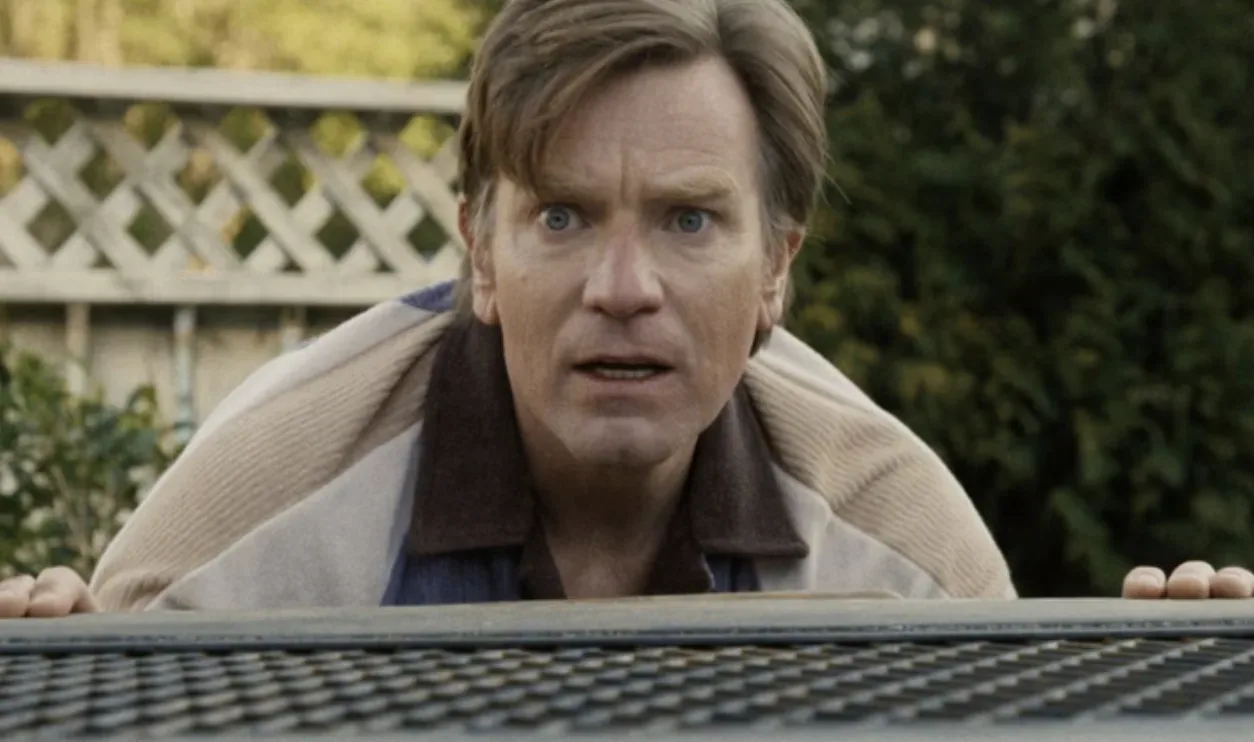
Yes, Greg really dies in The End of Oak Street. The movie does not reveal that his dinosaur attack was fake, nor does Greg somehow survive his injuries. He is killed during the family’s prehistoric ordeal after a dinosaur attacks him while he is protecting Denise. The Greg seen alive at the end is an earlier version of Greg whom Denise saves after she travels back to 1982. She uses a fake pizza order to lure him away from Oak Street before the neighborhood disappears. In other words, Denise changes Greg’s future. She does not undo the death of the man we watched die.
That difference is easy to miss because the movie moves rapidly from Greg’s brutal death to a cheerful reunion. Once the final appearance of two Jeannettes is taken into account, however, the ending strongly implies that both histories can exist rather than one simply erasing the other.
Does Greg Actually Die During the Dinosaur Attack?
Greg’s death is real within the prehistoric timeline. While he and Denise are trying to protect their family, a large predatory dinosaur attacks Greg, severely injures him and ultimately kills him in front of the others. Denise, Audrey and Brian then have to continue toward the remaining portal without him.
Nothing later reveals that he escaped or that the family misunderstood what they saw. His death is supposed to feel definitive because it completes the change Greg has undergone during the crisis. A man who began the story hiding his unemployment and drinking problems eventually puts himself directly between his family and the creature threatening them.
That also makes the reunion deliberately strange. The audience has watched Greg earn a reconciliation with Denise through the family’s ordeal and then die. Suddenly seeing him holding a pizza less than an hour before the disaster forces the movie to ask whether preventing a person’s death is the same thing as getting that person back. It isn’t quite.
Related: The End of Oak Street’s Happy Ending Is Much Stranger Than It Looks
How Is Greg Alive Again at the End?
Greg is alive because Denise reaches 1982 before his earlier self has been transported to the prehistoric world. When Denise and the children escape through the wormhole, they emerge outside Oak Street shortly before the original cosmic event. Greg is still alive, still working his secret delivery job and has no idea what his family has experienced.
Denise realizes she can use the pizza job to remove him from the neighborhood. She phones in an order that brings him to her location, placing Greg safely outside the area when the giant wormhole takes Oak Street again.
The plan does not require Greg to believe her story beforehand. That is what makes it more practical than trying to run home, explain dinosaurs and convince him to abandon everything immediately. Greg follows an ordinary delivery request and only realizes something impossible is happening when he watches his neighborhood disappear.
So “Greg comes back to life” is a convenient description, but it is not literally what occurs. Denise saves a Greg who has not died yet.
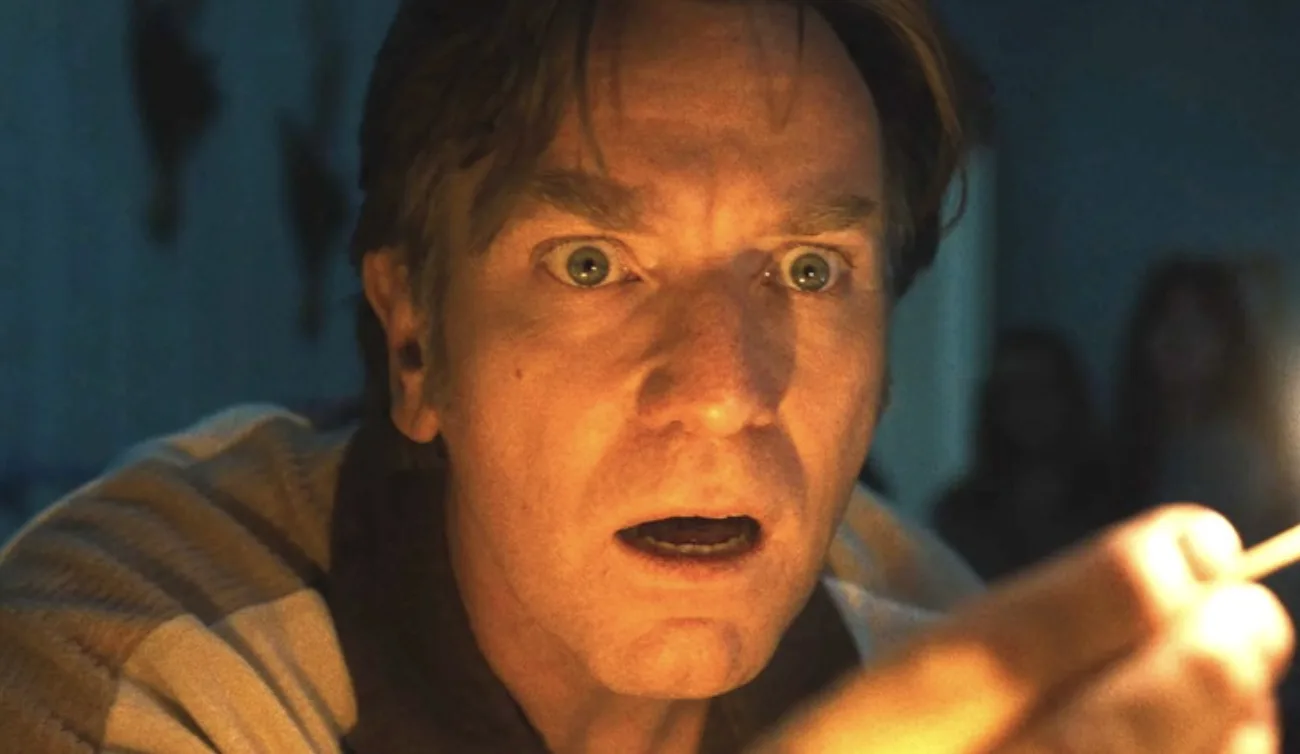
Is the Greg at the Barbecue the Same Greg Who Died?
Physically, he is the same person at an earlier point in his life, but his experiences are dramatically different. The dead Greg endured the prehistoric nightmare with Denise, confronted his failures, helped keep his children alive and ultimately sacrificed himself. The surviving Greg is removed from Oak Street before any of those events happen to him.
The movie’s two Jeannettes make that distinction difficult to ignore. Survivor Jeannette remains in the altered future alongside the younger version of herself who never endured the dinosaur ordeal. If the same logic applies to Greg, Denise has not magically rewritten the dead Greg into the living one. She has prevented another version of him from sharing the same fate.
The film does not explicitly define this as a multiverse, and calling it one would be more certain than the screenplay allows. What is observable is that changing an earlier person’s future does not automatically make the time traveler disappear.
That means the Greg who died protecting Denise still matters. His experiences are part of the history carried by Denise, Audrey and Brian even though the Greg sitting beside them two years later never lived through them himself.
Why the Pizza Delivery Matters More Than It First Appears
Greg’s pizza job begins as one of the clearest signs that the Platt marriage is in trouble. He has lost his regular work, feels ashamed of his failure to provide and conceals the delivery job from Denise. Denise has secrets of her own, including the autobiographical writing through which she imagines a life outside her unhappy marriage.
The ending turns Greg’s deception into his lifeline. Had Denise not discovered the truth about his deliveries during the ordeal, she would have had no simple way to summon him away from Oak Street at exactly the right moment.
There is a pleasing irony to that construction. One of the lies threatening their marriage becomes the mechanism through which Denise saves her husband. Yet it does not magically resolve why Greg lied in the first place.
The new Greg has not lived through the experience that forced the original couple to confront what they had been hiding from each other. That makes the two-year epilogue a much bigger leap emotionally than it first appears.
Related: The End of Oak Street Filming Locations
Do Denise and Greg Fix Their Marriage After She Saves Him?
The ending shows Denise and Greg still together two years later, so their marriage appears to survive. What the movie does not show is how Denise handles being married to a version of Greg who never shared the experience that repaired their relationship. Vulture’s ending analysis points to this exact complication, noting that the surviving Greg missed the personal transformation of his prehistoric counterpart.
Denise remembers watching Greg fight for his family and die. Greg remembers leaving Oak Street to deliver a pizza and unexpectedly finding his terrified wife and children waiting for him. Those are very different emotional histories.
Presumably Denise can tell him what happened, and the enormous disappearance of Oak Street gives her story considerable proof. But hearing that another version of you became a better husband and died heroically is not the same as actually becoming that person.
The film chooses not to make this tension part of its epilogue. Its final images tell us the Platts have found a way to remain together, not exactly how they repaired all of the problems that existed before the wormhole.
Did Denise Erase Greg’s Death From History?
Probably not, although the film intentionally leaves the underlying mechanics unresolved. The presence of two Jeannettes is the strongest reason to believe the original travelers are not overwritten when events are changed. The surviving Jeannette retains her prehistoric history even though her younger counterpart is successfully saved.
If Greg operates under the same rule, his death happened to one version of the family’s history even though Denise prevents it from happening again. This reading also explains why Denise and her children retain their memories. They are not reset into the people standing on Oak Street before the cosmic event.
Mitchell has deliberately avoided over-explaining the movie’s science. The official production material focuses on wormholes and temporal disruption without specifying whether the result should be understood as branching timelines, duplication or something stranger.
Greg is therefore both dead and alive by the finale in the only sense the movie clearly supports. The man Denise traveled through prehistory with dies. The earlier Greg she reaches in 1982 survives. The ending gives the Platts another chance, but it cannot give Denise back the exact husband who sacrificed himself to make that chance possible.