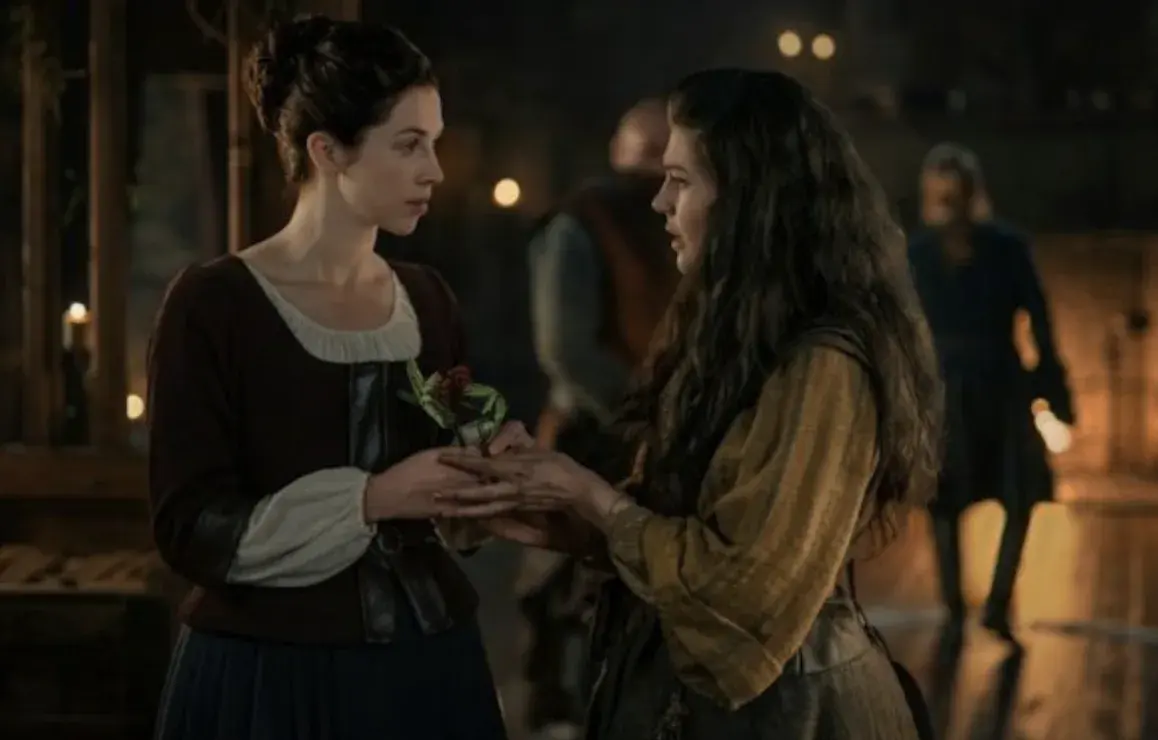
The Doll Season 1 Recap: Wokulski and Izabela’s Dangerous Game of Money and Love
Netflix’s The Doll begins with Stanisław Wokulski returning to Warsaw as a very different man from the one who left. War has made him wealthy, but money has not erased his old sense that the aristocracy occupies a world permanently closed to people like him. Rather than simply enjoying his new position, he fixes almost…
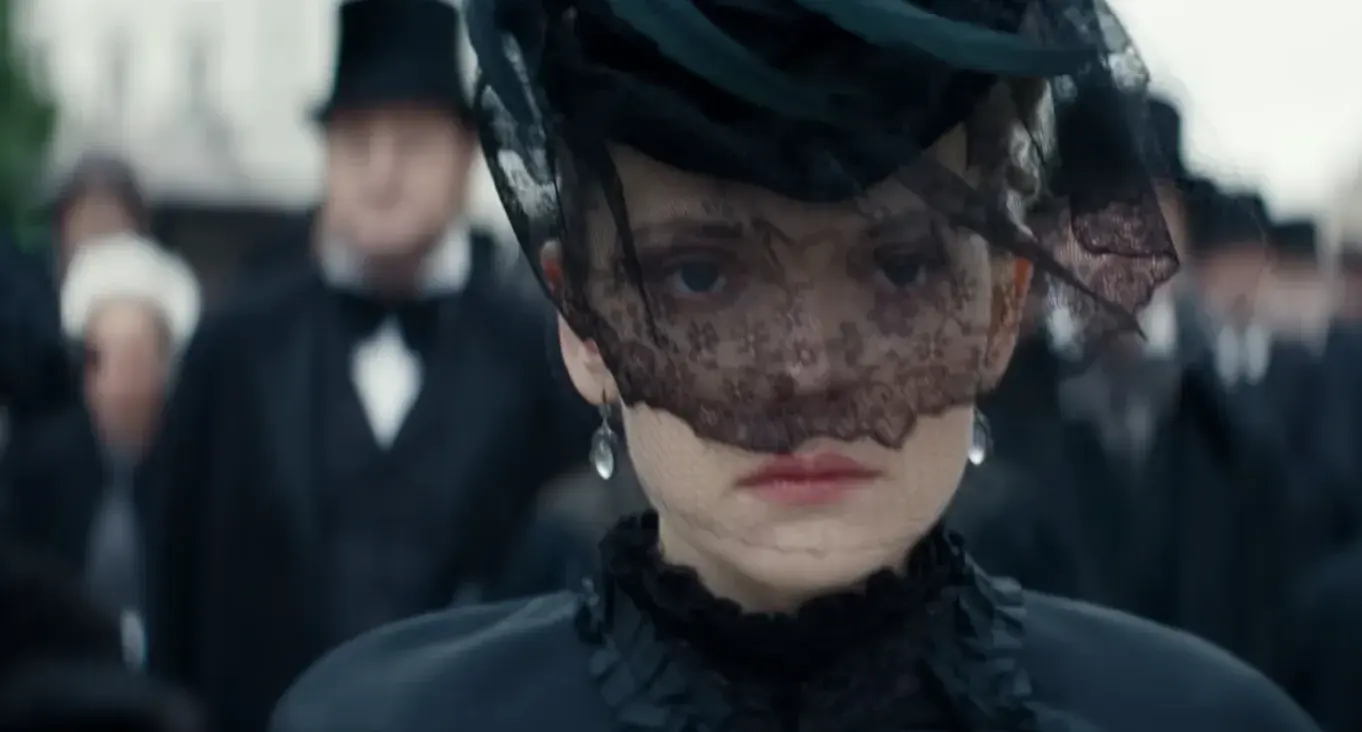
Netflix’s The Doll begins with Stanisław Wokulski returning to Warsaw as a very different man from the one who left. War has made him wealthy, but money has not erased his old sense that the aristocracy occupies a world permanently closed to people like him. Rather than simply enjoying his new position, he fixes almost immediately on Izabela Łęcka, the beautiful daughter of an aristocratic family whose status remains impressive even as its finances collapse. What follows is less a conventional romance than a six-episode contest over who gets to use money, class and desire to control the terms of the relationship.
Izabela is equally dissatisfied with the role prepared for her. She wants to write and imagine a life beyond becoming somebody’s carefully presented wife, but privilege has also protected her from understanding how quickly that freedom disappears once the family’s money runs out. Wokulski appears to offer a way out, yet accepting his help increasingly feels like allowing him to purchase access to her life. The series builds its central tension from that contradiction, because Izabela needs resources while resenting the man most willing to provide them.
Recap: Stolen Heartbeats Part 1 Recap: Everything That Happens in Episodes 1-31
Wokulski Returns Rich, but Money Cannot Buy Him a New Identity
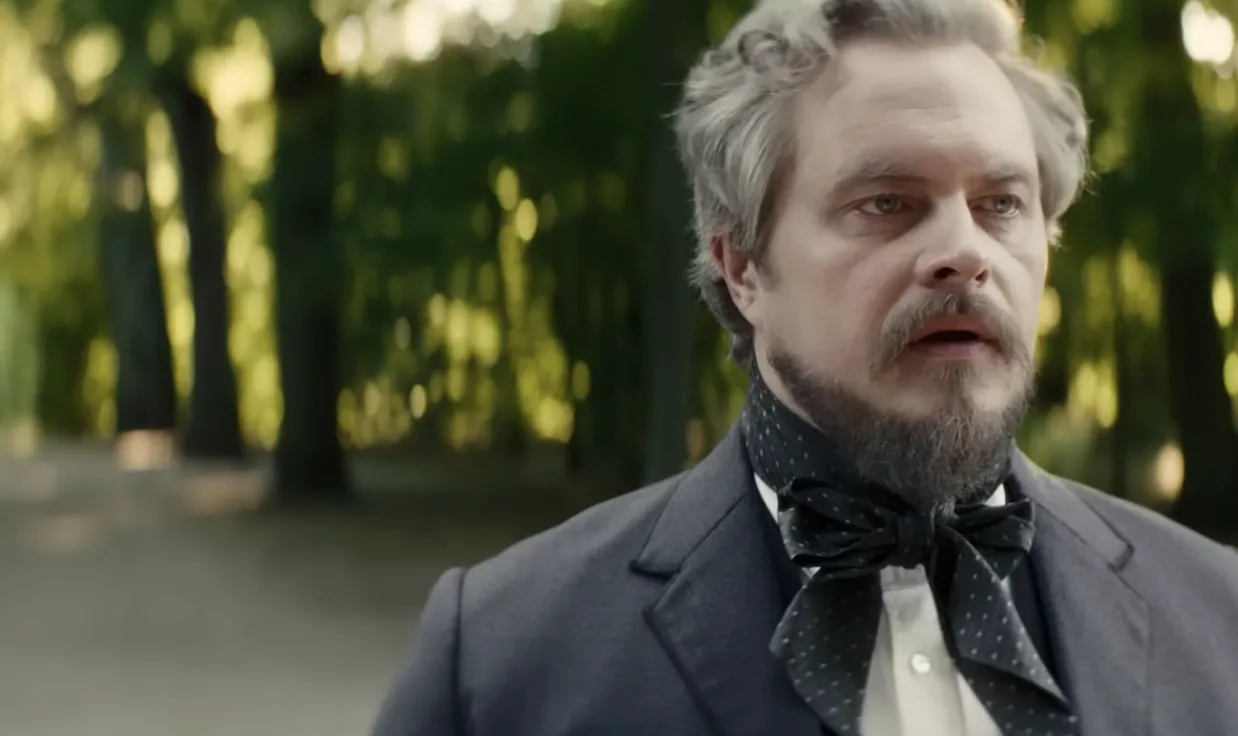
Wokulski’s war fortune immediately changes the way Warsaw responds to him, although it does not make the aristocracy forget where he came from. Ignacy Rzecki welcomes his old friend back and remains one of the few people who sees the man beneath the ambition, while Wokulski concentrates increasingly on getting close to the Łęckis. Tomasz Łęcki is already struggling to preserve the appearance of aristocratic prosperity despite serious debts, which makes him vulnerable to exactly the sort of financial assistance Wokulski can provide. From the beginning, the romance is therefore entangled with a transaction neither Wokulski nor Izabela can completely separate from their feelings.
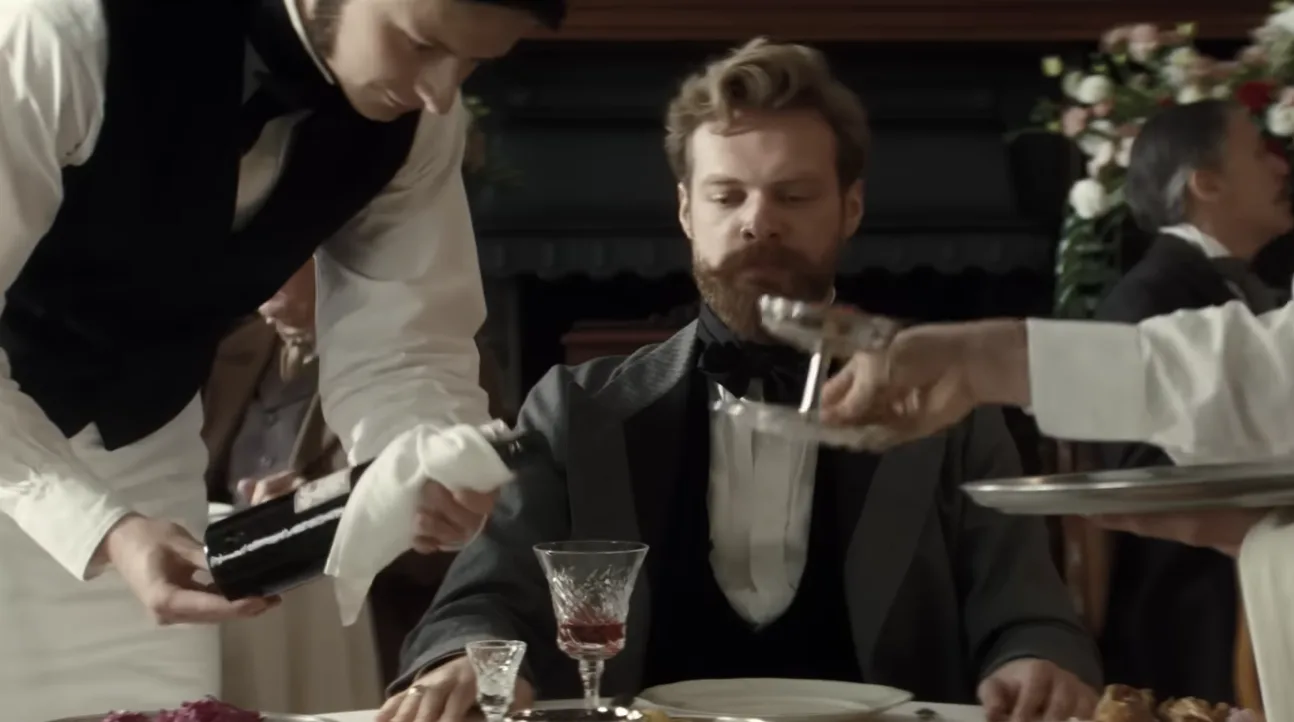
Izabela initially sees his pursuit as intrusive and degrading rather than romantic. Wokulski does not merely court her directly; he keeps finding ways to make himself useful to her father and indispensable to the household. His wealth lets him move through doors that would once have remained closed, but each success also exposes how desperately he wants recognition from people who still consider him socially inferior. The more he tries to prove that money has made him their equal, the more obvious it becomes that he is still allowing their approval to determine his worth.
Tomasz’s Business Troubles Pull Wokulski Deeper Into the Family
Tomasz’s financial problems create the opening Wokulski has been looking for. An industrial venture involving machinery appears capable of restoring the family’s fortunes, but that hope disappears when the equipment being transported is destroyed in a fire. The disaster leaves Tomasz even more dependent on outside money and encourages suspicion that somebody may be deliberately pushing the Łęckis toward ruin. The show repeatedly allows Wokulski to look guilty because his obsession gives him an obvious motive for making Izabela’s family dependent on him.
The suspicion is important because Wokulski is capable of manipulation even when he is not responsible for every crime attributed to him. He secretly arranges for Marianna to enter Izabela’s household and report information about her, turning courtship into surveillance. Izabela eventually begins using his obsession in return, recognizing that if Wokulski wants access to her badly enough, she can demand opportunities that her own social world refuses to provide. Her desire to write becomes one of the first places where their relationship stops being entirely one-sided and becomes a negotiation between two people who understand the other’s weakness.
Margo Gives the Łęckis Hope Before Everything Collapses Again
A racehorse named Margo briefly changes Tomasz’s position. Wokulski helps place the valuable horse in his hands, and its success gives Tomasz the illusion that the family’s financial decline may finally have been reversed. The horse becomes another example of how Wokulski’s assistance is never emotionally neutral, because every favor strengthens his claim to be taken seriously as Izabela’s future husband. Izabela understandably sees the arrangement as another moment in which men bargain around her as though her marriage can be exchanged for financial rescue.
Margo’s sudden defeat after being poisoned destroys that recovery. Once again, circumstances appear suspicious enough for Wokulski to look like the obvious culprit, particularly because Tomasz’s renewed desperation benefits his pursuit of Izabela. The season encourages that suspicion while quietly building another possibility around Baron Krzeszowski, whose resentment and financial interests become increasingly important. By delaying the truth, The Doll makes viewers experience Wokulski the way Izabela does: as a man whose genuine devotion has become so obsessive that almost any manipulation seems plausible.
The Auction Turns Izabela’s Revenge Against Wokulski
Izabela eventually decides that Wokulski’s obsession can be used against him. When the Łęcki property goes to auction, Tomasz’s allies help inflate the bidding price because they know Wokulski is unlikely to walk away from anything connected to Izabela. He wins, but the purchase costs so much that the fortune which once gave him enormous freedom begins to look far less secure. Netflix’s own Episode 4 description frames the auction as a mistake threatening the progress Wokulski has made.
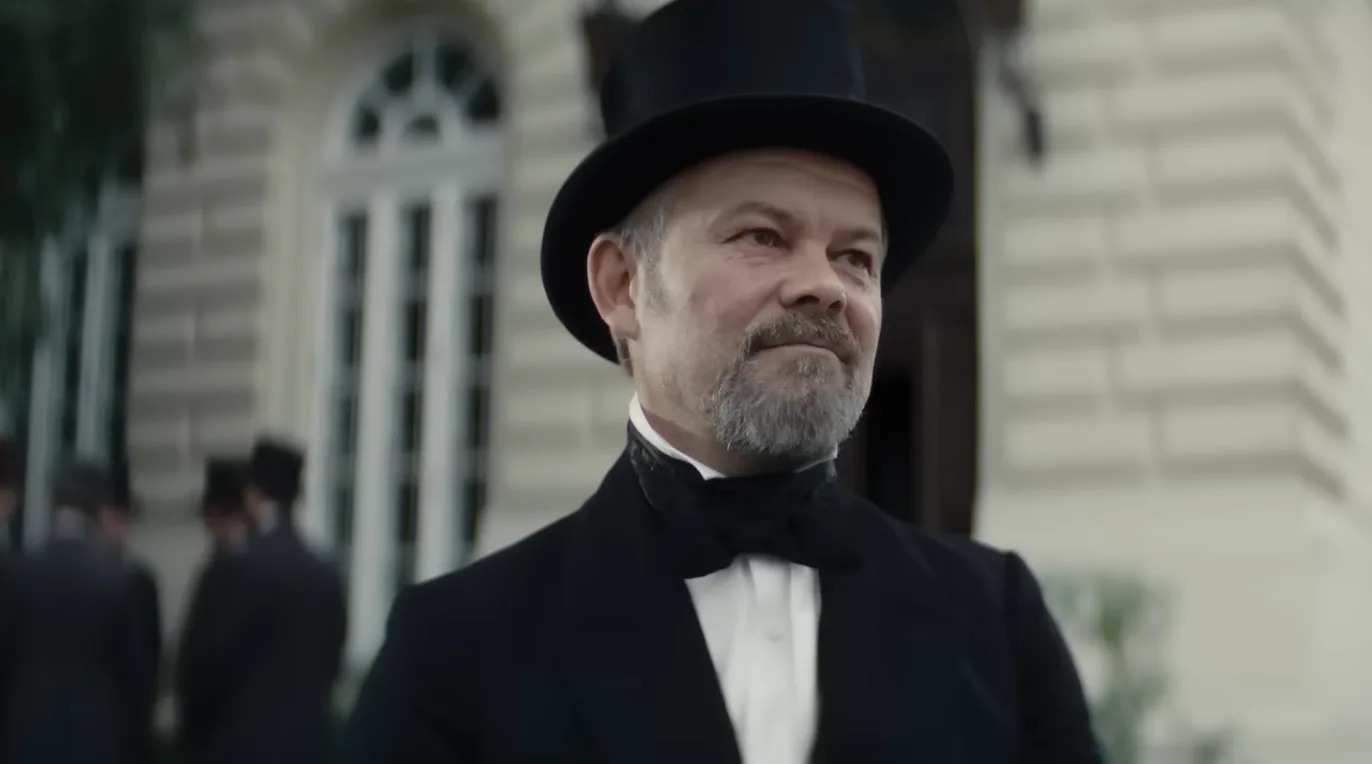
The irony is that this is also the period in which Izabela and Wokulski begin seeing one another more clearly. Her plan is designed to punish him, yet spending time together complicates the simple story in which he is merely an unwanted pursuer and she is merely an object of obsession. Wokulski begins to understand that Izabela’s arrogance exists alongside genuine frustration with the narrow future available to her, while Izabela sees qualities in him that cannot be reduced to money or social ambition. Their feelings become more convincing precisely when both are doing things that should make a healthy relationship impossible.
Izabela and Wokulski Both Run From Warsaw
By Episode 5, the comfortable structures around both characters have started breaking apart. Netflix describes Izabela as getting a taste of surviving on the streets while Wokulski leaves Warsaw to pursue another business opportunity, including the oil venture that becomes important again at the end. Removing them from drawing rooms and negotiations changes the tone because both have to confront who they are without the social audience that has shaped nearly every decision they have made.
For Izabela, losing aristocratic protection is frightening but clarifying. She has spent much of the season demanding independence while still relying on servants, family status and money to absorb the consequences of her choices. Wokulski faces the opposite problem, because he has spent years believing financial success would eventually produce the respect and love he wants. Away from Warsaw, both begin recognizing that the lives they have been fighting to preserve may be the very things preventing them from becoming free.
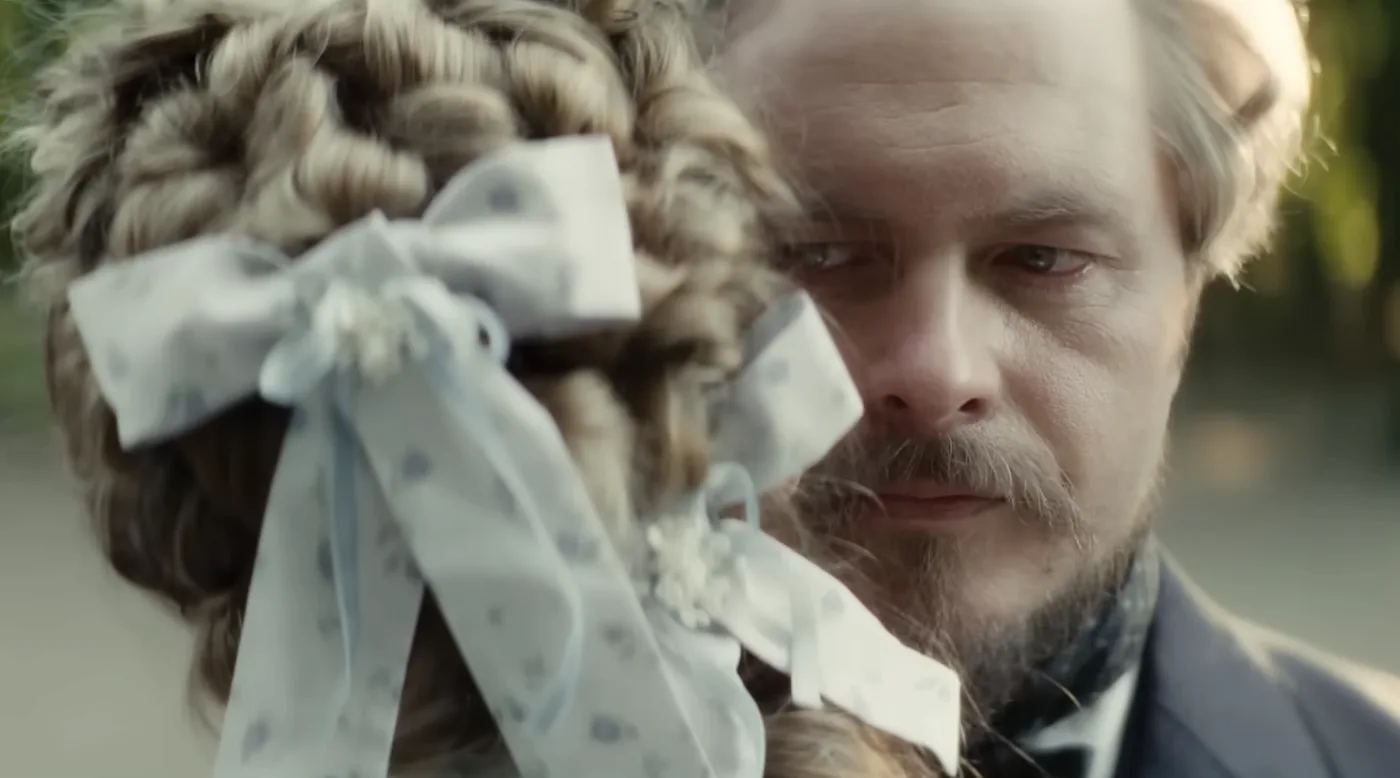
The Finale Turns Their Romance Into an Escape Plan
The final episode brings the couple closer to marriage, but The Doll does not suddenly become a straightforward love story. Wokulski’s finances are far worse than the public believes, Tomasz is no longer capable of shielding Izabela from the consequences of the family’s collapse, and the truth about several earlier crimes begins surfacing. Baron Krzeszowski is exposed as the person behind the machinery fire and Margo’s poisoning, clearing Wokulski of suspicions that shaped much of Izabela’s distrust. At the same time, Kazimierz Starski’s death creates a new crisis that cannot be solved through another business deal.
Wokulski and Izabela appear to reach the church for their wedding, only for the ceremony to collapse. What Warsaw sees as another disastrous ending to their relationship is actually part of a deception the two have agreed upon together. Starski’s body is eventually used to support the illusion that Wokulski has died in an explosion at his shop, allowing Wokulski to disappear while Izabela also creates a false story around her own future. Polish coverage comparing the series with Prus’s novel confirms that both the interrupted wedding and their later disappearances are part of a coordinated deception created specifically for Netflix’s version.
Their paths ultimately separate rather than leading to a conventional marriage. Wokulski heads toward the oil venture that offers him the possibility of rebuilding his fortune somewhere beyond the aristocratic world he spent so long trying to enter, while Izabela travels west to discover what life looks like when neither her father nor Wokulski determines its shape. Their feelings do not vanish, but the season ends by treating independence as more important than possession. The Doll therefore closes its six episodes not by deciding which character “wins” the romance, but by allowing both of them to escape the identities that made the romance impossible in the first place.