The Doll Ending Explained: Do Wokulski and Izabela End Up Together?
The Doll spends most of its six episodes making marriage between Stanisław Wokulski and Izabela Łęcka look like the answer to every conflict surrounding them. For Wokulski, marrying Izabela would seem to prove that money and persistence have finally carried him across the class divide that has haunted him for years. For Izabela, accepting him…
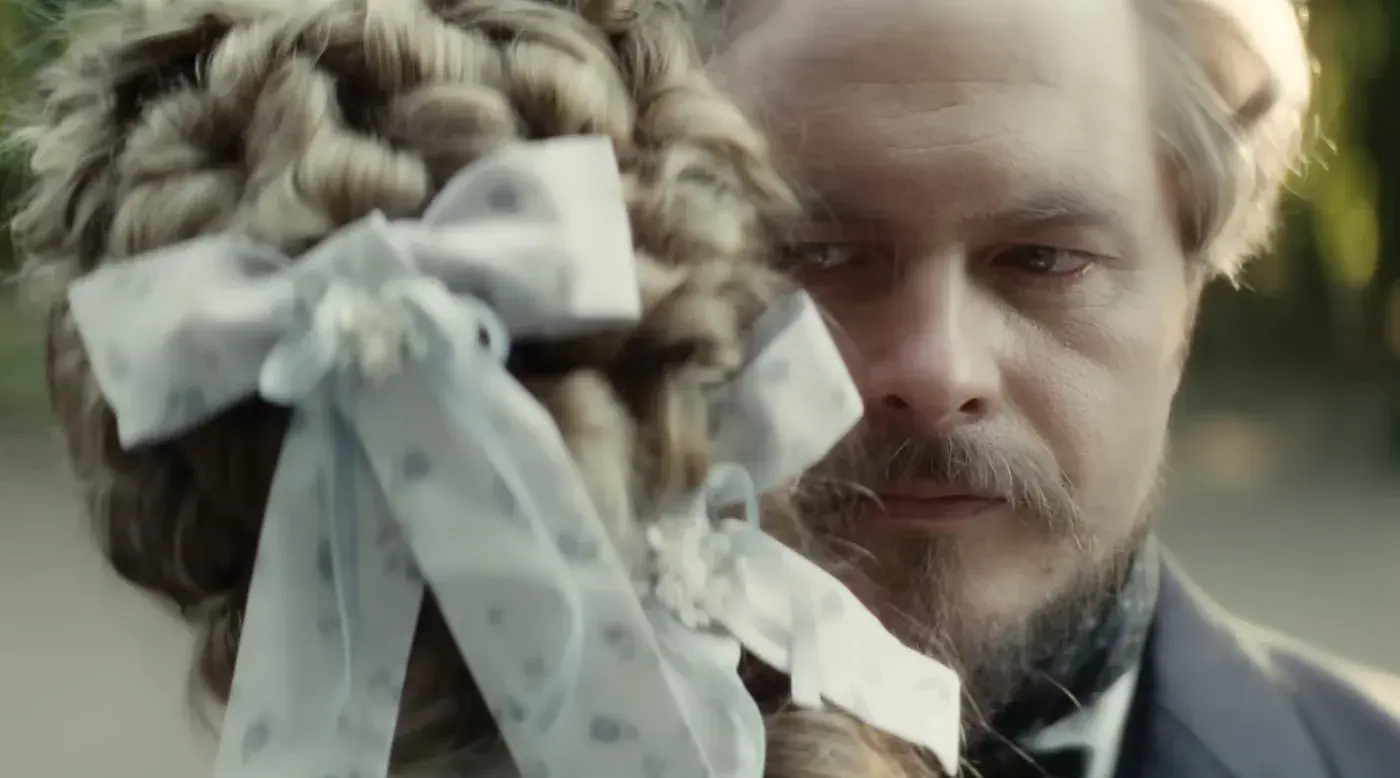
The Doll spends most of its six episodes making marriage between Stanisław Wokulski and Izabela Łęcka look like the answer to every conflict surrounding them. For Wokulski, marrying Izabela would seem to prove that money and persistence have finally carried him across the class divide that has haunted him for years. For Izabela, accepting him could provide financial safety at the exact moment her aristocratic world is collapsing, but it would also risk replacing dependence on her father with dependence on another man. The finale rejects that bargain entirely, bringing them to the edge of marriage before revealing that the ceremony, Wokulski’s apparent death and Izabela’s supposed retreat from society are all parts of a larger attempt to disappear.
The ending is deliberately more hopeful than Bolesław Prus’s novel, but it is not a simple romantic happy ending. Wokulski and Izabela acknowledge the connection between them, yet they ultimately choose separate futures rather than using love as a reason to abandon everything they have learned about themselves. Their escape only works once both accept that the old version of their relationship, the wealthy merchant pursuing the aristocratic prize, has to die. In that sense, the finale is less about whether Wokulski gets Izabela than whether either character can stop allowing Warsaw to define what success looks like.
Related: The Doll Season 1 Recap: Wokulski and Izabela’s Dangerous Game of Money and Love
Why Is Wokulski and Izabela’s Wedding Called Off?
The wedding is cancelled because Wokulski and Izabela have already agreed that it will not become a real marriage. To everybody watching, the breakdown appears to confirm that the gulf between them has finally become impossible to cross. The truth is more calculated: the failed ceremony is part of a performance designed to make their later disappearances believable. Polish coverage comparing the adaptation with the novel specifically confirms that the interrupted wedding is a shared deception rather than a genuine last-minute collapse of the relationship.
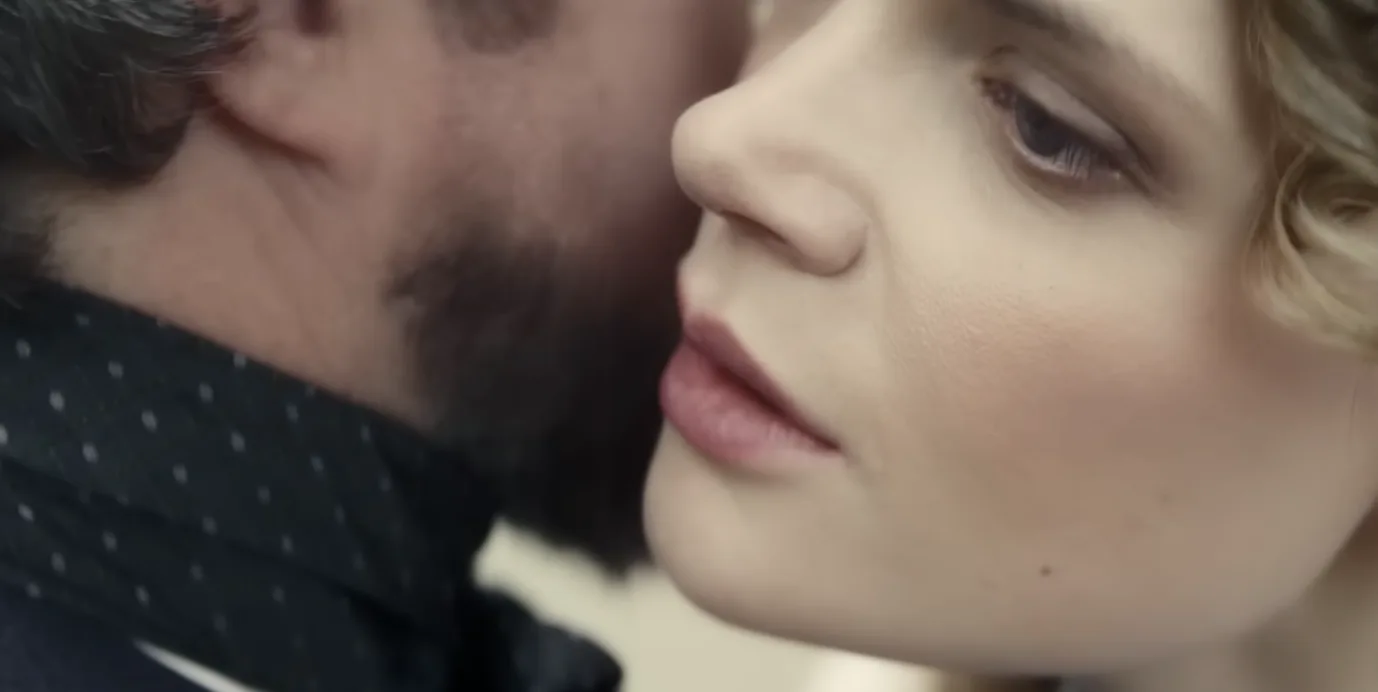
That twist matters because it reverses the power dynamic that defined much of the season. Earlier, Wokulski repeatedly arranged circumstances around Izabela without allowing her much control over what those arrangements meant for her future. In the finale, she is no longer merely reacting to one of his schemes but participating in the construction of their escape. Their relationship becomes more equal at precisely the point when they decide not to formalize it through marriage.
Does Wokulski Really Die in the Explosion?
No, Wokulski survives. The explosion at his shop is staged to convince Warsaw that he has died, giving him the freedom to abandon the identity and social position that have become burdens rather than achievements. The plan uses the dead Kazimierz Starski as the body that authorities will take for Wokulski after the destruction makes reliable identification difficult.
The deception is practical, but it is also the clearest symbol in the finale. Wokulski has spent years building a public version of himself around wealth, influence and the belief that these things could force the aristocracy to recognize him. Destroying his shop allows him to bury that identity in the most literal way possible. The man who survives the explosion is still ambitious and capable of making money, but he no longer needs Warsaw to witness his success.
Why Is Starski’s Body Used to Fake Wokulski’s Death?
Starski’s death creates the immediate problem that turns Wokulski’s disappearance into something more complicated than simply leaving town. Rather than allowing the body to expose what has happened, Izabela and Wokulski incorporate it into the false death. Starski is dressed with Wokulski’s identifying belongings before the shop is destroyed, leaving a damaged corpse that can plausibly be mistaken for the merchant in an era without modern forensic identification.
The choice also gives Starski an ironic place in Wokulski’s ending. Throughout the story, Starski represents the kind of aristocratic ease Wokulski can never purchase, a man who belongs naturally to Izabela’s social environment without having to prove himself. In the finale, the body of that aristocratic rival effectively becomes the corpse of Wokulski’s old identity. Wokulski escapes because the society that spent years judging people by name, clothes and status can now be fooled by those same superficial markers.
Where Does Wokulski Go After Faking His Death?
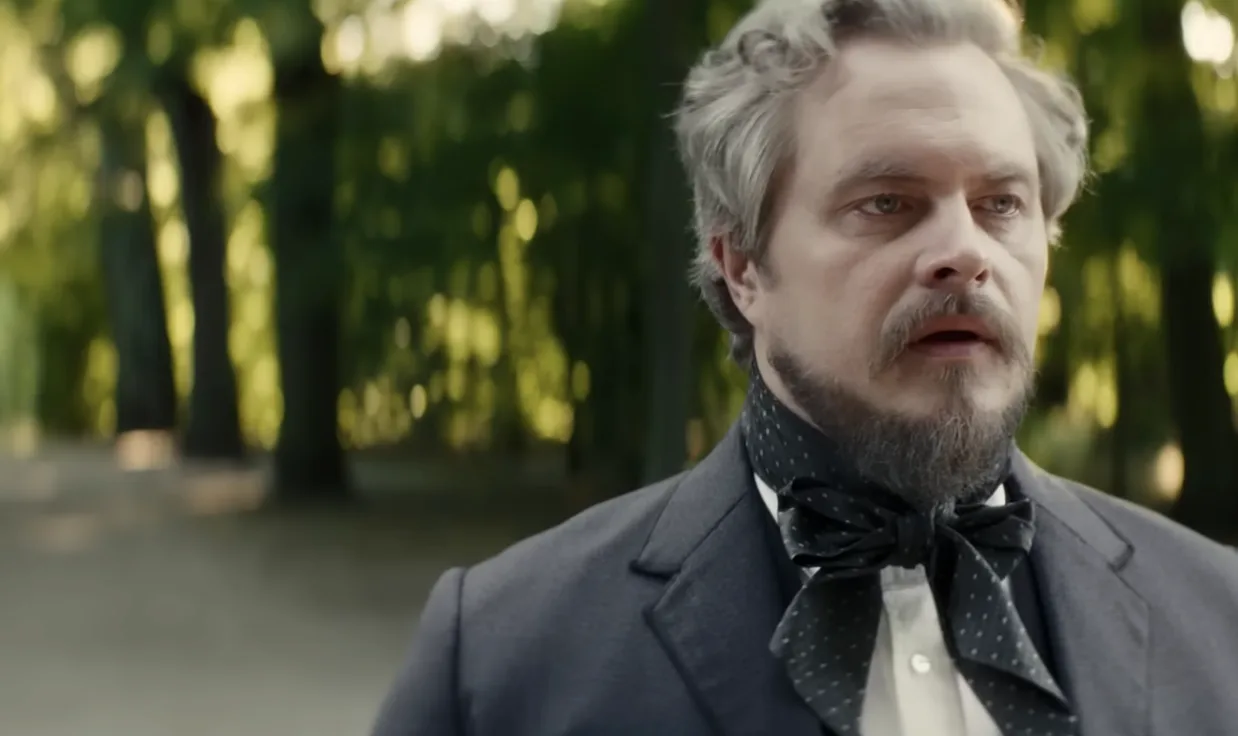
Wokulski leaves Warsaw and returns to the oil venture he had been pursuing earlier. The final discovery of oil suggests that his instinct for business remains intact and that the loss of his earlier fortune will not necessarily leave him poor for long. What changes is the reason he wants success, because the ending no longer frames wealth as a tool for purchasing entry into Izabela’s class.
This is an important distinction because The Doll never argues that ambition itself is Wokulski’s problem. His tragedy comes from using achievement to answer questions that money cannot solve, particularly whether he is worthy of love and whether aristocratic recognition can repair his old sense of humiliation. Once he leaves Warsaw, making another fortune can finally become something other than a performance for the people who once looked down on him.
Where Is Izabela Going at the End?
Izabela also leaves, but her destination is kept less precise than Wokulski’s. The public story suggests a retreat associated with religious life, while the reality is that her supposed move toward a convent is another deception allowing her to travel west and attempt a life outside the aristocratic system. The series does not need to tell us exactly whether that new life begins in Paris or somewhere else, because the important part is that Izabela is choosing the movement herself.
For most of the season, Izabela speaks about freedom from inside an extraordinarily privileged cage. She wants independence but has rarely been required to survive without the family name, servants and financial assumptions that come with being a Łęcka. The finale strips those protections away and makes her accept the uncertainty that genuine independence requires. Leaving Wokulski is therefore not proof that she never loved him; it is evidence that she finally understands marriage cannot become another shortcut around learning who she is without somebody else’s money.
Do Wokulski and Izabela Actually Love Each Other?
By the ending, the series treats their feelings as real, but it also refuses to pretend that real feelings automatically produce a workable relationship. Their final intimacy and Izabela’s letter make the emotional connection clear, while their decision to separate shows how much damage has accumulated around that connection. Wokulski’s obsession, surveillance and financial interference cannot simply be erased because Izabela eventually reciprocates part of what he feels.
Izabela has also spent much of the story using Wokulski’s desire when it benefits her, even while resenting the power his money gives him. That makes their final choice unexpectedly mature compared with much of what came before. They stop treating marriage as proof that the relationship was meaningful and instead accept that loving somebody may not be a sufficient reason to build an entire future around them.
Who Really Burned the Machinery and Poisoned Margo?
Baron Krzeszowski is revealed as the person behind both earlier acts of sabotage. The machinery fire had repeatedly encouraged Izabela to suspect Wokulski because destroying Tomasz’s investment would make the Łęckis more financially dependent on him. The truth is that Krzeszowski had his own financial scheme surrounding the equipment, including insurance that allowed him to recover money while Tomasz absorbed the damage.
Margo’s poisoning follows the same pattern of misdirection. Wokulski again appears capable of benefiting from Tomasz losing his source of income, but Krzeszowski is ultimately exposed as the person responsible. The revelation matters because the series has spent so much time inviting viewers to associate moral corruption with the ambitious self-made merchant, only to show that inherited status offers no protection against greed, revenge or fraud.
How Is Netflix’s Ending Different From the Book?
Netflix makes the ending far more explicit and substantially more optimistic than Prus’s novel. In the book, Wokulski’s relationship with Izabela collapses after he overhears her conversation with Starski, and he later attempts suicide before disappearing. An explosion at the ruins in Zasław creates uncertainty about whether he eventually killed himself, escaped or pursued a different life, and Prus never supplies a definitive answer.
The series takes those famous ambiguities and turns them into deliberate plans. Wokulski definitely survives the explosion because he stages it himself, while Izabela’s supposed retreat toward a convent is exposed as a cover story rather than a confirmed destination. Rzecki also receives a gentler future in Netflix’s version, remaining connected to the shop and Marianna instead of dying alone as he does near the end of the novel.
Those changes explain what Netflix is ultimately trying to do with The Doll. The novel leaves its characters trapped in uncertainty after obsession, class resentment and romantic disappointment consume their lives, while the adaptation imagines the possibility that they might recognize the trap and deliberately walk away from it. Wokulski and Izabela do not end together, but neither ends as the defeated person society expects them to become. The finale turns disappearance from a tragic mystery into an act of self-invention, allowing both characters to begin lives that no longer require the approval of the world they leave behind.