Survivor 51: Did the Crabs Really Cause Ana Sani’s Blindside?
Ana's exit interviews explain why the misunderstood crab conversation was only one part of Savu's changing vote.
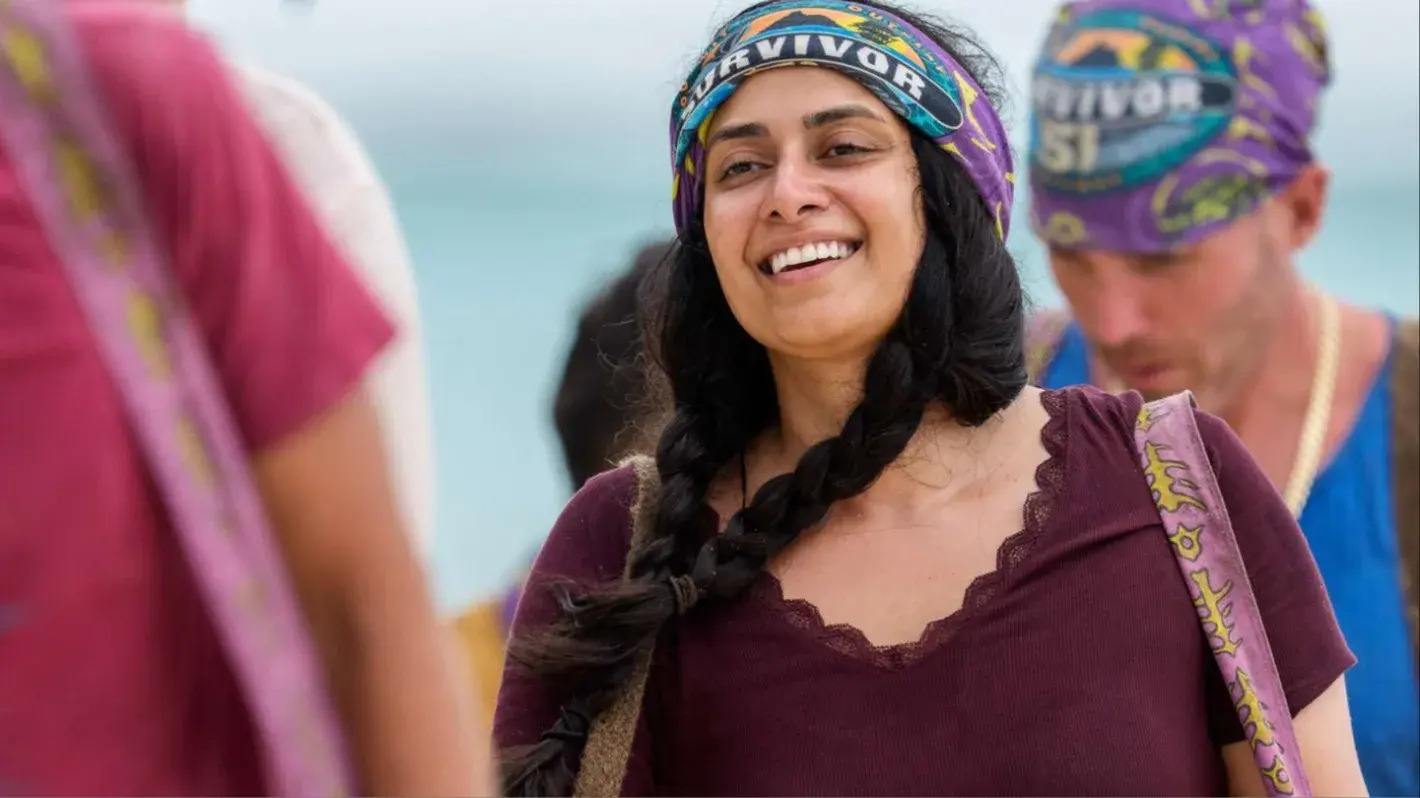
Survivor Season 51 Episode 2 gave Ana Sani more than one reason to worry about her first Tribal Council. Conversations at Savu were changing who trusted whom, while the apparent plan to eliminate Eric Macksoud was becoming less dependable. The episode, “Weaponized Honesty,” aired on September 30, and Ana’s exit left a particularly strange question: how did a conversation about catching crabs become part of a blindside?
The misunderstanding is memorable because it sounds so far removed from voting strategy. Ana’s subsequent interviews, however, describe a broader problem involving conversations she thought were private, efforts to repair relationships and assurances she believed. The crab exchange helps explain the turn against her, but it cannot carry the whole explanation.
What did Linnea think she overheard?
Paramount+’s official episode recap says Linnea Capobianco overheard Ori Jean-Charles and Carter Krull discussing how to catch crabs and mistook it for game talk. That explains the misunderstanding; it does not establish that every other player changed their vote because of it.
Ana told TV Insider she learned about the crab conversation while watching. She recalled Linnea hearing Carter discuss crabs earlier, then misunderstanding him when he returned to the subject. Ana also described hunger, saying one crab had been shared among all 10 Savu players for a day’s meal.
Also Read: Survivor Season 51 Contestants: Where Are They Now? Meet the 21 Castaways
The trust problem began before the crabs
In her TVLine interview, Ana disputed the idea that she alone had been throwing out names. She said Alexis Levine first brought up Sharonda and asked about Linnea, while Ana characterized Sharonda as smart and Linnea as strategic. That is Ana’s retrospective account, rather than a settled explanation of Alexis’s intentions.
Ana also told TVLine that her abrupt switch to talking about popcorn was an attempt to cover for Carter after he spoke about Alexis. Alexis arriving during the conversation put Ana in the position of providing the explanation. By Ana’s account, the exchange damaged their relationship. Her attempt to protect an ally had left her explaining herself to another.
Why did Ana still expect to be safe?
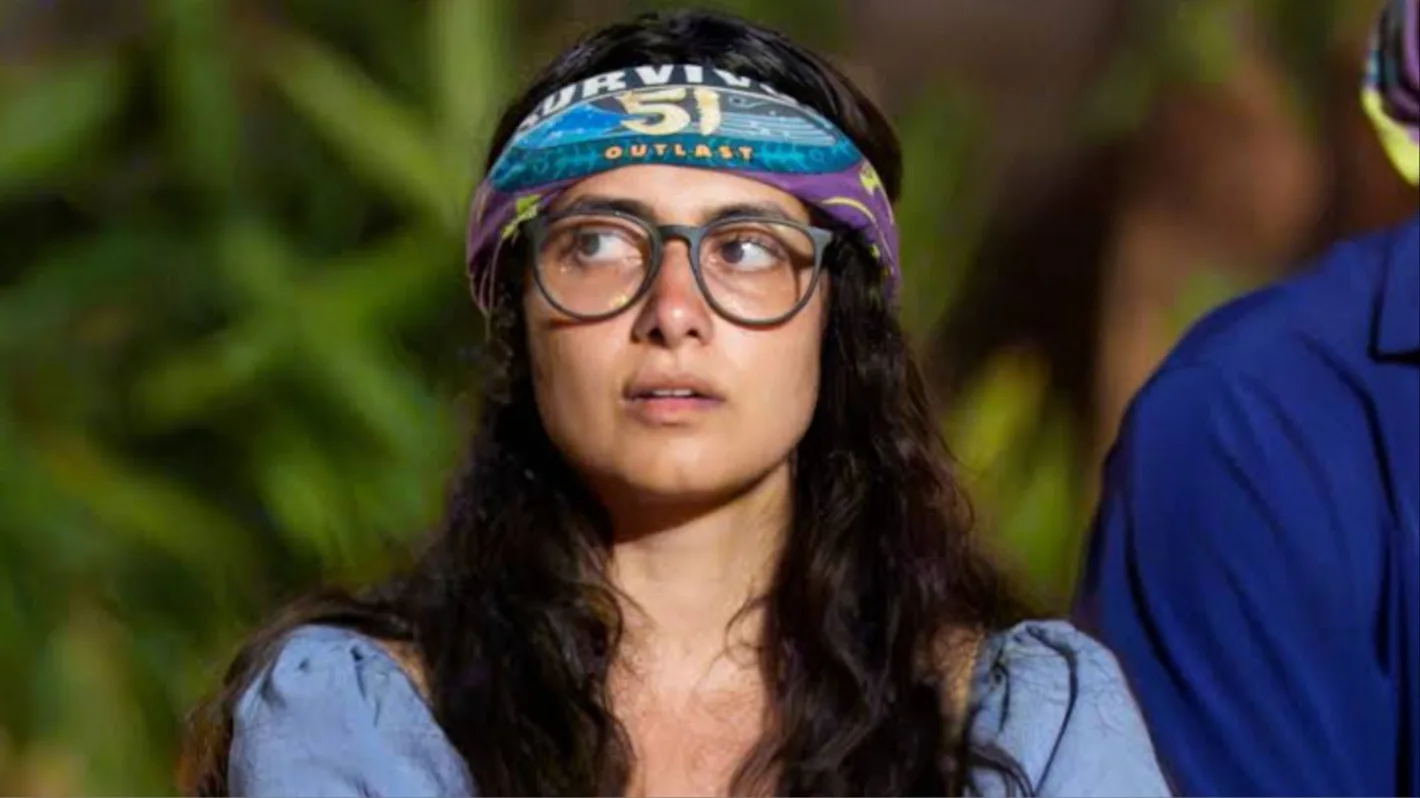
Ana described an effort to repair that relationship in her Parade exit interview. After hearing that people were discussing tension between her and Sharonda, she approached Alexis and asked to work together. Ana said Alexis made a pinky promise, which she understood as reassurance, and she brought Alexis into further conversations afterward.
That detail complicates the idea that Ana simply missed every warning. She knew something felt wrong and tried to address it. The distinction is between identifying a damaged relationship and correctly judging whether it has been repaired; a reassuring conversation can ease that worry without proving that the vote has changed.
Her Men’s Journal interview adds another piece: Ana believed she could still have enough votes even if Alexis, Linnea and Sharonda were against her. She also acknowledged offering her own name as a decoy after a poorly received suggestion involving Kristin Flickinger. The response made her scramble harder to contain.
Rob’s plan did not restore Ana’s numbers
Rob Antonson’s attempt to vote for himself became the night’s most conspicuous distraction. But Ana told Men’s Journal that Rob and Carter had also been left out of the actual vote against her. Their confidence therefore did not give her reliable knowledge of where the majority stood, even though she trusted them.
Jeff Probst’s Episode 2 field notes add useful context about the freedom to check a plan at Tribal Council. As quoted by TV Insider, Probst said Rob did not need permission to speak with Eric and encouraged players to act when they were uncertain about a vote. He also acknowledged that he could not fully follow Rob’s strategy. Having an opportunity to ask questions was therefore different from receiving a dependable answer.
Ana told Parade that she considered playing her Shot in the Dark but was reassured by people around her during Tribal Council. That account explains her decision without proving that a different choice would have saved her. A possible alternative is not a guaranteed outcome, especially when the full set of conversations and decisions is not available.
The crab misunderstanding and the broken trust belong to the same story, but they do different work. The misunderstanding gave an ordinary conversation a threatening interpretation; the damaged alliances made that interpretation consequential. Ana’s interviews point to the larger lesson of her exit: feeling reassured by allies did not mean she had an accurate picture of the coalition voting against her.