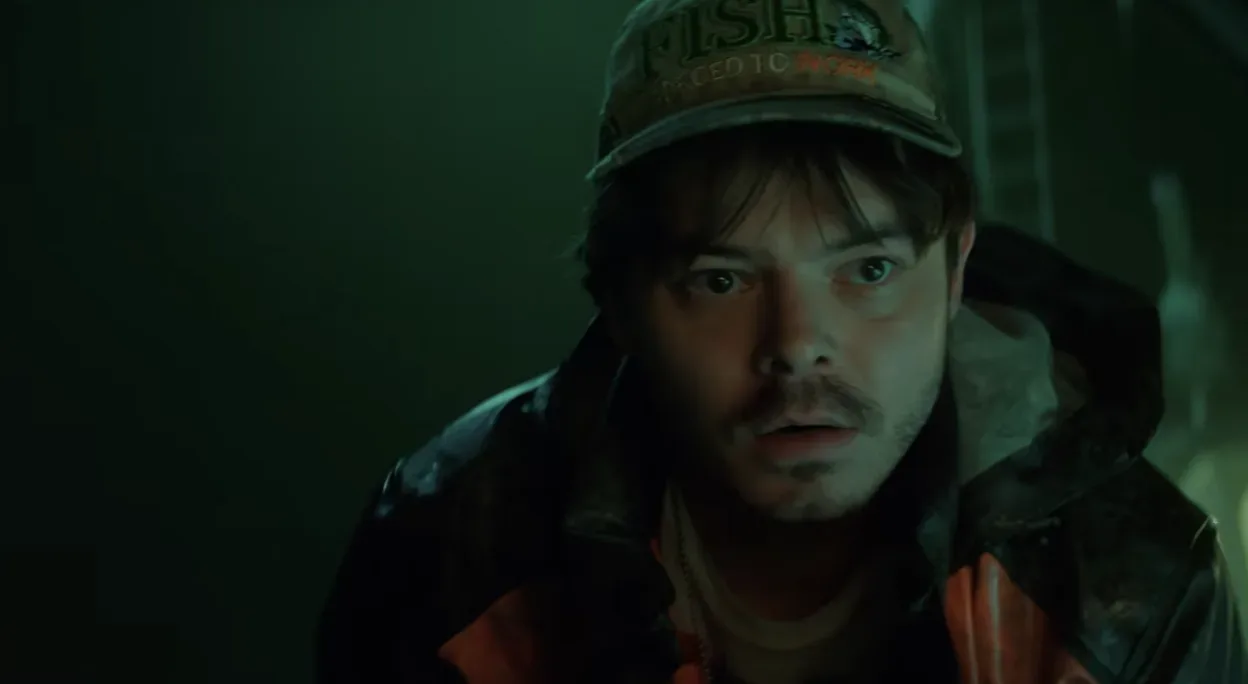
Silo Episode 8 Finally Explains the Gray Goo, Then Juliette Walks Into a Trap
“Gray Goo” spends much of its hour answering questions Silo has been storing since the Season 3 premiere, then uses its final minutes to put Juliette Nichols in serious danger. Season 3 Episode 8 confirms that the cloud that destroyed Charlotte’s squadron was an Iranian nanoweapon, while Per Stensen reveals that fear of weaponized nanotechnology…
“Gray Goo” spends much of its hour answering questions Silo has been storing since the Season 3 premiere, then uses its final minutes to put Juliette Nichols in serious danger. Season 3 Episode 8 confirms that the cloud that destroyed Charlotte’s squadron was an Iranian nanoweapon, while Per Stensen reveals that fear of weaponized nanotechnology helped motivate the construction of 50 silos designed to preserve humanity. In the present, Juliette learns how Silo 1’s poison system was constructed and develops a plan to disable it, but Judicial anticipates the operation. The episode ends with Juliette captured and her allies forced to decide whether saving her is more important than stopping the Safeguard.
What exactly is the “gray goo” in Episode 8?
The episode finally identifies the strange substance from Charlotte’s disastrous mission as weaponized nanotechnology. Stensen explains that Iran developed a nano program and had already demonstrated its capabilities by attacking the Dulles Tech Corridor. The public was apparently told that incident involved a dirty bomb because that explanation was easier to understand, while the real weapon was far more advanced.
Charlotte then learns something even worse about the operation that killed her squadron. Her team was never expected to destroy the Iranian facility themselves. Their mission was designed to provoke Iran into revealing how advanced its nanoweapon had become, while another unit had spent two years tunneling roughly 75 miles underneath the facility and was prepared to destroy it with a low-yield nuclear weapon.
That means Charlotte and the people flying with her were effectively being used as expendable test subjects. The cloud that overwhelmed their aircraft was the response their superiors expected Iran to deploy. Episode 8 therefore turns the terrifying Season 3 premiere sequence into something more deliberate than a military mission gone wrong.
The term “gray goo” is associated with the hypothetical danger of self-replicating nanotechnology consuming or destroying matter uncontrollably. Silo has not yet confirmed that this exact runaway scenario is what ultimately destroys the outside world, but the episode places nanoweapons much closer to the center of the apocalypse mystery. Viewers had already been theorizing about nanobots after the premiere, and the Episode 8 title deliberately brings that idea to the surface.
Related: Silo Season 3’s Lukas and Patrick Twist Isn’t What It First Seems
Why were the 50 silos originally built?
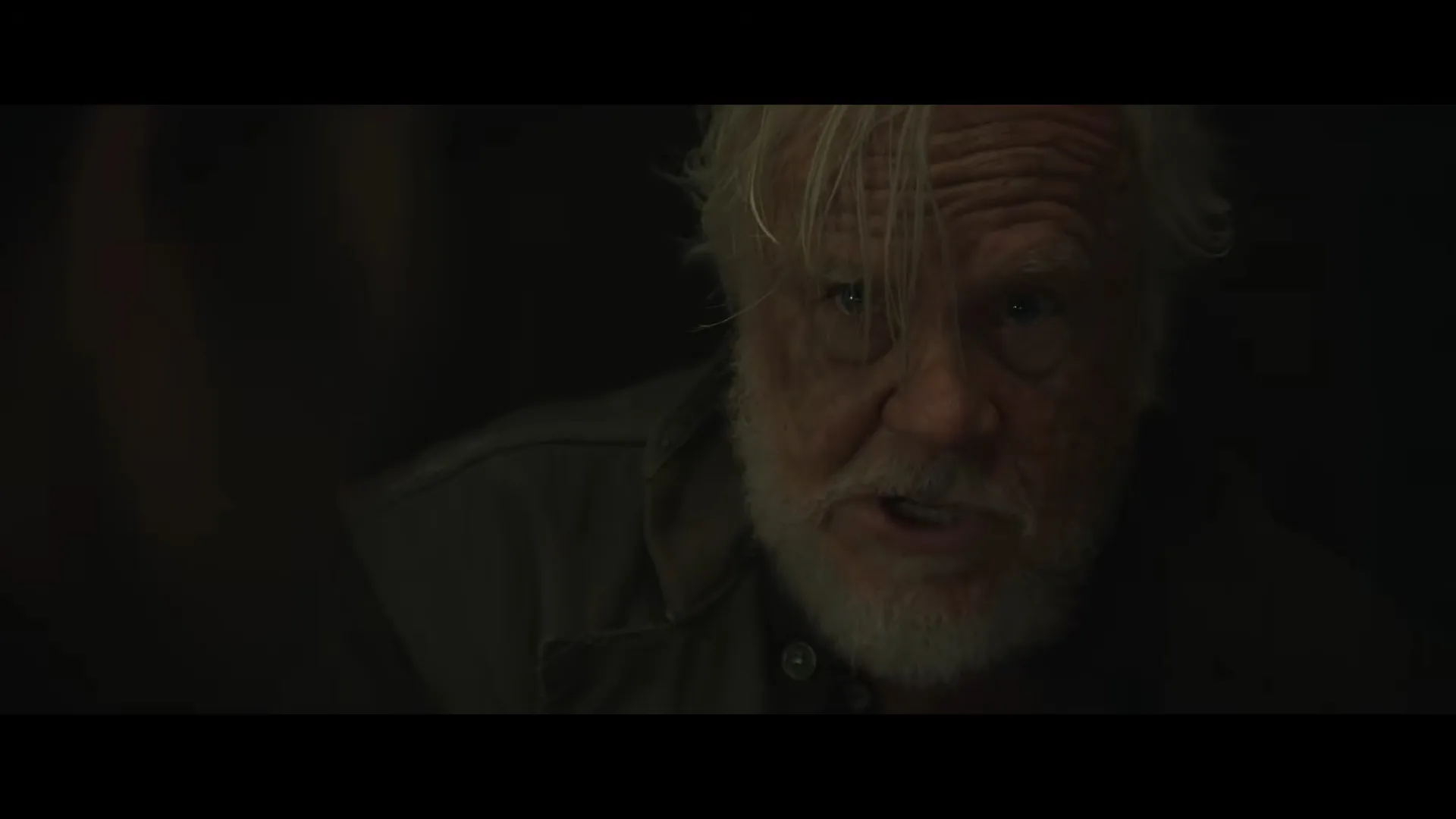
Stensen says the silos were created as a survival system capable of preserving enough people to repopulate Earth after an extinction-level catastrophe. Earlier explanations about storing seeds, art, literature and scientific knowledge are only part of the plan. The most important “seeds” are human beings.
His project calls for 50 underground silos. Rather than continuously moving a smaller group of giant digging machines, Daniel argues that Stensen should build 50 diggers and simply leave one beneath each finished silo. That innocuous engineering recommendation suddenly explains something viewers already know about the enormous machinery buried below Juliette’s world.

Stensen is not preparing for one specific disaster. He lists nuclear war, pandemics, artificial intelligence, climate collapse and other existential threats, but identifies nanotechnology as the possibility that frightens him most. In his view, a nanoweapon is especially dangerous because a hostile government or even a much smaller actor can produce something catastrophically powerful far more cheaply than a nuclear arsenal.
The episode still stops short of confirming that Stensen correctly predicted the exact event that eventually forced humanity underground. What it does establish is why the project existed before the catastrophe. The silos were not originally conceived as prisons. They were engineered as humanity’s emergency backup plan.
Gus’ secret explains how Silo 1 can kill the other silos
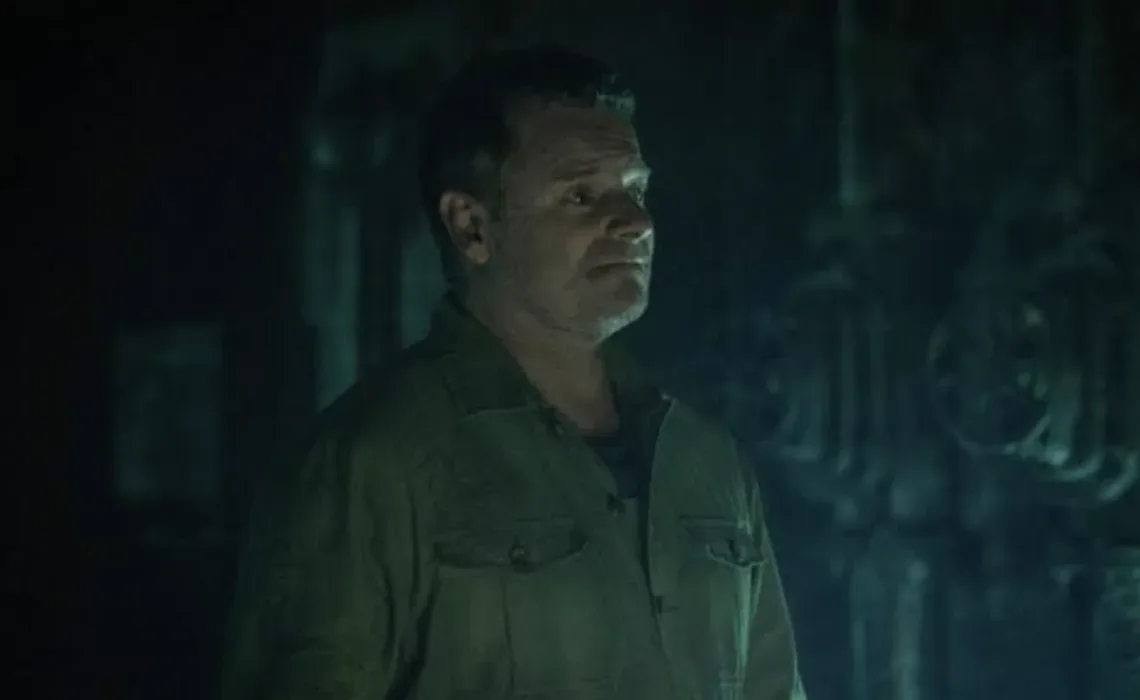
Back in Juliette’s timeline, Knox’s father Gus admits that he designed the basic distribution system that could carry the Safeguard poison from Silo 1 to the surrounding silos. He originally developed the concept after discussing it with Harwood, who later asked him to draw up the design in exchange for getting him out of the mines and giving him a new life.
Gus reasons that Silo 1 would never need 49 separate poison lines. Instead, one central system could divide the silos into seven groups, with one main line feeding each group and additional pipes branching toward individual silos. His sketch gives Juliette’s side a practical picture of infrastructure nobody was supposed to know existed.
The discovery is crucial because Juliette no longer wants merely to survive one Safeguard attack. She wants to take away Silo 1’s ability to kill Silo 18 whenever it chooses. The new plan is to reach the relevant pipe, pinch it airtight, cut it farther downstream and weld a cap into place for redundancy.
Gus’ confession is important enough that Apple makes it one of the two events singled out in the official Episode 8 synopsis.
Jimmy finally learns how his mother died
The trip to Silo 17 produces one of the episode’s saddest answers. Jimmy discovers that his mother deliberately sacrificed herself while trying to stop poison from entering the silo.
Lukas and Kennedy survive the attack outside and reach Jimmy and the children in Silo 17. Kennedy has been shot, although the bullet passes through his radio before hitting him, and the group manages to restore enough communications equipment to contact Silo 18. Juliette uses the connection to ask Jimmy to investigate the mystery of his mother’s death.
They eventually find her body in a cleaning suit behind a sealed panel. Evidence at the site indicates that she sawed into the poison pipe while using a welding torch to burn off what escaped. When her welding fuel began running out, she apparently realized she could no longer finish the job safely.
Her final solution was to weld herself inside the compartment and use her own sealed position as part of the barrier. Jimmy had already grown up knowing that his father sacrificed himself to protect him. Episode 8 finally gives him the corresponding truth about his mother: she died protecting the entire silo.
Related: Silo S3E6 Recap: Who Is Going to Silo 17 and Why Does the Algorithm Want Them Dead?
Is Shirley pregnant?
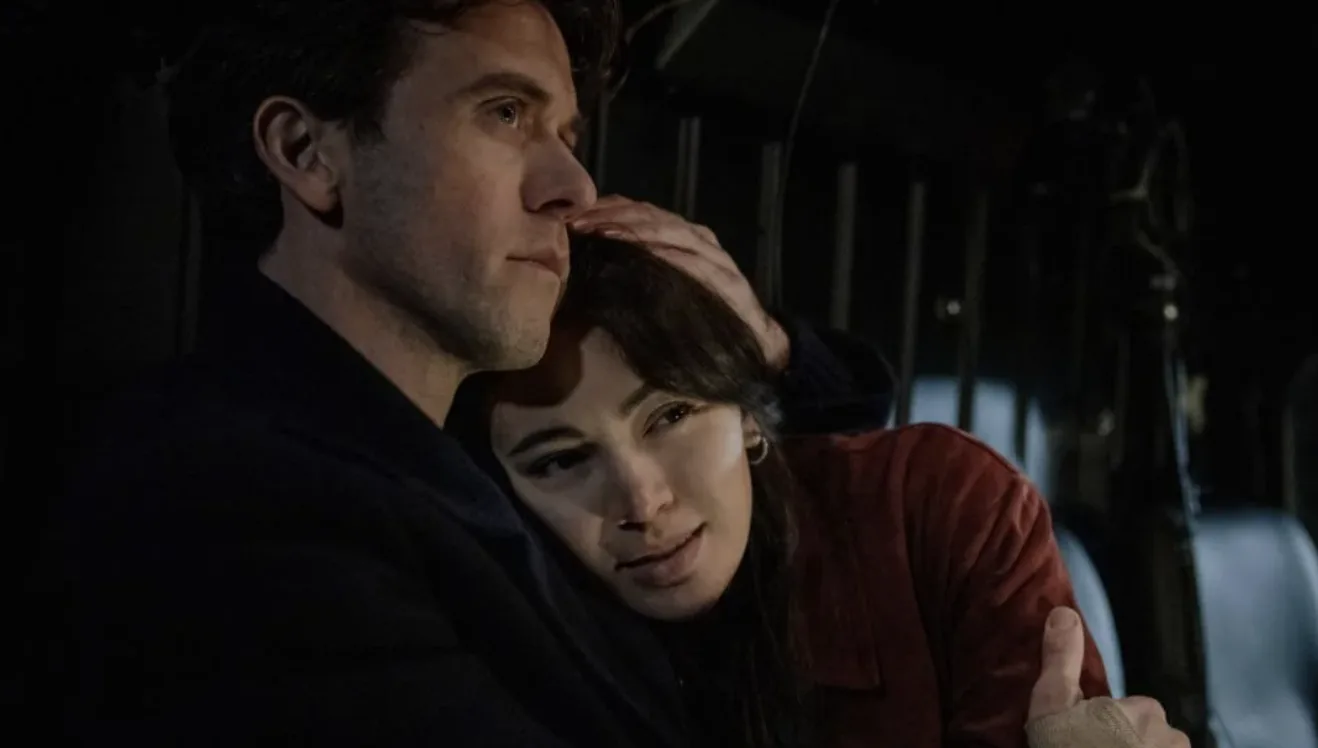
Episode 8 strongly confirms that Shirley is pregnant, or at minimum that she and Knox deliberately removed her birth-control implant in order to have a child. Juliette notices what Shirley has been hiding and immediately understands why she did not tell her. Shirley knows Juliette would worry that pregnancy makes taking part in the dangerous Safeguard operation unacceptable.
The more revealing detail is that Knox personally removed the birth control. Shirley describes getting medical supplies from the dentist so that the procedure could be done without pain, while Knox was far more distressed about cutting into her than she was.
It is a surprisingly intimate development in the middle of a plot about poison pipes and rebellion. Shirley and Knox have spent much of Silo existing in crisis mode, where surviving the next hour tends to matter more than planning for years ahead. Choosing to have a child means they are making a bet that the silo still has a future worth living in.
That makes Shirley’s insistence on continuing the mission more complicated. She is not risking only herself anymore, something Juliette recognizes immediately even if Shirley refuses to be sidelined.

Why does the Ralf Melby name expose Judicial’s trap?
The rebels’ operation collapses because Sandy manages to warn Juliette that Judicial knows what they are doing by using the name “Ralf Melby.” Billings recognizes the name because Judicial had previously tried to frame a man called Ralf Melby when he and Sandy worked together.
When Juliette hears that the supposed welder being sent to the operation is Ralf Melby, she understands that the name is not accidental. Sandy is telling them, without openly saying it over a monitored communication channel, that Judicial has compromised the plan.
There is another complication. Juliette realizes that Silo 17 is physically oriented differently from Silo 18, which means the panel she had identified as the equivalent Safeguard access point is in the wrong place. Shirley has been heading toward the wrong hatch at precisely the moment their cover begins falling apart.
Juliette tells Shirley to escape and find another way to complete the mission. Her own chance to reach the pipe is finished.
What happens to Juliette at the end of Episode 8?
The final scene confirms that Juliette has been captured, although the episode does not yet explain exactly what Judicial intends to do with her. Her allies receive the news with the blunt announcement that “they got Jules,” immediately reviving the desperate options they had considered earlier.
One response is to return to the old plan and destroy Judicial. The obvious problem is that Juliette is now inside, making an explosion potentially fatal to the person the rebellion is trying to protect. Others insist that the Safeguard pipe remains the real priority because stopping Silo 1’s ability to poison them was Juliette’s objective in the first place.
That cliffhanger leaves Episode 8 with two battles instead of one. Juliette’s people need to get their leader back, but every hour spent reacting to her capture gives Judicial and Silo 1 more time to maintain control of the weapon hanging over everyone in Silo 18.
“Gray Goo” therefore connects the two eras more directly than any previous Season 3 episode. In the past, powerful people build the silos because they fear technology capable of wiping out humanity. Generations later, another centralized system uses an invisible poison as the ultimate guarantee of obedience. Juliette now knows much more about the machinery controlling her world, but Episode 8 ends by proving that knowledge is not the same thing as freedom.