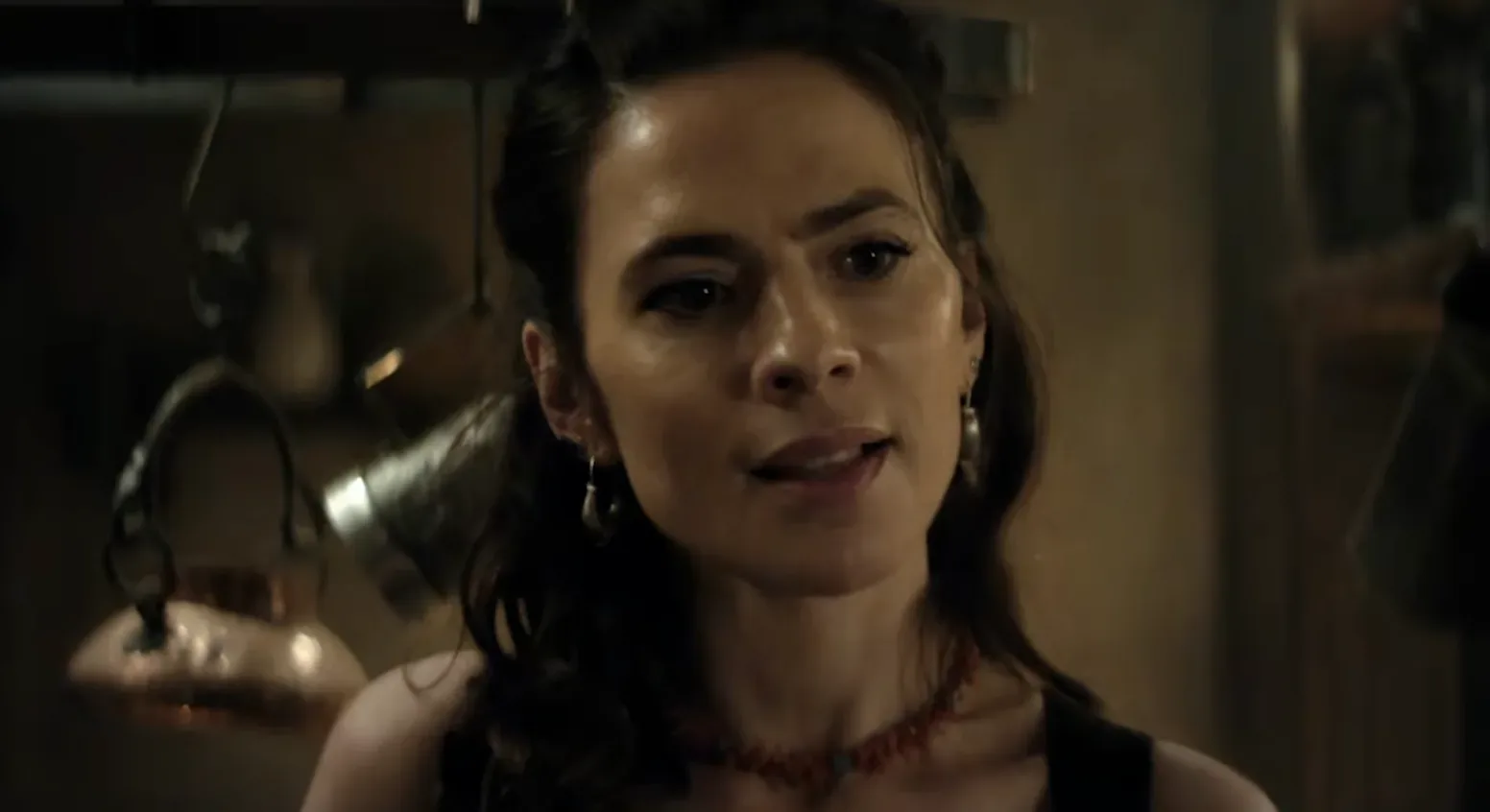
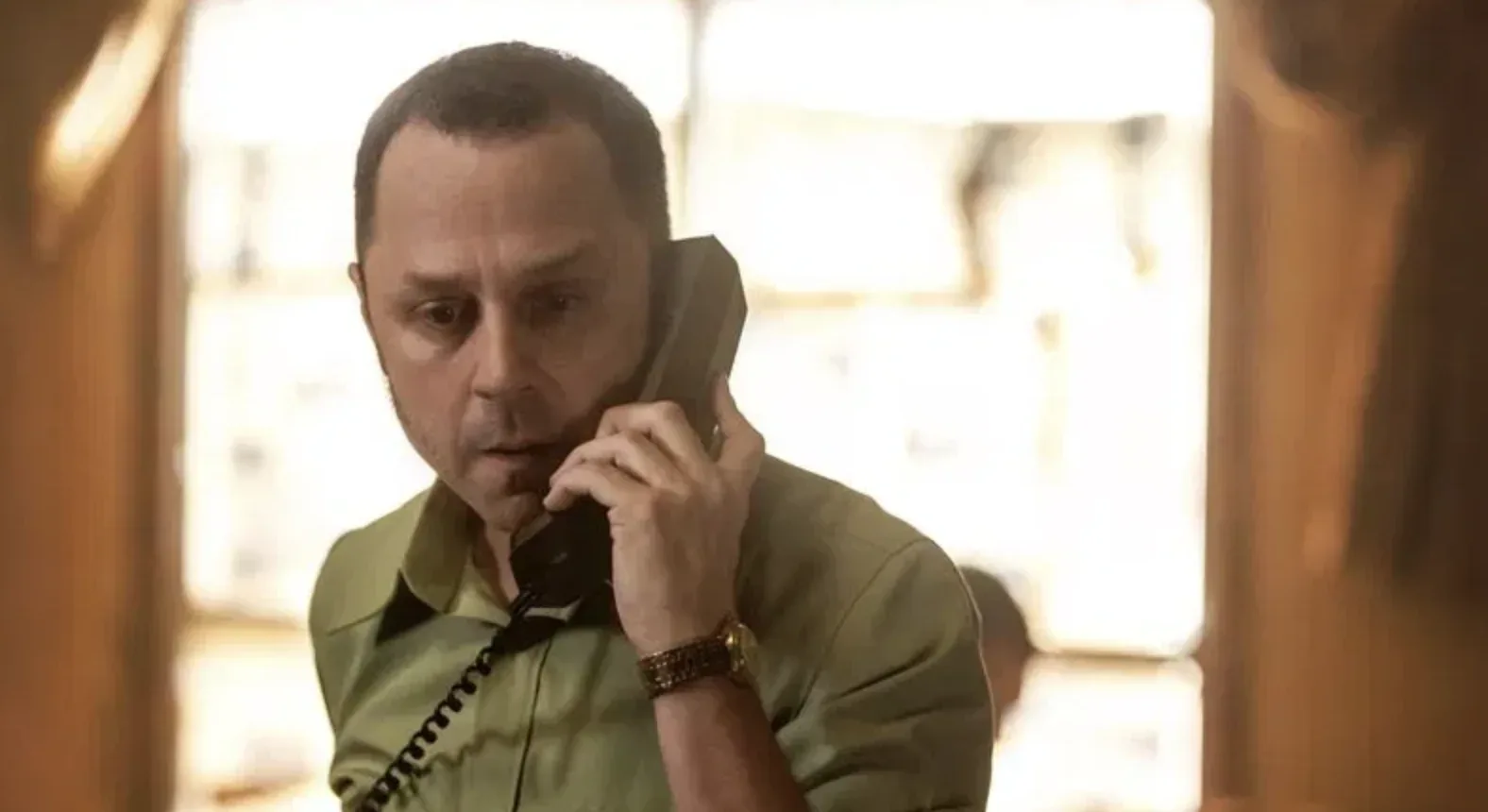
Priscilla Lets Lucky Walk Away Because She Sees the Life She Never Got to Have
Priscilla lets Lucky go at the end of Lucky because Lucky asks for something Priscilla was never given herself: a genuine chance to walk away. The request arrives after Priscilla finally turns against Wayne Whittaker, the man who controlled much of her adult criminal life and who also failed Cary as a father. Lucky could…

Priscilla lets Lucky go at the end of Lucky because Lucky asks for something Priscilla was never given herself: a genuine chance to walk away. The request arrives after Priscilla finally turns against Wayne Whittaker, the man who controlled much of her adult criminal life and who also failed Cary as a father. Lucky could easily become another version of Priscilla if the cycle continues. Instead, Priscilla allows Lucky and John to leave, gives up her claim to the $10 million and says she believes Cary would have wanted Lucky to have it. Her choice is partly about Cary, but it is also Priscilla refusing to trap another woman inside the life that trapped her.
That makes the scene more than an unexpected act of mercy. Priscilla is proving her own warning to Lucky does not have to come true.
Spoiler Alert
Why Does Lucky Ask Priscilla to Let Her Go?
Lucky asks because she has reached the point where running from one criminal only to land under another person’s control no longer counts as survival.
By the time the final confrontation ends, Lucky has spent the season being treated as an asset by almost everyone around her. Wayne wants his money. The FBI wants Wayne and Priscilla. John wants another chance with both his daughter and the fortune.
Even Cary, despite genuinely loving Lucky, began the season by drugging and abandoning her because he had his own plan for the stolen money.
Lucky’s request to Priscilla is therefore unusually simple.
She does not promise another con. She does not try to manipulate Priscilla with money. She asks for a chance to leave.
When Priscilla warns that walking away is not that easy, Lucky answers from experience: she has never actually been allowed to try. That is what changes the scene.
Related: Lucky’s TV Ending Changes the Book’s Entire Route to Freedom
Priscilla Sees Too Much of Herself in Lucky
The finale pays off a connection the series has been building before the two women ever reach this moment.
In Episode 6, Priscilla already tells Lucky that escaping a location or criminal organization will not matter if she cannot escape the person the life has made her. Priscilla believes Lucky will eventually become like her because both women have spent years sacrificing pieces of themselves for men and families tied to crime.
That warning is not simply a threat. Priscilla recognizes herself.
Annette Bening has described her character as someone who remains under Wayne’s thumb despite her age, experience and power. Priscilla is capable of frightening almost everyone around her, yet Wayne still frightens her. Bening specifically identified that contradiction as central to understanding the character.
Lucky represents the younger version of that trap. If Priscilla refuses to let her leave, she is helping create the future she predicted.

Cary’s Death Changes Priscilla’s Decision
Cary is the most important reason Priscilla’s relationship with Lucky changes.
For much of the series, Lucky is inseparable from Priscilla’s anger over her son. She is Cary’s wife, his partner in the heist and eventually the person who survives after Cary does not.
That could easily make Lucky the target of Priscilla’s grief. Instead, Episode 7 forces Priscilla to place responsibility somewhere else.
Lucky confronts Wayne with the damage his rejection did to Cary. Cary spent his life trying to understand why his biological father wanted nothing to do with him and feared that whatever was wrong inside Wayne might also exist inside him.
The stolen money itself becomes part of that father-son conflict. Cary’s decision to take it was ultimately a message to Wayne.
Once Priscilla understands that, the finale stops being about punishing Lucky for Cary and becomes about finally confronting the man whose absence shaped her son’s life.
Why Does Priscilla Turn Against Wayne?
Priscilla turns because Wayne proves that money and power still matter more to him than the human damage around him.
The series has always established Wayne as the person above Priscilla in the criminal hierarchy. She may control other people, but she has spent years living with his ability to control her.
That dynamic becomes unbearable once Cary’s death is placed between them.
Priscilla confronts Wayne over the fact that he never tried to be a father to Cary. It is not merely retrospective anger. It reframes everything she has done for Wayne as service to someone who could not give her son even basic recognition.
Once she breaks with Wayne, she is no longer just removing a dangerous criminal.
She is rejecting the relationship that defined the limits of her own life.
That makes Lucky’s later request arrive at exactly the right moment.
Why Doesn’t Priscilla Take the $10 Million?
Because recovering Wayne’s money no longer means what it meant before his fall.
Earlier, Priscilla needed the money back partly because Wayne expected it. Losing it placed her under enormous pressure, and Lucky became valuable because she was the clearest path to Cary and the stolen fortune. The series’ initial pursuit is built around that imbalance of power.
By the finale, that obligation is gone.
When Lucky asks about the money after Priscilla agrees to let them leave, Priscilla decides Lucky can retain control because she believes Cary would want that.
This is not Priscilla suddenly becoming morally clean. She remains a criminal who has done terrible things.
The change is narrower and more believable.
She is finally making one decision according to Cary’s interests rather than Wayne’s.
“I Didn’t Do It for You” Explains Priscilla’s Choice
Priscilla makes clear that her mercy should not be mistaken for affection. She does not forgive Lucky in the conventional sense, nor does the finale suddenly turn the two women into family.
When Lucky thanks her, Priscilla essentially tells her that Lucky is not the reason she made the decision. Cary is part of it.
But so is Priscilla herself.
The series’ creators have repeatedly emphasized that they did not want its antagonists reduced to simple villains. Jonathan Tropper has described the characters as people shaped by their circumstances, while the larger theme asks whether someone can eventually change the circumstances that formed them. Lucky does exactly that.
Priscilla may never fully manage it herself, but she can at least stop preventing someone else from trying.
Priscilla Proves Her Own Prediction Wrong
Earlier, Priscilla tells Lucky she will become like her. The finale gives Priscilla the power to make that prediction come true.
She could take the money, kill Lucky or force her into another arrangement. Lucky would remain trapped inside the same logic that has defined both women’s lives: nobody really leaves, power belongs to whoever is more dangerous, and family is just another form of leverage. Instead, Priscilla points toward the door.
Marissa Stapley has said she viewed the screen ending as true to Lucky’s search for freedom and a new beginning, even though the adaptation substantially changes her novel’s plot.
Priscilla is the person who finally makes that new beginning physically possible. But Lucky still has one more person to escape. She leaves Priscilla’s world through the door Priscilla gives her, then walks away from John on her own.
Related: Lucky’s Ending Finally Reveals the One Person She Can’t Keep Saving
That is why Priscilla’s mercy matters so much. She cannot undo Cary’s death or rebuild the life Wayne helped damage. What she can do is refuse to make Lucky inherit it.