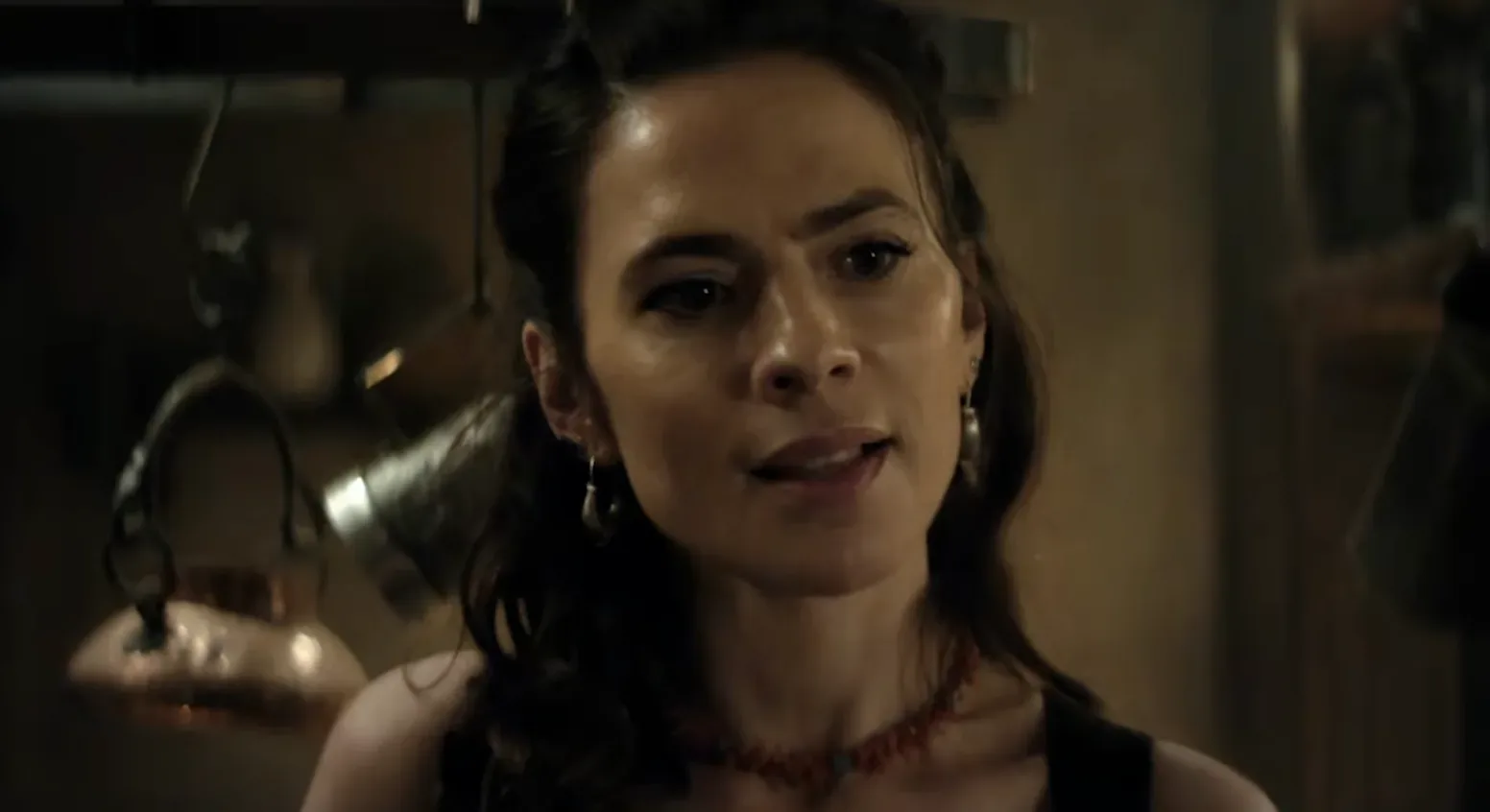
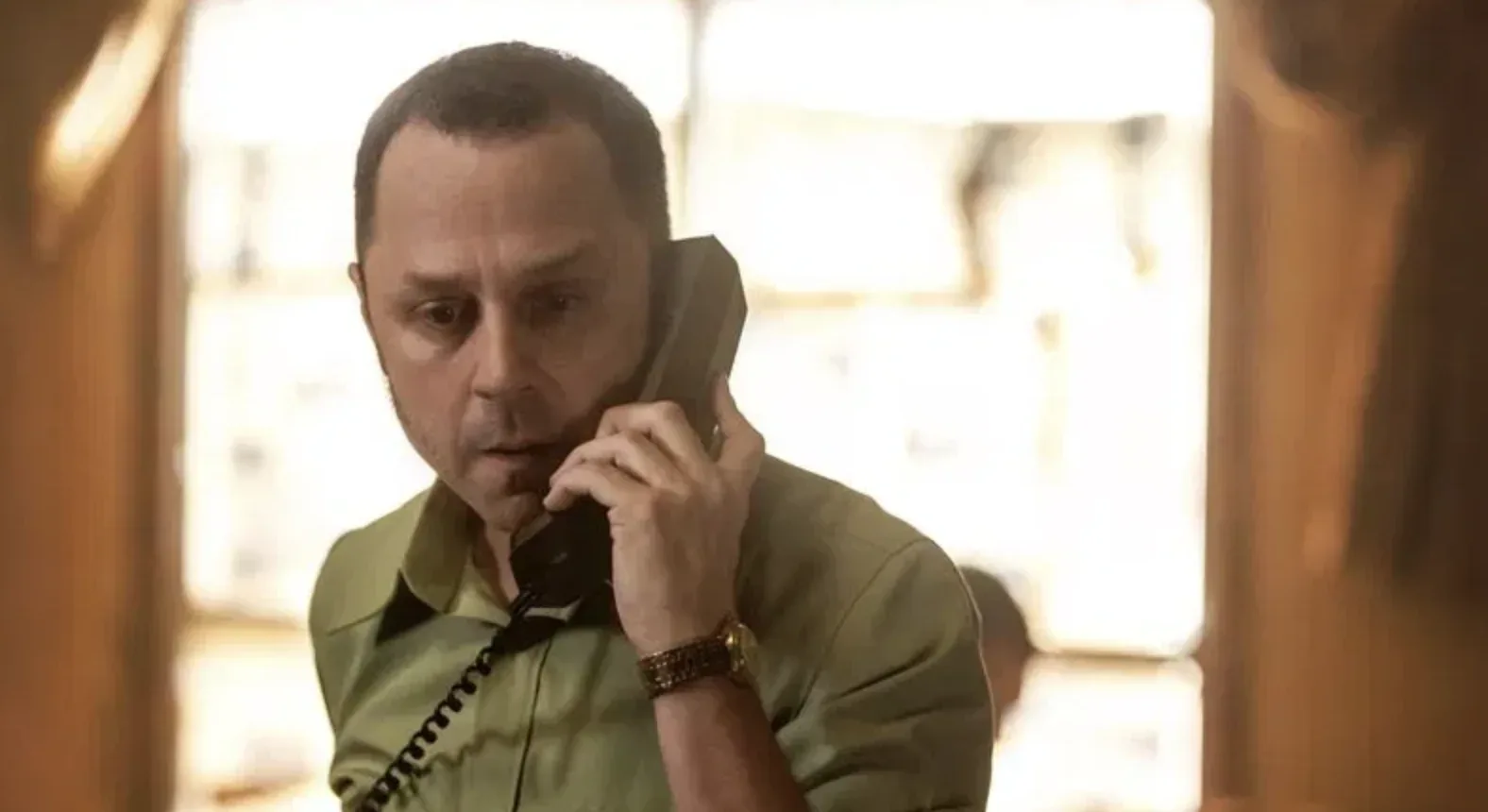
Lucky’s TV Ending Changes the Book’s Entire Route to Freedom
Apple TV’s Lucky reaches roughly the same emotional destination as Marissa Stapley’s novel, but it takes a radically different road to get there. Both versions end with Lucky gaining something she has spent her life chasing: the possibility of deciding who she wants to be rather than letting criminals, family or circumstance decide for her.…

Apple TV’s Lucky reaches roughly the same emotional destination as Marissa Stapley’s novel, but it takes a radically different road to get there. Both versions end with Lucky gaining something she has spent her life chasing: the possibility of deciding who she wants to be rather than letting criminals, family or circumstance decide for her. Almost everything around that resolution changes. The novel builds its final act around a winning lottery ticket, Lucky’s biological mother, Cary’s continued survival and Priscilla’s arrest. The series replaces those threads with Cary’s death, the stolen $10 million in cryptocurrency, Wayne Whittaker and Lucky’s painful decision to separate herself from John.
Stapley has embraced those changes. She has described the book and series almost as companion pieces and said the screen ending remains faithful to what Lucky ultimately seeks in both versions: freedom and a new beginning.
The TV Show Replaces the Book’s Lottery With Cary’s $10 Million
The biggest structural change is the money Lucky spends the story trying to reach.
In Stapley’s novel, Lucky possesses a winning lottery ticket worth millions, but cashing it would expose her identity and potentially lead law enforcement straight to her. The ticket represents a frustrating kind of freedom: she possesses enough legitimate money to start over, but her criminal history prevents her from safely claiming it. Simon & Schuster’s own guide to the novel identifies the lottery ticket as Lucky’s imagined escape from the life she has been living.
The Apple TV series removes the lottery entirely. Anya Taylor-Joy confirmed before the premiere that this was one of the adaptation’s biggest departures from the novel.
Instead, the show centers everything on the $10 million Lucky and Cary steal, which Cary later converts into cryptocurrency. By Episode 7, the seed phrase controlling that money becomes Lucky’s final bargaining chip with Wayne and Priscilla.
That change makes the television money morally messier. The lottery ticket is legitimately Lucky’s. Cary’s crypto fortune is stolen money tied to an entire chain of criminal relationships.
Cary Has a Completely Different Ending in the Book
The show’s most irreversible departure is Cary. Apple TV kills Cary in Episode 4 after his reunion with Lucky ends in a violent escape attempt. Drew Starkey described the death as tragic because Lucky and Cary finally begin acknowledging that their relationship still contains real love just before she loses him. The novel does not give Cary that redemption through death.
Book Cary survives. By the closing chapters, he is in a rehabilitation facility and claims to have amnesia. Lucky ultimately contacts him while cooperating with law enforcement, and his own words help build the case against Priscilla. The novel leaves him alive but morally compromised rather than turning him into the emotional absence that drives the show’s second half.
That changes Priscilla as much as it changes Lucky.
TV Priscilla is grieving a dead son when she faces Lucky. Book Priscilla still has Cary alive and remains deeply connected to his criminal behavior. The series can therefore use Cary’s death to create a strange bond between the two women that the book never needs in the same form.
Related: Lucky’s Ending Finally Reveals the One Person She Can’t Keep Saving
The Book Gives Lucky a Biological Mother the Series Leaves Out
The novel’s ending is also a story about discovering where Lucky actually came from.
Lucky eventually learns that John Armstrong is not her biological father. The woman who gave birth to her is Valerie Mann, who was only a teenager when she left her baby at a church. Valerie later becomes Manhattan’s district attorney and spends years hoping to find her daughter. Their eventual reunion gives Lucky something she has never really possessed: family history that did not originate with John’s cons. Apple’s version abandons that search almost entirely.
The original novel’s official description specifically foregrounds Lucky trying to find the mother who abandoned her, while the series instead concentrates much more heavily on Lucky and John’s father-daughter bond. Showrunner Jonathan Tropper has said that the complicated relationship between Lucky and John was what most attracted him to the adaptation, and that the writers built a different thriller structure around it.
That choice becomes crucial in Episode 7. TV Lucky does not find another parent who offers her a healthier route forward. She has to create that route herself.
Priscilla Is Arrested in the Book, but Makes Her Own Choice in the Show
Book Lucky defeats Priscilla by using the skills she was raised with in cooperation with law enforcement.
Valerie helps arrange a deal in which Lucky assists the case against Priscilla. Lucky gets Priscilla talking during a wired meeting, obtains incriminating admissions and helps put her in position to be arrested. The lottery ticket is recovered as part of that final confrontation.
Episode 7 goes in a much more personal direction.
Lucky does expose an FBI betrayal during the confrontation with Wayne, but Priscilla’s fate is not reduced to Lucky delivering her to authorities. Instead, Priscilla turns against the system that has controlled her, confronts Wayne over Cary and ultimately decides what to do with Lucky herself.
When Lucky asks to be allowed to leave, Priscilla could easily kill her or reclaim the $10 million. She does neither.
The television finale therefore gives Priscilla an agency that the novel’s ending does not emphasize in the same way. Annette Bening has described Priscilla as a woman who has spent much of her life under Wayne’s control, despite being terrifying in her own right. Her choice to let Lucky walk away completes that theme.
John and Lucky’s Final Goodbye Is Much Harsher on Television
The novel leaves considerably more room for reconciliation between Lucky and John.
Book John is released from prison suffering cognitive and memory problems. Lucky confronts him about lying to her, but the ending carries the possibility that she can forgive him without denying the damage he caused. Television Lucky reaches the opposite conclusion.
Episode 7’s final flashback reveals that John once knowingly used young Lucky’s inability to swim as part of a hotel scam. She really was in danger while he turned the situation into leverage for free rooms. The memory destroys her ability to keep romanticizing his parenting.
Then John proves that the pattern still exists by returning to the $10 million after Lucky explicitly says she wants nothing to do with it.
Lucky does not send him back to prison. She gives him his freedom, tells him she loves him and walks out of his life.
It is much less forgiving than the book, but it matches the show’s larger emphasis on Lucky separating her identity from her father’s worldview.
Both Endings Still Want the Same Thing for Lucky
For all those differences, Stapley does not see the television finale as a betrayal of her novel.
She has argued that books and screen adaptations should not be expected to reproduce one another mechanically. In her view, the original book is a launching point, while the adaptation needs to find its own way to express the characters on screen. She was particularly emotional about the finale because she felt it preserved Lucky’s desire for freedom and reinvention. That is the connection holding the two endings together.
Book Lucky gains a mother, a legal path forward and eventually the possibility of claiming legitimate lottery winnings. TV Lucky loses Cary, refuses to let John control her future and walks away carrying the knowledge that she can choose something other than the life she inherited. The plot mechanics are almost opposites. The destination is the same: Lucky finally gets to decide what being Lucky means.