Is the Glamazonian Express a Real Train? How Stop! That! Train! Filmed the Train Scenes
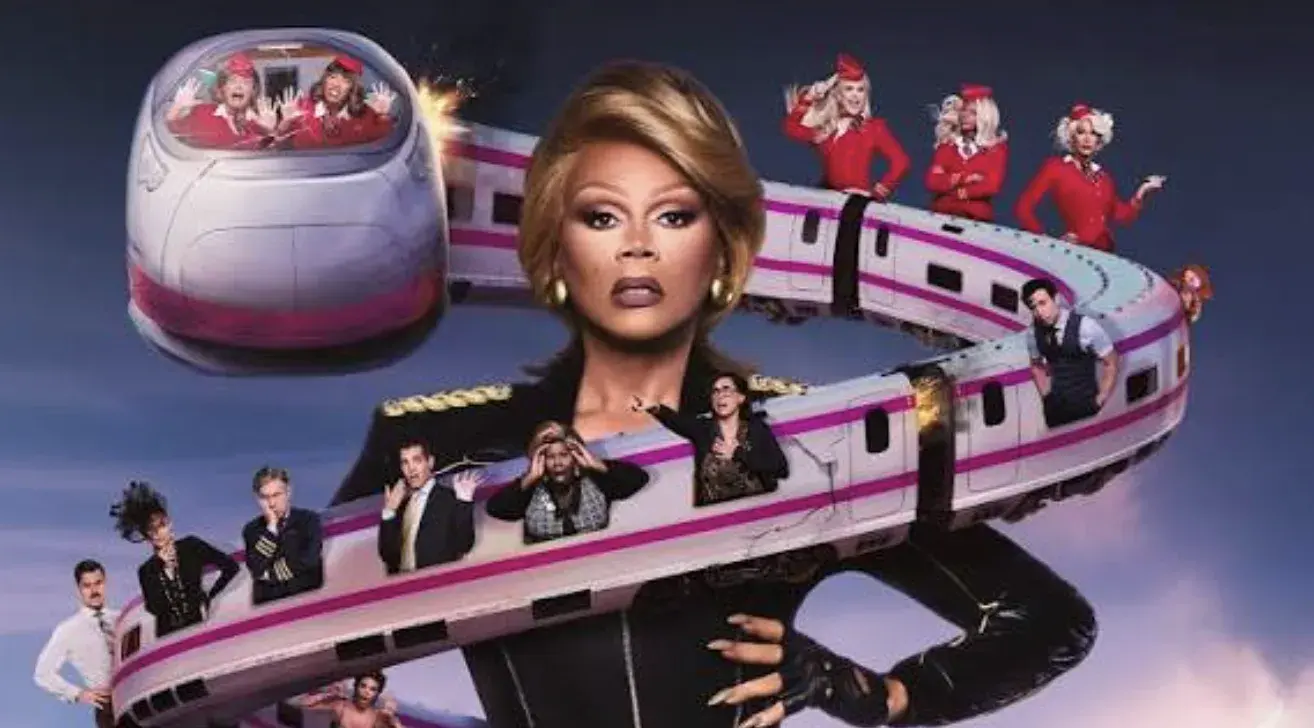
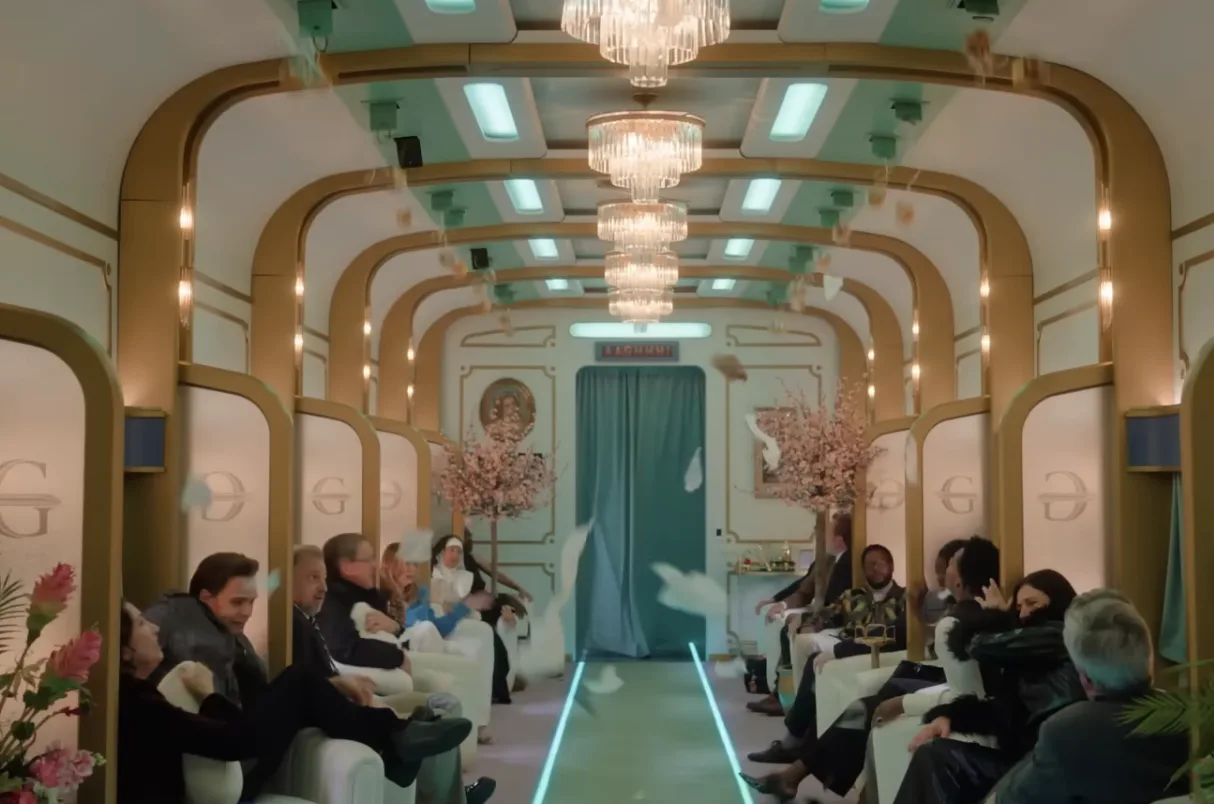
The Glamazonian Express is almost a character of its own in Stop! That! Train!. The extravagant luxury train takes Tess and DeeDee across the country while increasingly absurd disasters unfold around them, complete with first-class cabins, elaborate service areas and a control system that becomes crucial once the train turns into a runaway. Despite how…
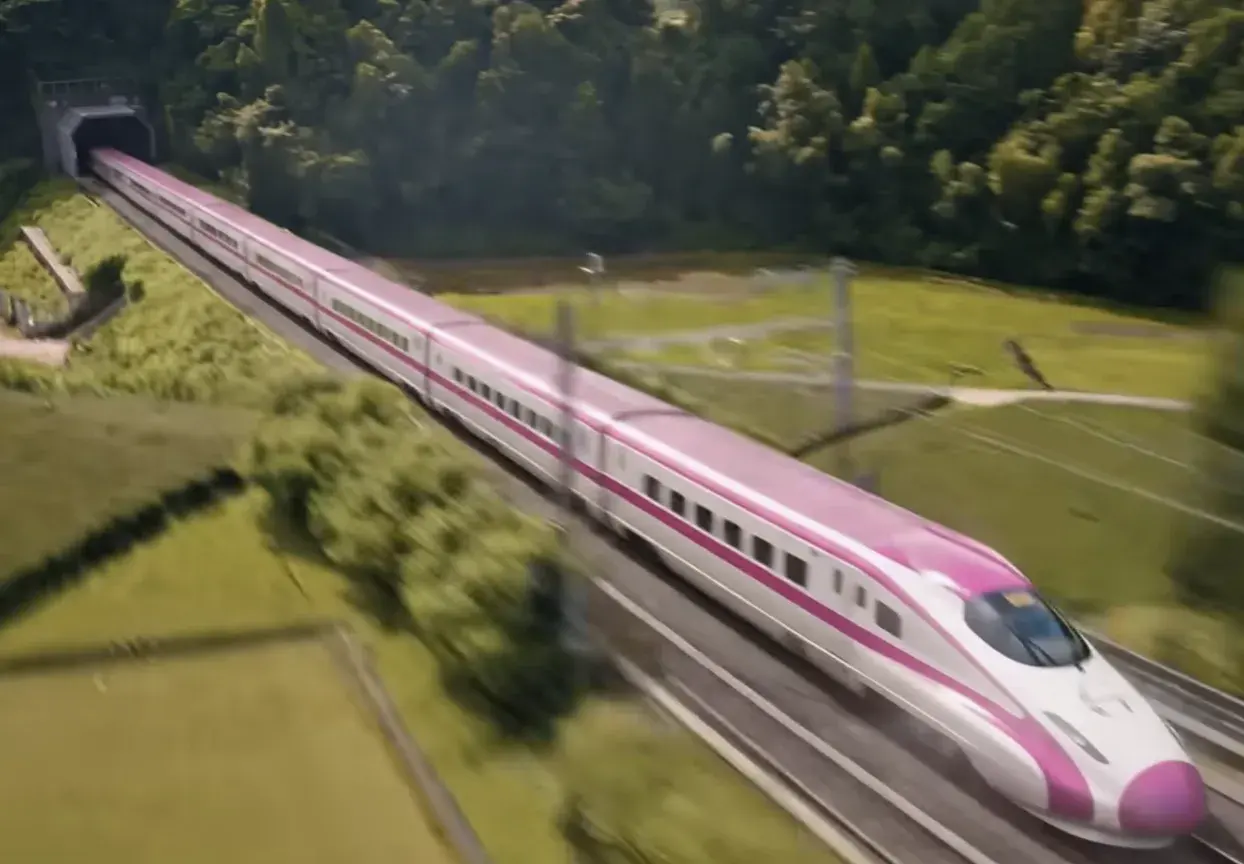
The Glamazonian Express is almost a character of its own in Stop! That! Train!. The extravagant luxury train takes Tess and DeeDee across the country while increasingly absurd disasters unfold around them, complete with first-class cabins, elaborate service areas and a control system that becomes crucial once the train turns into a runaway.
Despite how much of Adam Shankman’s comedy takes place aboard the Glamazonian Express, viewers should not expect to find the train operating somewhere in the United States. The Glamazonian Express is fictional, and the filmmakers used a surprisingly simple production setup to create its many interiors.
Related: Stop! That! Train! Ending Explained: Do Tess and DeeDee Save the Glamazonian Express?
Is the Glamazonian Express a Real Train?
No, the Glamazonian Express is not a real American passenger train or luxury railway service.
In the movie, it represents the glamorous opposite of Stank Rail, where Tess and DeeDee initially work. The two friends dream of joining the Glamazonian crew because its attendants, passengers and facilities seem to belong to an entirely different world.
The movie treats the railway almost like an exaggerated airline, complete with different classes of service, uniformed attendants and an elaborate onboard hierarchy. ABC described the Glamazonian Express as the luxurious train line Tess and DeeDee sneak aboard after leaving their much less glamorous jobs at Stank Rail.
The real production, however, did not need a functioning luxury train to create that world.
How Were the Glamazonian Express Interiors Filmed?
Director Adam Shankman has revealed that most of what viewers see as different sections of the train came from essentially the same basic set.
Shankman explained that the production had one rectangular wooden train structure. Instead of constructing numerous expensive rail cars, the crew repeatedly repainted and redressed that structure overnight so it could become a different part of the Glamazonian Express the following day.
That means the first-class areas, coach sections and other train interiors may look like separate locations within the story, but much of that visual variety came from production design rather than multiple physical train cars.
The approach was necessary because Stop! That! Train! was made quickly and on a comparatively limited budget. Shankman described the production as extremely resourceful, saying the movie itself was completed on a very compressed shooting schedule.
The Train Headquarters Was Also the Production Office
The recycling of locations went beyond the Glamazonian Express itself.
Shankman revealed that the office used as the train company’s headquarters was actually the movie’s production office. Rather than finding another building, the filmmakers turned the real workspace into a set.
Even that was not its only purpose. The same office was later redressed and draped so it could double as the room used for President Judy Gagwell’s press conference.
It is an appropriate behind-the-scenes detail for a movie built around visual jokes and deliberate artificiality. The production was not attempting to make every environment look like an expensive real-world location. Instead, the limited sets became part of the film’s throwback disaster-comedy style.
Was Stop! That! Train! Filmed in California?
Yes. Although Tess and DeeDee’s journey is presented as a cross-country train adventure ending in Celebration, Florida, the production itself was based in California.
The California Film Commission reported that Stop! That! Train! spent more than $6.7 million in California and employed more than 150 cast and crew members, along with hundreds of background performers during production.
That makes the geographical scale of the finished movie even more dependent on sets and visual effects. Tess and DeeDee appear to be racing through changing landscapes and increasingly impossible weather conditions, but the production did not need to take an actual train across the country to create that journey.
Were the Storm and Exterior Train Scenes Created With VFX?
Visual effects were an important part of creating the portions of the movie that could not be achieved using its compact physical sets.
The film attracted some online speculation before release about whether generative AI had been used for its unusual visuals. Shankman publicly rejected the claim that the movie’s shots had been conceived using generative AI and said that hundreds of visual-effects artists worked on the project.
The exaggerated Stormaganza, exterior train shots and increasingly surreal dangers therefore combine the movie’s practical production design with extensive effects work.
That combination also explains the distinctive appearance of the Glamazonian Express. The interiors deliberately have the feeling of brightly dressed physical sets, while the world outside can suddenly become as ridiculous as the comedy demands.
Why Does the Glamazonian Express Look Deliberately Artificial?
Shankman has cited older spoof comedies such as Airplane! as important influences on his approach to Stop! That! Train!. Instead of hiding every budget limitation, he embraced some of the visible artificiality that made those films funny in the first place.
That makes the Glamazonian Express less about convincing viewers that an actual railway company built this train and more about creating a self-contained comedy playground. Its compartments can change depending on the joke, its passengers can become increasingly eccentric, and its technology operates according to whatever absurd problem Tess and DeeDee need to solve next.
In reality, there is no Glamazonian Express waiting to take passengers to Celebration, Florida. Most of the luxury railway viewers see in Stop! That! Train! came from clever redressing of a remarkably simple physical set, supported by production design and visual effects that turned one wooden structure into an entire runaway train.