Women in Blue Season 2 Episode 8 Recap and Ending Explained: What Happens to Goyo?
Women in Blue Season 2 reaches its finale with “Goyo,” an episode that finally connects the Executioner investigation to the corruption the Azules have been circling all season. Aldo Herrera’s final hours leave behind another confession, Goyo and Macaria’s partnership becomes clearer, and a missing section of Filiberto Guerra’s recording points the women toward the…
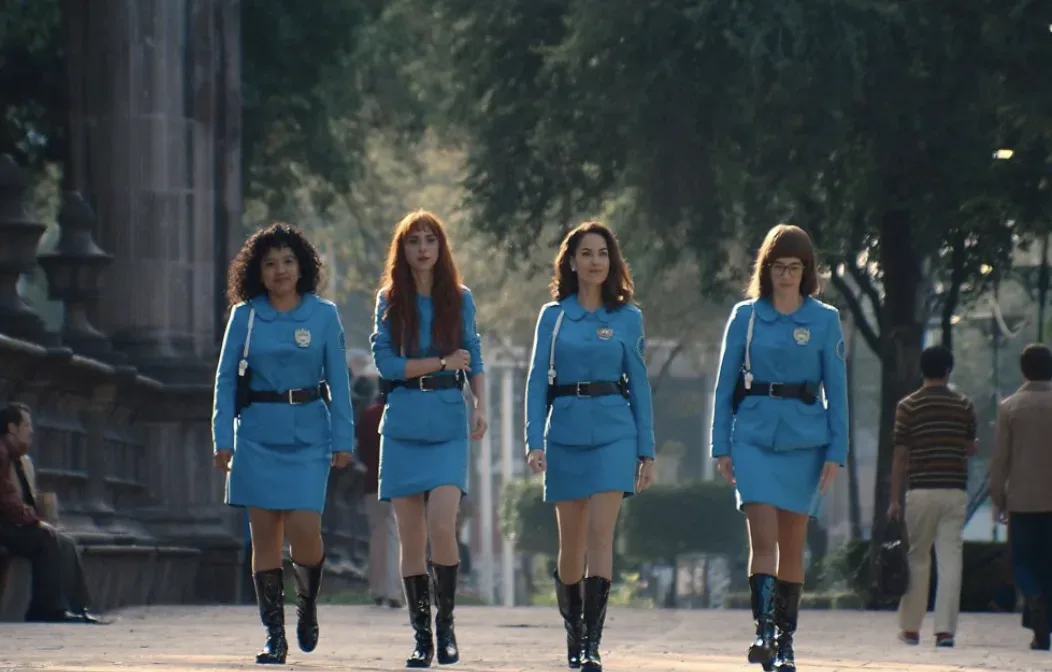
Women in Blue Season 2 reaches its finale with “Goyo,” an episode that finally connects the Executioner investigation to the corruption the Azules have been circling all season. Aldo Herrera’s final hours leave behind another confession, Goyo and Macaria’s partnership becomes clearer, and a missing section of Filiberto Guerra’s recording points the women toward the person who has been hiding closest to the center of the case.
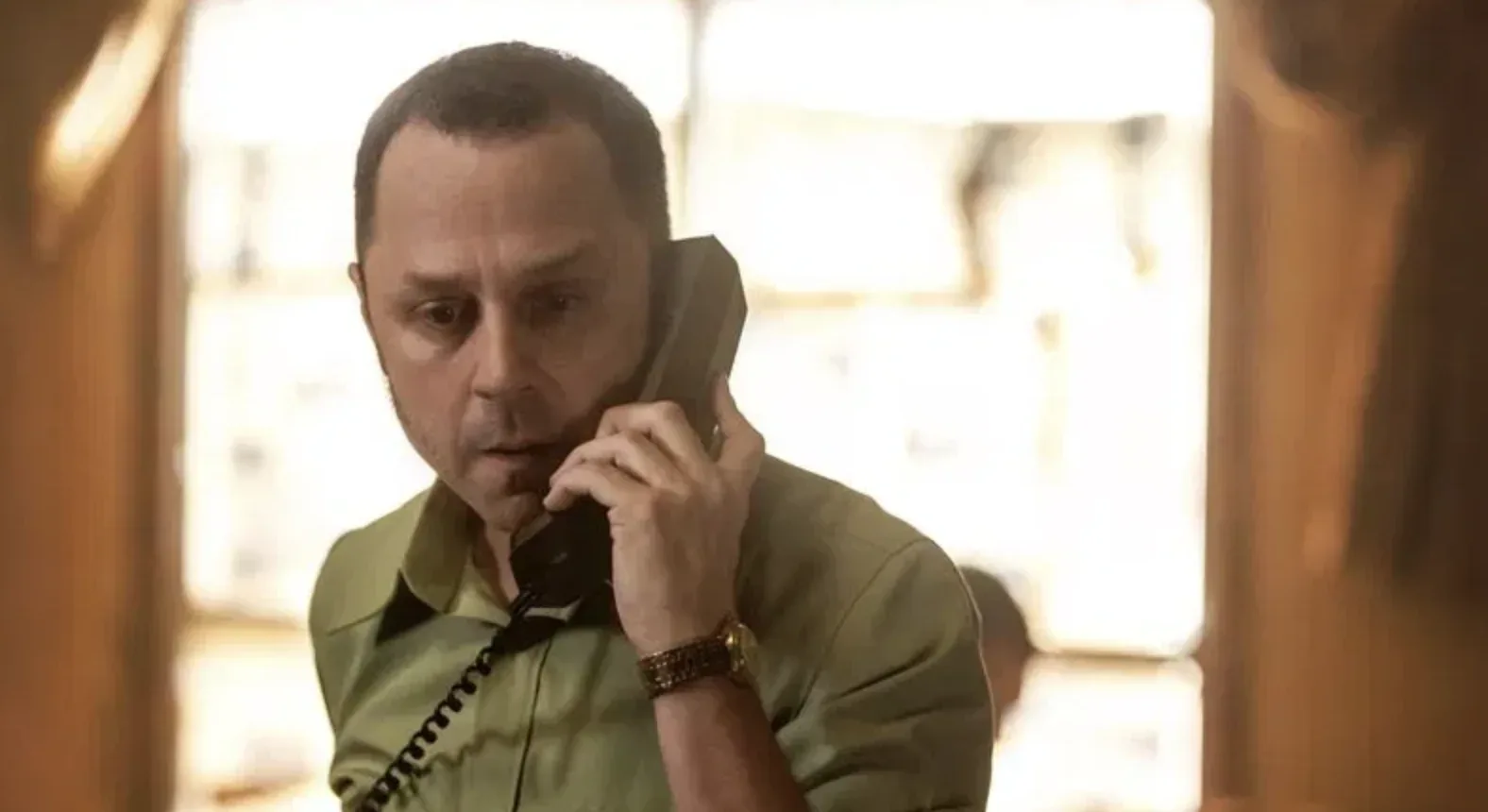
The finale also brings Emilio Escobedo’s secrets into the open. By the time María and the others find Goyo, the investigation is no longer simply about catching the Executioner because it has exposed how decisions made inside the police department helped create the crisis in the first place.
Aldo Herrera dies after Goyo’s escape
The episode begins immediately after Gerardo follows his father’s instruction and releases Goyo. Aldo had ordered his son to let Cadenas go and keep his distance, but Gerardo quickly realizes something is wrong with his father after the exchange is completed.
Aldo does not survive, leaving Gerardo and Gabina to deal with a complicated loss. His official funeral remembers him as a respected commander and public servant, but his children know that the investigation has uncovered another side of his history that cannot simply be buried with him.
Gabina’s conflict becomes particularly important when she learns that Goyo has sent Aldo’s recorded confession directly to her. The tape gives her a choice between protecting the memory of her father and allowing the truth about his actions to become public.
Macaria was working with Goyo
While Commander Cobra takes control of the official investigation, the Azules quietly continue their own work. Their attention turns to Macaria, whose behavior becomes increasingly difficult to explain if she was merely another person being manipulated by Goyo.
The breakthrough comes from hundreds of letters exchanged between Macaria and Goyo while he was in prison. The correspondence reveals that their bond began decades earlier, and later letters show Macaria becoming increasingly accepting of what Goyo had done.
Also Read: Last Seen Season 1 Episode 5 Recap and Ending Explained: Why Did Henry Take Mags?
That evidence changes the women’s interpretation of several earlier events. They conclude that Macaria did not simply know what Goyo was doing but encouraged him, while details such as her supposed abandonment, the Chapultepec meeting and aspects of Goyo’s arrest appear to have been part of a larger performance designed to manipulate the police.
The discovery also gives the Azules an important location. Macaria inherited an old factory that had been closed for years, making it exactly the kind of private place Goyo could use without attracting attention.
Why was Filiberto’s confession tape shorter?
The Azules find another clue while reviewing the Executioner’s recorded confessions. Most of the tapes run for exactly three minutes, matching the standard recording length they are working with, but Filiberto Guerra’s confession lasts only two minutes and 37 seconds.
Evidence shows that Filiberto’s tape had been physically cut. That immediately suggests Goyo removed something he did not want the police to hear, and the women begin looking more closely at what Filiberto might have revealed near the end of his confession.
Their investigation leads María and Valentina to Filiberto’s son Martín. They learn that Filiberto had spoken about being called upon to do something important, while the larger pattern points toward someone inside the police structure having used him for a purpose that went beyond his own actions.
At the same time, Ángeles notices another pattern. The people Goyo has targeted have risen progressively through the police hierarchy, which means his next target should be someone with even more authority than Aldo Herrera.
There is only one obvious person who fits that description: Chief Emilio Escobedo.
Goyo takes Escobedo to Macaria’s factory
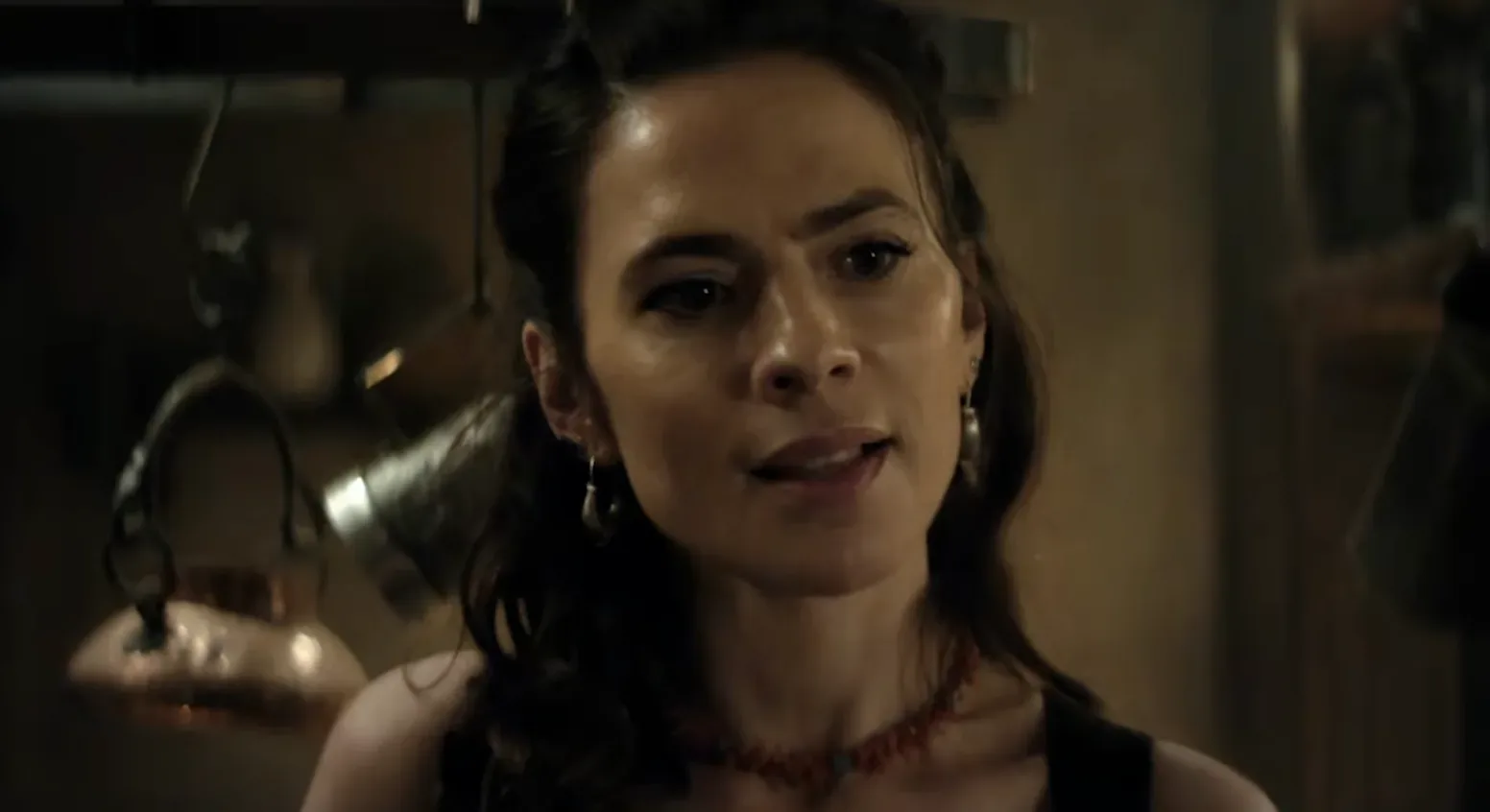
Goyo eventually gets Escobedo alone and brings him to Macaria’s abandoned factory. There, the finale finally connects Filiberto Guerra to the police chief.
Goyo explains that he was able to identify Filiberto by studying the people he had been following. After obtaining a camera, Goyo intended to record evidence that would demonstrate what he was capable of, but Filiberto’s confession gave him something much bigger than expected.
According to Goyo, Filiberto said Escobedo had given him his orders. Escobedo denies the accusation, but Goyo is convinced that Filiberto’s statement was genuine and prepares to force Escobedo to make a confession of his own.
Escobedo attempts to bargain for his freedom by offering Goyo information about other corrupt officers. The offer tells Goyo exactly what kind of man he is dealing with, but the confrontation is interrupted when María, Romandía and the others arrive at the factory.
What happens to Goyo?
The police initially manage to arrest Goyo, while the search for Macaria continues elsewhere inside the factory. However, the situation changes when Goyo gets another opportunity to speak directly to María.
He asks whether she wants to know what Escobedo was going to confess and begins saying that Escobedo was “behind” something. Before Goyo can finish the revelation, Escobedo intervenes and shoots him.
Escobedo then claims that Goyo was trying to harm him. The timing of the scene nevertheless leaves a clear implication because Goyo was seconds away from revealing Escobedo’s secret when the chief stopped him from completing the sentence.
Goyo does not survive, bringing the Executioner’s campaign to an end. Macaria is also captured, meaning the immediate threat is over, but the information Goyo uncovered does not disappear with him.
What was Escobedo hiding?
The Azules’ investigation ultimately reaches the President, who confronts Escobedo with evidence about Filiberto Guerra. The truth is even more damaging than simply covering up another officer’s actions.
Escobedo admits that he wanted to improve the reputation of the police department. His plan was to create another criminal threat similar to the Undresser, have the police successfully catch the person responsible, and then take credit for restoring confidence in the institution.
Filiberto was recruited as part of that scheme. Escobedo insists that he did not specifically tell him to target students, but he did direct Filiberto toward people he believed would attract little public attention.
Instead of producing the controlled public-relations victory Escobedo imagined, the scheme set off a much larger chain of events. Goyo discovered what Filiberto was doing, learned that Escobedo was connected to him and eventually created the Executioner campaign that consumed the department.
The President makes the connection explicit: Escobedo’s attempt to manufacture another Undresser ultimately helped create the Executioner.
How does Women in Blue Season 2 end?
Escobedo is not allowed to walk away cleanly. The President decides that the department’s image will indeed change, but not in the way Escobedo intended, and tells him that prosecutors will hold him responsible for setting these events in motion.
Gabina also makes an important decision about Aldo’s confession. She cannot bring herself to watch the tape, but she realizes that becoming a Woman in Blue means she cannot simply hide evidence because the truth is personally painful. María ultimately takes the confession to Lucas under conditions intended to ensure it can be handled responsibly.
The Azules are then summoned and recognized for their work. Instead of accepting simple praise, they ask for three changes: Gerardo must be released and reinstated as a detective, Romandía must officially join the detective department, and the women need a new unit where their investigative methods can be put to proper use.
The final scene reveals the result. María, Ángeles, Gabina and Valentina are now working in the Division of Behavioral Sciences, and Gerardo immediately needs psychological profiles connected to a Central Bank robbery. Season 2 therefore closes the Executioner case while giving the Women in Blue a much larger role in whatever investigation comes next.