Why Does Henry Turn Against His Father in Last Seen Finale? The Compound Explained
“Last Seen” spends much of its first season presenting Henry Reid as the controlling force in Sarah’s life, but the finale reveals that Henry himself grew up under an even more powerful authority. His father Gareth and the isolated religious community he built shaped much of the worldview Henry later imposed on his own family,…
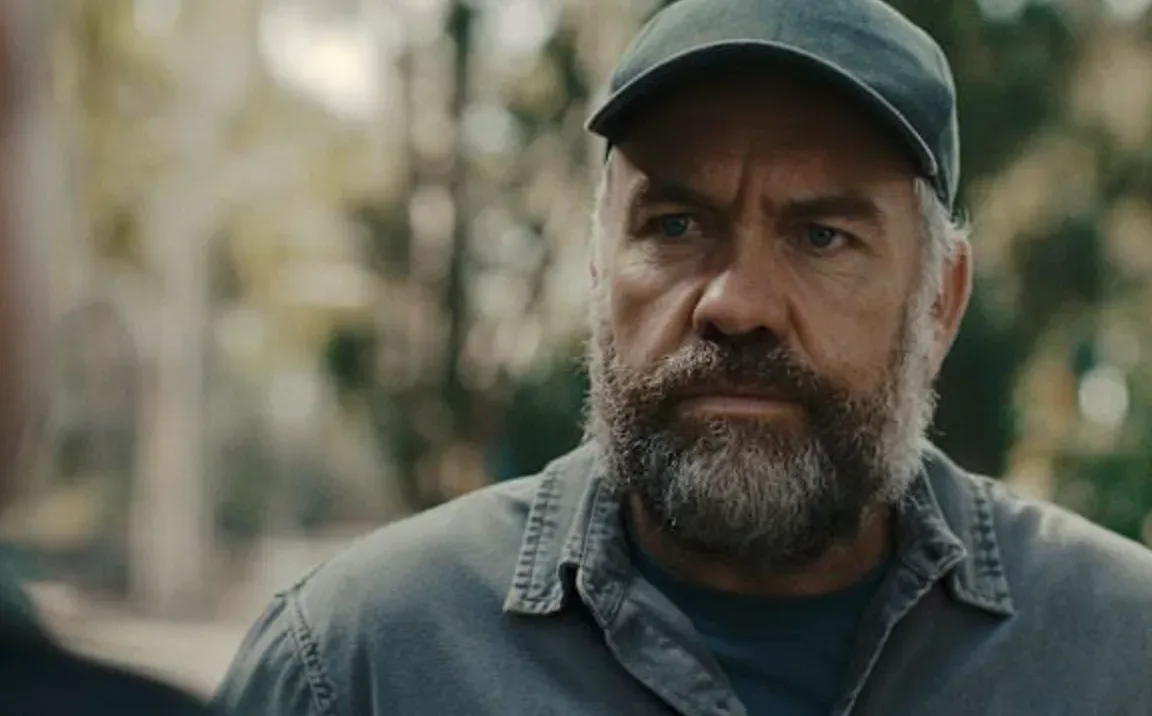
“Last Seen” spends much of its first season presenting Henry Reid as the controlling force in Sarah’s life, but the finale reveals that Henry himself grew up under an even more powerful authority. His father Gareth and the isolated religious community he built shaped much of the worldview Henry later imposed on his own family, making the compound the natural destination when everything at the Reid farm falls apart.
Returning there initially feels like Henry retreating toward safety. By the end of “The Choice,” however, the place becomes the setting where Henry finally turns against the man whose beliefs have influenced his entire life. The reason is not that Henry suddenly rejects everything he has done. The break happens because Gareth becomes an immediate threat to Sarah, and protecting her is the one belief Henry places above obedience to his father.
Also Read: Why Does Maggie Still Call Herself Sarah in Last Seen? Her Final Choice Explained
Why does Henry return to the compound?
Episode 5 introduces the compound through flashbacks to Donald and Jenna’s relationship. Donald returns to his father’s religious community while trying to get his life under control, but he quickly realizes that he still cannot live under Gareth’s authority.
Jenna has the opposite reaction. She finds comfort in the community and stays after Donald leaves, eventually becoming close to Henry. That relationship develops into marriage, and Henry and Jenna later move away after she inherits the farm.
The flashbacks establish something important about the brothers. Donald physically leaves his father’s world and spends years trying to create another life, while Henry carries much more of that world with him.
Even after establishing his own household, Henry repeats many of the compound’s basic ideas. He isolates Sarah, distrusts outsiders, treats his own moral judgments as unquestionable and presents obedience as a form of protection.
That is why, when the police discover the truth about Maggie, Henry instinctively returns to Gareth.
Henry believes his father can save Jenna
Henry’s immediate reason for reaching the compound is Jenna. She has been badly injured, and Sarah repeatedly tells Henry that she needs proper medical treatment.
Henry refuses to accept that ordinary help is necessary. He tells Sarah that his father has helped people recover from serious conditions before and appears to genuinely believe Gareth can save Jenna.
The belief shows how deeply the compound remains inside Henry’s thinking. Even after years away, when his family is collapsing, he returns to the idea that his father possesses an authority beyond normal institutions.
The reality is much harsher. When Henry finally reaches Gareth, his father quickly recognizes that Jenna has already died. Sarah is devastated, especially because Henry had repeatedly reassured her that Gareth would make things right.
The compound is not the refuge Henry remembers
Sarah notices almost immediately that something is wrong with Henry’s description of the community. The thriving place he has promised is largely empty, with only a small group remaining around Gareth.
That detail matters because Henry is not simply returning to a physical location. He is returning to an idea of safety that no longer exists in the form he remembers.
The religious community has already broken apart, but Gareth’s authority over those who remain is still strong. When Henry tells his father that Ian is trying to take Sarah and suggests that authorities are threatening the family again, Gareth quickly accepts his son’s version of events.
The compound then becomes a defensive position rather than a sanctuary. Gareth prepares his remaining followers to resist Ian and the police, repeating the same us-against-the-world mentality that shaped Henry.

Why does Sarah finally reject Henry’s story?
Jenna’s condition and the failed promise about Gareth’s healing abilities push Sarah toward demanding more direct answers. She has already discovered that Henry and Jenna are not her biological parents, but the finale forces Henry to explain what actually happened.
When Henry again frames their meeting as something guided by faith, Sarah understands that he is avoiding the central fact. He did not simply find a child who needed him. He took Maggie Ridley after losing his biological daughter.
Sarah also asks about the child connected with the grave near their home, forcing Henry to speak about the original Sarah. The explanation finally gives the teenager the full shape of the lie she has been living inside.
Her reaction changes the power dynamic between them. Sarah still loves Henry, but she is no longer willing to let him decide which version of reality she is allowed to hear.
Gareth treats Sarah the way he treated his sons
The most revealing part of the compound sequence comes when Gareth begins treating Sarah as someone who must obey rather than as a frightened teenager trying to understand her life.
When Ian reaches the property, Sarah manages to escape and find him. She warns Ian about the danger at the compound, and the two briefly take shelter together while he tries to explain the family she came from.
Gareth eventually finds Sarah and attempts to force her back under his control. The dynamic immediately echoes what Episode 5 showed about Donald’s childhood and what Henry has repeated throughout Sarah’s upbringing.
The difference is that Henry is now watching his father’s methods being directed at the person he considers his daughter.
Why does Henry turn against Gareth?
Henry has spent the entire season justifying everything he did through the belief that he was protecting Sarah. That argument does not excuse his actions, but it explains why Gareth threatening her creates a line even Henry cannot accept.
Henry initially wants his father’s help. He allows Gareth to believe Ian is the danger and goes along with the compound’s attempt to keep outsiders away. But when Gareth physically threatens Sarah and refuses Henry’s pleas to stop, the relationship between father and son finally breaks.
Gareth mocks Henry rather than listening to him, assuming that the same authority he has always exercised will still be enough to control his son. Henry responds by turning his weapon on Gareth and fatally stopping him.
It is one of the finale’s most revealing moments because Henry finally recognizes, at least in practice, what Donald understood years earlier: his father’s version of protection is another form of control.
Does turning against Gareth redeem Henry?
No. Henry’s final act against his father does not erase what he did to Maggie, Ian, Debbie or Sarah herself.
Henry is responsible for taking Maggie and raising her under another child’s identity. He repeatedly lies to Sarah, keeps her isolated and continues trying to flee even after Jenna acknowledges the truth.
What the confrontation does provide is a final piece of complexity. Henry is capable of recognizing danger when Gareth turns on Sarah, even though he has spent years refusing to recognize how his own behavior harmed her.
That contradiction has existed throughout “Last Seen.” Henry genuinely loves Sarah, but he has built that love around a decision that denied her biological family, her history and her freedom to know who she was.
Henry ultimately loses Sarah anyway
After Gareth is stopped, Henry’s relationship with Sarah reaches its final crisis. Ian confronts Henry but does not immediately take the revenge that might have seemed inevitable earlier in the season.
Sarah begs Ian not to hurt the man she still considers her father. She also asks Henry not to leave, showing that discovering the truth has not erased the attachment created over 11 years.
Henry eventually faces the police outside the compound and does not survive the confrontation. Sarah therefore loses both Jenna and Henry within a very short period, even as she is being returned to her biological family.
That is what makes Henry’s final break with Gareth tragic rather than redemptive. He finally opposes the authority that helped shape his controlling worldview, but he does so far too late to repair the damage created by his own choices.
What does the compound mean in Last Seen?
The compound ultimately explains more about Henry than any speech he gives about himself. It shows where his distrust of outsiders, rigid morality and obsession with keeping his family separate from the world came from.
Donald escaped that environment and spent years struggling with his own problems afterward. Henry left physically but continued carrying many of Gareth’s beliefs into his home with Jenna and Sarah.
The finale brings Henry back to the place where those ideas began and then forces him to see them from Sarah’s side. Gareth’s treatment of the teenager mirrors the kind of absolute authority Henry has practiced throughout her childhood.
Henry turns against his father when he finally sees that authority threatening Sarah directly. It is a meaningful choice, but not enough to transform him into a hero. Instead, the compound completes Henry’s story by showing both where he came from and why breaking from that past only at the very end could never undo what he had already done.