Why Does Cathy Leave Everything to Aron in East of Eden?
Cathy Ames spends most of East of Eden rejecting the idea that family should determine what she owes another person. She abandons Adam and their newborn twins, remakes herself as Kate in Salinas, and builds a life in which money and information give her the independence she has always wanted. That makes her final decision…
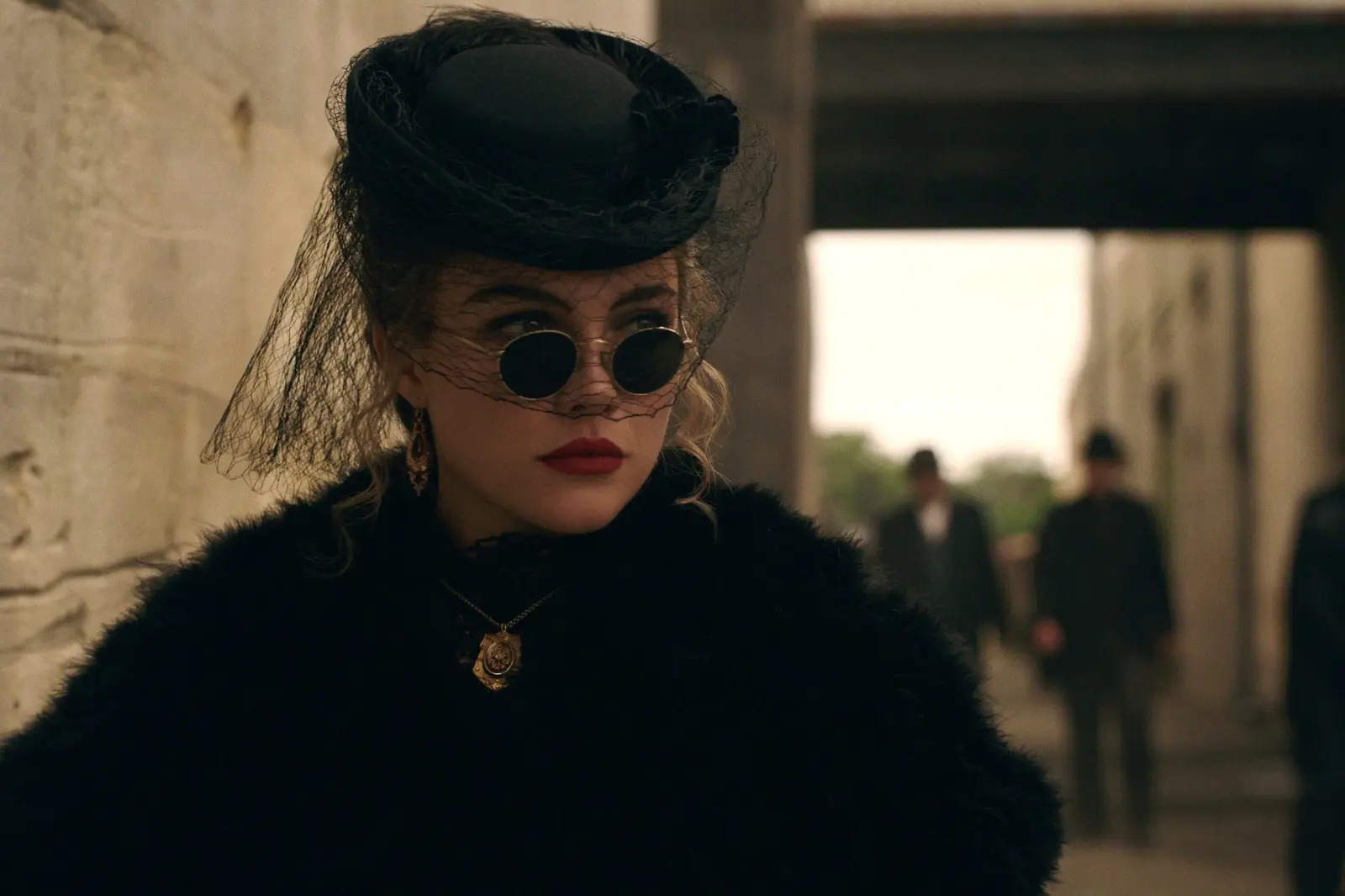
Cathy Ames spends most of East of Eden rejecting the idea that family should determine what she owes another person. She abandons Adam and their newborn twins, remakes herself as Kate in Salinas, and builds a life in which money and information give her the independence she has always wanted. That makes her final decision concerning her fortune particularly striking.
After Aron discovers that his supposedly dead mother is actually alive, Cathy changes her will and leaves her wealth to him rather than dividing it between both sons. The series never gives one simple explanation for the decision, which leaves room for several readings. What is clear is that Aron’s visit affects Cathy more deeply than Cal expects.
Cathy Leaves Her Fortune to Aron
By the end of her life, Cathy has accumulated considerable wealth. She inherits Faye’s property and business after becoming the older woman’s chosen successor, then reshapes the establishment according to her own tastes. Later, Charles also leaves part of his estate to Cathy, adding another source of money to what she already controls.
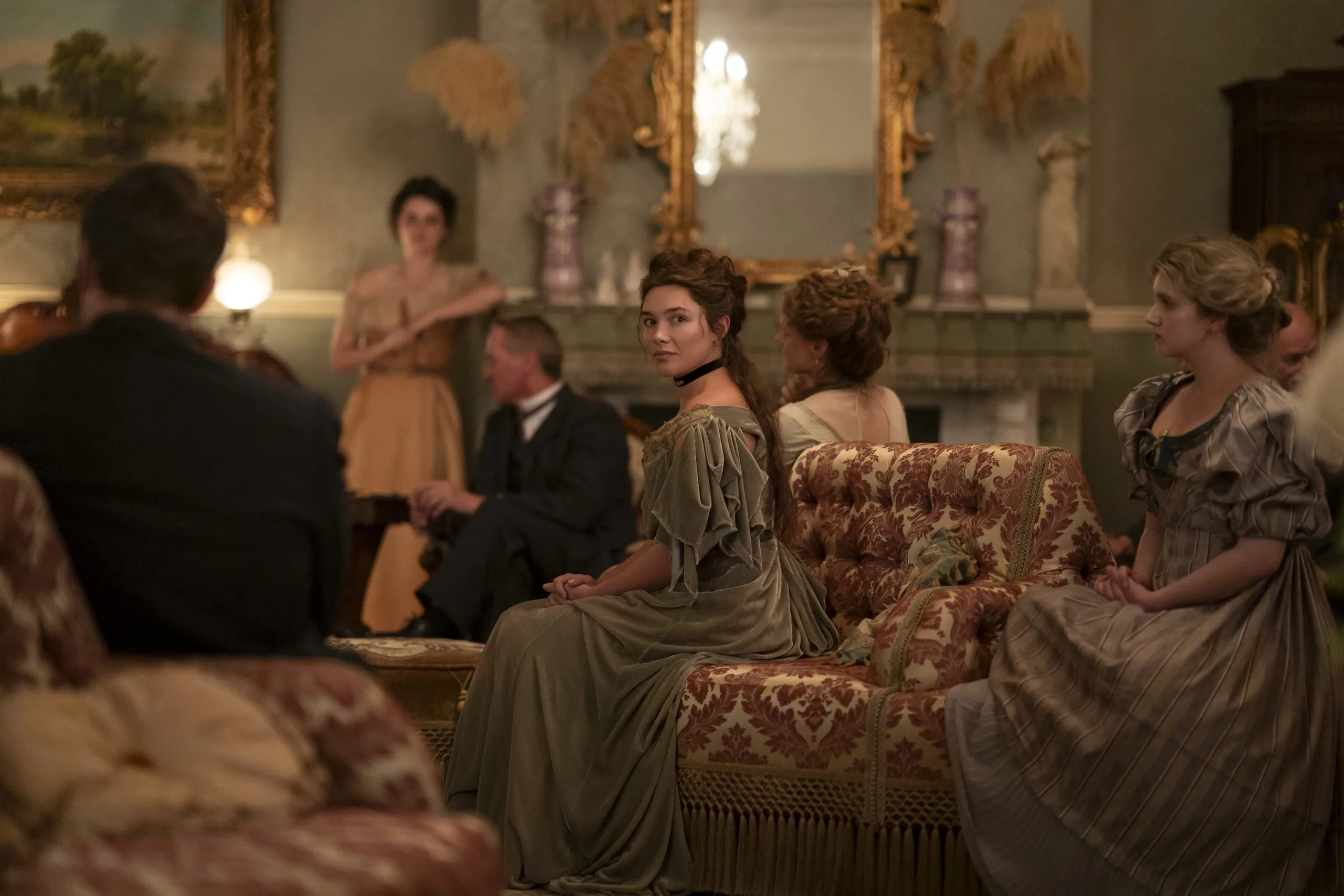
Cathy therefore dies with far more than the frightened young woman who once arrived at the Trask farm could have imagined owning. She could leave the estate to people working for her, divide it between Cal and Aron, or allow Adam to deal with it as her legal husband. Instead, she specifically chooses Aron. That choice occurs only after Aron has seen her and reacted with unmistakable horror, making the timing impossible to ignore.
Does Cathy Love Aron More Than Cal?
One possibility is that seeing Aron awakens something close to maternal love in Cathy. For most of the twins’ lives, Cathy has kept herself detached from them. Yet she knows they exist, and their differences matter when she finally confronts them as young men.
Cal already knows who she is. He understands that there is darkness in his family and fears he has inherited some of it himself, but he is capable of living with that knowledge. Aron is different.
He arrives carrying an idealized image of the mother he believes died years earlier. His innocence resembles Adam’s old tendency to imagine Cathy as the person he wanted her to be rather than the person standing in front of him. When Aron recoils from her, Cathy discovers that his opinion matters to her.
That does not necessarily mean she suddenly becomes the loving mother she refused to be for years. It does suggest that Aron reaches an emotional part of Cathy that she has spent much of her life denying exists.
Also Read: Why Did Cathy Kill Her Parents in East of Eden? Mr. Grew’s Death Explained
Why Doesn’t Cathy Leave Anything to Cal?
Cal’s role in bringing Aron to her gives Cathy another possible reason to exclude him. He does not introduce the brothers to their mother because he wants a reunion. Cal is angry after Adam rejects his money, and he takes Aron to Kate precisely because he knows the truth will hurt him. Cathy recognizes that immediately.
In Cal, she may see qualities she understands very well: resentment, manipulation, and the willingness to exploit another person’s weakness during a moment of anger. Those qualities make him more like her than Aron is. Leaving him nothing can therefore be read as punishment.
Cal brought Aron to her to cause pain, and Cathy responds by choosing the brother Cal has spent his life envying. If that reading is correct, even her will becomes another instrument through which she can manipulate the Trask family’s emotional wounds.
Aron May Represent the Good Cathy Cannot Find in Herself
There is also a more sympathetic interpretation. Cathy has spent years living with the belief that something fundamentally separates her from other people. Aron, with all his idealism and faith in goodness, appears to represent the opposite possibility. Seeing that someone so unlike her came from her may matter.
That is especially relevant because Netflix’s adaptation gives greater attention to Cathy’s inner life. Zoe Kazan has said she wanted to make Cathy “a person and not just an archetype,” while Florence Pugh has similarly spoken about approaching the character as more complicated than a simple embodiment of evil.

Under that interpretation, leaving everything to Aron may be Cathy’s closest approximation of giving something to her son. It is not ordinary maternal affection, and it arrives far too late to undo the damage of her absence. But the choice suggests that Aron’s existence has unsettled the emotional defenses Cathy built around herself.
Could the Will Be Cathy’s Final Act of Manipulation?
The darker interpretation is that Cathy knows exactly what the inheritance could do after her death. She understands the Trask family’s rivalry better than almost anyone. She has already watched Adam and Charles struggle over love and rejection, and she can see echoes of the same dynamic in Cal and Aron. Giving everything to only one son could intensify that rivalry.
It could make Cal feel rejected by yet another parent while burdening Aron with money from a mother he wants nothing to do with. Seen that way, the inheritance gives Cathy one final opportunity to influence people after she is gone. The series does not definitively choose between these interpretations.
That ambiguity is appropriate for Cathy. Even at the end, the viewer is left asking whether an action that appears generous contains affection, guilt, revenge, manipulation, or some combination of all four.
Why Cathy’s Choice Matters
The most important part of the inheritance is not the amount of money but the fact that Cathy makes a choice about her sons at all. She has spent most of their lives insisting through her absence that she wants no role in their family. Aron’s visit breaks that separation. His reaction affects her, and within a short period she changes the future of everything she owns.
The inheritance therefore becomes one of the few moments in which Cathy acknowledges a bond to one of her children, even if the nature of that acknowledgment remains unresolved.
That uncertainty is more interesting than declaring that Cathy simply loved Aron more. East of Eden repeatedly asks whether people can be understood through clean categories of good and evil, and Cathy’s final decision refuses to fit comfortably into either.