Who Were the Cops Who Caught El Chapo? The Real Story Behind Facing El Chapo
The moment Arturo Carmona and Hector Rosales discover that the muddy passenger in a stolen car is Joaquin “El Chapo” Guzman sounds designed for a thriller, but the encounter at the center of Facing El Chapo really happened. Federal highway officers did intercept Guzman and his lieutenant while they were fleeing Los Mochis on January…
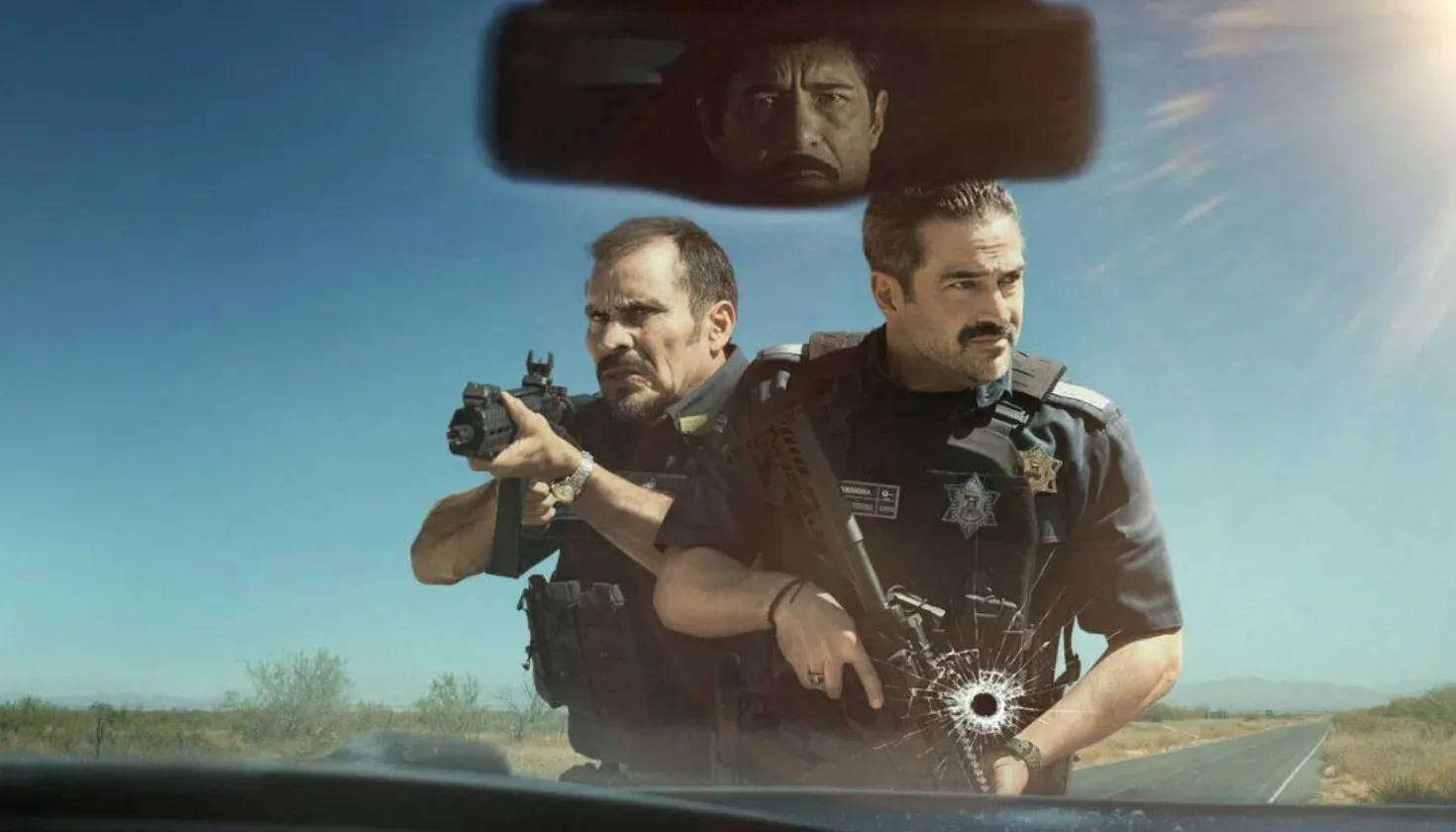
The moment Arturo Carmona and Hector Rosales discover that the muddy passenger in a stolen car is Joaquin “El Chapo” Guzman sounds designed for a thriller, but the encounter at the center of Facing El Chapo really happened. Federal highway officers did intercept Guzman and his lieutenant while they were fleeing Los Mochis on January 8, 2016. There is one important distinction, however: Arturo Carmona and Hector Rosales are dramatized identities, not publicly confirmed names of the real officers.
Mexican authorities deliberately protected the officers’ names because of the danger surrounding the arrest. Their exact whereabouts remain private today. Journalist Hector de Mauleon, whose reporting inspired the Netflix film, said in August 2026 that officers involved in the capture had been moved out of Mexico for their protection and later returned after the Federal Police was dissolved.
Spoiler Alert
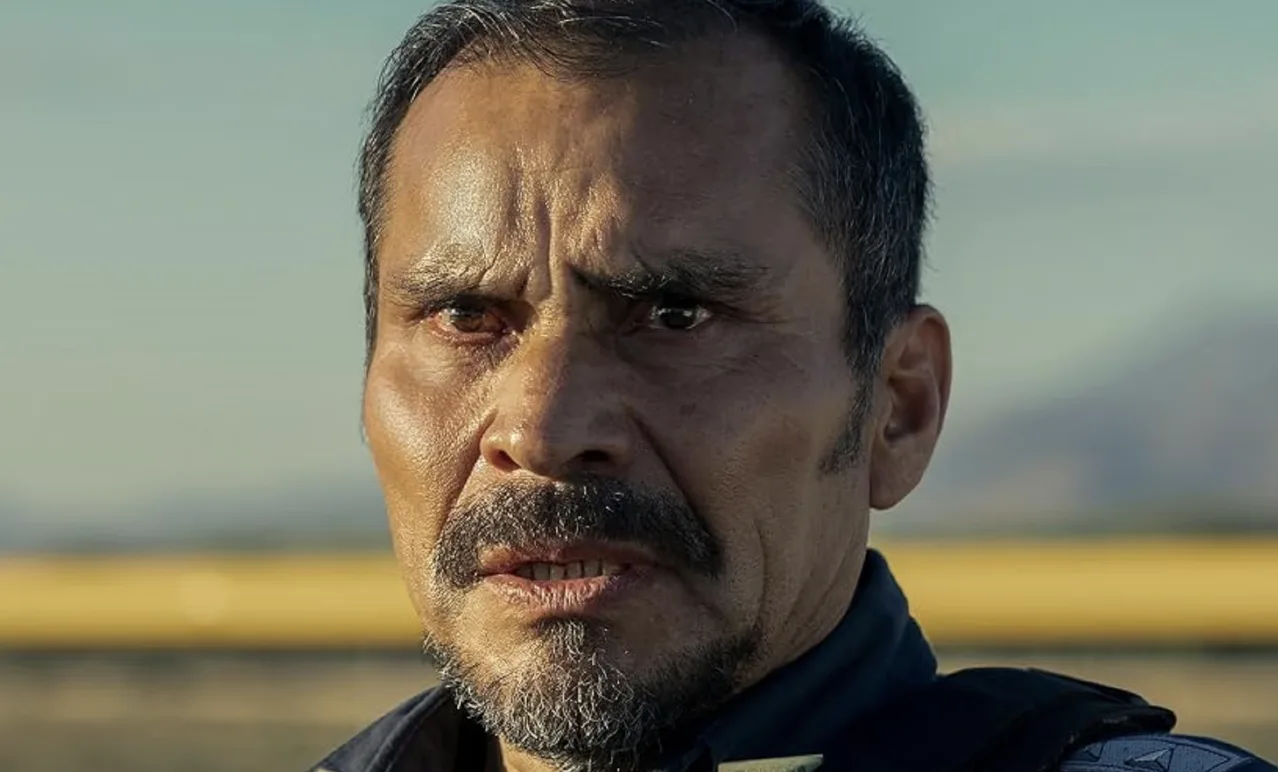
Carmona and Rosales Are Screen Versions of Protected Officers
The two protagonists represent real Federal Police personnel, but viewers should be careful about treating every detail of Carmona and Rosales’ biographies as documented history.
Facing El Chapo, directed by Chava Cartas and starring Alfonso Herrera and Noe Hernandez, is based primarily on journalistic accounts by Hector de Mauleon. De Mauleon interviewed police personnel and reconstructed the extraordinary hours surrounding Guzman’s capture for El Universal. Cartas has stressed that the production is a fictional feature inspired by real events rather than a documentary recreation.
That distinction matters because the identities of the officers were deliberately concealed. A 2016 El Universal report said their names and surnames were omitted to protect their lives, with the Federal Police keeping them anonymous under a security protocol after the operation.
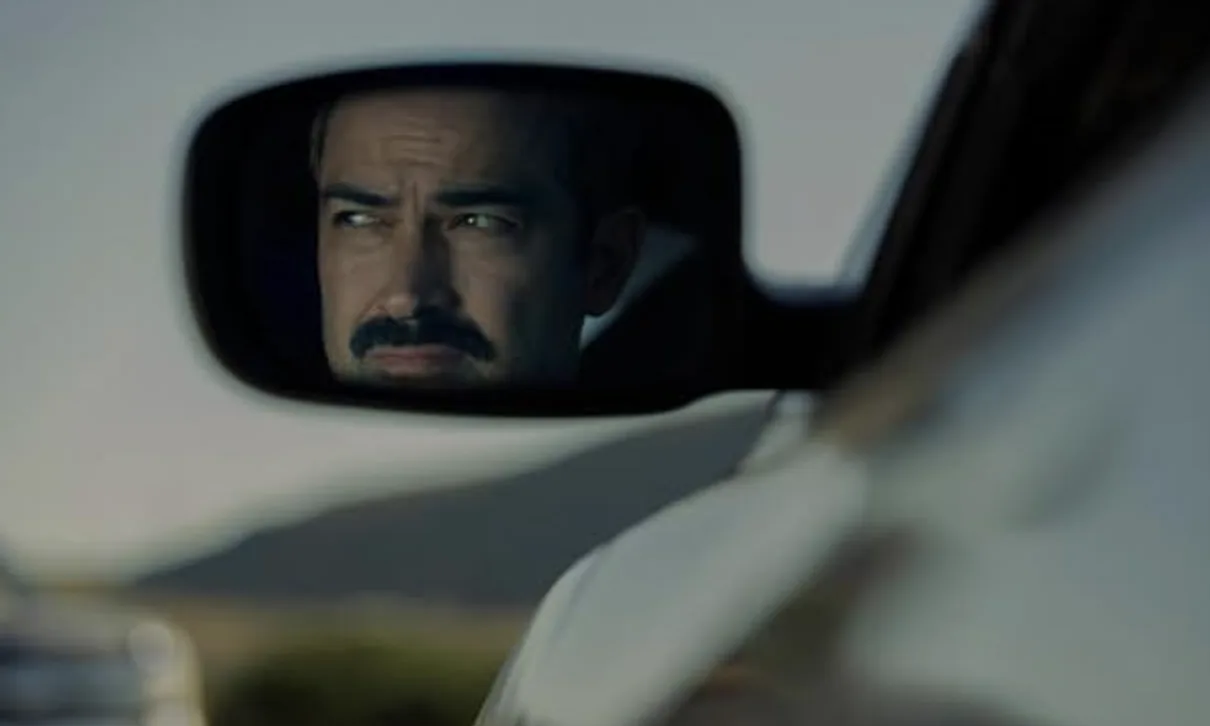
Even contemporary accounts are not perfectly uniform about the personnel involved. De Mauleon’s January 2016 chronicle describes two agents initially stopping the fugitives before additional officers arrived, while later Federal Police reporting referred to three officers participating in the roadside detention.
That makes it especially risky to identify Carmona and Rosales as exact, one-to-one biographies of two publicly known men.
Related: Facing El Chapo Ending Explained: What Happens to El Chapo and the Two Officers?
What Really Happened When the Officers Stopped El Chapo?
The essential encounter shown in Facing El Chapo is remarkably close to the documented story.
Earlier that morning, Mexican Marines had raided the Los Mochis property where Guzman was hiding. Guzman and Jorge Ivan Gastelum, known as “El Cholo,” escaped through the drainage system and emerged elsewhere in the city. They first stole a white Jetta and then switched to a red Ford Focus in an attempt to evade the search.
Federal highway officers spotted the Focus several kilometers later on the Los Mochis-Navojoa route and forced it to stop. They discovered that the men inside were not ordinary car thieves but Guzman, then one of the world’s most wanted fugitives, and his armed lieutenant.
The officers placed both men in their patrol vehicle and contacted their superiors. A photograph of Guzman was sent up the chain of command to confirm that they genuinely had El Chapo in custody.
The Motel Hideout and El Chapo’s Bribe Really Happened
Some of the most cinematic material in Facing El Chapo is actually among the best-documented parts of the real encounter.
The officers heard reports that numerous vehicles carrying armed men were heading toward the area. Reaching their normal police facilities was considered too risky, so they concealed their patrol vehicles at the Motel Doux and took Guzman into room 51. Other officers positioned themselves nearby while they waited for reinforcements. Guzman also tried to persuade his captors to release him.
De Mauleon’s account describes him promising houses, businesses and money while warning that people were coming to rescue him. The officers refused. Federal reinforcements eventually arrived, followed by military personnel, allowing Guzman to be securely transferred.
The film dramatizes the conversations and stretches the psychological tension between Carmona, Rosales and their prisoner, but the basic moral dilemma is not invented.
How Much of Carmona and Rosales’ Personal Lives Is Fiction?
Their private lives should be treated as dramatization unless independently supported by historical reporting.
Cartas has openly described Facing El Chapo as fiction constructed around three major factual anchors: the Navy operation, the police encounter with Guzman and the subsequent wait at a hotel. Character relationships and personal conflicts were developed around those events to make the story function dramatically.
That means details such as Carmona’s family pressures, the officers’ uneasy partnership and Rosales’ characterization as an older officer approaching retirement should not automatically be transferred to the unidentified real policemen.
The filmmakers faced an unusual problem. Their protagonists were based on people whose anonymity was part of keeping them alive.
Rather than expose the real officers, the movie gives audiences fictionalized men through whom the documented experience can be told.
What Happened to the Officers After El Chapo’s Capture?
The Federal Police moved quickly to protect and recognize personnel involved in the arrest.
Within days, National Security Commissioner Renato Sales announced that the officers would receive promotions and decorations for refusing Guzman’s threats and attempted bribes. Officials also said their identities would remain protected and that they would be relocated.
Contemporary reporting said roughly 20 Federal Police personnel connected to the operation were reassigned as a security precaution. Another detailed account reported that the officers directly involved in the detention left Sinaloa the day after Guzman’s capture and continued serving anonymously under institutional protection.
Their disappearance from public view was therefore intentional rather than evidence that history simply forgot who they were.
Being publicly identified as the officers who refused El Chapo was potentially far more dangerous than receiving public credit was valuable.
Where Are the Real Officers Now?
Their precise locations, identities and present occupations are not publicly confirmed. Claims that identify a specific unnamed officer’s current home or job should be treated cautiously.
There is, however, a significant recent update from De Mauleon himself. Speaking to El Universal in August 2026, the journalist said the policemen involved in Guzman’s capture became unable to continue working normally in Mexico because their lives were at risk and had to leave the country. He said they later returned after the administration of President Enrique Pena Nieto ended, the Federal Police was eliminated and the National Guard replaced it.
De Mauleon’s assessment of what happened afterward is much less triumphant than the Netflix movie’s closing image. He said the returning officers had effectively been left without the institutional protection they once received, describing them as abandoned by the state.
That makes their anonymity even more understandable ten years later.
Facing El Chapo gives Carmona and Rosales names, families and personalities because a movie needs characters audiences can follow. The men behind them had the opposite requirement in real life. Their survival depended on becoming difficult to find. We can verify what they did on January 8, 2016, and we know they were recognized and moved for their protection afterward. Their real names and current lives remain deliberately outside the public record.