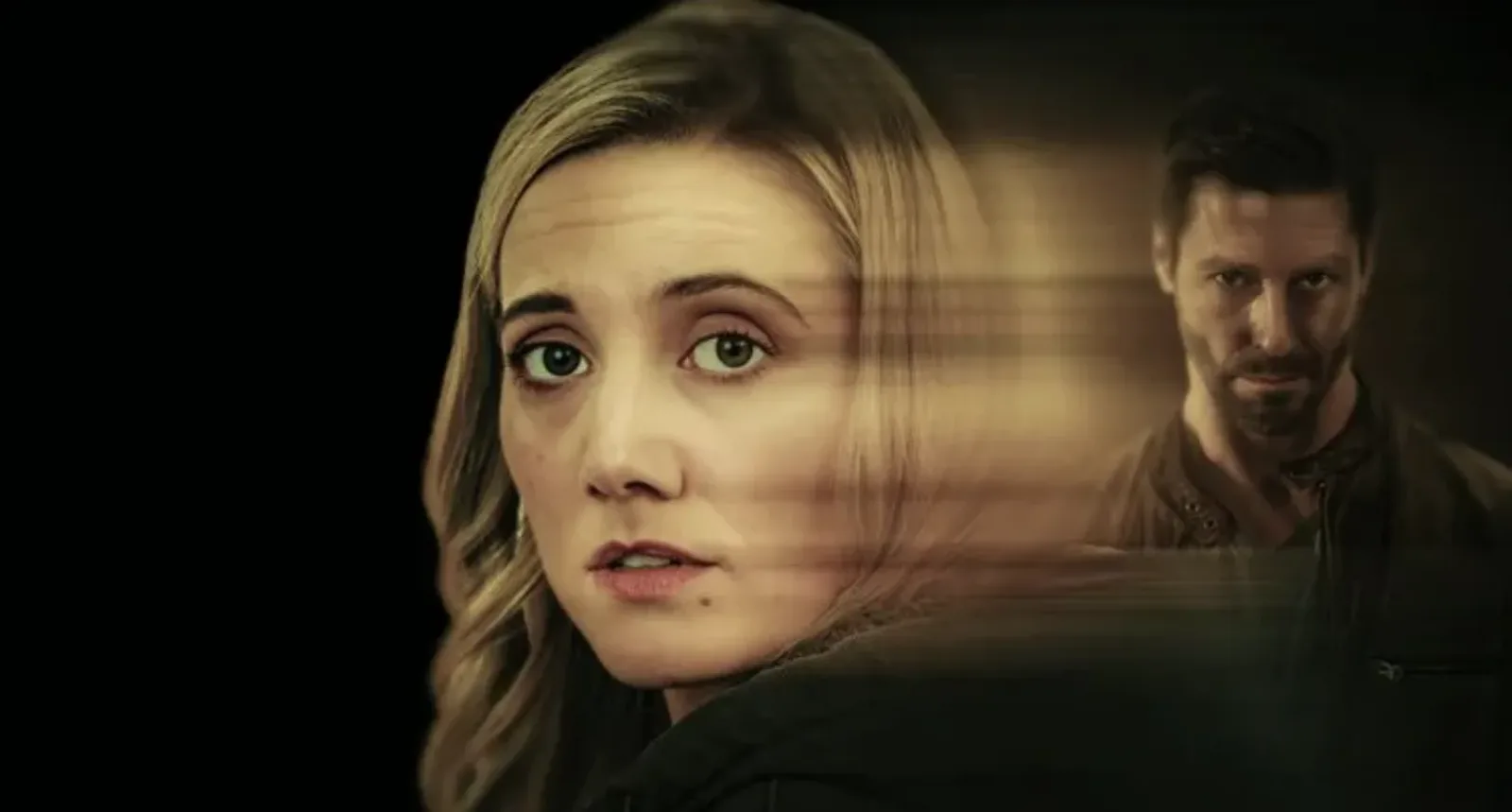
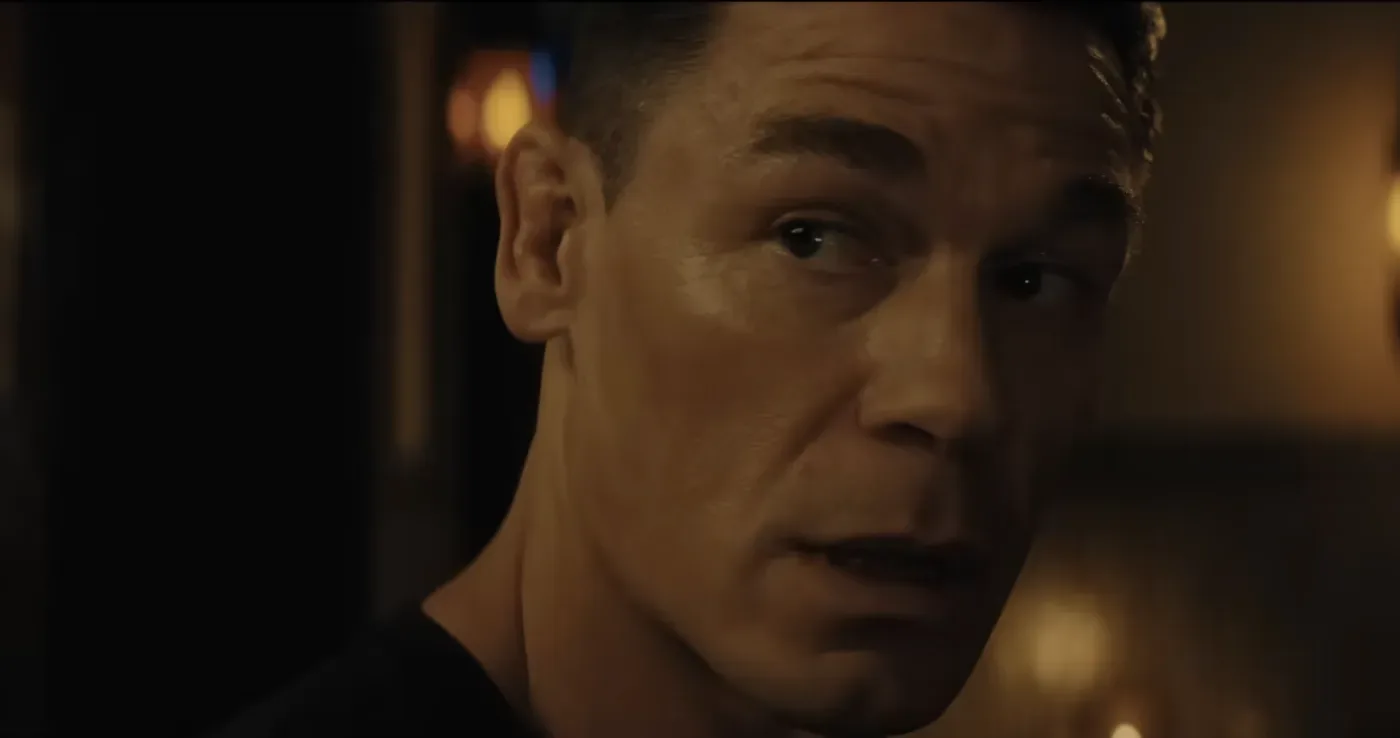
Facing El Chapo Ending Explained: What Happens to El Chapo and the Two Officers?
Netflix’s Facing El Chapo does not need a fictional twist to make its ending tense. Viewers already know from history that Joaquin “El Chapo” Guzman was captured in January 2016, but the movie shifts the suspense elsewhere: can Arturo Carmona and Hector Rosales keep him in custody long enough to survive? They can. Carmona and…
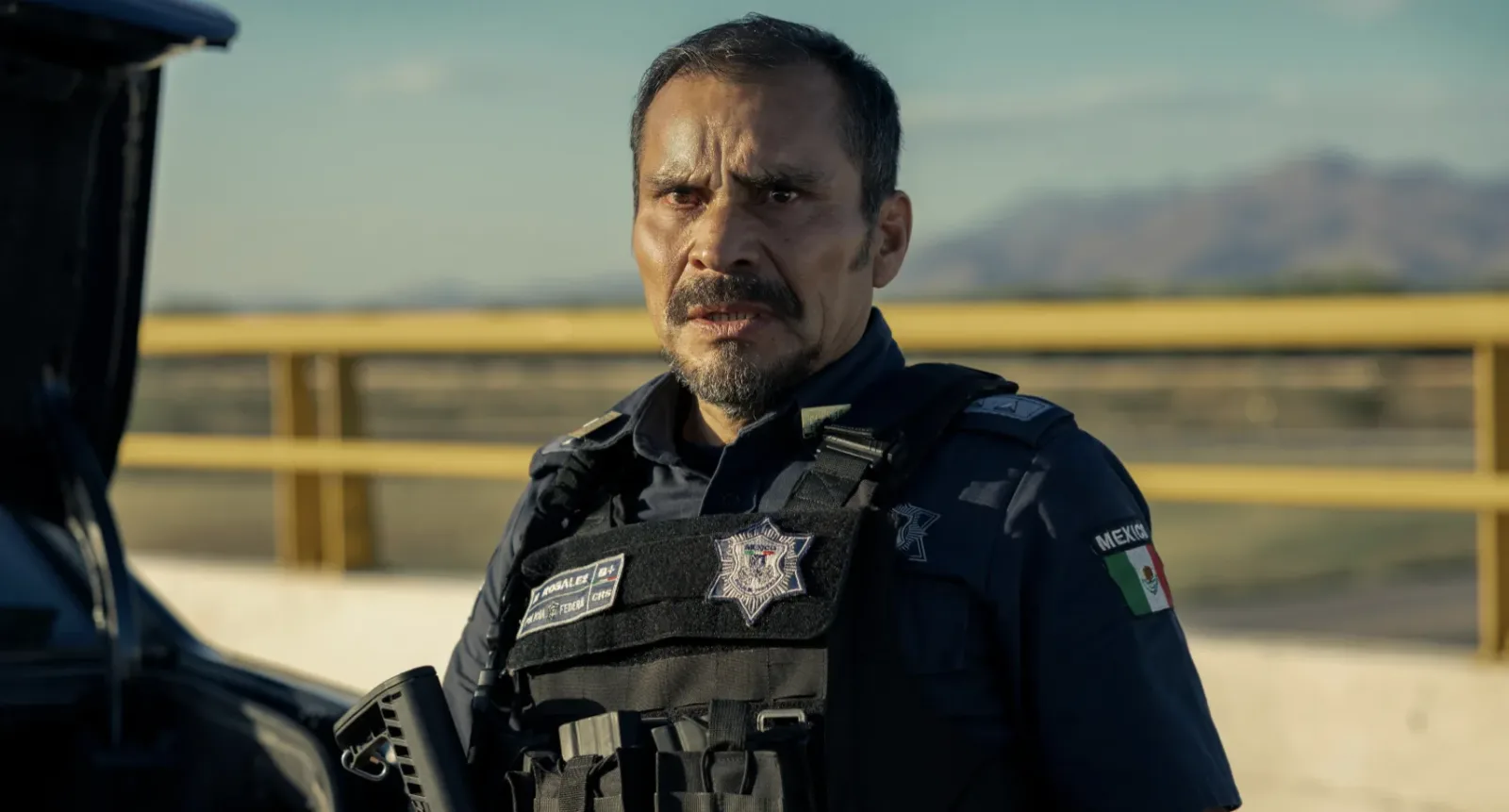
Netflix’s Facing El Chapo does not need a fictional twist to make its ending tense. Viewers already know from history that Joaquin “El Chapo” Guzman was captured in January 2016, but the movie shifts the suspense elsewhere: can Arturo Carmona and Hector Rosales keep him in custody long enough to survive?
They can. Carmona and Rosales survive the final confrontation, reject the pressure to release Guzman and successfully hand him over to reinforcements. El Chapo is taken back into official custody, bringing his dramatic escape from Mexican authorities to an end. The conclusion closely follows the real outcome of his January 8, 2016 recapture in Los Mochis.
Why El Chapo’s Capture Becomes So Dangerous
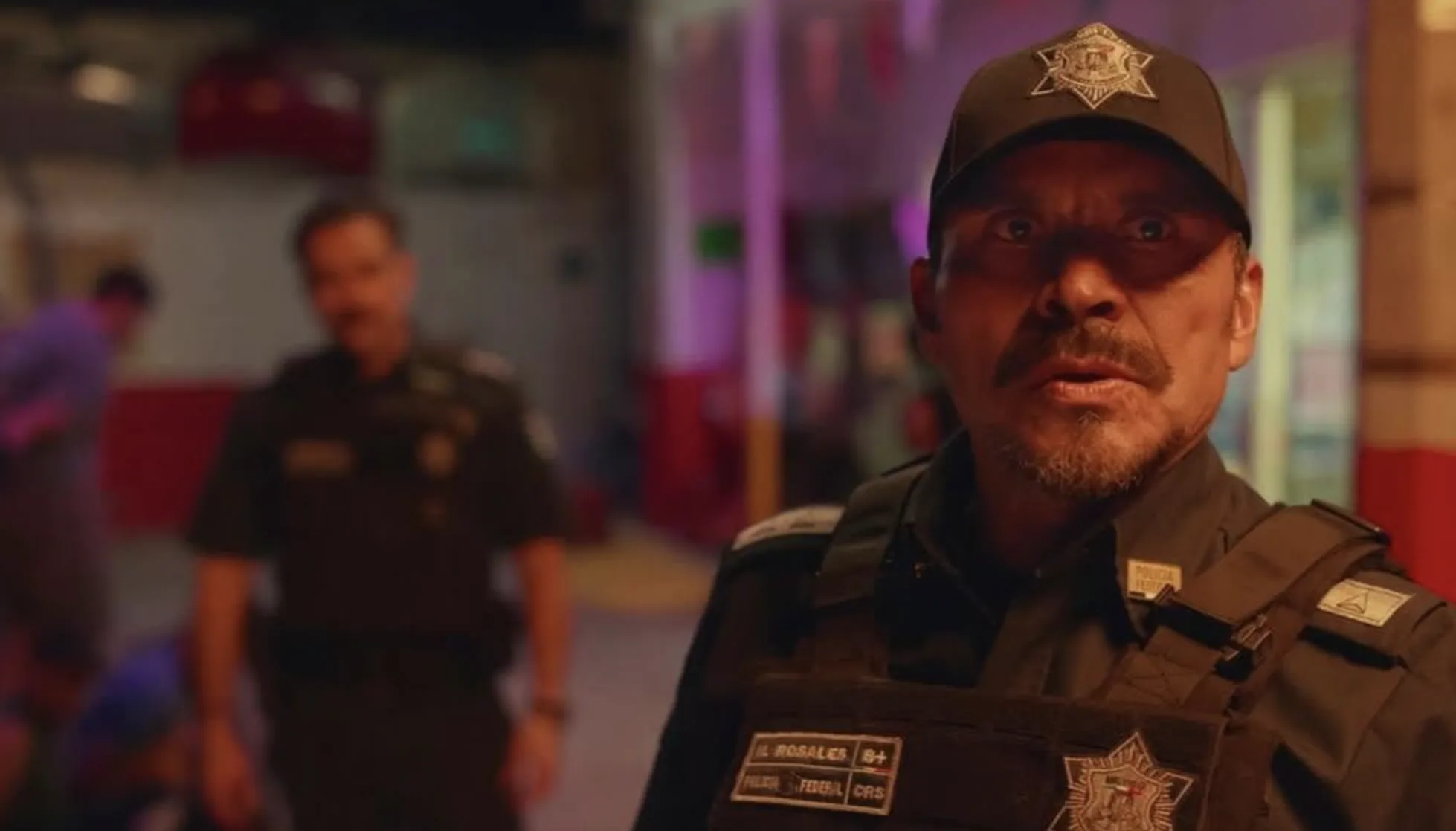
Carmona and Rosales do not begin the movie as members of an elite unit hunting the country’s most wanted fugitive. That is crucial to the film’s premise.
The two officers are conducting what should be an ordinary patrol when they encounter a stolen vehicle. Inside are Guzman and Jorge Ivan “El Cholo” Gastelum, one of his trusted men.
Guzman has already escaped a major security operation. Mexican Marines targeted the house where he was hiding, but he managed to flee through tunnels and the city’s drainage system. He and El Cholo then stole vehicles while trying to get away from Los Mochis.
Carmona and Rosales therefore stumble into the final stage of a much larger manhunt. Once they realize who they have stopped, arresting him is only the beginning of their problem.
Related: Facing El Chapo Filming Locations
Why Don’t Carmona and Rosales Let El Chapo Go?
Guzman’s greatest weapon during this part of the movie is not a gun. It is the belief that virtually everyone has a price.
He tries to exploit the officers’ fear and financial vulnerability, offering the possibility of enormous wealth if they release him. The alternative is equally clear: refusing him could make them targets of one of Mexico’s most powerful criminal organizations.
The bribery element is rooted in accounts of the real arrest. A former federal police account later described Guzman offering extraordinary sums of money and businesses in exchange for his freedom. Public reports have differed on the precise amount, which is one reason the movie should not be treated as a minute-by-minute documentary. What matters to the film is the choice.
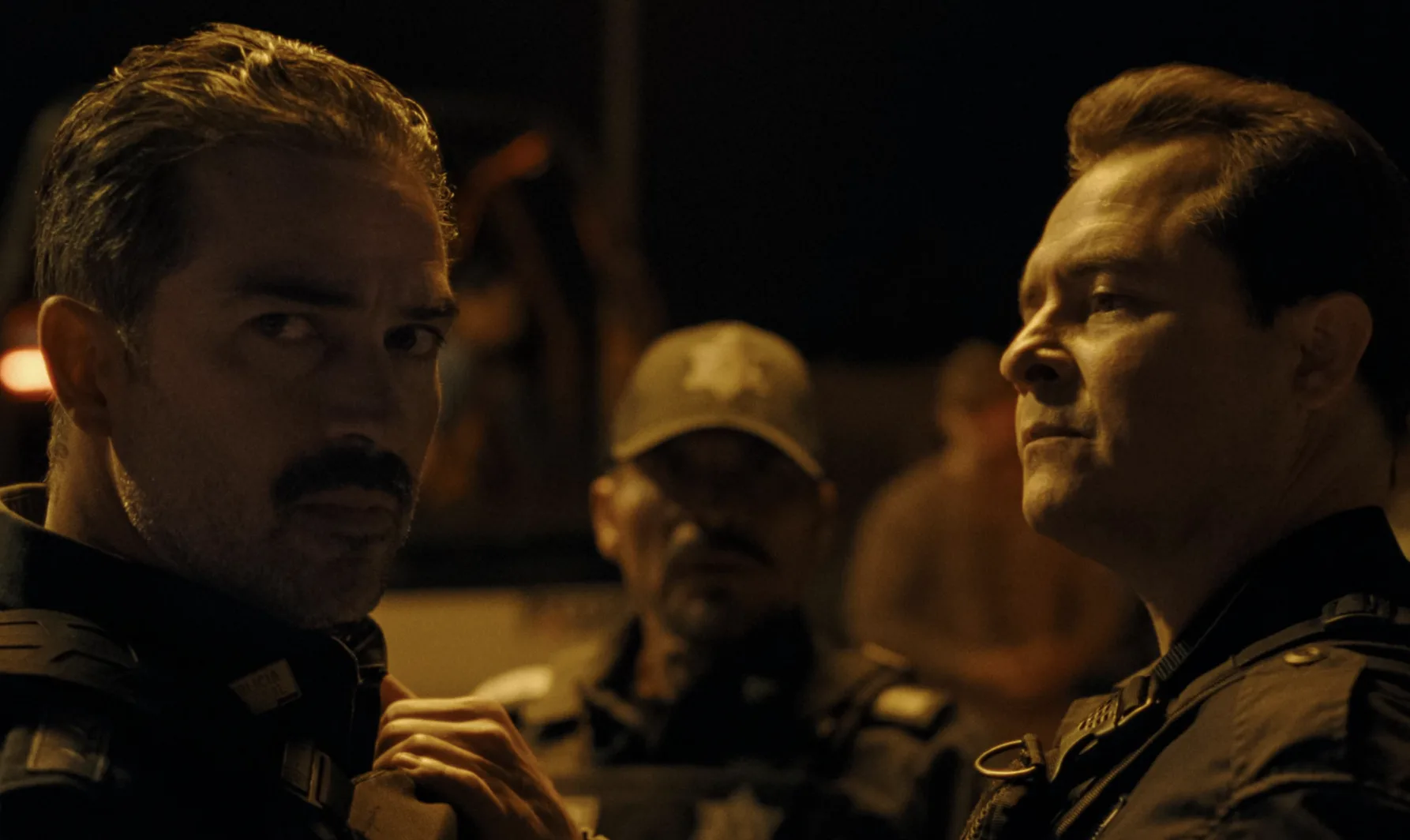
Carmona and Rosales know accepting the money could potentially save them in the immediate moment, while doing their jobs may endanger both themselves and the people around them.
They still refuse to surrender their prisoner.
Why Do They Hide El Chapo in a Motel?
This is one of the strangest parts of the ending if viewers do not know the real history. The officers cannot simply drive Guzman through hostile territory as though he were an ordinary suspect. Reports begin arriving that armed convoys may be moving to rescue him.
They therefore take Guzman to a roadside motel while waiting for more heavily armed authorities to reach them. That bizarre detail really happened.
Later accounts from Nicolas Gonzalez Perrin, who coordinated federal police in the state, said the original plan was to move Guzman toward a military facility. The threat of cartel convoys forced authorities to choose a safer temporary hiding place instead. Guzman was held at Hotel & Suites Doux until reinforcements arrived.
Contemporary reporting also placed Guzman inside the motel after his recapture. Photographs of him sitting handcuffed on the edge of a bed became some of the defining images of the arrest.
Do Carmona and Rosales Die?
No. The movie keeps the possibility alive because the officers know that armed cartel members could arrive before government reinforcements.
Their fear is not exaggerated purely for cinematic effect. Contemporary accounts of the capture described authorities worrying that armed men loyal to Guzman were moving toward the area. But the rescue attempt never succeeds.
Carmona and Rosales hold their position until additional security forces arrive, allowing them to turn Guzman over without releasing him or accepting his offer. The two officers survive.
That makes the ending less about whether El Chapo will escape and more about whether ordinary officers can continue making the same decision while the consequences become increasingly frightening.
What Happens to El Chapo After the Ending?
Guzman’s January 2016 recapture was his final successful period as a fugitive.
He had escaped from Mexico’s Altiplano maximum-security prison in July 2015 through an elaborate tunnel. Six months later, the Los Mochis operation and the seemingly accidental traffic stop ended that freedom.
After his recapture, Guzman was eventually extradited to the United States in January 2017. The film itself is primarily concerned with the hours surrounding his arrest rather than turning into a full account of his later prosecution.
That narrow focus is what distinguishes Facing El Chapo from many previous dramas about him.
What Does the Ending Really Mean?
Director Chava Cartas has said that he wanted to move attention away from the familiar tendency to make cartel bosses seem larger than life. Instead, Facing El Chapo concentrates on people who are frightened, vulnerable and still capable of doing their jobs.
That explains why El Chapo’s eventual handover is not portrayed simply as the inevitable end of a famous criminal. The real victory belongs to the officers.
Guzman spends much of the movie relying on the same tools that helped maintain his power: money, fear, reputation and the assumption that institutions can be corrupted. Carmona and Rosales cannot match his wealth or influence. All they can control is their decision. The ending works because, for once, that is enough.