Who Was Emma Borden? What Happened to Lizzie Borden’s Sister?
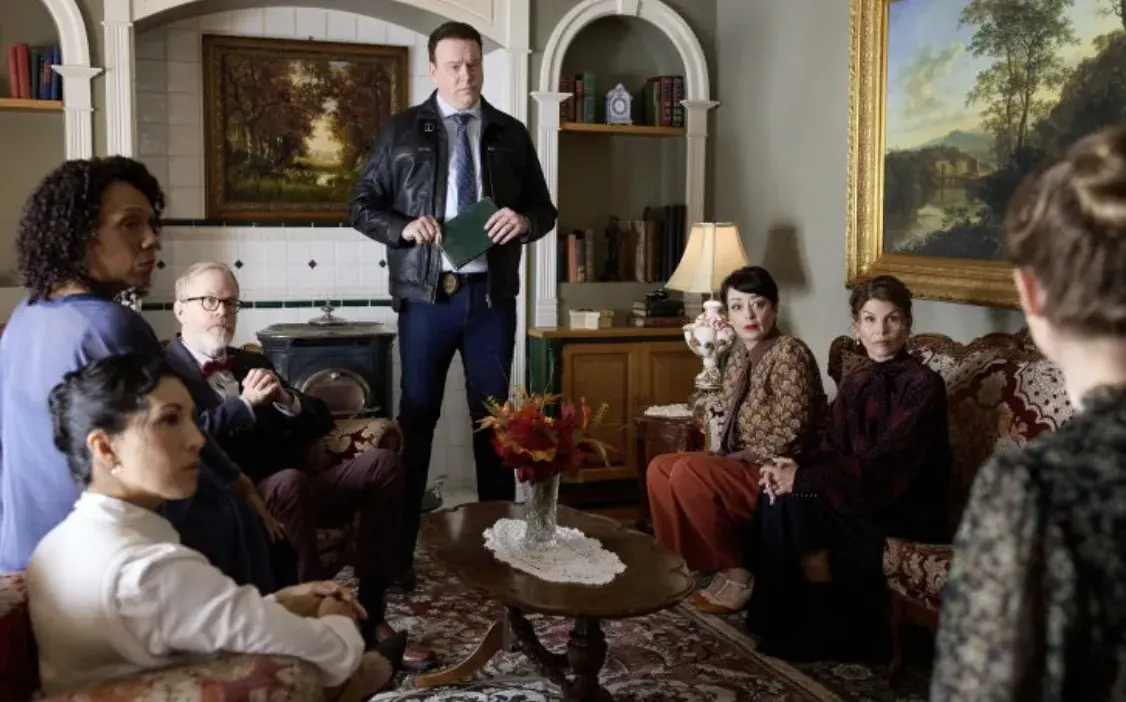
Netflix’s Monster: The Lizzie Borden Story gives Emma Borden a difficult position inside the Borden family. Played by Billie Lourd, Emma spends much of the season protecting her younger sister Lizzie, even as questions about what happened inside their Fall River home refuse to disappear. By the finale, however, that loyalty has reached its limit.…
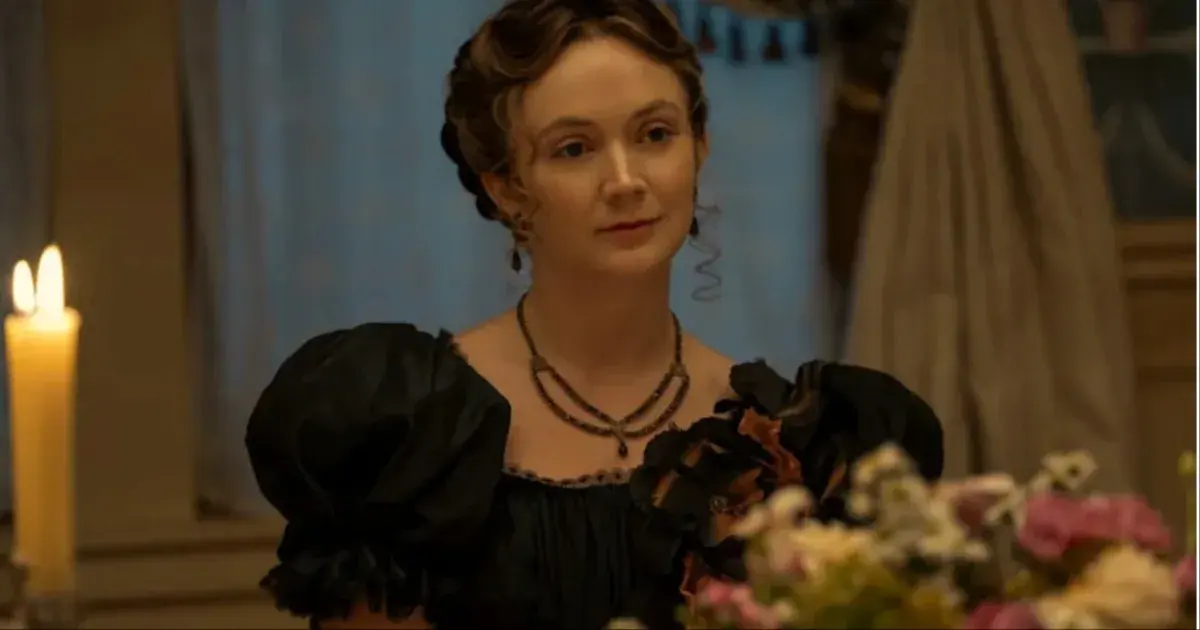
Netflix’s Monster: The Lizzie Borden Story gives Emma Borden a difficult position inside the Borden family. Played by Billie Lourd, Emma spends much of the season protecting her younger sister Lizzie, even as questions about what happened inside their Fall River home refuse to disappear. By the finale, however, that loyalty has reached its limit.
The real Emma Borden also stood beside Lizzie during one of the most scrutinized periods of their lives. She testified during Lizzie’s 1893 trial and continued living with her for more than a decade afterward. Yet in 1905, Emma abruptly left the home they shared at Maplecroft. She never publicly gave a detailed explanation, leaving the breakdown of the sisters’ relationship as another unresolved part of the Borden story.
Related: What Happened to Andrew and Abby Borden? Who Was Suspected in Real Life?
Who Was Emma Borden?
Emma Lenora Borden was born on March 1, 1851, the eldest surviving daughter of Andrew and Sarah Borden. She was about nine years older than Lizzie, who was born in 1860. Their sister Alice died in early childhood, while their mother Sarah died in 1863.
Accounts of the family have long described Emma as taking on a protective role toward Lizzie after their mother’s death. A frequently repeated story holds that Emma promised Sarah she would look after her younger sister. Andrew married Abby Gray two years after Sarah’s death, creating the household that would later become central to the Borden case.
Monster builds heavily on that idea of Emma as Lizzie’s protector. Billie Lourd’s version of Emma sees loyalty to her sister almost as an obligation inherited from their mother, something that becomes increasingly difficult for her to carry as the years pass.
Where Was Emma When the Borden Family Tragedy Happened?
Emma was not at the Borden house on August 4, 1892. She had been staying in Fairhaven, Massachusetts, with Mrs. Brownell and her daughter for approximately two weeks. Emma later confirmed that detail under oath during Lizzie’s trial. Lizzie’s own inquest testimony also stated that Emma was in Fairhaven and had to be contacted after the events at home.
Her location gave Emma a clear alibi and kept her outside the immediate investigation. She returned to Fall River after learning what had happened and quickly became one of Lizzie’s most important supporters.
That distinction is important in Monster as well. Emma is not presented as a participant in what happens to Andrew and Abby. Her storyline is about what it means to stand beside Lizzie afterward.
Did Emma Believe Lizzie Was Innocent?
Historically, Emma publicly supported her sister. During Lizzie’s trial in June 1893, Emma appeared as a defense witness. She testified about family relationships, Lizzie’s clothing and finances, and her sister’s relationship with Andrew and Abby. Emma told the court that Lizzie and their father had a good relationship and said Lizzie had given Andrew a ring that he continued wearing.
She also challenged reports suggesting that she and Lizzie had argued while Lizzie was being held before trial. A police matron testified that she had overheard a tense conversation between the sisters, but Emma denied that such an exchange had occurred.
What Emma privately believed is much harder to establish. She did not publicly accuse Lizzie after the acquittal, and there is no reliable historical confession from Emma stating that she knew her sister was responsible.
Monster takes considerably more dramatic freedom. By the finale, Emma clearly believes Lizzie knows more than she admits and eventually tells her that she hopes she will acknowledge the truth before she dies. That confrontation belongs to the series’ interpretation rather than the documented historical record.
What Happened to Emma and Lizzie After the Trial?
After Lizzie was acquitted in 1893, the sisters continued living together. Using their inheritance, they purchased a large house on French Street in one of Fall River’s more fashionable neighborhoods. The property became known as Maplecroft and represented a dramatic change from the more modest Second Street home where they had grown up.
For more than a decade, Emma and Lizzie remained under the same roof despite the public attention that continued to follow them. That arrangement ended in 1905. Emma left Maplecroft and never resumed living with Lizzie. The sisters’ separation became one of the most discussed episodes of Lizzie’s later life because neither woman provided a clear public explanation for what had happened.
Why Did Emma Leave Lizzie Borden?
The precise reason remains uncertain. Lizzie had become increasingly interested in theater and developed a close friendship with actress Nance O’Neil around 1904. Contemporary speculation connected Emma’s departure to Lizzie’s theatrical social circle and to gatherings held at Maplecroft. Rumors also circulated about the nature of Lizzie and Nance’s relationship, although no definitive evidence establishes that they were romantically involved.
Emma herself refused to explain the situation in detail. In a later newspaper interview, she said that circumstances at the French Street house had eventually become “absolutely unbearable,” but she declined to reveal what specifically caused her to leave. That statement has fueled more than a century of speculation about whether the dispute involved Nance, Lizzie’s lifestyle, household disagreements, or something never made public.
Netflix chooses a much clearer explanation. Monster portrays Emma as increasingly unable to live with Lizzie’s reputation and with her own belief about what happened to Andrew and Abby. The series also connects the sisters’ breakdown to Lizzie’s closeness with Nance. Netflix’s own true-story guide similarly presents Emma’s disapproval of the Nance relationship as the reason for their split, although the historical evidence is less definitive.
Did Emma and Lizzie Ever Reconcile?
There is no confirmed evidence of a meaningful reconciliation. After leaving Maplecroft, Emma eventually settled in New Hampshire. Popular biographies often state that the sisters never spoke again, but the historical record is less certain than that wording suggests. They continued to share interests in jointly owned property for years, sometimes handling transactions through representatives, so it is possible that some practical communication occurred.
What is clear is that they never lived together again and no documented emotional reconciliation has emerged. Lizzie died on June 1, 1927. Emma died only nine days later, on June 10, at the age of 76. By then, the sisters had spent more than two decades living separate lives.
How Does Monster Change Emma Borden’s Story?
Monster uses real pieces of Emma’s life but gives her a much more explicit emotional journey. The real Emma supported Lizzie at trial, lived with her afterward and eventually left Maplecroft under circumstances she refused to discuss. The Netflix series turns those facts into a story about a woman gradually crushed by the burden of protecting her sister.
In Episode 8, Emma admits that the Borden name has followed her everywhere. She describes their wealthy life at Maplecroft as another kind of confinement and finally decides that she can no longer remain with Lizzie. Before leaving, she directly challenges her sister about the past. That confrontation makes for a powerful ending, but it should not be confused with a documented conversation between the real sisters.
Historically, Emma Borden remains more elusive. She defended Lizzie when it mattered most, shared a home with her for years after the trial and then walked away without publicly revealing exactly why. Like so much of the Borden story, what finally separated the sisters remains open to interpretation.