What Happened to Andrew and Abby Borden? Who Was Suspected in Real Life?
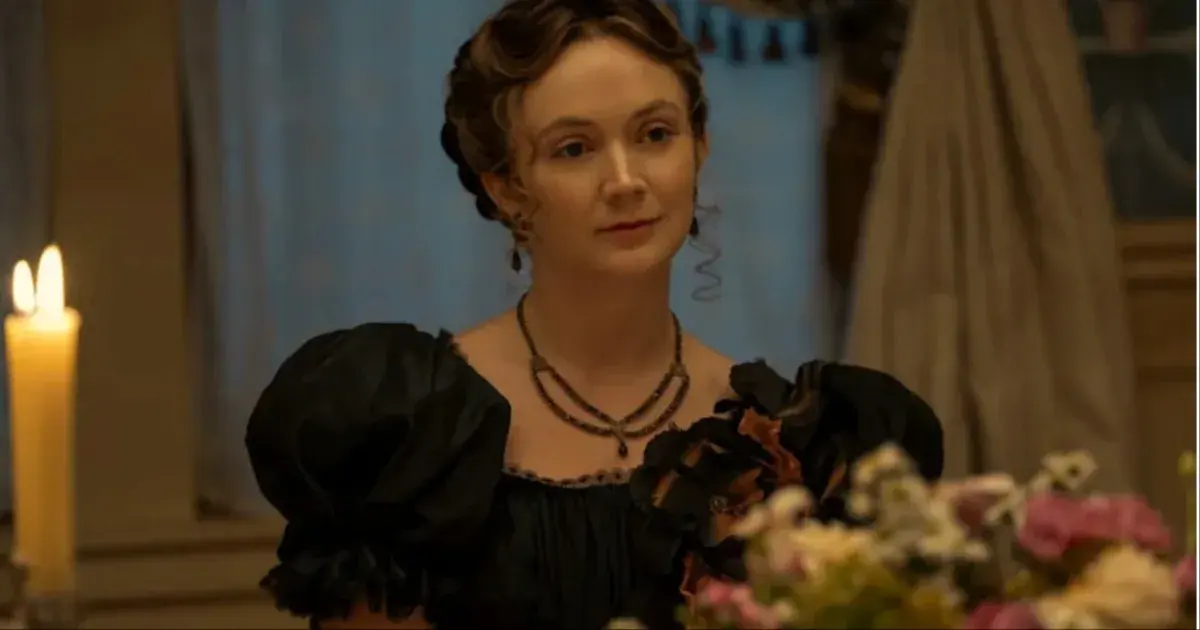
Netflix’s Monster: The Lizzie Borden Story offers a dramatic answer to a question that history has never definitively resolved. Andrew Borden and his second wife, Abby Borden, were found dead inside their Fall River, Massachusetts, home on August 4, 1892. Andrew’s daughter Lizzie soon became the focus of the investigation and later stood trial, but…
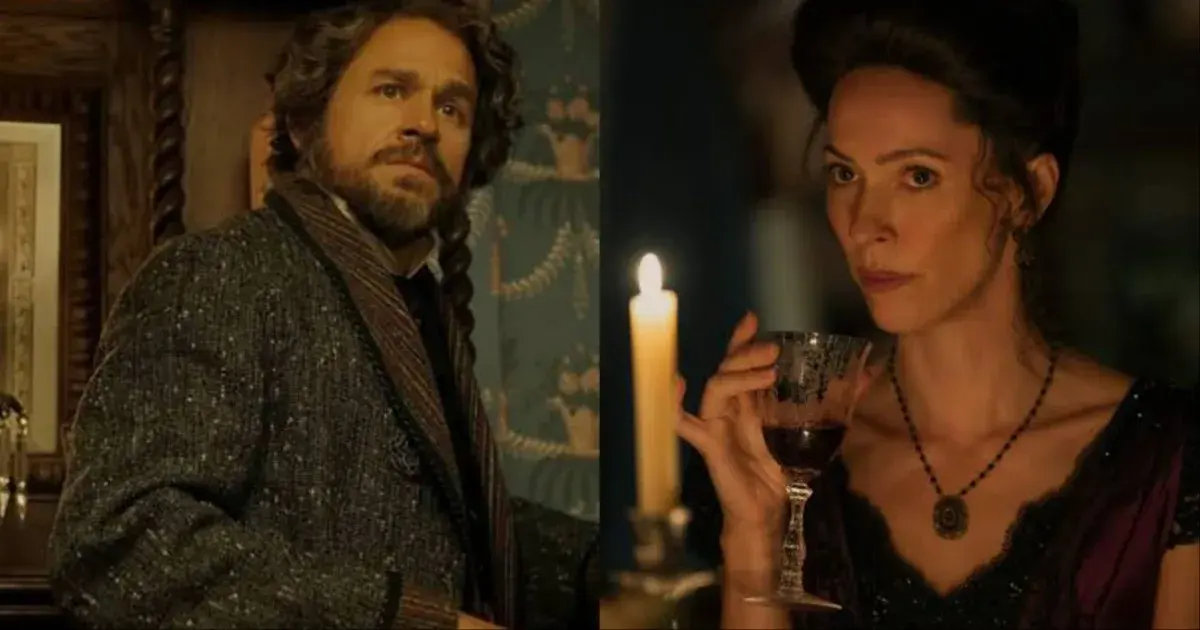
Netflix’s Monster: The Lizzie Borden Story offers a dramatic answer to a question that history has never definitively resolved. Andrew Borden and his second wife, Abby Borden, were found dead inside their Fall River, Massachusetts, home on August 4, 1892. Andrew’s daughter Lizzie soon became the focus of the investigation and later stood trial, but a jury found her not guilty in June 1893.
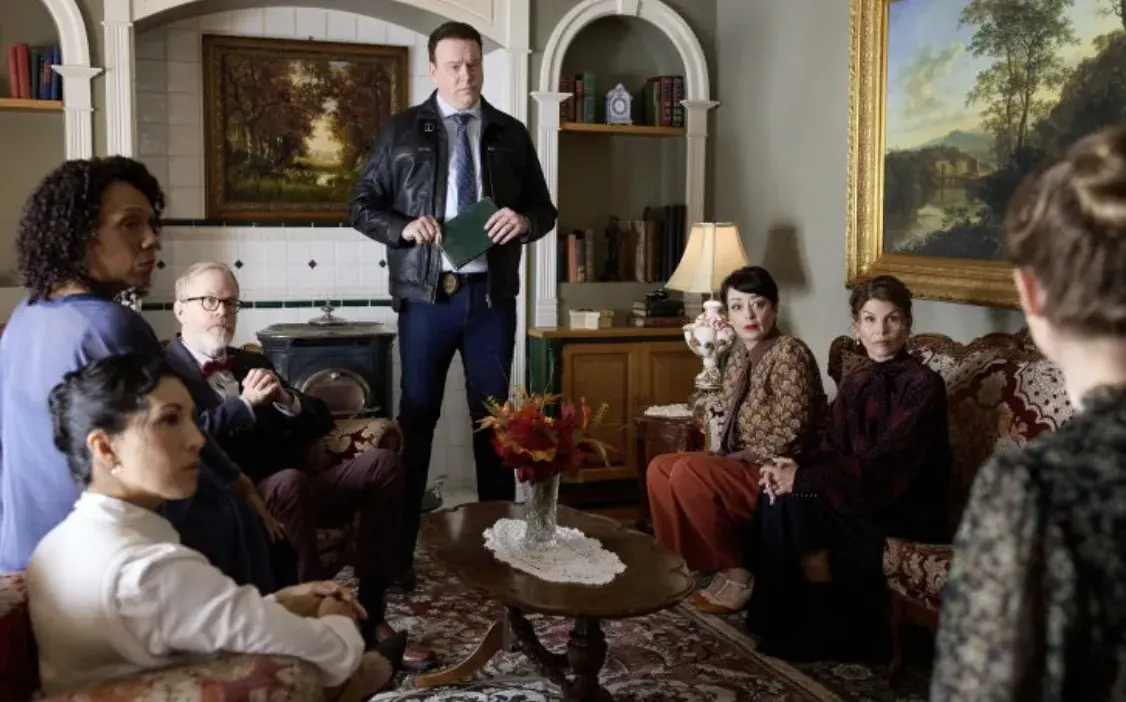
More than a century later, no one else has been convicted in connection with the case. That unresolved ending has allowed theories involving Lizzie, relatives, household employees and supposed outsiders to survive alongside the much larger legend surrounding the Borden family. Monster borrows several of those theories but also changes important details for its fictionalized version of events.
Related: Monster: The Lizzie Borden Story Ending Explained: What Happens to Lizzie and Maggie?
What Happened at the Borden House?
Andrew and Abby lived at 92 Second Street in Fall River with Andrew’s daughter Lizzie Borden and the family’s domestic employee, Bridget Sullivan. Lizzie’s older sister, Emma, was away from home when the events of August 4 unfolded.
John Vinnicum Morse, the brother of Andrew’s first wife and therefore Lizzie and Emma’s maternal uncle, had also spent the previous night at the house. He ate breakfast with Andrew and Abby before leaving that morning to visit relatives. Andrew later left for his usual business activities around Fall River.
That left Abby, Lizzie and Bridget at the property for part of the morning. Abby went upstairs to the guest room, apparently to attend to the room where Morse had stayed. She was later found dead there. Investigators concluded that Abby died before her husband.
Andrew returned home later that morning and rested on a sofa in the sitting room. Shortly after 11 a.m., Lizzie called Bridget downstairs and told her something had happened to her father. Once people gathered at the property, attention turned to Abby’s whereabouts, leading to the discovery upstairs.
Contemporary medical evidence indicated that both deaths involved repeated injuries from a sharp instrument, most likely something similar to a hatchet. For an advertiser-friendly account, the important point is that investigators believed the same person, or someone using a similar method, was responsible for both deaths.
Why Did Investigators Focus on Lizzie Borden?
The circumstances inside the house quickly made Lizzie important to the investigation.
There was no clear evidence that a stranger had forced entry, and witnesses did not report seeing an unknown person entering or leaving at the relevant times. Emma was away, Morse had left earlier, and Bridget spent portions of the morning working outside before later resting upstairs. Lizzie was therefore one of the few people known to have been around the property during crucial periods.
Her account of the morning also created questions. During the investigation and subsequent inquest, Lizzie gave answers about her movements that authorities considered inconsistent. She maintained that she had spent time in the barn before returning to the house and discovering Andrew. Her inquest testimony remains one of the most closely examined documents in the case.
Authorities also considered other circumstances suspicious, including testimony that Lizzie burned a dress several days afterward. Alice Russell, a family friend, witnessed the incident, while Lizzie reportedly explained that the dress had been stained with paint. Another disputed element involved a drugstore employee who claimed Lizzie had attempted to purchase prussic acid shortly before the deaths. Lizzie was arrested on August 11, 1892.
Why Was Lizzie Borden Acquitted?
The case against Lizzie had major weaknesses by the time her trial began in June 1893.
Investigators never conclusively identified the instrument responsible for the deaths. Several axes and hatchets were examined, but prosecutors could not firmly establish one as the object used inside the house. Testing also failed to produce the kind of physical evidence that would directly place Lizzie at either scene.
The court also excluded important parts of the prosecution’s case. Lizzie’s inquest testimony, including several statements the prosecution considered contradictory, could not be used against her at trial. Testimony concerning the attempted purchase of prussic acid was also excluded.
What remained was largely circumstantial evidence. The defense emphasized the lack of a conclusively identified instrument, the absence of incriminating clothing and the difficulty of proving how Lizzie could have carried out both acts without leaving clearer evidence behind.
On June 20, 1893, the jury found Lizzie not guilty after deliberating for roughly an hour and a half.
Was John Morse a Suspect?
Morse naturally attracted attention because of his unusual timing. He arrived at the house shortly before the deaths, spent the night in the guest room and left the property that morning.
Investigators nevertheless checked his movements after he left the Borden home, and his account was substantially supported. No evidence strong enough to charge him ever emerged.
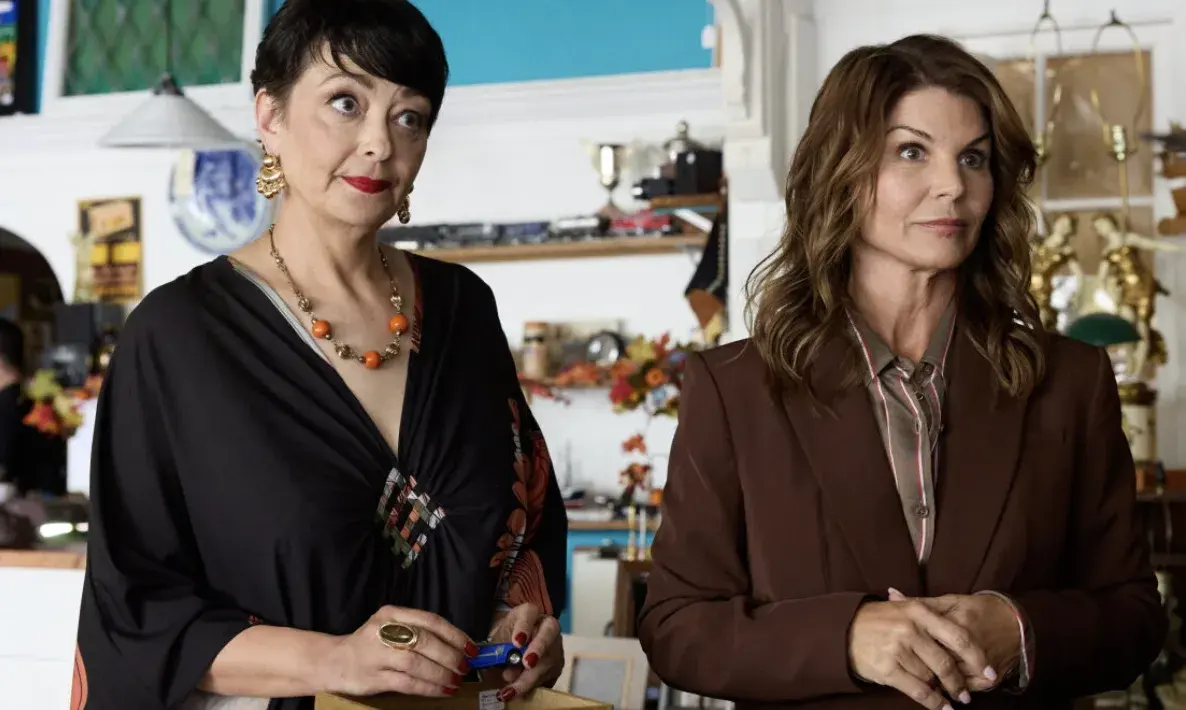
That makes Monster’s version considerably more speculative. The Netflix series builds additional secrets and motives around Morse, including his relationship with Abby, but there is no established historical evidence that he and Abby were having an affair.
Morse remains part of the long list of alternative theories surrounding the case, but history never established him as the person responsible.
Was William Borden Really Andrew’s Secret Son?
Another theory involves a man named William Borden, who has been described in some later accounts as Andrew’s illegitimate son.
Author Arnold Brown prominently advanced the theory that William had a financial dispute with Andrew and could have been responsible. The idea subsequently entered the broader collection of Lizzie Borden theories and is echoed in Monster.
However, later research has challenged the fundamental premise that William was Andrew’s son. As a result, the theory remains speculative rather than an established explanation for what happened.
Monster uses William because the real case contains enough unanswered questions to make alternative possibilities dramatically useful. His inclusion should not be interpreted as evidence that historians have established him as a credible solution.
Who Really Caused Andrew and Abby Borden’s Deaths?
There is still no definitive historical answer. Lizzie Borden remains the person most closely associated with the case because she was arrested, indicted and tried. Modern historians continue to debate the strength of the evidence against her, while some examinations argue that social expectations surrounding gender, class and religion also influenced the way the jury viewed her.
What can be stated with certainty is narrower. Andrew and Abby Borden died inside their Fall River home on August 4, 1892. Lizzie was prosecuted but acquitted. No other person was subsequently convicted, and the case remains officially unresolved.
Monster: The Lizzie Borden Story is therefore free to choose its own interpretation. The Netflix series can show viewers one possible version of what happened, but the real Borden case offers no comparable final reveal. Its enduring fascination comes precisely from the fact that the central question has survived since 1892 without a proven answer.