Who Killed Nong Chompoo? What Thailand’s Courts Actually Decided
Three-year-old Orawan “Nong Chompoo” Wongsricha’s death spent years being treated publicly as an unsolved mystery, but the current legal answer is much clearer. Thailand’s Court of Appeal Region 4 found her uncle-in-law, Chaiphol “Uncle Phol” Wipha, guilty of intentional murder in August 2025 and sentenced him to 26 years in prison. That ruling went beyond…
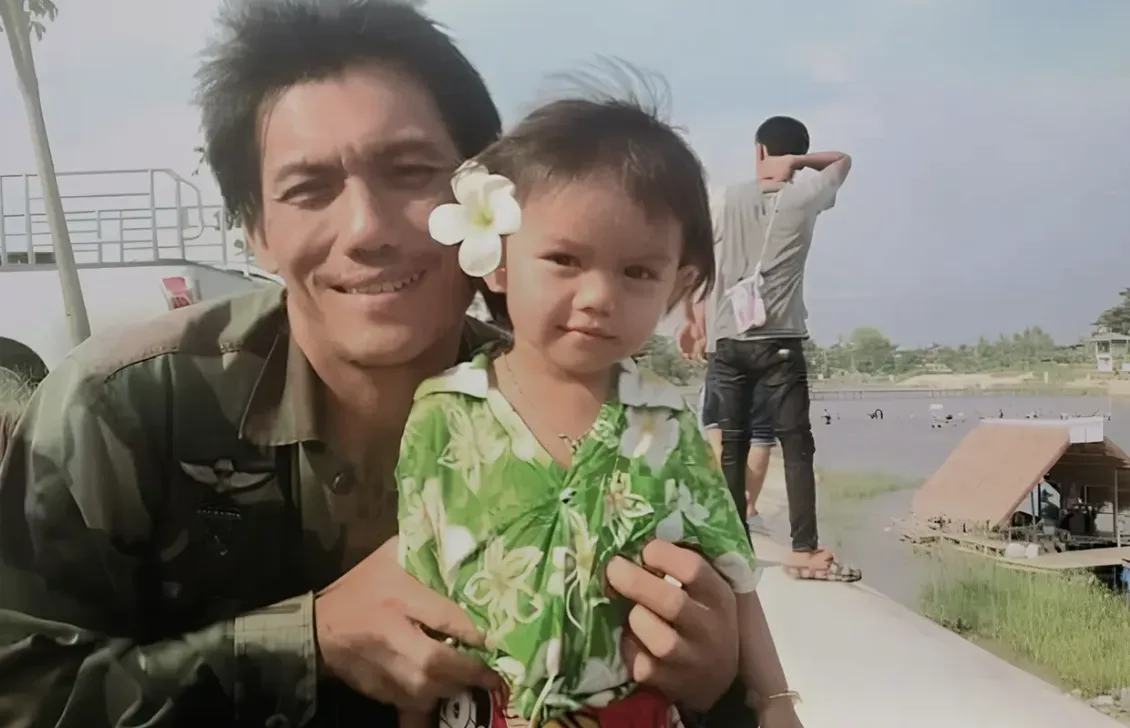
Three-year-old Orawan “Nong Chompoo” Wongsricha’s death spent years being treated publicly as an unsolved mystery, but the current legal answer is much clearer. Thailand’s Court of Appeal Region 4 found her uncle-in-law, Chaiphol “Uncle Phol” Wipha, guilty of intentional murder in August 2025 and sentenced him to 26 years in prison. That ruling went beyond the original 2023 judgment, which had convicted Phol of offenses related to Chompoo’s death but stopped short of murder. Phol has continued contesting the case, and the Supreme Court denied him bail while the further appeal proceeds, so the careful formulation is that Thailand’s appellate court has legally found Phol responsible for killing Chompoo.
What happened to Chompoo in May 2020?
Chompoo disappeared from her village in Mukdahan province on the morning of May 11, 2020. Her parents were away performing routine tasks, and the three-year-old had been around her siblings before she vanished. Search parties combed the surrounding area for days before finding her body on a mountain inside the Phu Pha Yon area on May 14. The location, roughly two kilometers from her home and across terrain considered extremely difficult for a child of her age, immediately raised the possibility that another person had taken her there.
Her body was found without clothing, but investigators did not find evidence that she had been sexually assaulted. That absence made the motive harder to understand and prevented the case from fitting one obvious narrative. Investigators instead concentrated on the child’s movements, the people around her that morning, forensic material and discrepancies in accounts provided by relatives. More than a year passed before police obtained the warrant that formally turned Phol from a heavily discussed suspect into a defendant.
Why did investigators focus on Uncle Phol?
Phol became the central suspect because several strands of circumstantial evidence began converging around him. Witnesses reportedly placed him around the area near the mountain, while investigators struggled to establish a reliable alibi for him during the crucial period when Chompoo disappeared. Courts also examined evidence that he had information about Chompoo being missing before his explanation suggested he should have known it. Attempts to influence how a witness described his whereabouts were another part of the prosecution’s case.
Forensic evidence made the suspicion more serious. Investigators found Chompoo’s hair in Phol’s pickup truck and studied cut strands recovered in connection with the mountain scene. Khaosod English reported that microscopic examination identified closely corresponding cuts on hair from the different locations, evidence investigators believed showed that strands had been cut together. Combined with evidence that Chompoo could not have climbed to the location on her own, prosecutors argued that another person had transported her and that Phol was the person the evidence best identified.
Why was Phol initially acquitted of murder?
The Mukdahan Provincial Court did not initially conclude that prosecutors had proved intentional murder. Its December 2023 ruling sentenced Phol to 20 years for recklessness causing death and child abduction, meaning the court accepted that he was responsible for putting Chompoo in the circumstances that caused her death but did not make the stronger finding that he intentionally killed her. That distinction led both sides toward appeals, with Phol maintaining his innocence and prosecutors seeking a murder conviction. His wife was acquitted and remained acquitted when the case later reached the Court of Appeal.
The Court of Appeal changed the legal picture substantially on August 13, 2025. It found Phol guilty under provisions covering intentional murder, abducting a child under 15 and tampering with a body or scene in an effort to affect the investigation or autopsy. The separate sentences totaled 26 years. Bangkok Post subsequently described him plainly as convicted in Chompoo’s murder when reporting that the Supreme Court had denied his request for bail.
Related: Chompoo’s Strangest True Story Is How Uncle Phol Became a Celebrity
Does Netflix reveal a different killer?
No. Chompoo: Lost & Forgotten does not uncover a secret suspect who overturns the court case, nor is it structured as a conventional documentary mystery in which a filmmaker identifies a killer during the final act. Netflix describes the film as an examination of how a missing-child investigation turned into a national spectacle and how a suspected criminal became a celebrity. The criminal case is therefore part of the documentary, but director Nontawat Numbenchapol is equally interested in what television, social media and the audience did to the story.
That creative focus can make the film feel less conclusive than viewers expect from a typical true-crime documentary. It spends considerable energy on media behavior and public fascination instead of reconstructing every minute of May 11, 2020. The absence of a confession or eyewitness to the killing also means there is no cinematic scene in which the mystery suddenly clicks into place. The legal answer comes from the accumulated circumstantial evidence and subsequent court judgments, not a new discovery produced by Netflix.
Is the case completely finished?
The appellate murder conviction is the strongest legal determination made so far, but Phol has continued seeking further review. After the Court of Appeal increased his sentence, his lawyers indicated that they would take the case to Thailand’s Supreme Court. The Supreme Court refused bail, citing the seriousness of the offense and concerns associated with releasing him while the appeal remained pending. Reliable reporting therefore places Phol in custody rather than free on appeal.
That procedural point matters when answering “Who killed Chompoo?” as precisely as possible. It is fair to say that Thailand’s Court of Appeal convicted Chaiphol Wipha of her intentional murder and that he is serving a 26-year sentence while pursuing further legal options. It would be less careful to imply that every level of the Thai judicial system has completed review if a Supreme Court appeal remains unresolved. What Netflix adds is not an alternative killer, but a disturbing explanation of how years passed with public attention often centered more heavily on Phol’s fame than on the child whose death created the case.