Chompoo’s Strangest True Story Is How Uncle Phol Became a Celebrity
The strangest part of Netflix’s Chompoo: Lost & Forgotten is not simply that Chaiphol “Uncle Phol” Wipha became a suspect in the death of three-year-old Orawan “Nong Chompoo” Wongsricha. It is that, while the investigation was still unresolved, Phol became a genuine celebrity with fans, commercial work, online followers and entertainment appearances. Thai television covered…
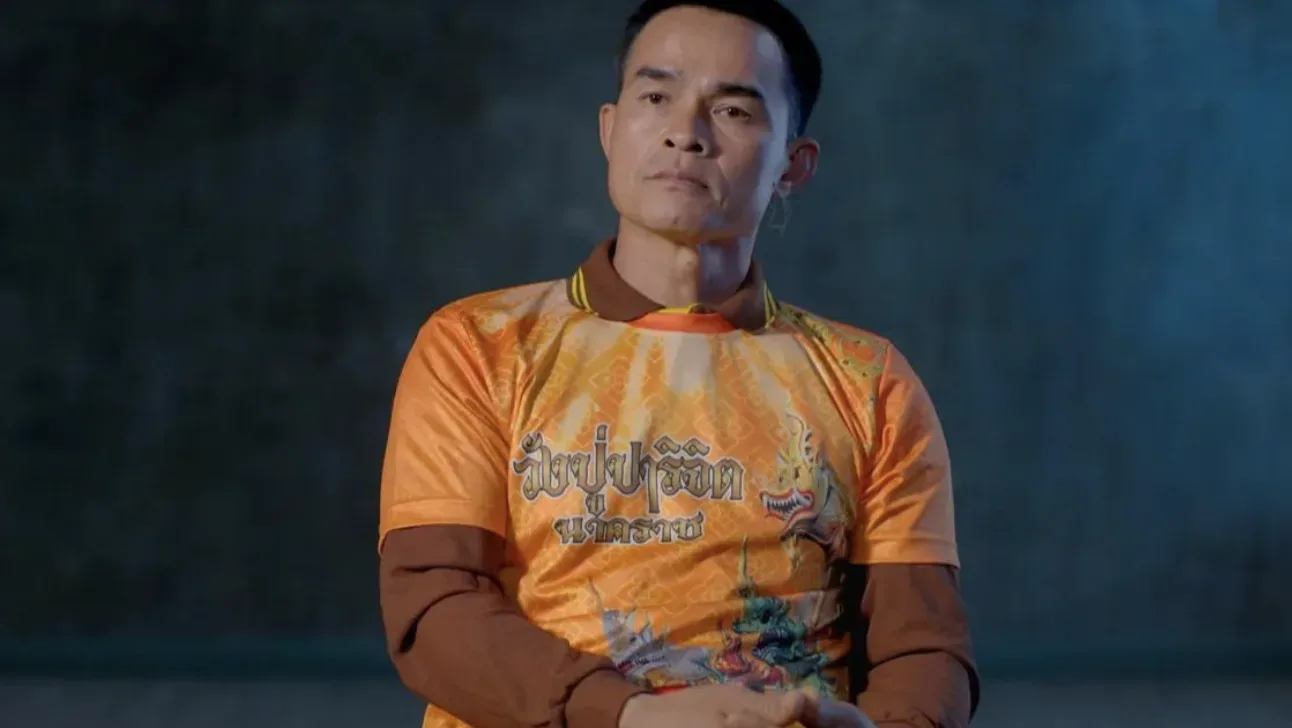
The strangest part of Netflix’s Chompoo: Lost & Forgotten is not simply that Chaiphol “Uncle Phol” Wipha became a suspect in the death of three-year-old Orawan “Nong Chompoo” Wongsricha. It is that, while the investigation was still unresolved, Phol became a genuine celebrity with fans, commercial work, online followers and entertainment appearances. Thai television covered the case so intensely that the investigation increasingly resembled an ongoing reality show, with Phol emerging as one of its most recognizable personalities. Sympathy for him grew among viewers who believed he had been unfairly suspected, while repeated television exposure made audiences feel that they knew him personally. Netflix’s documentary is therefore as interested in the machinery that created “Uncle Phol fever” as it is in the criminal case itself.
How did Uncle Phol become the face of Chompoo’s case?
Phol became nationally recognizable because reporters remained in Ban Kok Kok for months and repeatedly interviewed people connected with Chompoo’s disappearance. Chompoo vanished from her home in Mukdahan province on May 11, 2020, and her body was found three days later in a forested mountain area inside Phu Pha Yon National Park. Police believed the three-year-old could not have reached the location alone, which put relatives and people close to the family under intense scrutiny. Phol, Chompoo’s uncle-in-law, became one of the central people questioned and discussed as investigators struggled to establish exactly what had happened. With no quick arrest and enormous national interest, television coverage continued day after day, giving Phol an extraordinary amount of exposure before the case had been resolved.
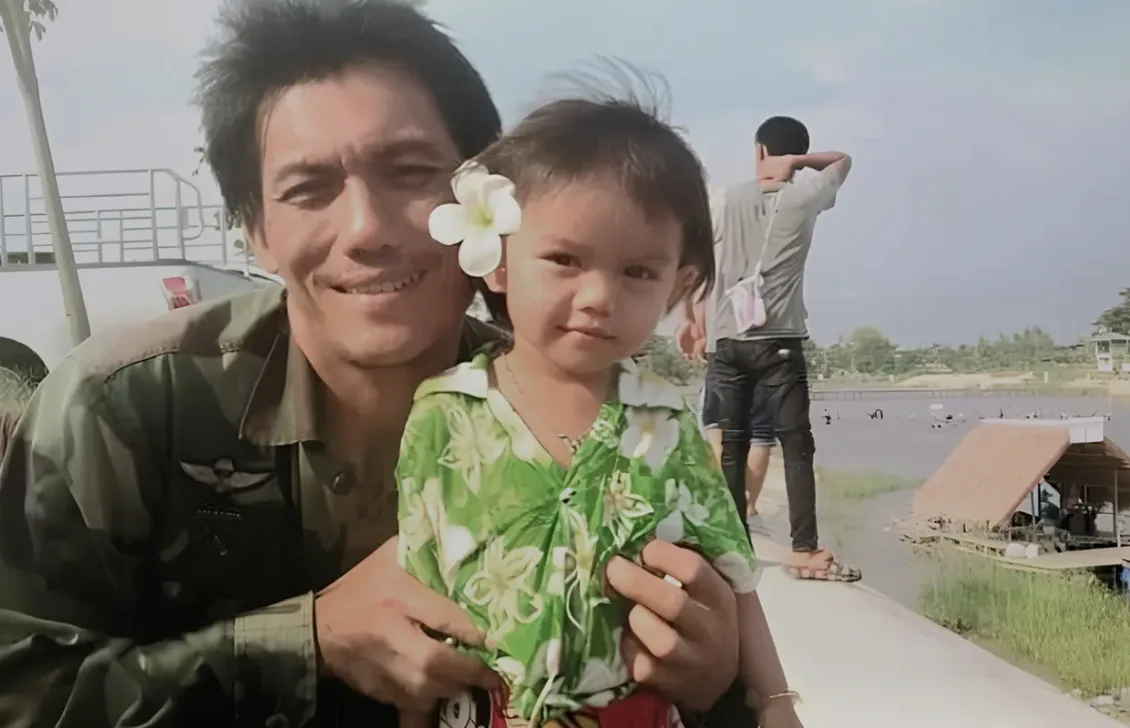
The attention gradually moved beyond questions about evidence. Reporters followed Phol’s reactions, family life and personality, while sections of the audience began treating him less like a person connected with an active investigation and more like a recurring television character. Nation Thailand reported as early as September 2020 that two media workers resigned after feeling responsible for helping turn him into a celebrity, with their outlet having portrayed him sympathetically. The same report noted that within roughly a month of Chompoo’s body being found, Phol had attracted supporters across Thailand and even received entertainment-industry job offers. That unusually rapid transition from person of interest to public personality is central to the phenomenon Netflix examines.
Why did so many people believe Uncle Phol was innocent?
Public sympathy grew partly because the early investigation did not produce an immediate, conclusive case against him. Phol repeatedly denied responsibility, cooperated publicly with parts of the investigation and appeared frequently in interviews, while viewers watched investigators move through conflicting theories and incomplete evidence. Some supporters came to see him as an ordinary villager being unfairly targeted by police and television speculation rather than as someone whose guilt had been proven. A “#SaveUnclePhol” movement developed online, and the absence of an early arrest allowed that sympathetic narrative to grow for months. His approachable television persona also mattered, because audiences were exposed to him so often that reactions to his personality began competing with discussion of the actual evidence.
That is one of the uncomfortable ideas behind Chompoo: Lost & Forgotten. Popularity did not emerge after Phol was cleared of suspicion, because he never received such a definitive exoneration. Instead, fame developed while investigators were still trying to establish what had happened, effectively allowing public opinion to conduct its own parallel trial. Some viewers interpreted every uncertain piece of evidence as support for Phol, while entertainment-style reporting made his personal story easier to follow than the slow technical work of a criminal investigation. Netflix describes the case specifically as one that “propelled a suspect into stardom” and transformed a child’s death into prime-time television.
Television coverage turned suspicion into entertainment
The scale and style of coverage played a major role in creating Uncle Phol’s celebrity. Bangkok Post reported during the investigation that two television stations in particular treated the case almost like a reality program, providing daily updates while critics accused the media of trivializing the death and potentially complicating police work. As the story continued without an arrest, the need for new material meant coverage increasingly focused on personalities, arguments, theories and developments around the villagers themselves. Phol was particularly useful to television because he was central to the mystery, willing to appear publicly and already attracting an audience. The result was a feedback loop in which coverage made him more famous, and his growing fame gave television outlets another reason to keep covering him.
The phenomenon became large enough to change life around Ban Kok Kok itself. Curious visitors traveled to the area, social media users followed developments closely and the people connected with the case became recognizable beyond their small community. The original victim risked being pushed out of the center of her own story as audiences followed the personalities created around the investigation. That is also why criticism of the media became inseparable from discussion of the case. Netflix’s framing asks not merely why Phol became famous, but who benefited from turning a suspected criminal into a celebrity in the first place.
How famous did Uncle Phol actually become?
His fame went far beyond frequent television interviews. Phol received donations from supporters, commercial opportunities and product-presenter work, while he and his wife built a substantial presence on YouTube. Contemporary reporting said their channel, “Lung Phol-Pa Taen Family,” accumulated more than 350,000 subscribers, while other reports put its video views in the tens of millions. He also appeared in a music video with well-known Thai singer Jintara Poonlarp that attracted more than 20 million views before the relationship later became controversial. Fashion, advertising and entertainment opportunities followed, meaning a man known publicly because of an unresolved child-death investigation had effectively entered influencer culture.
Money also became part of the story. Fans donated to Phol because some believed he was being persecuted, while advertisers recognized that his name attracted attention. Thai PBS later described how he generated income through advertisements, product reviews and music-related appearances despite investigators continuing to regard aspects of his behavior as suspicious. Years later, analysis by Thailand’s Safe and Creative Media Development Fund showed how durable the fascination remained, recording more than 20 million social-media engagements around his 2023 conviction during December of that year alone. Uncle Phol had stopped being only a person in the Chompoo case and had become a self-sustaining media subject whose personal life could generate attention independently of the crime.
When did Uncle Phol’s celebrity image collapse?
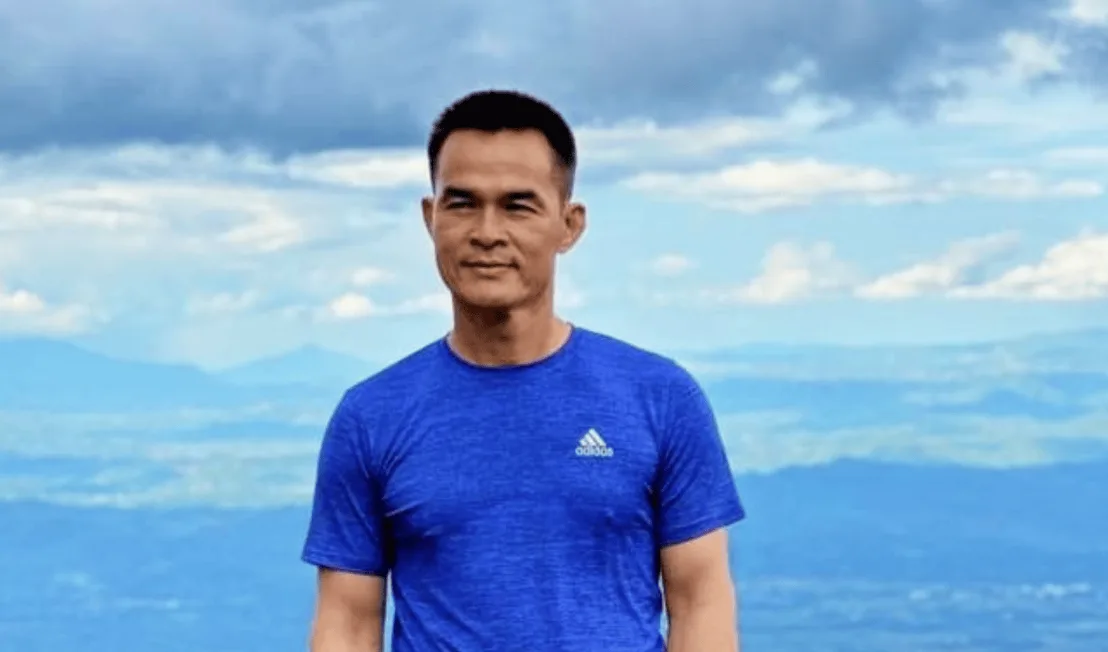
The relationship between Phol and the public changed as the criminal case against him strengthened. He was arrested in June 2021 after a court issued a warrant, dramatically reversing the narrative that had transformed him into a sympathetic celebrity. Some entertainers and supporters distanced themselves, while reports described former fans requesting donations back and commercial relationships disappearing. The contrast was striking because the same media environment that had helped create “Uncle Phol fever” could now follow his fall from celebrity to murder defendant. What had previously functioned like entertainment suddenly had unavoidable legal consequences attached to it.
The courts eventually convicted Phol. A provincial court sentenced him to 20 years in prison in December 2023, and Thailand’s Court of Appeal increased that sentence to 26 years in August 2025. The appeal court found him guilty on charges connected with intentional murder, abducting a child under 15 and interfering with the body or scene, while Thailand’s Supreme Court subsequently rejected his bail application as his case continued through the appeal process. Those later rulings do not retroactively explain why audiences supported him in 2020, but they make the earlier celebrity phenomenon much harder to dismiss as harmless entertainment. A person ultimately convicted over Chompoo’s death had once received fan donations, commercial endorsements and entertainment work because the unresolved investigation itself made him famous.
Also Read: Why Did the Police Take El Chapo to a Motel in Facing El Chapo?
Why Netflix makes the media circus the real subject
Chompoo: Lost & Forgotten is ultimately interested in more than determining who became famous and when. Netflix describes the documentary as an examination of how a missing-child investigation became a cultural spectacle, and Thailand’s first locally produced true-crime documentary feature deliberately returns to the role television and social media played in transforming the case. Phol did not create his celebrity alone, because broadcasters repeatedly gave him exposure, audiences rewarded that exposure with attention, and commercial interests discovered that attention could be converted into money. Social media then allowed supporters to build a direct relationship with him that no longer depended entirely on traditional news coverage.
That is why the answer to “Why did Uncle Phol become famous?” cannot simply be that viewers liked him. He became famous because an unresolved criminal case was packaged as continuing entertainment, because uncertainty allowed sympathy and conspiracy theories to flourish, and because television, social media, advertisers and audiences all reinforced one another. The uncomfortable result was that Chompoo’s death created a celebrity ecosystem around someone who was supposed to be part of an investigation into what happened to her. Netflix’s title calls Chompoo “lost and forgotten,” and the media history behind Uncle Phol’s rise makes that wording painfully appropriate. The strangest part of the case is not that one man attracted supporters, but how many institutions discovered value in keeping the spectacle alive.