What Happened to Vince Young in 2008? The Gun and Police Incident Explained
The September 2008 incident involving Vince Young was real, but some of the most dramatic versions of the story blur important facts. Titans coach Jeff Fisher contacted police after Young’s therapist told him she was worried about Young’s emotional state and said Young had mentioned suicide. Young had left home without his phone and had…
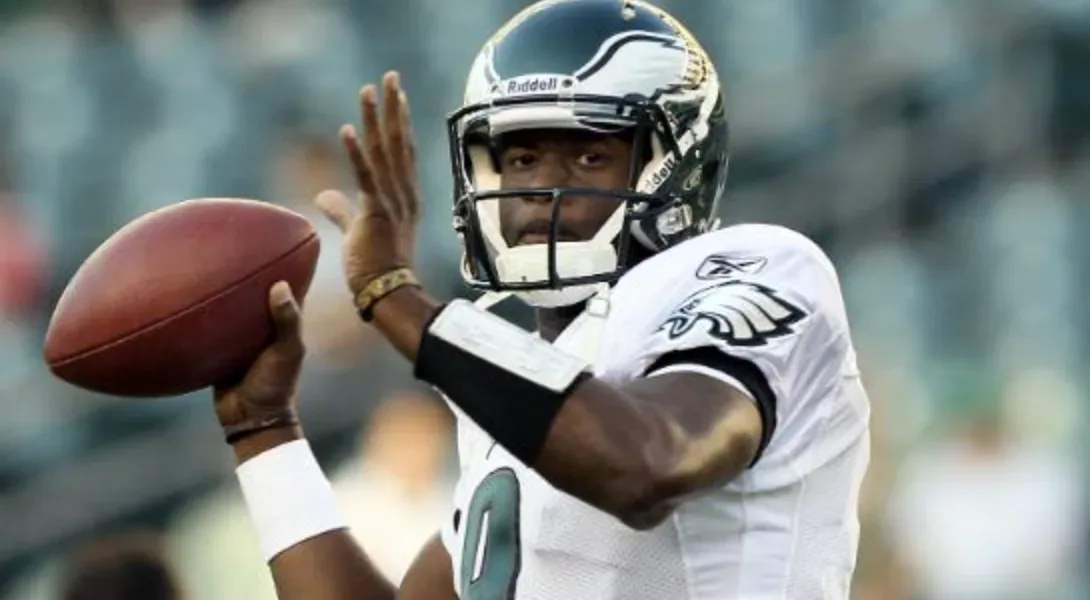
The September 2008 incident involving Vince Young was real, but some of the most dramatic versions of the story blur important facts. Titans coach Jeff Fisher contacted police after Young’s therapist told him she was worried about Young’s emotional state and said Young had mentioned suicide. Young had left home without his phone and had an unloaded handgun in his vehicle, prompting an extensive police search. Officers eventually located him safely, no self-harm occurred, he was not arrested and the handgun was legally possessed under Tennessee law. Young strongly disputed the suggestion that he intended to harm himself, later saying the situation had been exaggerated and that he was embarrassed by how publicly it unfolded.
What happened before Vince Young disappeared?
The incident followed Tennessee’s 2008 season opener against Jacksonville. Young had thrown two interceptions, was booed by parts of the home crowd and suffered a knee injury during the Titans’ 17-10 victory. He was already frustrated by the pressure surrounding his role as Tennessee’s franchise quarterback, and his emotional reaction to the game became part of what happened the following day.
Young later said he left his house upset and went out without his cellphone. He also had a handgun with him, something he later explained was not unusual because he was licensed and routinely carried a firearm. Those facts became much more alarming to the people around him when they could not reach him.
The combination of his injury, frustration, inability to be contacted and the presence of a gun is what transformed concern into a police matter.
Related: What Was Vince Young’s Relationship With Steve McNair?
Why did Jeff Fisher call the police?
According to the Nashville police report, Fisher had spoken with Young’s therapist, psychologist Sheila Peters. Fisher told police that Peters was concerned about Young’s mood and emotions and that he had mentioned suicide during their conversation earlier that day. The Titans then decided that locating Young was safer than assuming nothing was wrong.
The search became substantial. Police prepared crisis negotiators and SWAT officers while Young’s representatives and people around the Titans tried to determine where he had gone. Young’s manager reportedly attempted to follow him when he drove away but could not keep up. Eventually, Young’s agent informed Fisher that Young had been located safely at an apartment.
The Titans later said the initial concerns turned out to be unfounded. That official statement does not erase what the therapist reportedly told Fisher, but it does establish that the feared outcome never occurred.
What did police find when Vince Young returned?
Young eventually went to the Titans facility late that night. Officers searched him and his vehicle and found an unloaded handgun in the glove compartment of his Mercedes. The police report said there was no ammunition with the gun. Under Tennessee law at the time, that possession was legal under the circumstances described in the report.
Young was therefore not arrested for possessing the weapon, nor was he charged with a crime connected to the search. He spoke with his therapist and was released. Reports sometimes compress the story into “Vince Young disappeared with a gun,” which is technically rooted in real events but strips away the equally important facts that the weapon was unloaded, Young was found safe and no violent act occurred.
Those details matter, particularly because the incident involved concerns about someone’s mental state rather than a criminal accusation.
Did Vince Young say he was suicidal?
Young denied that interpretation. When he addressed reporters after the incident, he said he had never been depressed and characterized the concern surrounding his disappearance as an overreaction. He also said his mother had become worried because he left without telling her where he was going.
That account does not perfectly match the police report, because the report records Fisher saying Young’s therapist had told him Young mentioned suicide. Both facts need to remain in any accurate retelling. The therapist’s concern was serious enough for Fisher and the Titans to contact police, while Young himself denied that he intended to harm himself.
Young returned to the subject in a 2009 interview and described the police search and psychiatric evaluation as embarrassing. He again defended himself against reports that he had been contemplating suicide.
Related: What is Vince Young Networth?
There is no responsible reason to choose the most sensational interpretation as definitive when the contemporary record itself contains those competing accounts.
How did the incident change Young’s football career?
Young’s knee injury and the surrounding events resulted in Kerry Collins taking over at quarterback. Collins then helped Tennessee produce a 13-3 regular season and win the AFC South, which meant Young could not simply reclaim the job once healthy. He appeared in only three games during the 2008 season.
That altered the trajectory of a player who had been Offensive Rookie of the Year just two seasons earlier. Young remained behind Collins at the start of 2009 until Tennessee opened the season 0-6 and owner Bud Adams pushed for a change. Young returned to the starting lineup and helped the Titans recover to 8-8, showing that the 2008 episode did not end his ability to play effectively.
But the incident became attached to his reputation permanently. It was repeatedly referenced whenever questions arose later about his maturity, relationship with Fisher or emotional reactions to setbacks.
How does the Netflix documentary revisit 2008?
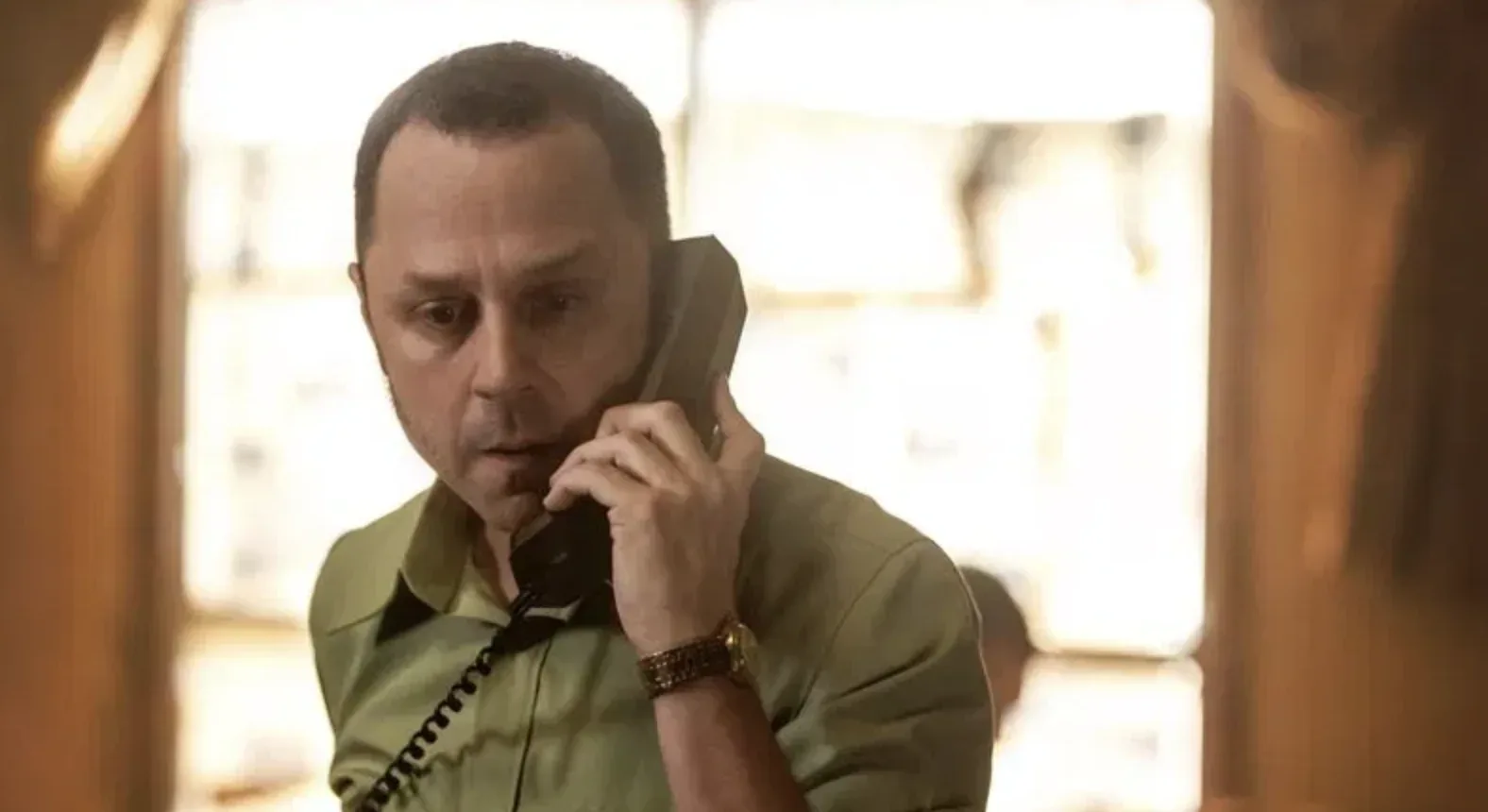
Untold: The Testimony of Vince Young returns to the episode as part of its larger attempt to explain the pressure surrounding Young rather than simply repeat the old headlines. Current reviews describe the incident as one of the documentary’s most uncomfortable parts, alongside Young’s conflict with Fisher and the absence of the kind of support structure he had relied on at Texas.
That context is useful, but the documentary does not make the historical record disappear. Fisher had a reason for calling police based on what he had been told. Young also has consistently rejected the idea that he was planning to harm himself. Neither side should be erased for a cleaner narrative.
The clearest answer is therefore narrower than the legend that grew around the incident. Young was emotionally upset, became unreachable while carrying an unloaded firearm, and people close to him became concerned enough to involve police. He was found unharmed, faced no criminal charge and denied suicidal intent. What happened afterward mattered almost as much as that night itself because the episode reshaped how the NFL public viewed Young for the remainder of his career.