What Happened to Andrea Yates After the Deaths of Her Five Children?
Nearly 25 years after one of the most disturbing crimes in Texas history, Andrea Yates remains in psychiatric care rather than prison. Her case has returned to public attention through Investigation Discovery’s three-part docuseries “The Cult Behind the Killer: The Andrea Yates Story,” which revisits not only her severe mental illness but also the religious…
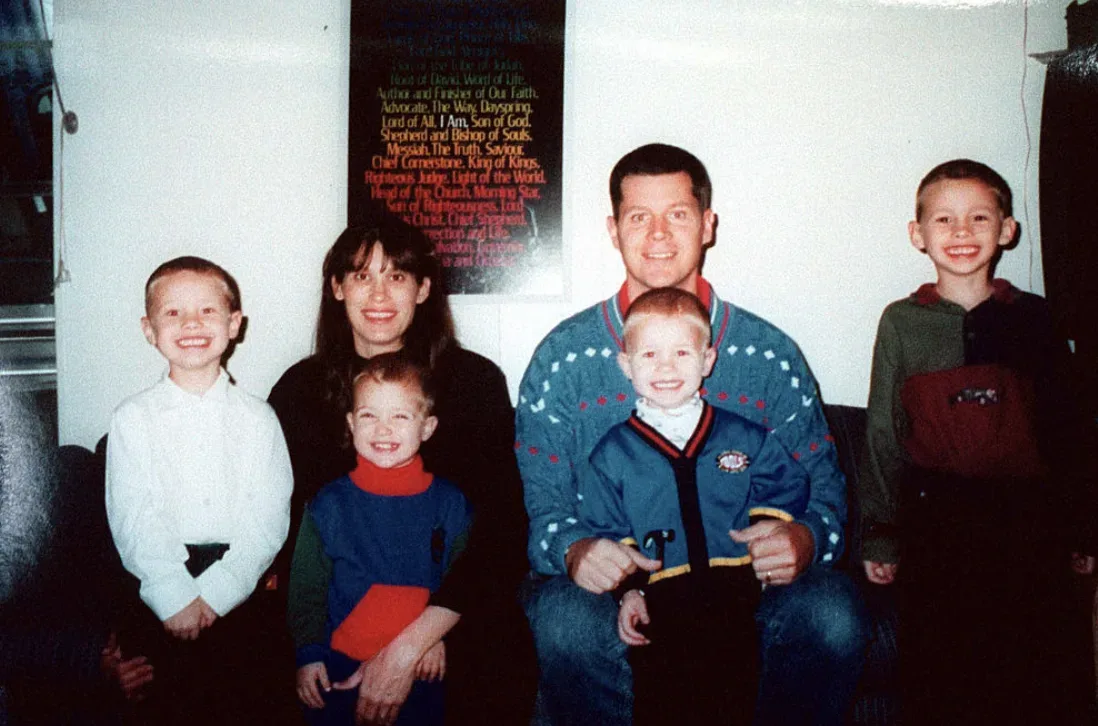
Nearly 25 years after one of the most disturbing crimes in Texas history, Andrea Yates remains in psychiatric care rather than prison. Her case has returned to public attention through Investigation Discovery’s three-part docuseries “The Cult Behind the Killer: The Andrea Yates Story,” which revisits not only her severe mental illness but also the religious ideas that surrounded the Yates family before the deaths.
Yates drowned her five children, Noah, John, Paul, Luke and Mary, at the family’s Clear Lake, Texas, home on June 20, 2001. She then called police. The case quickly became national news, but what followed was a complicated legal battle over whether Yates understood that what she had done was wrong while experiencing severe psychiatric illness.
Andrea Yates Was Initially Sentenced to Life in Prison
Yates had struggled with serious mental health problems before the killings. Her history included psychiatric hospitalizations, suicide attempts and psychotic symptoms that became particularly severe following childbirth.
At her first trial in 2002, her lawyers argued that she was legally insane when she killed the children. Prosecutors disagreed, arguing that although Yates was mentally ill, she still understood right from wrong, which was central to the Texas insanity standard.
The jury rejected the insanity defense. Yates was convicted of capital murder and sentenced to life in prison.
That appeared to settle the case, but a serious problem with testimony from the prosecution’s principal psychiatric expert eventually changed everything.
Why Was Andrea Yates’ Conviction Overturned?
Dr. Park Dietz testified during the first trial that the television series “Law & Order” had aired an episode shortly before the killings about a woman with postpartum depression who drowned her children and was found not guilty by reason of insanity. There was one major problem: the episode did not exist.
The Texas First Court of Appeals concluded that Dietz’s false testimony was material, particularly because he was the state’s only mental health expert to testify that Yates knew her actions were wrong. The court reversed the conviction and ordered further proceedings.

Yates went on trial again in 2006.
This time the jury reached a different conclusion. On July 26, 2006, she was found not guilty by reason of insanity. The verdict did not mean the killings were disputed. Instead, jurors accepted that Yates’ mental condition prevented her from meeting the legal threshold for criminal responsibility under the insanity standard.
Andrea Yates Was Sent to a Psychiatric Hospital After the Retrial
Following the second trial, Yates was committed to the Texas state mental health system. She initially received treatment at Vernon State Hospital before being transferred to Kerrville State Hospital in 2007.
She remains at Kerrville State Hospital as of 2026. She has not simply served a fixed sentence that expires on a particular date. Her confinement stems from the not guilty by reason of insanity verdict and her continued placement in psychiatric care.
Yates can have her condition reviewed for possible release, but she has repeatedly declined to pursue that route. Recent reporting says she continues to waive the reviews that could potentially begin the process of leaving the hospital.
Her longtime attorney George Parnham has previously said that she has done well in the structured treatment environment. Reports about her life inside the facility have described her making crafts, looking at old family photographs and videos, and continuing to grieve for her children.
Also Read: Chompoo: Lost & Forgotten Ending Explained: The Verdict Isn’t the Film’s Real Ending
Does Andrea Yates Still Speak to Rusty Yates?
Yes. Andrea and Russell “Rusty” Yates divorced in 2005, before her second trial, but they have remained in contact.
In January 2026, Rusty said he tries to visit Andrea in person once a year and that they also communicate by phone, text and other contact. He described their relationship now as bittersweet because Andrea is the only other person with whom he can share memories of their family before the tragedy.
Rusty has also repeatedly said that he does not regard Andrea as the person she became during her psychotic illness. He has attributed the children’s deaths to the severity of her psychiatric condition rather than describing her as inherently violent. What Does The Cult Behind the Killer Add to Andrea Yates’ Story?
“The Cult Behind the Killer” does not challenge the established fact that Yates was suffering from severe mental illness. Instead, the documentary examines another part of her life: the Yates family’s relationship with preacher Michael Woroniecki.
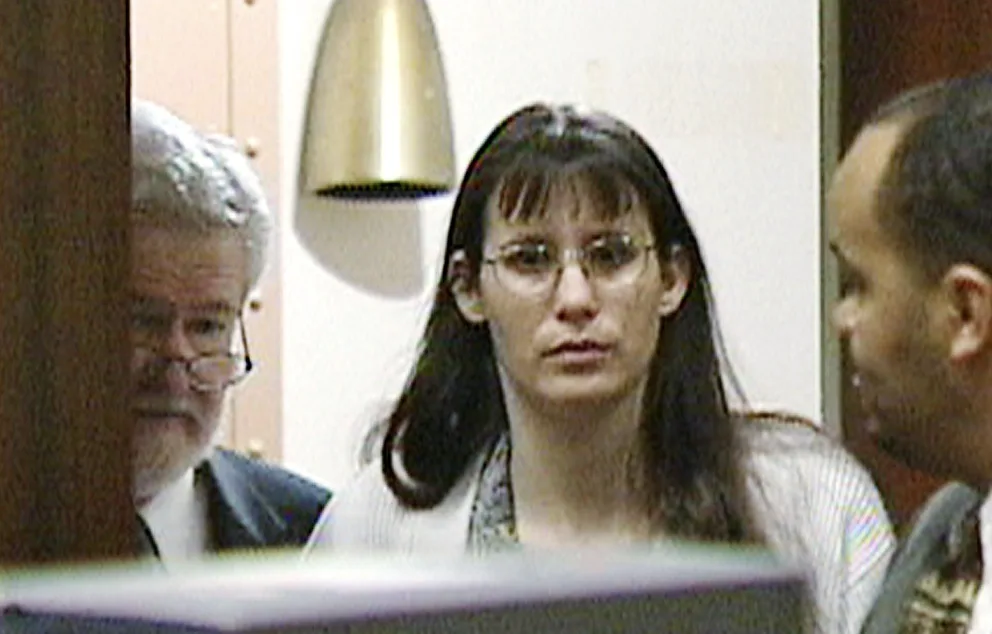
Investigation Discovery says the series explores how Woroniecki’s teachings may have affected an already vulnerable Yates. Former followers interviewed in the documentary describe a belief system centered on fear, damnation, isolation and spiritual control. Rusty also appears in the series and says he now believes Andrea’s delusions may have been affected by her exposure to Woroniecki’s teachings.
That does not establish that Woroniecki legally caused the killings. He has denied responsibility, was never charged in connection with the children’s deaths and declined to participate in the documentary.
For Andrea Yates herself, however, the legal story has been settled for two decades. She was found not guilty by reason of insanity in 2006, has lived at Kerrville State Hospital since 2007 and, as of 2026, continues to remain there rather than seeking release.