The Shards S1E1 Ending Explained: Is Robert Mallory the Trawler?
The Shards does not gently introduce viewers to Bret Easton Ellis’ version of 1981 Los Angeles. It opens with teenage Bret becoming transfixed by a beautiful stranger during a screening of The Shining, follows that encounter with the brutal murder of a young woman, and then spends the rest of the premiere bringing those two…
The Shards does not gently introduce viewers to Bret Easton Ellis’ version of 1981 Los Angeles. It opens with teenage Bret becoming transfixed by a beautiful stranger during a screening of The Shining, follows that encounter with the brutal murder of a young woman, and then spends the rest of the premiere bringing those two memories dangerously close together.
The stranger is Robert Mallory (Homer Gere), a new student who arrives at Bret’s school more than a year later. Bret (Igby Rigney) recognizes him immediately. Robert claims they have never met. Meanwhile, a serial killer called the Trawler is abducting young people, mutilating animals and apparently moving closer to Bret’s privileged circle of friends.
Episode 1 does not reveal whether Robert is the killer. That would be far too easy. Instead, it makes Robert suspicious enough to justify Bret’s fear while making Bret obsessive enough to question everything he tells us. By the closing scene, the killer may already have Bret’s phone number.
Full spoilers follow for The Shards Season 1 Episode 1, “Pilot.”
Why Does Bret Recognize Robert?
Bret first sees Robert in May 1980 while attending a morning screening of Stanley Kubrick’s The Shining in Westwood.
Bret has come alone, proud of the independence represented by driving his father’s Mercedes across Los Angeles. He is also excited to see an adaptation of the Stephen King novel that helped inspire his own writing. That enthusiasm quickly becomes secondary when another boy enters the theater.
Bret is immediately overwhelmed by Robert’s appearance. He watches him more closely than the movie and imagines that a brief glance between them carries mutual interest. Bret does not speak to him, however, and Robert disappears before Bret can find him after the screening.
More than a year later, Bret identifies that same boy as Robert Mallory.
The sequence establishes attraction before suspicion, which matters because Bret’s later investigation cannot be separated from his desire. He wants to expose Robert, understand him and possess his attention, preferably all at once. That makes Bret an engaging narrator, but not necessarily a reliable detective.
Bret also tells viewers that Robert’s arrival will coincide with a period of murder that destroys his friends. It is an aggressive piece of foreshadowing, almost to the point of announcing Robert’s guilt before he has entered the story.
The premiere eventually complicates that assumption. Robert may be dangerous. Bret may also have decided that Robert is dangerous because fear gives him a socially acceptable reason to keep watching him.
Who Does the Trawler Kill?
The premiere does not confirm the name of the young woman attacked in its opening sequence.
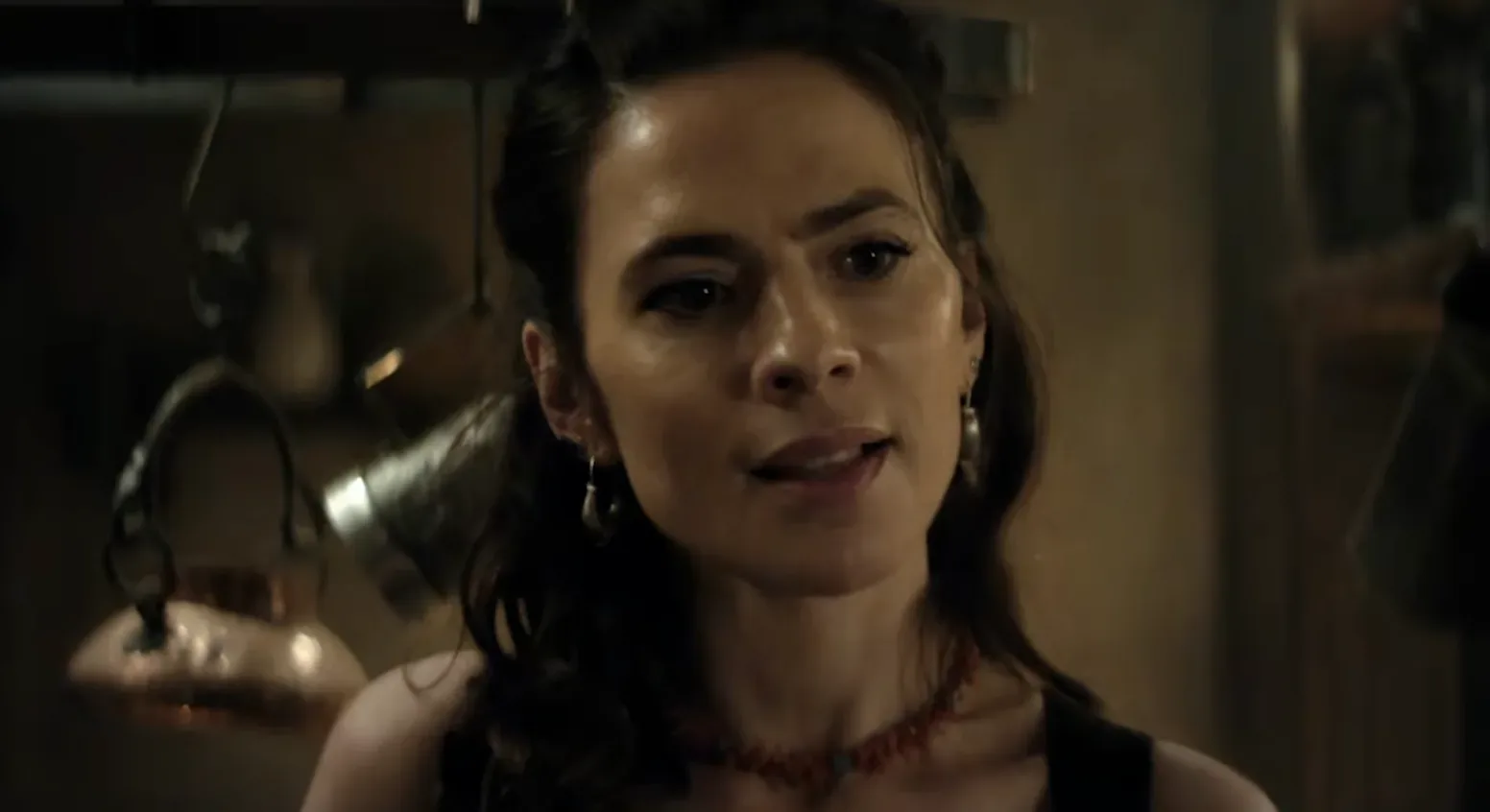
She receives disturbing telephone calls filled with static and strange breathing before hearing something outside. Her dog, Shadow, appears to be missing. When she goes out to investigate, an unseen attacker kills her.
A later news report states that a teenage girl’s body has been found on a tennis court in Woodland Hills. The timing strongly suggests that this is the victim seen during the opening, although the episode does not explicitly connect the two scenes or reveal her identity.
The report also mentions Katherine Latchford, another missing girl whose body was previously discovered in a dumpster in Redlands. Her murder remains unsolved.
By the end of the episode, another victim has been identified. Margo Tyler, missing since June, is found dead behind a Tower Records. Bret’s narration calls her the killer’s third victim and reveals that investigators have nicknamed the murderer the Trawler.
The name refers to the killer’s ability to cast a wide net for victims, but the more disturbing detail concerns the missing animals. Bret says the Trawler takes pets and uses them as part of a satanic ritual.
That revelation gives earlier scenes a much darker meaning. Shadow disappears before the opening murder. Later, Matt Kellner tells Bret that the fish in his aquarium are gone and that his cat, Alex, has vanished too.
Matt treats the missing animals as a strange household mystery. Bret does not yet understand what they may represent. Once the news identifies the Trawler’s pattern, Matt’s home no longer looks safely removed from the murders.
This is the premiere’s most effective horror turn because it does not depend on showing another attack. It changes the meaning of an apparently casual conversation. The killer may already have entered the private spaces occupied by Bret and his friends.
Who Is Already Betraying Whom?
Before Robert arrives, Bret’s social circle is already held together by secrecy.
Bret publicly dates Deborah “Debbie” Schaffer (Hayes Warner), a wealthy and impulsive classmate who treats rules as minor inconveniences. Their relationship is physically real, but Bret admits that it also gives him a socially acceptable identity.
His private relationship is with Matt.
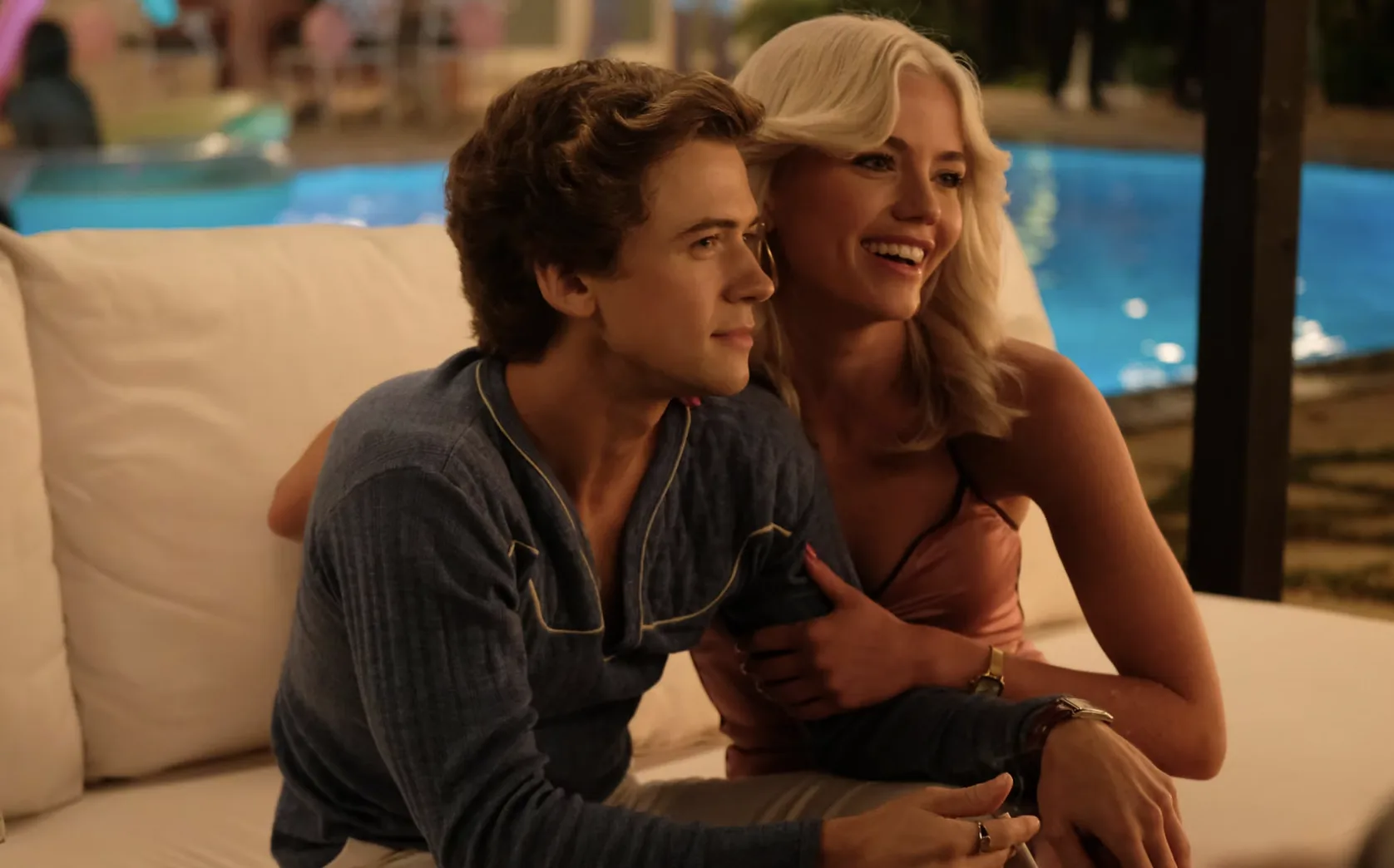
Bret visits Matt after sleeping with Debbie and criticizes him for withdrawing from school life, smoking too much marijuana and refusing to use his potential. The concern is genuine, but Bret also wants Matt to remain available without requiring anything from him publicly.
When Matt asks whether they are friends, Bret’s answer is revealing. Their connection exists mainly when Bret drives over and they fool around in secret.
Bret then suggests that they stop.
He presents the decision as concern for Matt, but it is also another example of Bret controlling how close other people are allowed to get. Debbie can be his public girlfriend. Matt can be his hidden lover. Susan Reynolds (Kaia Gerber) can remain the person he privately believes he loves most. Bret has assigned each relationship a separate compartment and expects everyone to stay inside it.
Susan appears to be keeping secrets of her own.
She has been dating Thom Wright (Graham Campbell) since their sophomore year. They are popular, wealthy and widely expected to become homecoming king and queen. From the outside, they are the school’s perfect couple.
During Debbie’s Labor Day party, however, Susan has a private conversation with Ryan. She tells him that whatever has developed between them needs to cool down because it has gotten out of hand. When Bret later asks what they discussed, Susan claims they were merely talking about graduation and leaving Los Angeles.
The episode does not show Susan and Ryan kissing or directly name their relationship, but the implication is difficult to miss. Susan is hiding something from both Thom and Bret. Bret’s narration has already warned that one half of Susan and Thom’s supposedly ideal relationship will stop being in love that fall.
Debbie’s parents offer an uglier version of the same culture of concealment.
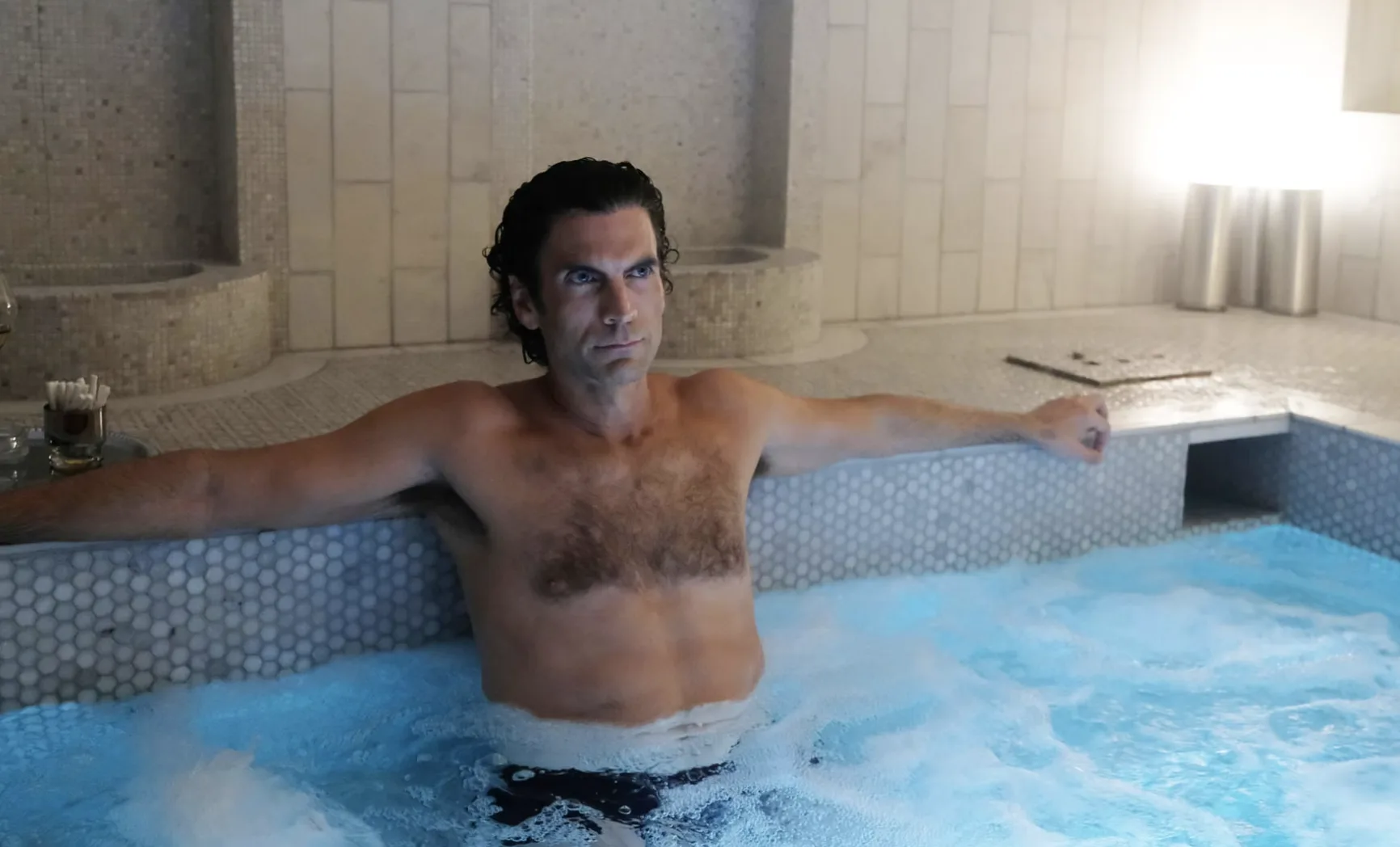
Her father, producer Terry Schaffer (Wes Bentley), approaches Bret under the pretense of discussing his writing career. Terry praises his talent, proposes a private lunch and tells him that he has always had his eye on him. The conversation is interrupted when Steven Reinhardt (Jordan Roth) begins photographing them.
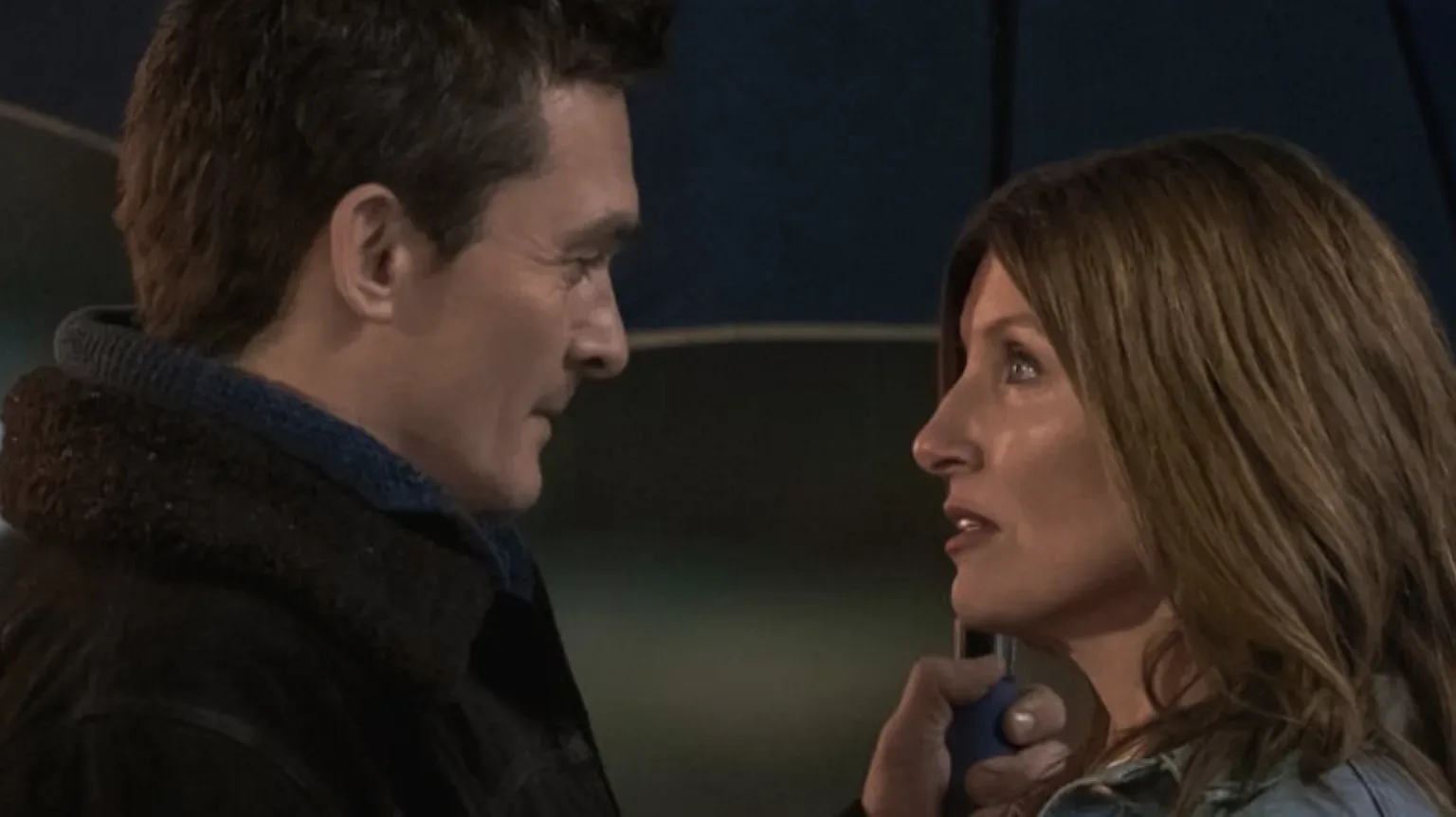
Terry’s wife, Liz Schaffer (Evan Rachel Wood), later confronts Bret and asks whether Terry propositioned him. Her accusation makes clear that this is not the first time she has suspected her husband of targeting younger men.
The teenagers gossip about Terry’s sexuality, sometimes with the casual homophobia of their time. But the real issue is not that Terry may be attracted to men. It is that an influential adult appears to use professional access to place teenagers in compromising situations.
Everyone at the party is performing stability. Almost nobody is telling the truth.
Why Does Robert Lie About The Shining?
Robert arrives at school on September 8, 1981, and presents a carefully organized explanation of his life.
He says he is originally from Chicago and was expelled from his previous school. His parents divorced, his mother died in an accident, and his father wanted to send him to military school. According to Robert, his aunt intervened and brought him to Los Angeles for his final year.
The story sounds plausible. Bret immediately believes it is rehearsed.
More importantly, Robert denies attending the Westwood screening of The Shining. Bret asks several times whether Robert was there. Robert does not simply say he cannot remember. He insists that he has never seen the film.
That denial convinces Bret that Robert is lying.
There are several possible explanations. Robert may be concealing his earlier presence in Los Angeles because it contradicts the history he has given the group. He may remember Bret and feel uncomfortable admitting it. He could also be telling the truth, leaving Bret to project an old fixation onto a similar-looking stranger.
The episode clearly favors the first possibility, but it stops short of proving it.
Robert’s behavior does little to make him seem innocent. He is charming, smooth and unusually attentive to the relationships within Bret’s group. He notices Susan, asks about her relationship with Thom and later reveals that he has been watching Bret speak with Matt.
He may be gathering information because he is a new student trying to understand the school’s hierarchy. He may also be selecting pressure points.
Robert knows how to make curiosity feel like a threat.
Is Robert Mallory the Trawler?
Episode 1 wants viewers to suspect Robert, but it offers no direct evidence that he is the Trawler.
The timing is certainly suspicious. Bret first sees Robert during the period leading toward the murders. Robert then transfers into Bret’s school just as the Trawler’s attacks begin attracting wider attention.
Robert lies about The Shining, gives a polished account of his past and shows an unsettling interest in Bret’s friends. After school, Bret follows him by car, and Robert responds by turning the drive into a dangerous chase through Los Angeles.
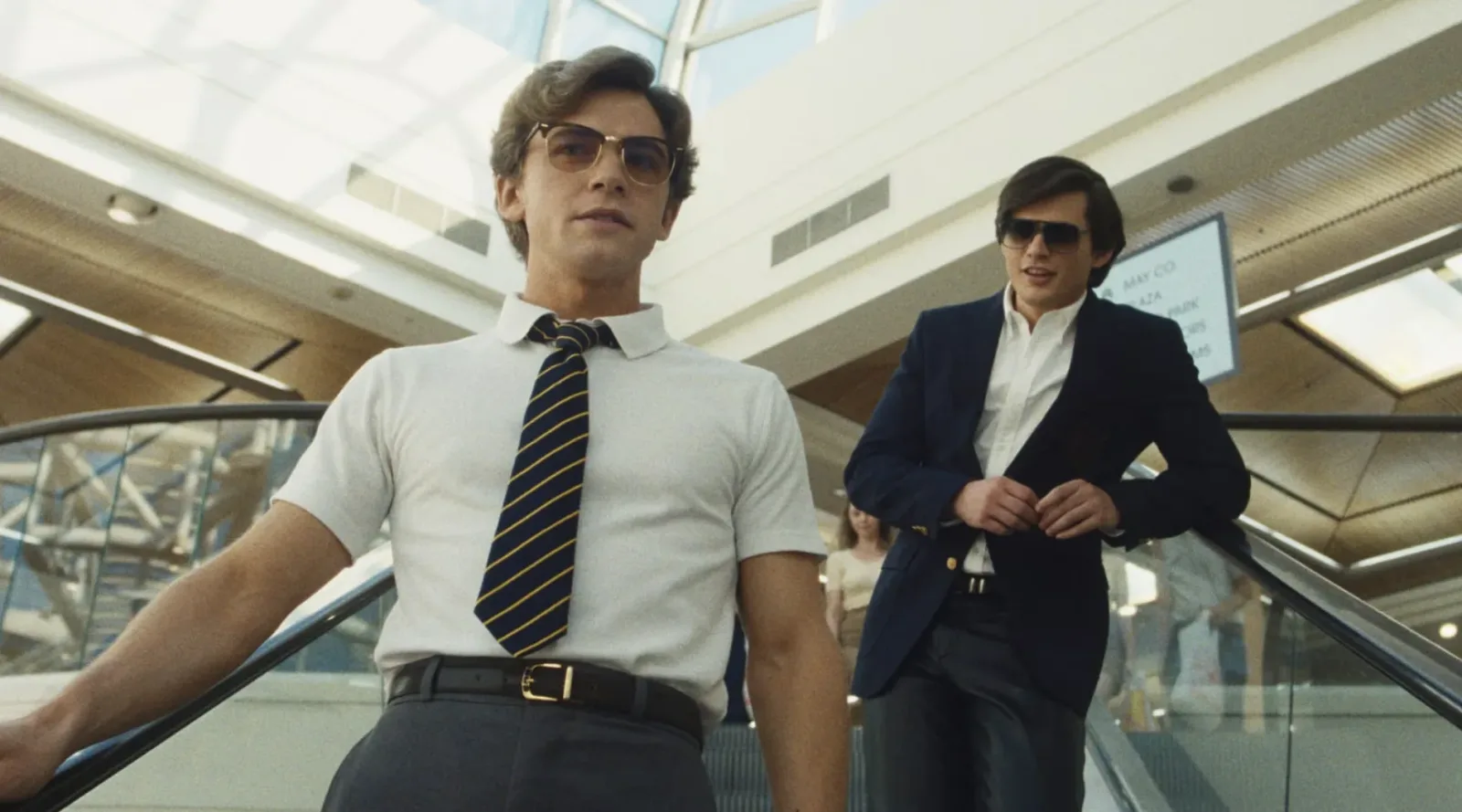
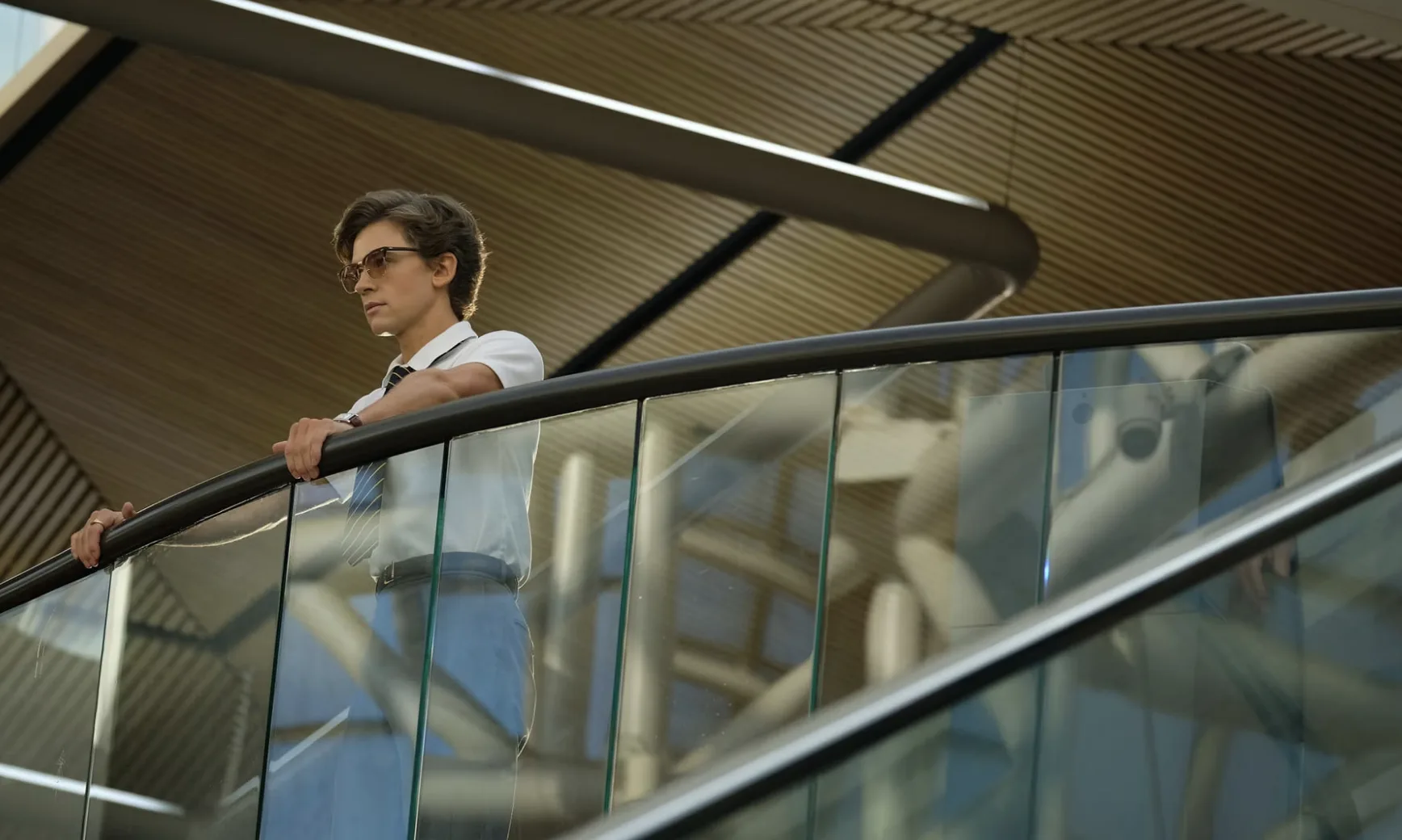
The sequence reveals that Robert knows he is being followed and is willing to test Bret’s nerve. When they meet again at the mall, Robert calmly makes Bret admit that he was driving behind him.
He then asks about Matt, describing him as confused and in need of a friend. The comment immediately puts Bret on edge because Robert appears to have noticed the relationship Bret works hardest to conceal.
Robert also asks whether Susan and Thom are serious before openly calling Susan attractive. He is not merely introducing himself to the group. He is identifying the private desires and weak loyalties beneath its polished surface.
Still, Bret’s reaction is as important as Robert’s questions.
Bret follows him, repeatedly challenges his story and becomes breathless when Robert expresses interest in Susan. Robert eventually tells Bret that when he speaks to him, Bret is really speaking to himself.
It is the sharpest line in the premiere because it identifies Bret’s central problem. Bret sees deception in Robert, but Bret is also deceiving Debbie, Matt, Thom and possibly himself. He sees dangerous desire in Robert while struggling to acknowledge his own attraction.
Robert could be the Trawler. He could also recognize Bret’s hidden life because he has one of his own.
The premiere is more interesting while both possibilities remain open.
Who Calls Bret in the Ending?
The episode ends with Bret receiving a telephone call while watching a news report about the Trawler murders.
After learning that Margo Tyler is the killer’s third known victim, Bret hears that the recent disappearance of local pets may be connected to the murders. The revelation appears to link the Trawler to Matt’s missing cat and aquarium fish.
Bret turns off the television. Almost immediately, the phone rings.
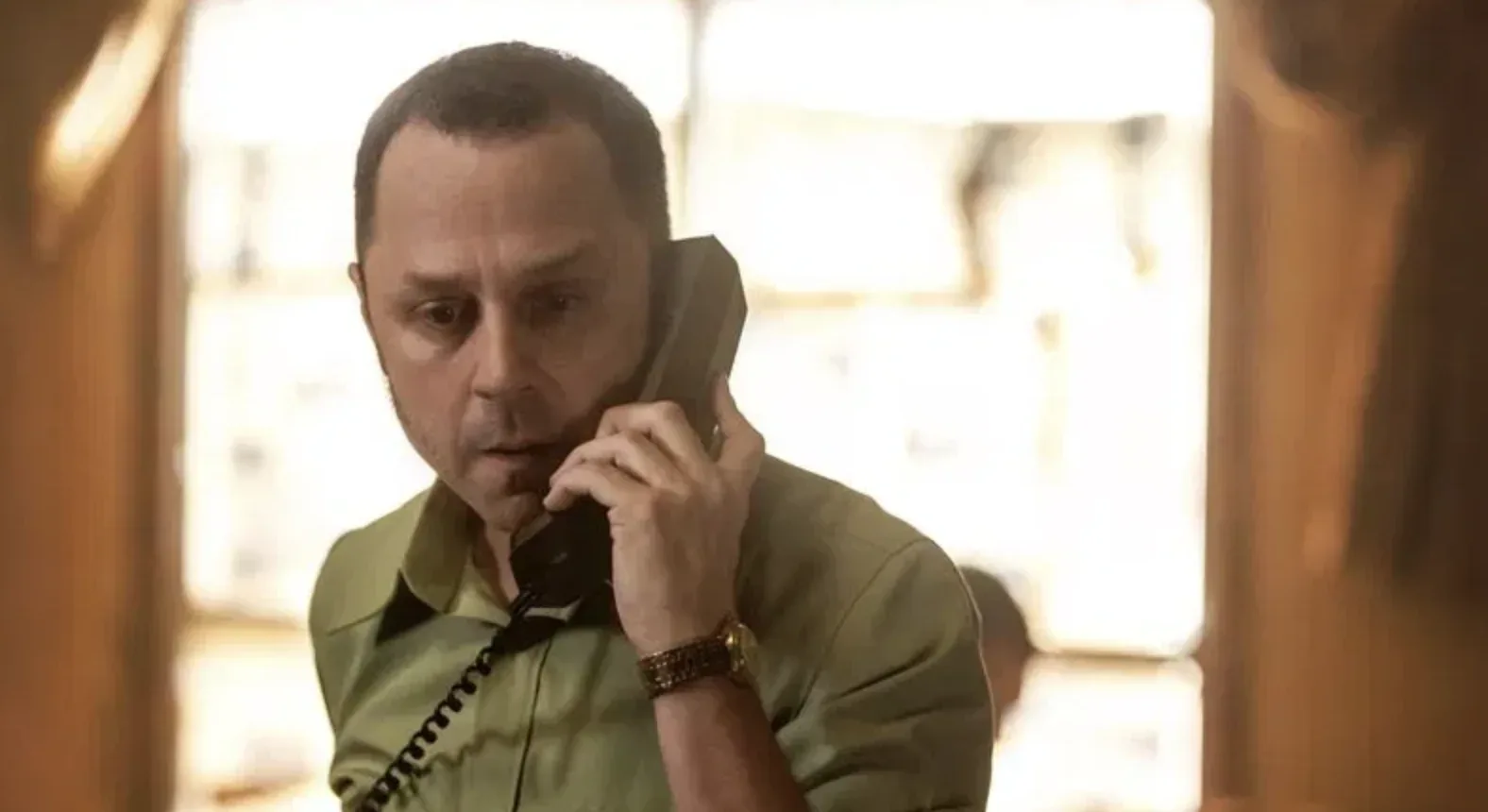
When he answers, he hears a man groaning and screaming. The caller repeatedly asks for help, but Bret cannot get a clear response before the episode cuts to black.
The identity of the injured man is not revealed.
The most likely explanation is that the Trawler has contacted Bret and forced him to listen to a victim. The killer may be broadcasting a live attack or playing a recording designed to frighten him. Either possibility means Bret is no longer simply hearing about unrelated murders on the news.
The call could involve Matt. His missing animals have just been connected to the killer’s pattern, and his relationship with Bret gives the Trawler a direct way to inflict psychological damage. However, the subtitles do not identify the voice, so Matt’s involvement remains a theory rather than a confirmed twist.
Robert is another obvious suspect, but the ending carefully avoids placing him near a phone or a victim. The premiere has spent so much time encouraging suspicion around him that his guilt almost feels too neatly packaged.
The important reveal is not who makes the call. It is that someone is watching Bret closely enough to know how to reach him.
Bret spends the final act following Robert because he believes he is the investigator. The phone call reverses that position. Someone has already investigated Bret, found his number and chosen him as an audience.
That is where Episode 1 leaves its central mystery. Robert’s arrival may be connected to the murders, or Bret’s obsession with Robert may distract him from a killer operating elsewhere. Either way, the Trawler has crossed the boundary between Los Angeles’ public panic and Bret’s private life.
The beautiful empty houses no longer represent freedom. They are places where nobody is around to hear the phone ring.