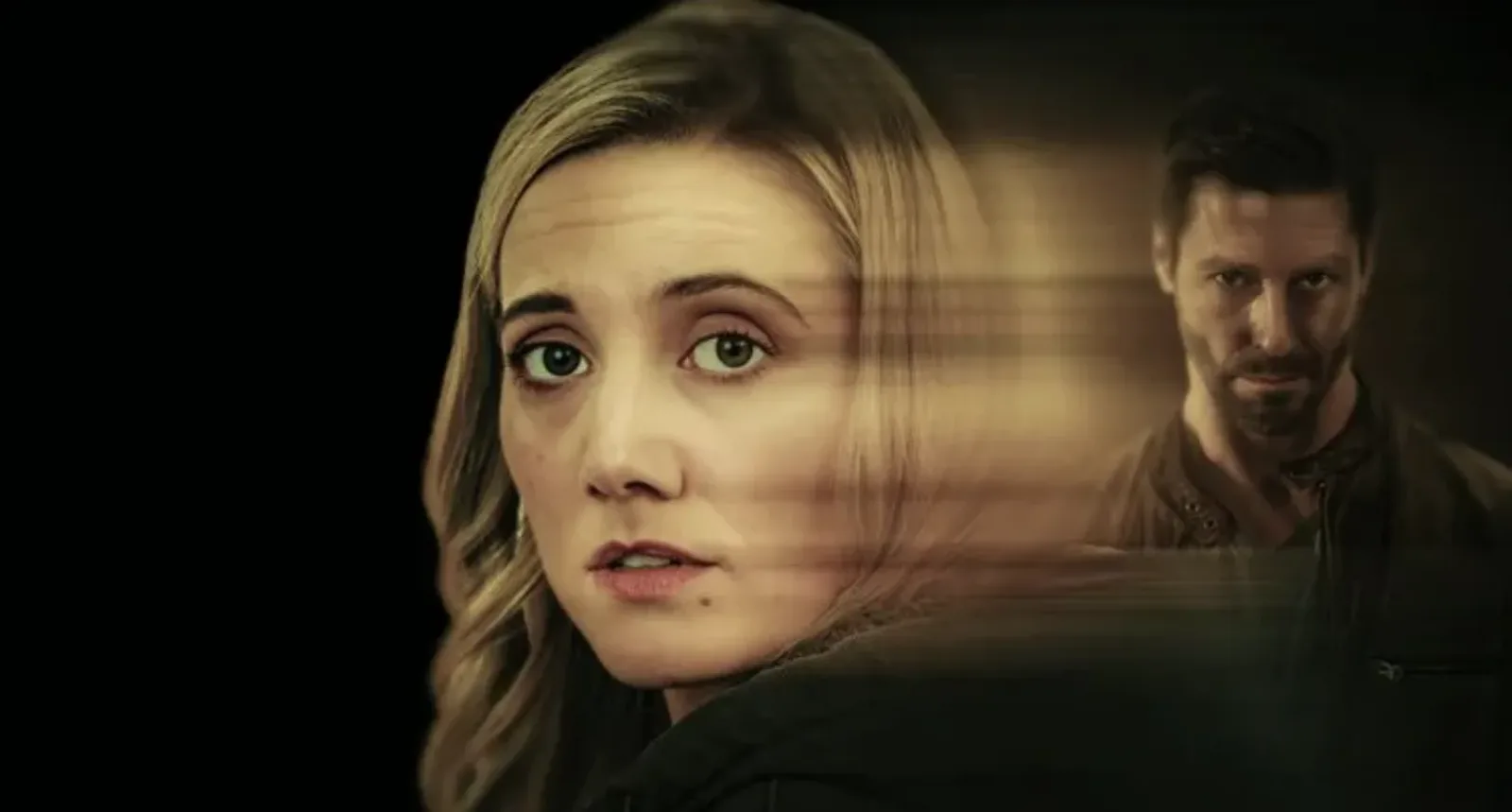
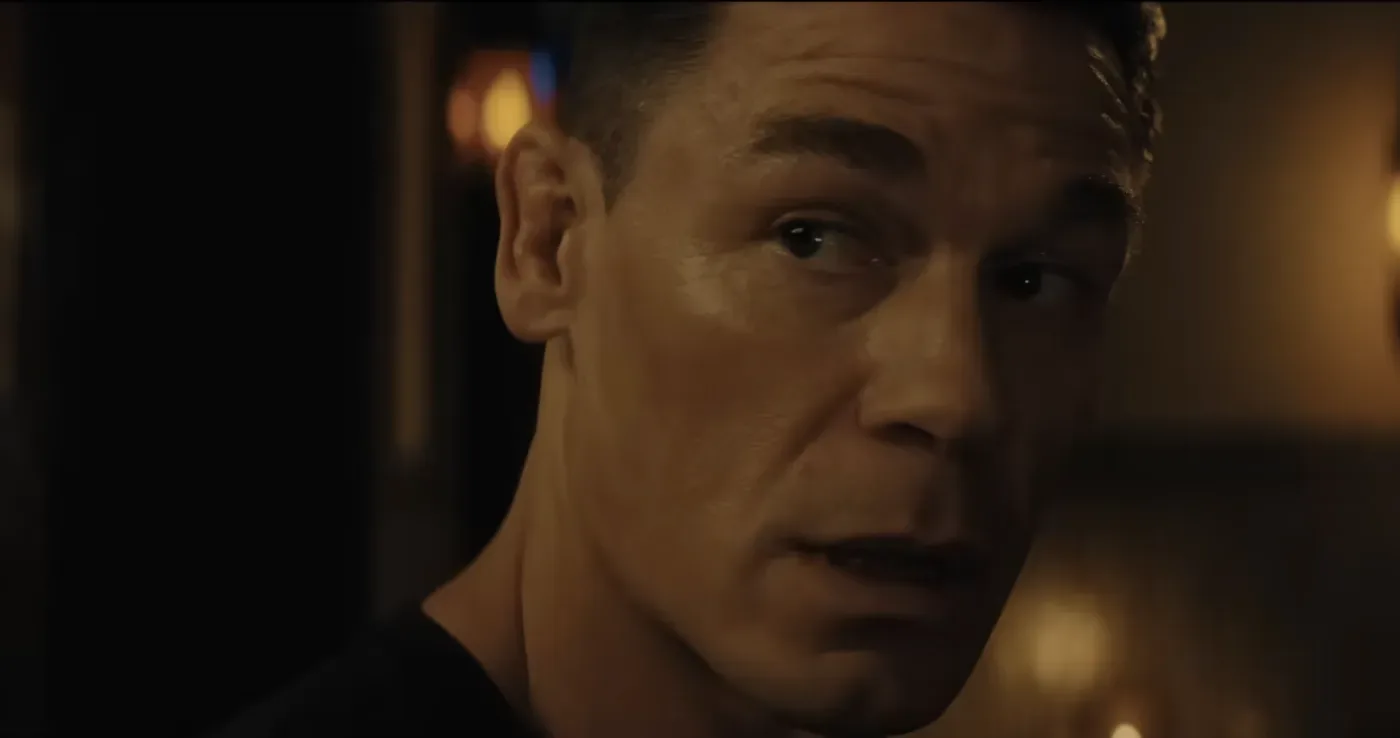
The Runner Ending Explained: Did Maia Really Kill Tafa?
The final stretch of The Runner pushes Maia Marten into the choice the Caller has been preparing her for all day. With Noah’s life seemingly dependent on her obedience, Maia reaches Tafa, raises the gun and fires, apparently completing the assassination she has spent the entire film trying to avoid. For a moment, the movie…

The final stretch of The Runner pushes Maia Marten into the choice the Caller has been preparing her for all day. With Noah’s life seemingly dependent on her obedience, Maia reaches Tafa, raises the gun and fires, apparently completing the assassination she has spent the entire film trying to avoid. For a moment, the movie wants us to believe that saving her son has finally forced Maia to become a killer.
That is not what actually happens. Tafa survives because Maia has quietly turned the Caller’s plan against him, arranging for the real ammunition to be replaced with blanks and for Tafa’s death to be staged with fake blood. The shooting is the centerpiece of Maia’s larger deception, one that allows the Caller to believe he has won while the police close in and Maia gets her chance to save Noah.
Also Read: Facing El Chapo Ending Explained: What Happens to El Chapo and the Two Officers?
Why Does the Caller Want Tafa Dead?
Tafa is the crucial witness who can help bring down Boyd, the man at the center of the criminal case Maia has been working on. His testimony connects Boyd and his associates to the murders of two women, making him extremely dangerous to the people trying to keep Boyd out of prison.
Rather than simply sending an assassin into Tafa’s protected location, Boyd’s side uses Maia as the weapon. She is professionally connected to the case and has a believable reason to reach Tafa without immediately being treated as a threat. The Caller kidnaps Maia’s son Noah and gives her a brutally simple choice: reach Tafa and kill him, or lose her child.
Maia spends much of The Runner appearing trapped inside that logic. The Caller tracks her movements, controls the information reaching her and repeatedly demonstrates that he knows enough about Noah to make every threat credible. What he underestimates is Maia’s ability to follow his instructions while quietly constructing another plan at the same time.

Maia Begins Fighting Back Long Before the Hotel
Maia’s counterattack does not suddenly appear in the final scene. While crossing London, she finds small opportunities to communicate without using the phone the Caller has compromised. One of the most important comes during her journey on public transport, when she gets access to another phone and finds a way to get information to Ted.
Later, Maia uses lipstick to leave further instructions where her allies can find them. Those messages allow Ted and the authorities to understand what the Caller expects Maia to do and prepare a fake assassination that will survive his surveillance.
The Caller thinks Maia’s constant movement makes meaningful communication impossible. In reality, the crowded city works in her favor because she can use strangers, physical messages and ordinary public spaces in ways his digital surveillance does not immediately catch.
That is the key reversal in the ending. Maia stops trying to beat someone who controls her phone technologically and instead starts communicating through methods that are much harder for him to monitor.
Did Maia Shoot Tafa With Real Bullets?
No. By the time Maia finally reaches Tafa, the real ammunition has been replaced with blanks and Tafa is prepared to fake his death.
The illusion has to be convincing because the Caller is watching. Maia cannot simply enter the room and tell Tafa what is happening while hoping the kidnapper believes her. Tafa therefore uses fake blood so that when Maia fires, he can collapse and appear to have been fatally shot.

From the Caller’s perspective, everything looks correct. Maia has reached the target, fired the weapon and finally broken under the pressure created by Noah’s abduction. He believes the witness who could destroy Boyd’s case has been eliminated.
The important detail is that Maia does not need to convince the Caller forever. She only needs the performance to hold long enough for the authorities to move and for her to locate her son.
Why Does Maia Tell the Caller She Killed Her Father?
Maia’s confession about her childhood is another crucial piece of psychological manipulation. The Caller knows that Maia’s mother went to prison for killing Maia’s abusive father and uses that family history when assessing how far Maia might be willing to go.
When the Caller begins questioning whether Maia can actually complete the murder, she gives him something even darker. Maia says that her mother did not kill her father at all. According to Maia, she was the one who shot him, while her mother accepted responsibility so her daughter could still have a future.
The revelation persuades the Caller that Maia is capable of killing Tafa. He thinks he has finally discovered the violent part of her personality that will make his plan work.
The ending never clearly reveals that Maia invented the underlying childhood confession. What is certain is that she uses the information strategically. Whether it is a true secret or something Maia manipulates for the moment, telling it makes the Caller trust the performance she is about to stage.
How Does Maia Save Noah?
Once the Caller believes Tafa is dead, his control over Maia begins to collapse. Maia realizes that Noah is much closer than she had been led to believe and ultimately reaches the place where her son is being held.
The authorities are also moving into position because Maia’s secret messages have given them information the Caller thought she was incapable of sharing. His contingency plan, including the threat of a bomb capable of killing Tafa and innocent people around him, is neutralized before he can recover control of the situation.

The Caller is ultimately apprehended rather than killed. Maia saves Noah, Tafa remains alive, and Boyd loses the assassination that was supposed to destroy the case against him.
That outcome matters because Maia defeats the Caller without becoming the murderer he believes she already is. He spends the film reducing her to her trauma, athletic ability and fear for her child. Maia wins because he never fully accounts for the lawyer underneath all of that, someone trained to control information and recognize when a convincing narrative can be more powerful than the truth her opponent thinks he is watching.
Why Does Maia Throw Away the Phone?
The final phone beat gives the ending a small but meaningful sense of closure. After spending the entire film controlled through calls, surveillance and digital instructions, Maia receives another call from an unknown number. This time, she does not answer. She throws the phone away.

There is no indication that the final call introduces another villain or sets up a confirmed sequel. The moment works more naturally as Maia rejecting the device that has dictated every second of her nightmare. She has spent the day obeying a voice on the other end of a phone, and the final choice she makes is simply not to listen.
Tafa therefore survives The Runner, Noah is rescued, and the Caller is defeated because Maia’s apparent surrender was never real. The fake shooting is not just the movie’s final twist. It is the moment when the story reveals that Maia had quietly taken control of the situation before the Caller realized he had lost it.