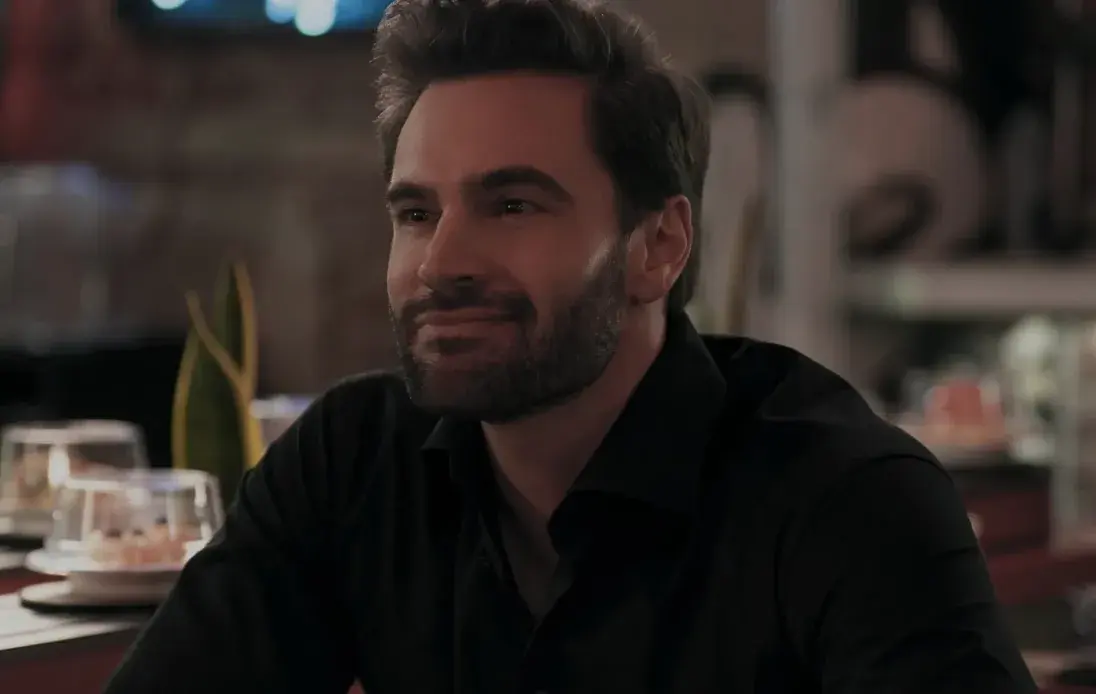
The Love Hypothesis Ending Explained: Do Olive and Adam End Up Together?
Prime Video’s The Love Hypothesis turns Ali Hazelwood’s bestselling romance into a story that is as concerned with Olive Smith’s future as a scientist as it is with the fake relationship she begins with Dr. Adam Carlsen. Lili Reinhart plays Olive, a Stanford biology PhD candidate who impulsively kisses the department’s famously intimidating professor so…
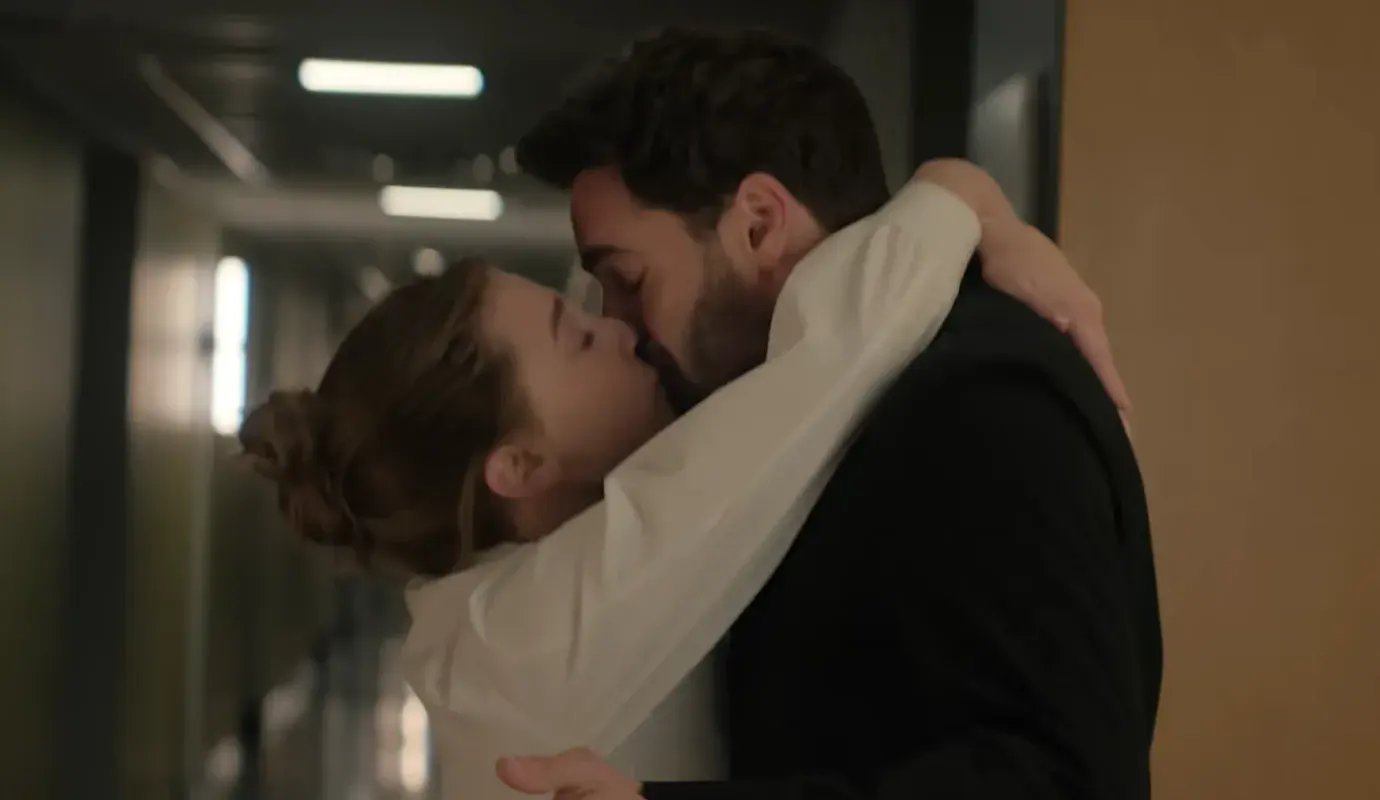
Prime Video’s The Love Hypothesis turns Ali Hazelwood’s bestselling romance into a story that is as concerned with Olive Smith’s future as a scientist as it is with the fake relationship she begins with Dr. Adam Carlsen. Lili Reinhart plays Olive, a Stanford biology PhD candidate who impulsively kisses the department’s famously intimidating professor so her best friend Anh will believe she has moved on from Jeremy. Adam, played by Tom Bateman, has his own professional reason to continue the charade, and their arrangement gradually becomes much more complicated once neither of them is pretending anymore.
The movie’s final act becomes more serious when Olive travels to an academic conference and discovers that Tom Benton, the Harvard professor who appeared ready to help her research career, has been manipulating both her and Adam. Tom tries to use his professional power to control Olive’s decision, while Olive responds by trying to protect Adam without telling him the truth. Their separation lasts only until Anh realizes what happened and forces the secret into the open.
Related: The Love Hypothesis Filming Locations
Why Do Olive and Adam Start Fake Dating?
Olive’s original reason is Anh. Her best friend likes Jeremy but refuses to pursue him because she believes Olive still has romantic feelings for him. Olive knows that is not true, so she impulsively kisses Adam when Anh is nearby, hoping the sight of her with someone else will remove Anh’s guilt.
Adam surprisingly agrees to continue the performance. Stanford is concerned that he may leave the university, creating problems around research funding and long-term support, while appearing settled in a serious relationship helps make him look more committed to staying. The arrangement therefore gives both scientists something they need, at least until their supposed experiment begins producing very real feelings.
The movie keeps the same basic fake-dating premise that made Hazelwood’s novel popular, but the screen version makes Adam’s emotional investment easier for viewers to notice. Olive continues rationalizing his behavior because she believes the relationship has clear boundaries. The audience, however, can see those boundaries disappearing long before she is ready to admit it.
What Happens Between Olive and Adam at the Conference?
By the time Olive and Adam attend the conference, their attraction has moved far beyond fake dating. Olive finally acknowledges that Jeremy is not the person she wants, and she and Adam become physically intimate. The moment matters because neither can convincingly describe what happens between them as another part of the arrangement.
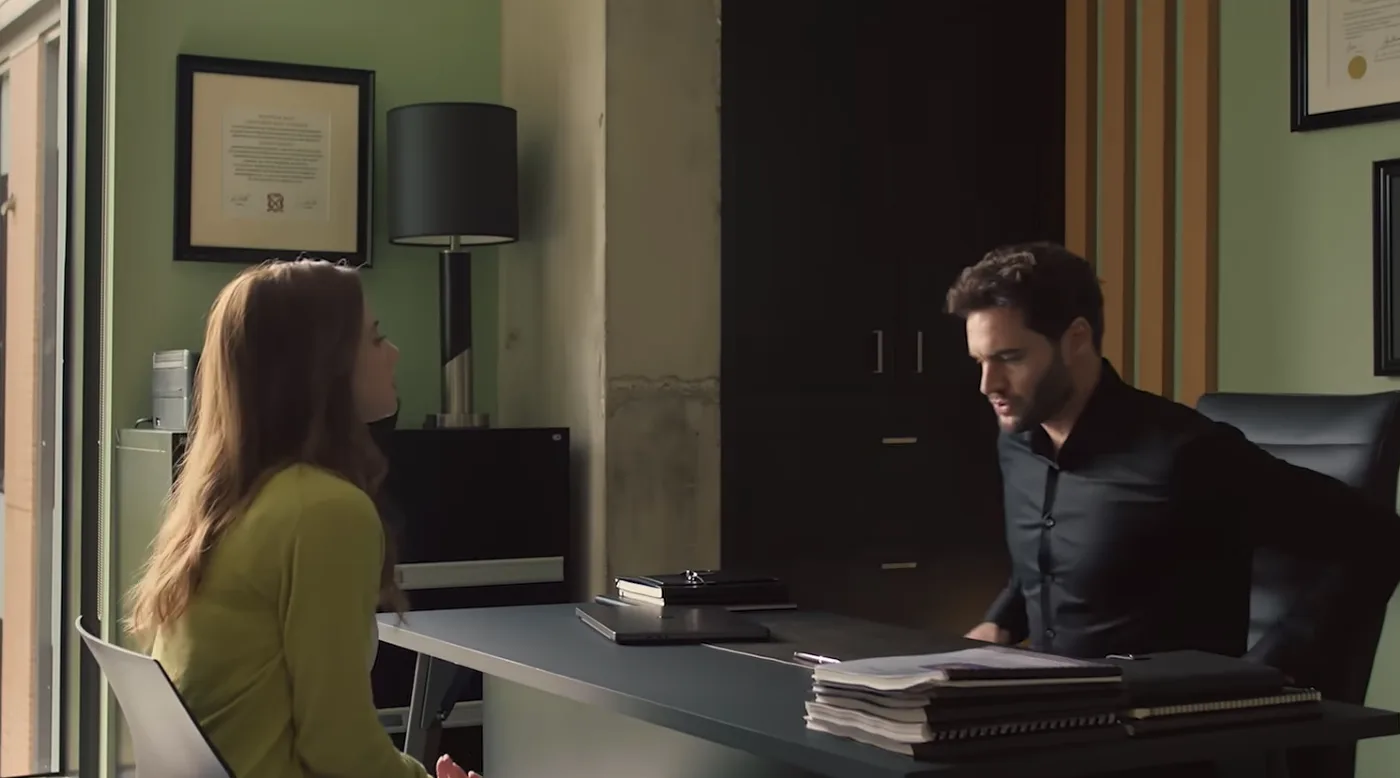
The following morning, however, Tom speaks privately with Adam before Olive understands what is happening. Tom makes Adam believe that Olive’s Harvard opportunity should come first and that becoming more serious with Adam could interfere with her professional future. Adam consequently begins pulling away because he thinks stepping aside may be the best thing for Olive.
That misunderstanding is especially painful because both characters are now making decisions for each other without sharing the information that would allow them to make those decisions together. Adam thinks he is protecting Olive’s career. Olive soon makes almost the same mistake in reverse when Tom reveals what he really expects from her.
Why Does Tom Turn Against Olive?
Tom’s interest in Olive’s research initially appears legitimate. He has the status and resources to give her a meaningful opportunity at Harvard, which is why Olive treats his attention as an important professional breakthrough. That trust disappears when Tom makes it clear that the opportunity comes with expectations that have nothing to do with the quality of her work.
Tom propositions Olive and uses the imbalance between their professional positions to pressure her. He also threatens her research, making it clear that rejecting him could have consequences for the work she has spent years developing. The betrayal is particularly damaging because Olive had approached him as a scientist seeking mentorship rather than as someone expecting a personal relationship.
Instead of simply walking away from her research, Olive seeks help from Dr. Juliet Aslan. That decision allows her to protect the scientific work that Tom had tried to turn into leverage. Jeananne Goossen plays Dr. Aslan in the movie, one of the adaptation’s important academic figures outside Olive and Adam’s romance.

Why Doesn’t Olive Tell Adam?
Olive initially believes telling Adam will create another problem. Tom is Adam’s professional friend, and she worries that revealing what happened could damage Adam’s career or force him into a conflict he did not choose. Her instinct is therefore to absorb the consequences herself rather than risk dragging him into the situation.
That choice also reflects one of Olive’s recurring weaknesses. She frequently decides what is best for the people she loves without allowing them to make their own decisions. The fake relationship began because she wanted to protect Anh’s feelings, and now she is once again sacrificing something important because she assumes silence will protect somebody else.
The problem is that Adam cannot decide whether Tom’s friendship is worth keeping if he does not know what Tom has done. Olive’s attempt to protect him only allows Tom to control the story for longer. The truth eventually reaches Adam because Anh refuses to let Olive carry it alone.
Why Does Anh Tell Adam?
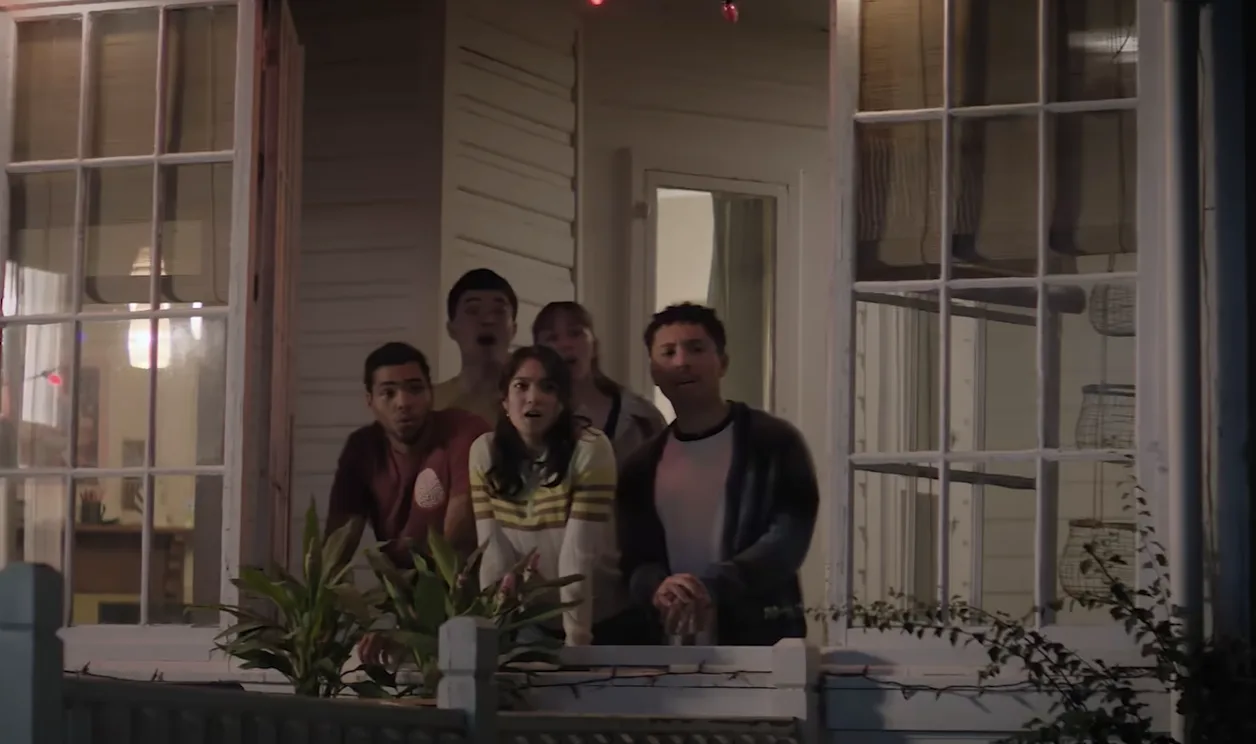
Olive finally confides in Anh about both the fake relationship and what happened with Tom. Anh realizes that Adam has been making decisions without understanding why Olive suddenly pulled away, and she does what Olive has been unable to do. She tells Adam the truth.
Anh’s involvement gives their friendship more importance in the movie’s climax. The fake-dating scheme originally exists because Olive wants Anh to be happy, but the ending reverses that dynamic by allowing Anh to protect Olive. Instead of being merely the friend whose romantic life starts the plot, she becomes the person who forces Olive and Adam’s misunderstanding to end.

That emphasis fits Reinhart’s own comments about the adaptation. She has described Olive and Anh’s friendship as one of the foundational parts of the story rather than treating Anh as simply a device for getting Olive and Adam together.
What Happens When Adam Confronts Tom?
Once Adam learns the truth, he does not defend Tom or question Olive’s account. He confronts Tom during class, turning what Tom expected to remain private into a very public reckoning. The confrontation is livestreamed, meaning Tom can no longer rely on professional status and private intimidation to keep control of what happened.
The movie does not need to show every stage of a formal university investigation to make the consequences clear. Tom has now been publicly exposed, while Adam makes it equally clear that his professional friendship with him is over. His academic future is therefore left in serious jeopardy, even though the movie does not explicitly show a final dismissal scene.
That distinction is important when describing the ending accurately. It is reasonable to say Tom faces major professional consequences, but stronger claims such as a confirmed firing or permanent blacklisting go beyond what the movie actually shows. The important resolution is that Olive is no longer isolated and Tom no longer controls the narrative.

Do Olive and Adam Get Back Together?
Yes. Olive meets Adam outside after his confrontation with Tom, and the two finally stop hiding behind the logic of their original agreement. Adam admits that his feelings were real, while Olive acknowledges that she loves him too.
Their confession resolves the movie’s central romantic misunderstanding. Olive had treated the relationship as something temporary long after her behavior showed otherwise, while Adam had been trying to respect what he believed Olive wanted. Once both characters finally have the same information, the fake relationship has no reason to exist.
The moment is intentionally different from their first kiss. That kiss was spontaneous and meant to convince Anh of something that was not true. Their ending comes after both people consciously choose the relationship for themselves.
What Happens Two Years Later?
The movie goes further than simply confirming Olive and Adam are together. A two-year time jump reveals that Olive has built a career of her own and is now a professor at Stanford. In a particularly playful reversal, students have started calling her “Dr. Smite,” giving Olive an intimidating reputation similar to the one Adam had when she first encountered him.
That detail completes her professional arc as much as the love confession completes the romance. Tom tried to convince Olive that people like him controlled whether she had a future in science, but the epilogue shows her established at the same university where she once struggled as a graduate student. Adam supports that future rather than becoming the reason she abandons it.
The ending therefore refuses the idea that Olive must choose between love and science. She gets both, but only after learning that professional ambition and emotional vulnerability do not have to cancel each other out.
What Does the Ending Mean?
Olive begins The Love Hypothesis treating romance like an experiment she believes she can control. She invents a fake relationship to solve someone else’s problem, establishes rules and repeatedly looks for rational explanations whenever Adam behaves like a man who genuinely cares about her. The problem is that she keeps dismissing evidence whenever the conclusion frightens her.
Tom’s betrayal forces Olive to confront the same instinct professionally. Silence initially feels safer because it appears to protect Adam and preserve her career, but withholding the truth gives power to the wrong person. Trusting Anh, Adam and Dr. Aslan allows her to stop solving every problem by sacrificing herself.
The two-year epilogue provides the final answer to the movie’s hypothesis. Olive and Adam do end up together, but Olive also becomes the scientist she wanted to be. What began with a fake kiss eventually produces a real relationship, a stronger career and one new Stanford professor with a reputation intimidating enough to earn the name “Dr. Smite.”