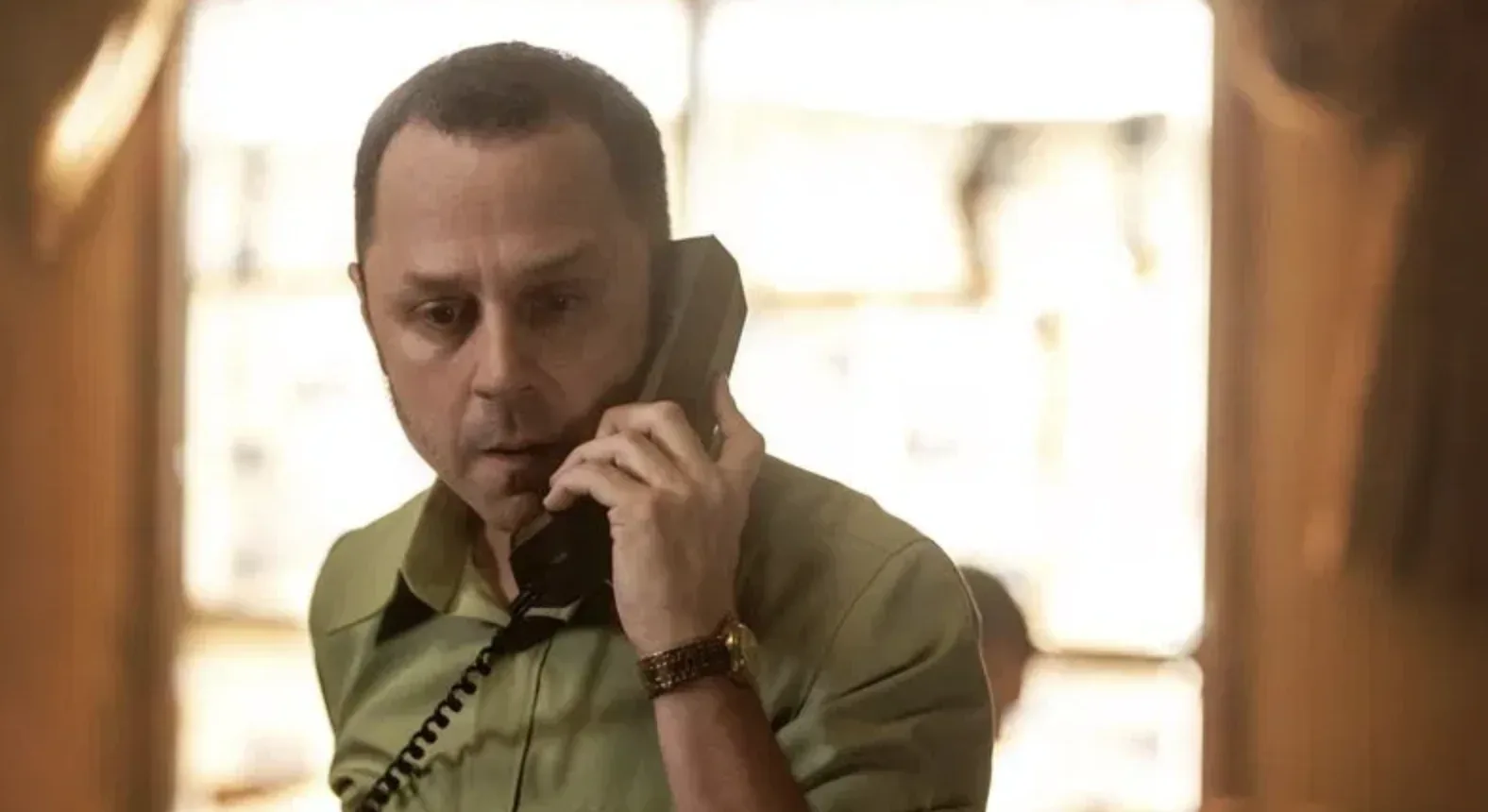
Sterling Point Ending Explained
The finale of Sterling Point turns what looks like a fight over real estate into a much more personal argument about who gets to leave the past behind. Connor sees Gordon’s island as a fortune waiting to be collected. Ramona sees a home contaminated by grief, betrayal, and secrets. Annie, who arrived as the outsider,…

The finale of Sterling Point turns what looks like a fight over real estate into a much more personal argument about who gets to leave the past behind. Connor sees Gordon’s island as a fortune waiting to be collected. Ramona sees a home contaminated by grief, betrayal, and secrets. Annie, who arrived as the outsider, gradually begins treating the place as the only honest connection she has ever had to her mother.
That is why the ending does not simply ask whether the siblings will sell. It asks which of them still needs the island, and which one needs permission to escape it.
Do Annie and Ramona sell the island?
No, Annie and Ramona do not sell Sterling Point.
Ramona initially agrees to Connor’s plan after her relationships and sense of family begin collapsing around her. Connor already has an offer from Denise, Rory’s mother, and he presents the sale as a practical solution. Ramona could take her share of the money, leave the island, and build a life somewhere untouched by Gordon, Goldie, Joe, or any of the lies they left behind.
Annie had previously promised to support whatever Ramona wanted. For a while, she honors that promise and agrees to participate in the sale. Yet when the decision becomes real, Annie cannot follow through.
Instead, the sisters find a solution that preserves the property without forcing Ramona to remain trapped there. Annie stays at Sterling Point and moves into Gordon’s cabin, while Ramona leaves for New York with Steven. The island remains in the family, but the sisters effectively exchange the lives they had been living.
It is a convenient arrangement, certainly. The finale tidies a complicated ownership dispute without drowning the story in legal details. Emotionally, however, the decision makes sense. Annie has spent the season moving toward the island, while Ramona has spent much of it discovering reasons to move away.
Why does Ramona want to sell Sterling Point?
Ramona wants to sell because the island stops feeling like a home and starts feeling like a record of everything adults concealed from her.
Gordon’s death leaves her without the person who raised her. Her romance with Oona begins falling apart just when Ramona needs stability most. Annie, meanwhile, becomes distracted by the revelations surrounding Goldie and Ramona’s parentage. Even Joe, the marina owner Ramona has known for years, turns out to have been keeping a life-changing secret.

For Ramona, selling is not really about profit. It is an escape plan.
Connor takes advantage of that emotional opening, but his argument is not entirely unreasonable. Ramona has spent years caring for Gordon during his illness and learning how to survive without dependable parents. A large payment could give her independence and a fresh beginning. From Connor’s perspective, keeping an island none of them planned to own looks less romantic than reckless.
The difference is that Connor experiences Sterling Point as property. Ramona experiences it as pain.
Her sudden support for the sale can look impulsive, but the series has prepared for it. Every new answer about her family produces another betrayal. Gordon loved her, but he withheld the truth. Joe cared about her, but allowed her to believe her father was a nameless tourist. Goldie left behind clues, but no explanations. The island contains her entire history, and almost none of that history belongs solely to her.
Leaving becomes the first decision that feels like her own.
Why does Annie change her mind?
Annie refuses to sell because Sterling Point gives her something New York never did: space to understand Goldie as a real person rather than a carefully protected memory.
Steven raised Annie and Connor without telling them the full story of their mother’s final years. He hid Gordon’s letters, concealed the marital breakdown, and allowed the twins to believe a false account of Goldie’s death. Annie’s trip begins as an act of rebellion against that secrecy. By the finale, it has become a search for the missing part of her own identity.
Her dream about Goldie finally pushes her away from the sale. Annie imagines the life she might have had if her mother had survived, seeing ordinary years and moments that were taken from both of them.
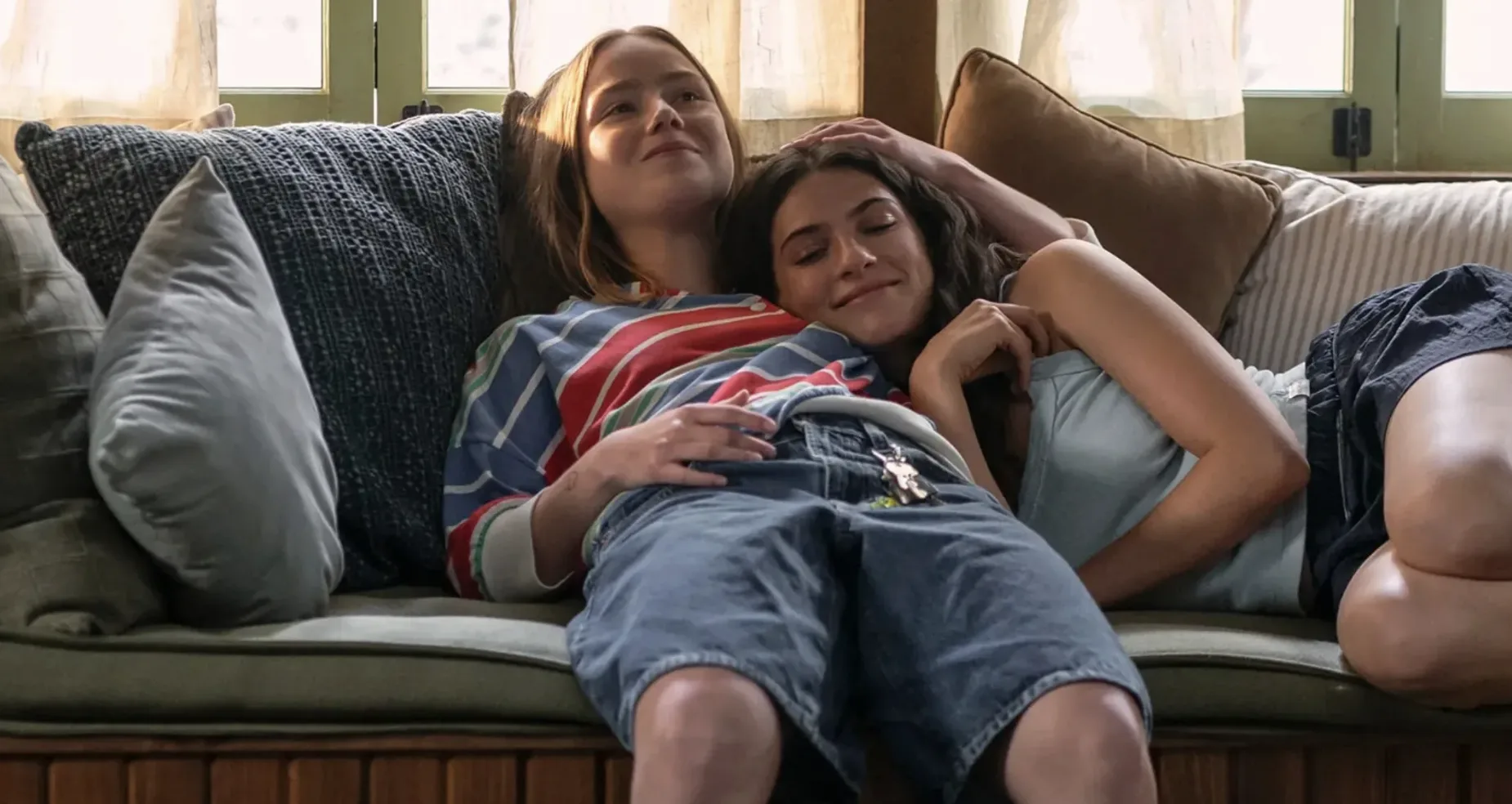
The scene risks becoming overly sentimental, but it works because Annie’s grief has always been strangely delayed. She lost Goldie as a very young child, then grew up in a household where the most difficult parts of her mother’s life were never discussed. Annie was not simply denied information. She was denied the opportunity to miss Goldie honestly.
Selling Sterling Point would repeat that erasure. It would turn the place where Goldie grew up, loved, failed, and tried to begin again into another subject the family avoids.
Annie therefore chooses the island not because she has discovered some perfect version of her mother, but because she is finally willing to live with the imperfect one.
Is Joe really Ramona’s biological father?
Joe appears to be Ramona’s father for most of the season, but the finale reveals that Steven is her biological father.
The evidence against Joe initially seems overwhelming. Annie discovers a mixtape connected to Goldie, which reveals that Goldie and Joe had once been high school sweethearts. Their relationship resumed when Goldie returned to Sterling Point after she and Steven had adopted Annie and Connor.
Goldie and Joe believed the affair resulted in her pregnancy. Joe was also present at the hospital when Goldie died while giving birth to Ramona. Gordon then raised the baby, while Joe returned to his wife and son, Ellis, allowing the truth about the affair to remain hidden.
That history makes Joe look less like a mysterious stranger and more like a father who chose silence. Ramona’s anger toward him is understandable. From her perspective, Joe lived nearby for years, interacted with her, and still allowed her to believe that her father had disappeared before she was born.
The twist is that Joe, Goldie, and Gordon were all wrong.
Before Annie and Connor’s adoption, Goldie and Steven had undergone fertility treatment. Goldie later assumed Joe was responsible for her pregnancy because of the timing of their renewed relationship. In reality, the treatment had worked.
Ramona notices that she and Steven share the same form of color-blindness. A DNA test confirms the connection: Steven is her biological father.

What does the DNA result change?
The result changes Ramona’s anger because Steven did not knowingly abandon her.
Joe believed Ramona was his daughter and still remained silent. Steven had no idea she existed. He believed Goldie had become pregnant through her relationship with Joe, and he left Sterling Point focused on protecting Annie and Connor during the breakdown of his marriage.
That does not make Steven blameless. He withheld Gordon’s correspondence and constructed a false account of Goldie’s life for the twins. His attempt to protect them also prevented them from understanding their own family.
Still, Ramona cannot judge Steven in the same way she judges Joe. Steven did not watch her grow up from a distance while guarding a secret. He lost his wife, returned to New York with the children he was raising, and never knew that Goldie had given birth to his biological daughter.
The revelation also complicates Ramona’s relationship with Annie. Annie had spent the summer searching for a stronger connection to Goldie and Sterling Point. Ramona then discovers that she has a biological connection to Steven, the father who raised Annie.
The show wisely avoids treating blood as a ranking system. Annie and Connor remain Steven’s children. Ramona’s DNA does not make their bond less real. Instead, the result expands the family while forcing everyone to confront how much damage was caused by assumptions.
Why does Ramona move to New York?
Ramona moves to New York because she wants the chance to know Steven and experience a family that is present rather than remembered.
Her decision is not a complete reconciliation. One DNA test cannot repair years of loneliness, and Steven cannot instantly become the father she needed while Gordon was ill. What he can do is show up now.
That possibility matters more to Ramona than staying on an island filled with people who made decisions about her before she was old enough to understand them. New York offers distance from Joe, the uncertainty surrounding Oona, and the memories attached to Gordon’s cabin. It also gives Ramona an opportunity to discover who Steven is outside the story Goldie and Gordon created about him.
Most importantly, Ramona does not have to sell Sterling Point in order to leave it. Earlier, she treats the sale as the only clean break available. Annie’s decision gives her another option. Ramona can walk away without destroying the place or permanently surrendering her share of it.
That is a more generous ending for her. She does not have to choose between freedom and inheritance.

Why did Steven lie about Goldie?
Steven lied because he wanted to protect Annie and Connor from a version of Goldie that was painful, contradictory, and difficult to explain.
Goldie had returned to Sterling Point, resumed her relationship with Joe, and decided she wanted to raise the children there. Steven, blindsided by the affair and the threat of losing his family, arrived with lawyers and took the twins back to New York.
Goldie then died during childbirth.
Steven was left with anger toward his wife and responsibility for two young children who barely remembered her. Rather than tell them that Goldie had tried to leave their family, he removed the conflict from the story. He preserved her as the mother they had lost instead of the woman whose final choices had deeply hurt him.
His reasoning is sympathetic. His methods are not.
By hiding Gordon’s letters, Steven did more than protect Goldie’s reputation. He prevented Annie and Connor from forming a relationship with their grandfather. He also allowed Ramona to grow up separately from the siblings and father she did not know she had.
The finale works because Steven is neither exposed as a monster nor excused as a grieving husband. He made decisions out of pain, and those decisions created more pain. That is usually how family secrets survive for so long. Nobody thinks they are protecting the lie. They think they are protecting the people who might discover it.
What happens to Connor?
Connor does not get the island sale he wanted, but the finale gives him a more personal mystery to pursue.
Throughout the season, Connor appears less interested than Annie in Goldie or Gordon. He sees the inheritance as an opportunity to make millions, and his eagerness to sell makes him look shallow beside his sisters.
Yet Connor’s detachment is partly defensive. He feels like the overlooked member of his family, believing Steven favors Annie and sensing that his twin does not truly know him. He even hides his acceptance into an impressive summer program because he does not want to worsen Annie’s disappointment over her own rejection.
Watching Ramona’s life change after discovering her biological father leads Connor to reconsider his own origins. He contacts an organization that helps adopted children reconnect with biological relatives. His biological mother eventually agrees to meet him, although that meeting does not occur before the season ends.
It is a smart unfinished thread. Annie has gone looking for the adoptive mother she lost. Ramona has found the biological father she never knew. Connor, who insisted he did not care about the past, is now preparing to open the one door Annie has not yet considered.
What does the Sterling Point ending mean?
The sisters do not swap lives because either one wants to become the other. They do it because each has discovered that the life she inherited is no longer the life she needs.
Annie begins the season with her future meticulously planned and her family’s past sealed away. She ends it living in Gordon’s cabin, choosing uncertainty because it finally feels honest.
Ramona begins with deep roots on the island but no dependable parent. She ends it leaving Sterling Point to build a relationship with Steven, the one person whose absence was not a choice.
That distinction saves the finale from becoming a simple story about preserving a beautiful family property. Sterling Point is not automatically healing. For Annie, staying offers a connection. For Ramona, leaving offers one.
The island remains theirs, but ownership is no longer the point. The real inheritance is the freedom to decide what their parents, grandparents, and secrets will mean next.