RHOA’s Pinky Cole Calls Bankruptcy a “Tool,” but Phaedra Parks Isn’t Buying Her Comeback Story
Pinky Cole’s business troubles become the center of one of the sharpest exchanges in The Real Housewives of Atlanta Season 17 reunion Part 2. When Andy Cohen asks about her bankruptcy, Pinky does not deny the filing or try to distance herself from it. Instead, she describes the experience as embarrassing at first but ultimately…
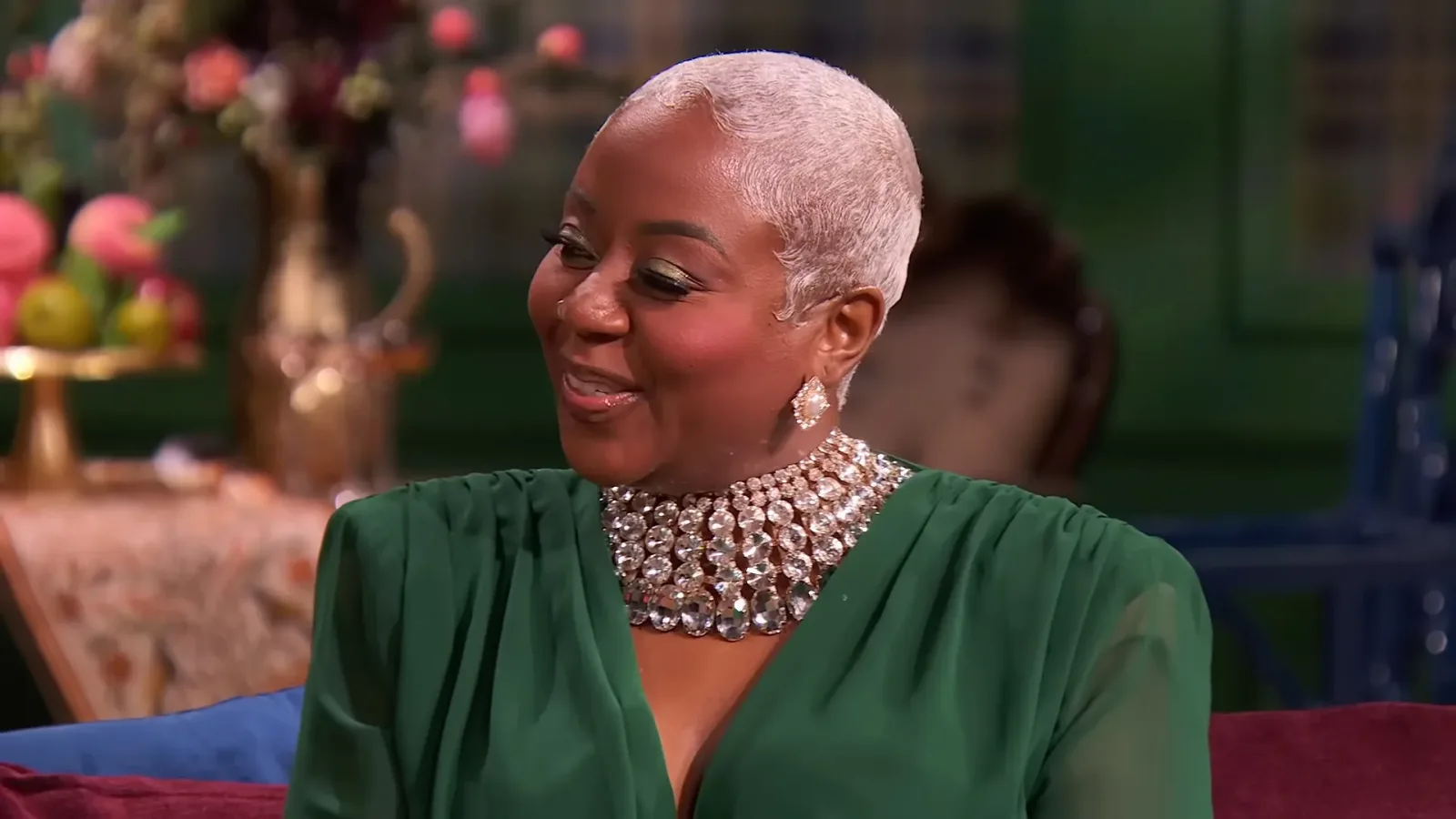
Pinky Cole’s business troubles become the center of one of the sharpest exchanges in The Real Housewives of Atlanta Season 17 reunion Part 2. When Andy Cohen asks about her bankruptcy, Pinky does not deny the filing or try to distance herself from it. Instead, she describes the experience as embarrassing at first but ultimately part of a “rebirth,” arguing that the U.S. bankruptcy system can be used as a financial tool. Phaedra Parks immediately challenges that framing, bringing up the $25 million previously invested in Slutty Vegan and questioning whether Pinky’s upbeat view ignores the people whose money helped build the company.
The argument is more complicated than a simple question of whether Pinky went broke. Her 2026 Chapter 11 case is a personal restructuring tied in part to business obligations she guaranteed, while Slutty Vegan had already undergone a separate restructuring before she regained control of the brand. That distinction gets somewhat lost once Pinky and Phaedra start trading jabs on the reunion stage.
Why Did Pinky Cole File for Bankruptcy?
Pinky filed for Chapter 11 protection after business debts she had personally guaranteed began following her outside the companies themselves. In a March 2026 meeting with creditors, Cole said business debt was the reason she sought protection and acknowledged that creditors were pursuing her personally. Court reporting showed major obligations including about $1.2 million tied to a Small Business Administration Economic Injury Disaster Loan and roughly $192,000 owed to the Georgia Department of Revenue.
Chapter 11 does not automatically mean everything a debtor owes simply disappears. The process is designed to allow an individual or company to reorganize finances under bankruptcy-court supervision, usually through a plan addressing assets, creditors and repayment. That helps explain why Pinky describes the code as a “tool,” even if her language understandably bothers people who hear bankruptcy primarily as a failure to pay money that is owed.
Her embarrassment also fits what she has said publicly outside RHOA. Cole previously acknowledged resisting financial restructuring because of the public judgment attached to losing control of a business she had built into a nationally recognized brand. By the reunion, however, she is presenting the experience less as humiliation and more as something she believes allowed her to rebuild.
Why Does Phaedra Bring Up Slutty Vegan’s $25 Million Investment?
Phaedra’s objection centers on the people who supplied capital during Slutty Vegan’s extraordinary expansion. In 2022, the company raised $25 million in Series A financing at a reported $100 million valuation. The round was led by New Voices Fund, associated with entrepreneur Richelieu Dennis, and Danny Meyer’s Enlightened Hospitality Investments.
That history is the basis for Phaedra’s reunion criticism. She questions whether Pinky should speak so positively about bankruptcy when outside investors committed enormous amounts of money to the company. Phaedra specifically emphasizes Black investors, turning the disagreement into something bigger than two Housewives arguing about personal finances. Her concern is also about Black capital being put behind a high-profile Black-owned business and what happens when that investment does not produce the expected result.
Pinky immediately pushes back on the racial framing, pointing out that her investor base was not exclusively Black. Public reporting on the 2022 round supports the broader point that Slutty Vegan received money from different investment groups, including both New Voices and Meyer’s fund. What public records and reporting do not establish is the simple equation implied during the argument that Pinky’s current personal Chapter 11 filing means those original investors collectively lost $25 million.
Also Read: Big Brother 28 Episode 20 Recap: Yash Takes Control and Puts Three Big Targets on the Block
Pinky’s Personal Bankruptcy and Slutty Vegan’s Restructuring Are Not the Same Thing
One of the most important details behind the reunion fight is that two separate financial events are being discussed. Slutty Vegan went through a restructuring process in early 2025 known as an Assignment for the Benefit of Creditors. Cole temporarily lost control before buying back the brand and its intellectual property and relaunching it as what she called Slutty Vegan 2.0.
Her 2026 Chapter 11 case is personal. Reporting from her creditors’ meetings indicates that debts connected with businesses had been personally guaranteed, which meant the liability did not necessarily disappear when the businesses themselves struggled. That is how an entrepreneur associated with a company once valued at $100 million can still end up seeking personal bankruptcy protection.
The distinction does not automatically settle Phaedra’s criticism. Investors, lenders, landlords, government agencies and other creditors can all suffer when a heavily financed business struggles. It does mean the reunion’s language should not be treated as a complete accounting of exactly who lost what money.
That is particularly important because the $100 million number frequently attached to Slutty Vegan was a valuation, not $100 million sitting in Pinky’s bank account. Likewise, raising $25 million from investors does not mean Cole personally borrowed $25 million that now appears as debt in her Chapter 11 case.
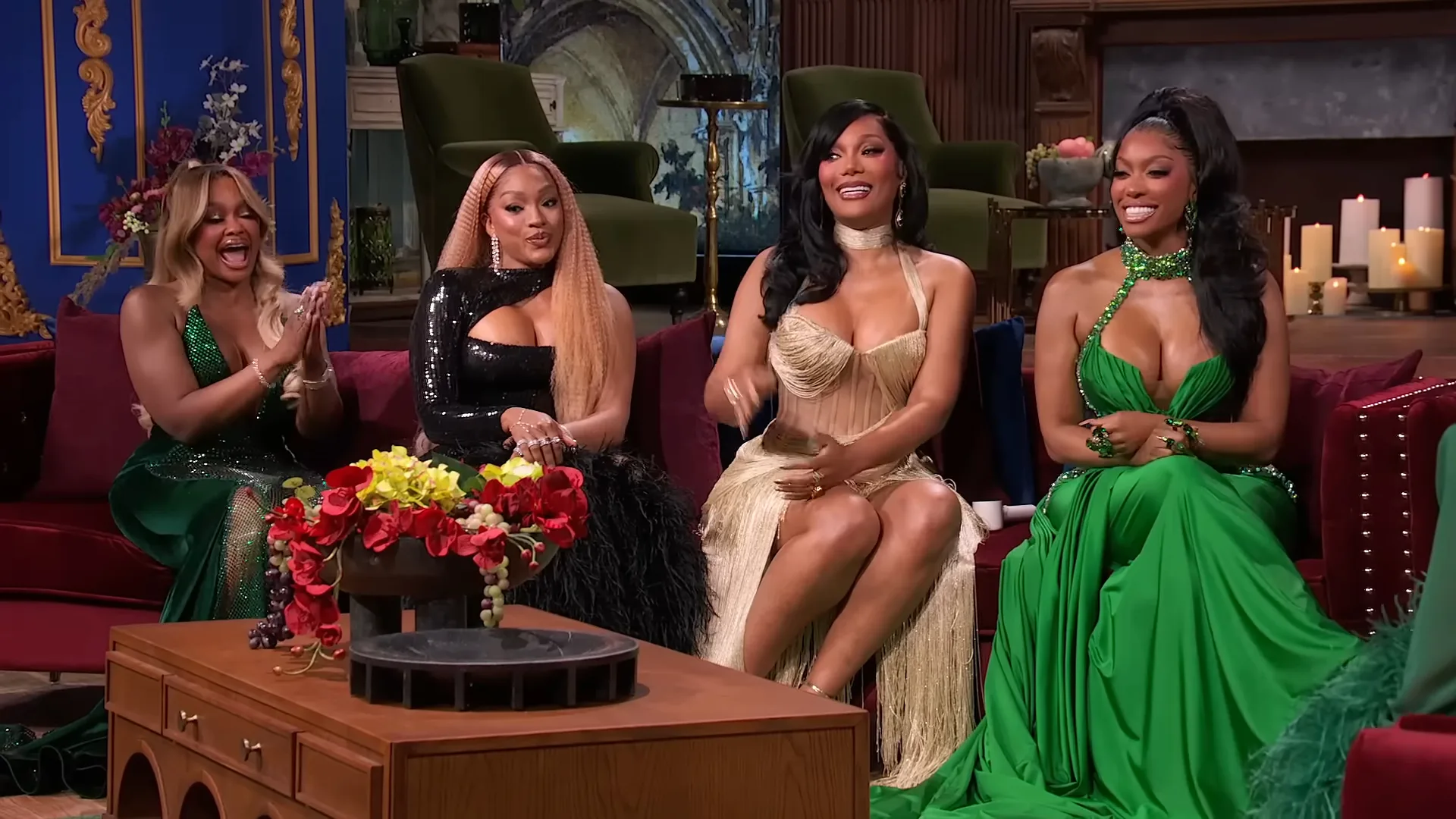
Why Does Pinky Call Bankruptcy a “Tool”?
Pinky uses the word “tool” because Chapter 11 provides a legal mechanism for restructuring obligations rather than forcing an immediate liquidation of everything connected to the debtor. She tells the reunion that people do not know the full circumstances behind what happened and says she protected other people by remaining professional rather than publicly explaining every detail. She also argues that financial distress can happen to business owners regardless of how successful they once appeared.
Phaedra rejects the celebratory tone more than the existence of bankruptcy law itself. When Pinky presents the experience as something she would go through again if necessary, Phaedra questions whether describing it so positively overlooks the consequences for other people. Pinky responds by challenging Phaedra’s understanding of business, which predictably turns the financial disagreement into a battle over who has more credibility as an entrepreneur.
That is where the reunion conversation stops being a dry discussion about Chapter 11. Pinky hears Phaedra questioning whether her comeback narrative is responsible. Phaedra hears Pinky turning a serious financial collapse into another example of entrepreneurial resilience. Neither woman appears interested in conceding the other’s framing.
Is Pinky Cole’s Bankruptcy Almost Over?
Pinky says during the reunion that she is approaching the “finish line,” but that comment should be understood as her characterization of her progress rather than confirmation that the case has already been completed. By June, reporting on court documents showed that Cole had submitted a proposed reorganization plan and continued working through the Chapter 11 process.
That context also explains a seemingly contradictory moment from Season 17. During filming, Pinky celebrated believing she would no longer need to file for bankruptcy, but her financial circumstances later changed and she ultimately sought Chapter 11 protection. Bravo itself has noted that the post-filming development changed the picture viewers had seen during the season.
Her business story has continued moving in the opposite direction as well. Slutty Vegan remains active, and Cole has pursued a renewed expansion strategy after regaining control of the brand. Bankruptcy, in this case, did not mean the immediate disappearance of the company that made her famous.
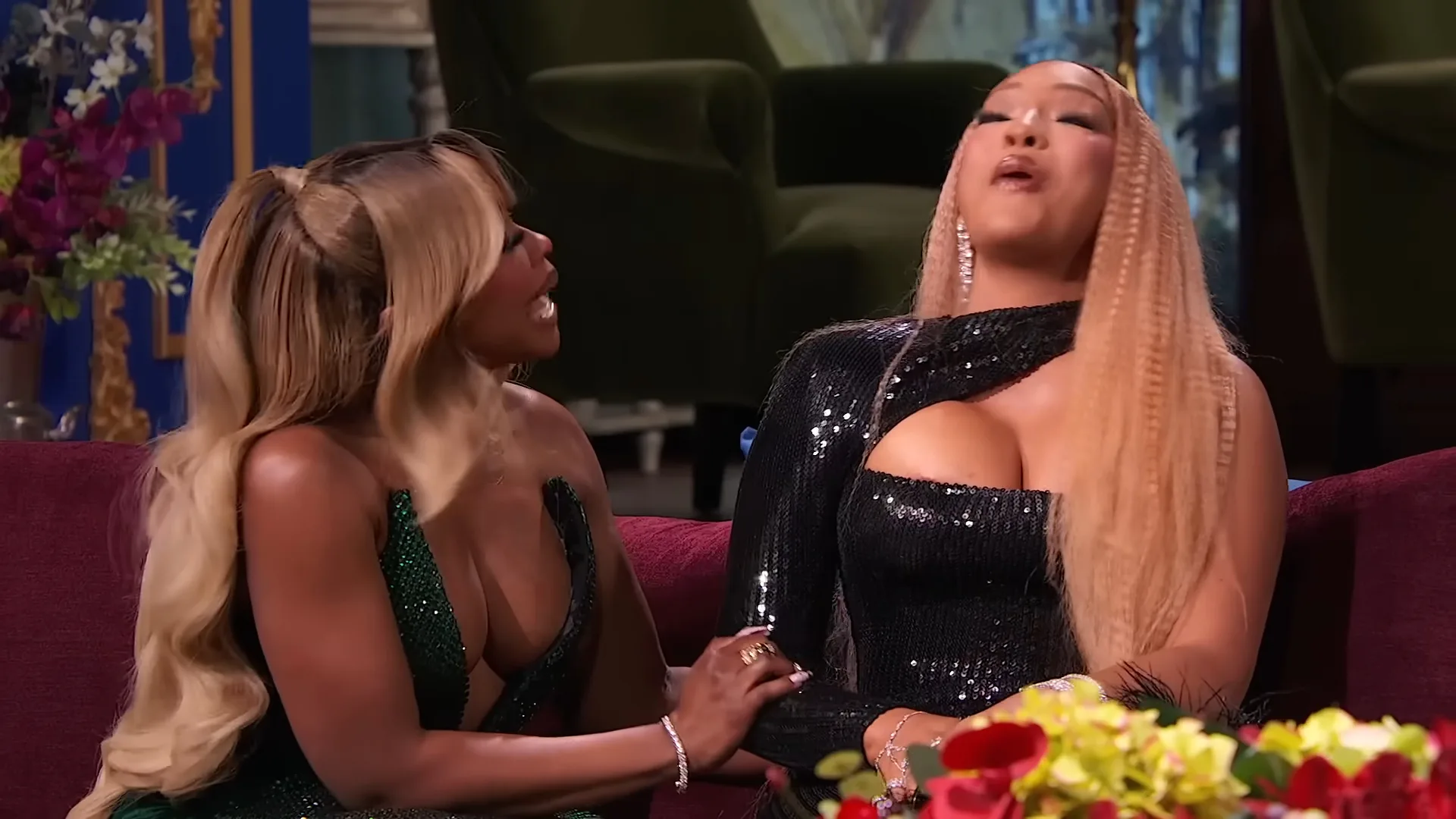
Phaedra and Pinky’s Argument Is Really About What “Failure” Means in Business
The strongest part of the reunion exchange is that Pinky and Phaedra are arguing from two different definitions of business failure. Pinky sees restructuring as one of the mechanisms available when an ambitious company grows too quickly or debts become unmanageable. From that perspective, surviving the process, rebuilding and applying what she learned can reasonably feel like a second beginning.
Phaedra looks at the same story from the other side of the balance sheet. A founder’s rebirth may still involve investors and creditors absorbing painful consequences, and she refuses to let Pinky’s comeback language erase that uncomfortable part of the story. Her $25 million reference is rooted in a real Slutty Vegan fundraising round, even if the reunion does not establish that those investors lost the entire amount because of Pinky’s Chapter 11 case.
That distinction is what makes their argument more interesting than another Housewives insult exchange. Pinky’s bankruptcy is real, but so is her effort to rebuild. The question the reunion cannot settle in a few minutes is whether calling bankruptcy a “tool” is sensible entrepreneurial realism or an overly comfortable way to describe a financial process that affects far more people than the person filing.