Project Runway Season 22 Cut 10 Designers in Two Episodes, and the New Format Explains Why It Feels So Fast
Project Runway Season 22 arrived promising its biggest competition ever, with a record 22 designers entering the workroom. Six episodes later, however, one of the season’s biggest talking points is not a particular dress or designer. It is the speed at which the cast has been disappearing. Ten of the original 22 designers were effectively…
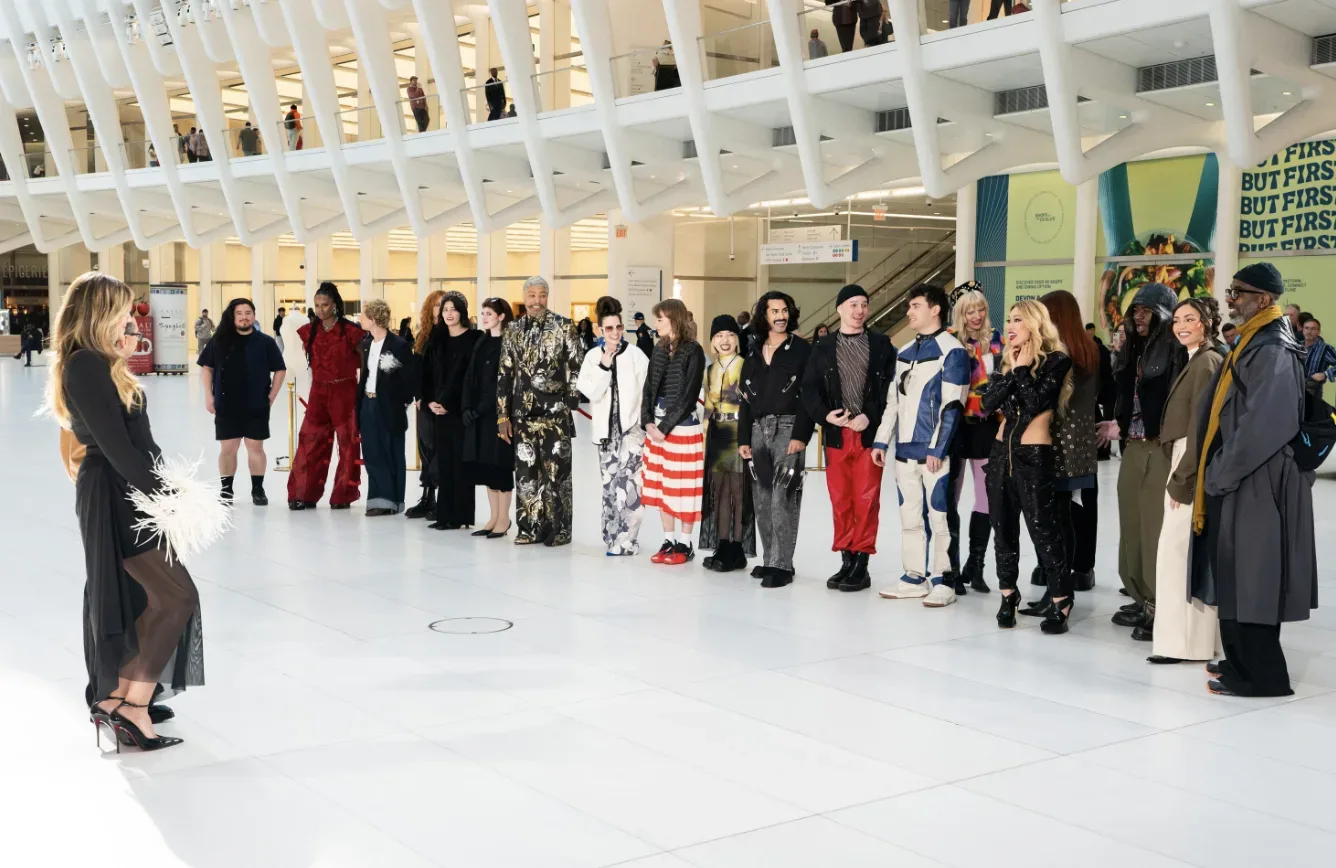
Project Runway Season 22 arrived promising its biggest competition ever, with a record 22 designers entering the workroom. Six episodes later, however, one of the season’s biggest talking points is not a particular dress or designer. It is the speed at which the cast has been disappearing. Ten of the original 22 designers were effectively removed within the first two rounds, leaving only 12 by the start of Episode 3. Freeform has not publicly said that the mass eliminations were caused by the season’s episode order, so that should not be presented as confirmed. What is clear is that Season 22 is fitting its record-sized cast into just 10 episodes, and the producers have built an unusually aggressive qualification-style opening around that mismatch.
That structure has changed the rhythm of Project Runway. Instead of spending several weeks gradually learning who everyone is, viewers watched established designers, reality-TV personalities and experienced fashion professionals fight simply to reach what feels like the normal part of the competition.
Spoilers Alert
Why Did Project Runway Start Season 22 With 22 Designers?
The 22-person cast was deliberately promoted as a Season 22 event. Freeform called it the largest group of designers in the show’s history, with a lineup ranging from traditional fashion professionals to designers already known through pageantry, drag and previous reality competitions. The number itself also makes obvious promotional sense for a show’s 22nd season.
What Freeform did not announce was a longer season to accommodate all those people. Season 22 contains only 10 episodes, the same overall length as Season 21 and considerably shorter than several older iterations of the franchise. Disney’s current streaming schedule runs the season from its July premiere through Episode 10 in September.
That combination immediately creates a practical problem. A traditional one-designer-per-week structure cannot reduce 22 contestants to a manageable finale group in 10 episodes. Season 22 solves that problem by treating its opening episodes less like ordinary weekly challenges and more like a qualification stage.
Related: Project Runway Gave Bryan a Huge Power in Episode 6, and His Jude Pick Wasn’t Random
Six Designers Were Eliminated From the Opening Challenge
The premiere makes the season’s new pace clear almost immediately. Instead of giving all 22 contestants a conventional Mood-shopping challenge, the designers arrive with signature looks they prepared before entering the competition. Six designers are selected as the strongest and receive immunity, while another group is deemed safe. The lowest designers face a much harsher outcome: six people are scheduled to leave from the first round alone.
Three eliminations are confirmed before the premiere ends, while the remaining decision becomes a cliffhanger carried into Episode 2. Jeffrey Kelly Abess survives the final judgment, while R’Bonney Nola Gabriel, Plane Jane and Robert “Q” Crone complete the group of six designers sent out from the opening round.
That means more than a quarter of the season’s record cast is removed before viewers have seen most of them complete a normal challenge from sketch to runway. It is one reason the premiere generated such a strong reaction among longtime viewers. A large cast sounds like more fashion on paper, but removing six designers immediately gives audiences very little time to understand what several of them might actually have contributed. Viewer discussions began questioning the purpose of casting 22 people if so many were going to disappear immediately.
Episode 2 Makes the Cuts Even More Aggressive
Episode 2 does not slow the process down. Six designers enter with immunity from the premiere, leaving 10 contestants vulnerable in the “Redemption Look” challenge. Five of those 10 are initially placed out of the competition, but the episode introduces a jury consisting of the six immune designers and the six contestants eliminated from the premiere. That 12-person jury is allowed to save one of the five.
The twist ultimately means four more designers leave permanently. By the time the jury decision is resolved at the beginning of Episode 3, the original field of 22 has fallen to 12.
So the first two rounds effectively remove 10 designers.
The jury mechanism softens one elimination while adding a more strategic reality-TV element to a franchise traditionally associated with expert runway judging. It also allows the already-eliminated contestants to remain part of the television story temporarily, which makes the huge opening cast more useful dramatically even after several people have technically been cut.

Is the 10-Episode Season the Reason for All the Mass Eliminations?
It is a compelling explanation, but it remains an inference rather than an official producer statement.
The numbers are difficult to ignore. Season 22 begins with 22 designers but has only 10 episodes. Once the competition reaches 12 designers in Episode 3, the show suddenly resembles a more conventional Project Runway season in scale. That makes the first two episodes function almost like an extended casting round designed to get the field down to a size the remaining schedule can handle.
There is no reliable public statement from showrunner Michael Rucker or Freeform saying, “We eliminated this many people because we only had 10 episodes.” Without that, budget explanations, network mandates and production-pressure theories should remain speculation.
What the producers have confirmed is the unusual combination itself: the largest designer cast in franchise history and a 10-episode order. Everything viewers are seeing on screen is the format devised to make those two facts coexist.
Related: Tyra Banks Is Missing From Project Runway Episode 6, But She Didn’t Quit
The Cliffhangers Make the Season Feel Even Faster
The number of eliminations is only half the issue. Season 22 repeatedly postpones results until the next episode, which makes each hour feel as though it is simultaneously finishing last week’s challenge and beginning another one.
The premiere ends before all six opening eliminations are resolved. Episode 2 ends before the jury reveals which eliminated designer it will save. Episode 3 again postpones the result of its NFL challenge. Episode 5 ends during judging, forcing Episode 6 to finish the paper-towel challenge before introducing the Devil Wears Prada 2 assignment. Reality-TV critics and viewers have repeatedly singled out that cliffhanger structure as one reason the season feels fragmented.
Episode 6 is notable partly because it finally manages to resolve two outstanding challenge results and eliminations within the same hour. Even Vulture’s recap remarked on how unusual that suddenly felt after the structure of the earlier episodes.
For viewers accustomed to a challenge, runway and elimination forming one complete weekly story, Season 22’s editing makes the competition seem even more accelerated than the raw numbers already suggest.
Is Project Runway Still Eliminating Multiple Designers Every Week?
No. The huge cuts are concentrated primarily at the beginning rather than functioning as a permanent rule for every challenge.
Once Season 22 reaches a smaller field, the show begins giving individual designers more runway time and returns more often to recognizable elimination patterns. There are still unusual advantages, head-to-head battles and contestant-controlled decisions, but the opening massacre is not simply repeated every Thursday. Episode 6, for example, sends Elizabeth Shevelev home from the delayed paper-towel judging and Bobby Diakonenkova home after the new challenge rather than wiping out another large section of the cast at once.
That makes the first two episodes easier to understand as a deliberately compressed entry phase.
Whether it was a good idea is another matter. Starting with 22 designers gave Project Runway a marketable Season 22 hook and introduced an unusually varied group of contestants. Cutting nearly half of them before the third proper episode also meant that some of those people never had enough screen time for viewers to become invested in their work.
The strange feeling surrounding Season 22 therefore has a straightforward numerical foundation. This really is the biggest Project Runway cast ever, but it is not the biggest Project Runway season. The show expanded one side of the equation without expanding the other, and its unusually brutal opening format is how it gets the numbers back under control.