One Hundred Years of Solitude S2E7 Ending Explained
By the time the rain begins swallowing Macondo, the town has already survived enough history for several lifetimes. War has exhausted it. The railroad has connected it to the wider world, only for that connection to invite exploitation. The banana company has transformed progress into something much uglier. Meanwhile, the Buendías continue repeating the emotional…
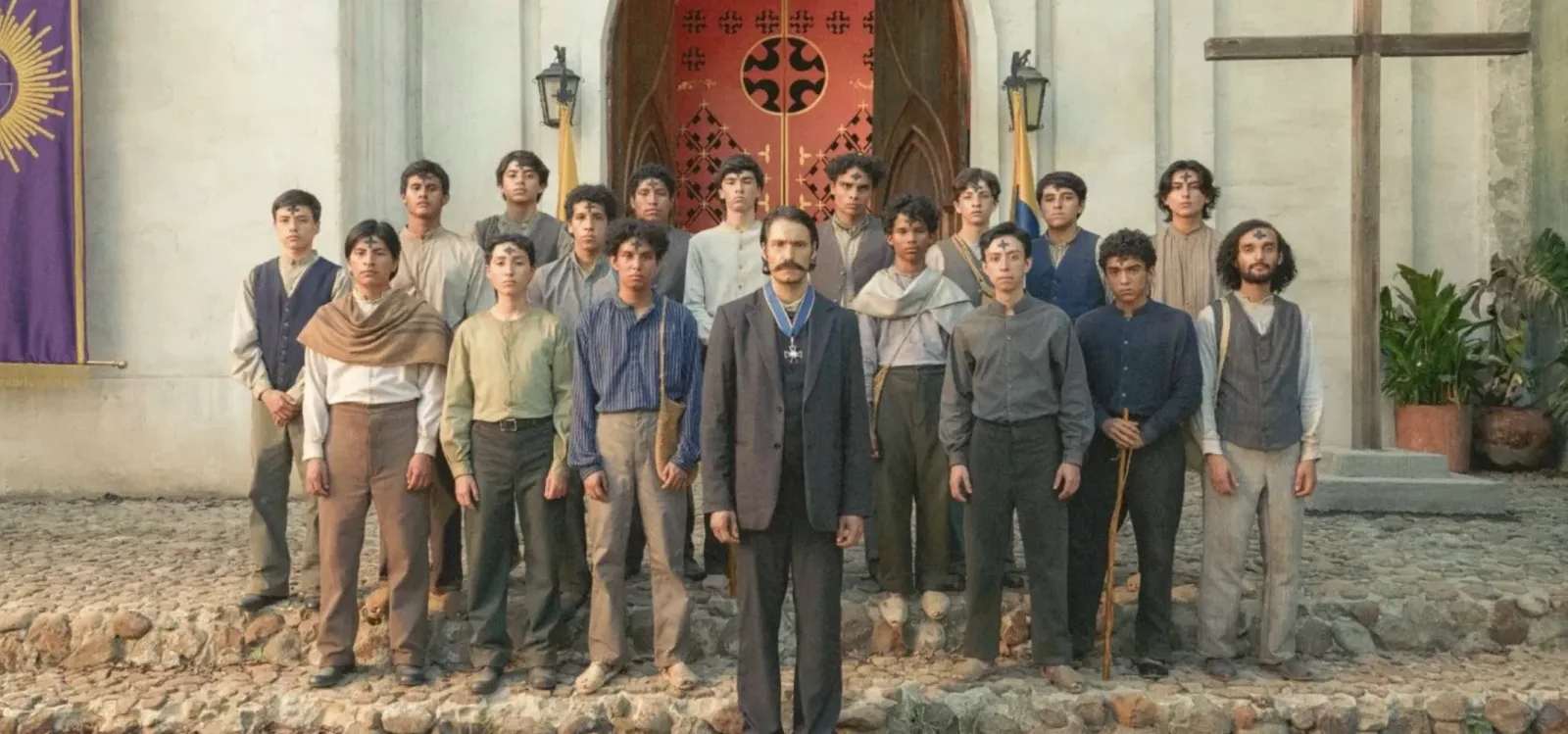
By the time the rain begins swallowing Macondo, the town has already survived enough history for several lifetimes. War has exhausted it. The railroad has connected it to the wider world, only for that connection to invite exploitation. The banana company has transformed progress into something much uglier. Meanwhile, the Buendías continue repeating the emotional mistakes their ancestors never learned to escape.
Episode 7, titled “It Rained For Four Years, Eleven Months and Two Days,” does not treat the storm as a simple disaster. The rain is an reckoning. It traps Macondo beneath the consequences of everything that came before, washing away the town’s confidence while leaving its oldest wounds stubbornly intact.
The ending also makes one thing painfully clear: Macondo is no longer the hopeful settlement José Arcadio Buendía imagined. It has become a place struggling to survive its own history.
Spoilers ahead for One Hundred Years of Solitude Season 2 Episode 7.
Why Does It Rain for Four Years, Eleven Months and Two Days?
The rain lasts for four years, eleven months and two days, turning what begins as weather into a defining era in Macondo’s history.
The extreme duration is important. A brief storm might damage houses, interrupt work, and force people indoors. This rain reshapes the town’s entire way of life. It outlasts ordinary routines and makes recovery feel almost impossible because there is no clear point at which the disaster will end.
That uncertainty is central to the episode’s atmosphere. Macondo cannot simply wait for better weather. The rain becomes the new reality, forcing the town to live inside decay rather than merely witness it.
The episode’s title does some of the storytelling before the action even begins. By measuring the storm down to the final two days, the series gives the event the weight of recorded history. This is not a passing inconvenience. It is one of the great calamities by which future generations will remember Macondo.
Is Macondo Being Punished for Its Past?
The rain represents the accumulated damage that Macondo and the Buendía family can no longer avoid.
For years, both the town and the family have responded to crisis by moving forward without fully confronting what happened. Wars end, but the bitterness remains. Relationships collapse, but the same emotional patterns reappear in the next generation. New inventions and visitors arrive, allowing Macondo to imagine that change must also mean improvement.
Episode 7 strips away that illusion.
The rain suspends progress and leaves everyone trapped with the consequences of the past. It does not create Macondo’s problems. It exposes how fragile the town has already become.
That distinction matters because the storm could easily have been presented as a random piece of magical misfortune. Instead, its placement makes it feel almost inevitable. Macondo has spent years accumulating grief, violence, ambition, and betrayal. Eventually, all of that weight has to fall somewhere.
So it falls from the sky.
How Did the Railroad Lead to Macondo’s Downfall?
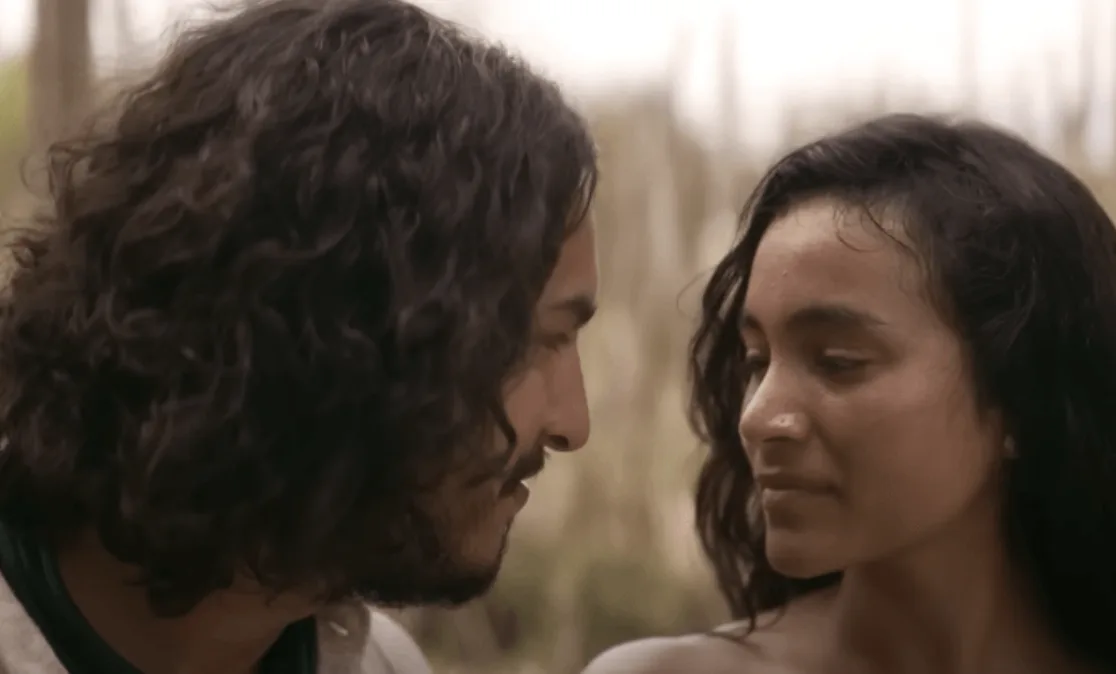
The railroad initially appears to fulfill one of the town’s oldest ambitions. José Arcadio Segundo helps connect Macondo to the outside world, bringing to life José Arcadio Buendía’s dream of ending the settlement’s isolation.
For a town founded far from everything, the railroad should represent possibility. It allows people, products, and ideas to travel in and out. It places Macondo on a wider map and suggests that the community can finally participate in the modern world.
The problem is that roads run in both directions.
Macondo gains access to the outside world, but the outside world also gains access to Macondo. The banana company arrives through that opening, bringing a new kind of power that the town is not prepared to resist.
The railroad therefore becomes one of the story’s cruelest reversals. José Arcadio Buendía dreamed of discovery because he believed knowledge would enlarge life. The connection eventually helps outside interests consume the place he built.
Progress arrives. It simply does not belong to the people who were waiting for it.
Why Is the Banana Company Important to Episode 7’s Ending?
The banana company marks the point at which Macondo’s transformation becomes inseparable from its downfall.
Its arrival changes the town economically and socially, but the episode is less interested in celebrating growth than in showing the price attached to it. The company does not merely become another part of Macondo. It alters the balance of power and accelerates the town’s loss of control over its own future.
That decline gives the rain additional meaning. The storm arrives after Macondo has already been opened, reshaped, and wounded by forces larger than the Buendías.
Nature appears to finish what human ambition began.
The series does not suggest that isolation was perfect or that every outside influence was inherently destructive. Macondo was already troubled long before the railroad. The Buendías brought their own pride, obsessions, and destructive habits into the town from its earliest days.
Still, the banana company’s presence demonstrates that not every promised future is an improvement. Some versions of progress simply find more efficient ways to exploit old weaknesses.
Is the Rain Fulfilling Úrsula’s Curse?
By the end of Episode 7, Macondo feels drained of the energy that once defined it.
The town began as José Arcadio Buendía’s bold experiment, a place founded on imagination and the belief that a new community could escape the rules of the old world. Even its early mistakes carried a sense of movement. Macondo was strange, curious, and hungry for whatever might come next.
The rain replaces that energy with exhaustion.
Nearly five years of relentless weather leave the town feeling cut off once again, but this is not the romantic isolation of its founding. Macondo has already seen the world. It has experienced war, technology, commerce, and corporate power. It cannot return to innocence because it now understands what lies beyond its borders.
What remains is a community forced to reckon with what those encounters have cost.
The ending is not merely about physical deterioration. It shows a town losing faith in its own permanence. Buildings, routines, and institutions may survive for a time, but the idea of Macondo as a place destined for greatness is becoming harder to sustain.
How does the storm affect the Buendía family?
The Buendías experience the rain as another stage in a history they repeatedly fail to escape.
Each generation believes it is making independent choices. Yet familiar patterns continue to return: solitude, forbidden desire, emotional distance, obsessive ambition, and the inability to learn from family memory.
The storm intensifies that sense of repetition. The family is not moving cleanly toward a new chapter. It is circling the same unresolved fate under increasingly difficult conditions.
This is where the episode’s emotional power lies. The rain may be extraordinary, but the Buendías’ response to inherited pain is painfully recognizable. They live surrounded by evidence of what earlier generations suffered, yet that knowledge rarely gives them enough wisdom to choose differently.
The past in One Hundred Years of Solitude is not safely finished. It remains active, shaping relationships and narrowing possibilities long after the people responsible are gone.
Episode 7 pushes that idea toward its bleakest conclusion. The family has inherited more than a name or a house. It has inherited unfinished consequences.
Is the rain connected to Úrsula’s warning?
The episode places Macondo’s decline within the larger fate that has followed the Buendía family since the beginning.
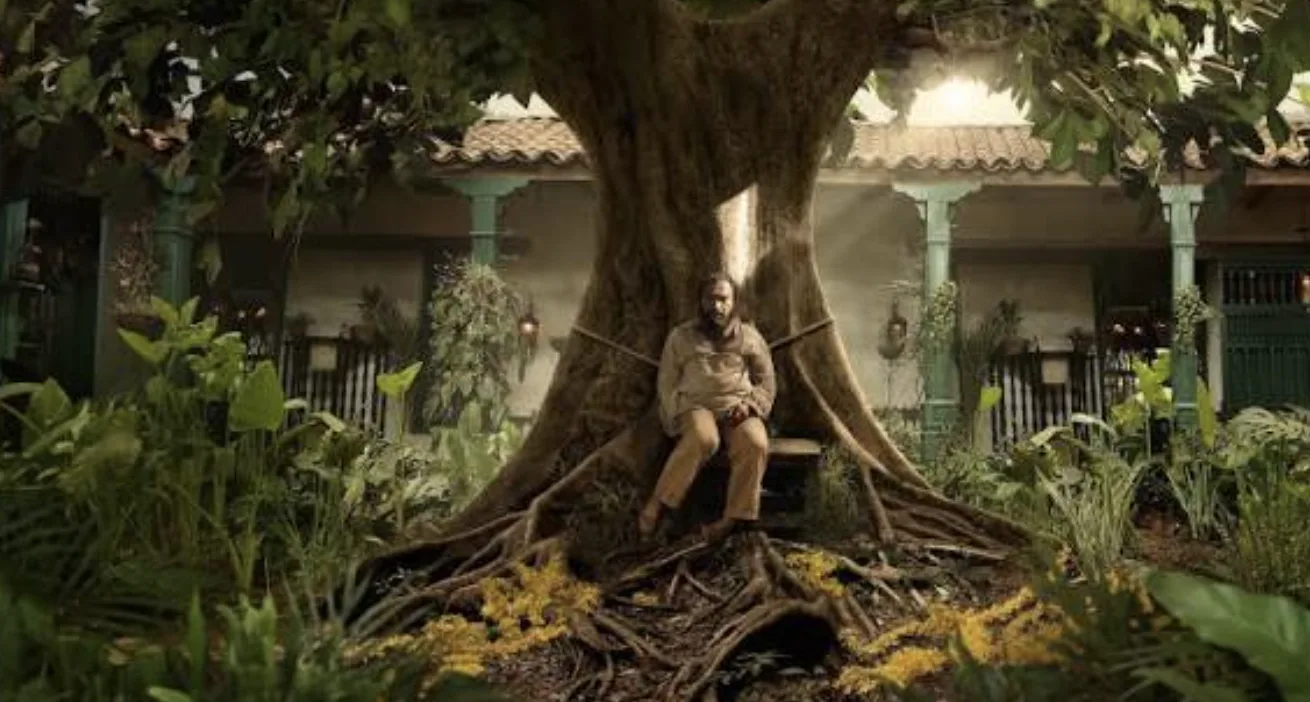
Netflix’s description of Part 2 connects the town’s downfall with Úrsula Iguarán’s curse, suggesting that the tragedies facing the family are moving toward the fulfillment of a warning they have never managed to escape.
The rain therefore feels less like punishment for one specific action and more like a sign that the family’s long-delayed reckoning is approaching.
Úrsula spent much of her life trying to hold the Buendías together. She understood their weaknesses better than anyone and repeatedly recognized the dangerous patterns forming around her. Yet even her endurance could not permanently protect the family from itself.
By Episode 7, her fears are no longer abstract. Macondo is deteriorating, the family is carrying generations of unresolved damage, and the story is rapidly approaching the fate that has hovered over it from the start.
The tragedy is not that nobody warned them. It is that warnings mean very little when people mistake repetition for destiny and destiny for permission.
Does Episode 7 end the series?
No. Episode 7 is the final episode in the first batch of Part 2, but it is not the conclusion of Netflix’s adaptation.
The feature-length Grand Finale is scheduled for August 26, 2026. That final installment will complete the story of the Buendía family and Macondo.
Episode 7 is designed as the threshold before that conclusion. Its years of rain leave the town weakened and bring the family’s generational patterns closer to their final outcome. Rather than offering resolution, the episode clears away any lingering hope that Macondo can simply return to what it once was.
The finale must now address not only what happens to the remaining Buendías, but whether anything can survive the accumulated force of their history.
What does the ending really mean?
The ending means that Macondo’s downfall cannot be blamed on one war, one company, one family member, or even one extraordinary storm.
The town has been shaped by layers of consequence. José Arcadio Buendía’s dreams led to discovery, but discovery brought exposure. The railroad promised connection, but connection enabled exploitation. The Buendías tried to preserve family bonds, yet secrecy and solitude repeatedly weakened them.
The rain gathers those contradictions into one overwhelming image.
For nearly five years, Macondo is denied the comfort of forward motion. There is no grand invention to chase, no political cause to join, and no new arrival capable of distracting the town from what it has become. There is only water, memory, and the slow collapse of certainty.
That is why Episode 7 feels so ominous. The rain eventually has an ending. The Buendías’ cycle may not.
Macondo was founded on the belief that a family could begin again in a place untouched by history. By the end of “It Rained For Four Years, Eleven Months and Two Days,” that dream has been completely reversed. The town is no longer outside history. It is buried beneath it.