Nightborn (Yön lapsi) Recap and Ending Explained: Why Saga Lets Kuura Return to the Forest
Most horror stories about new motherhood ask whether the mother is imagining the danger around her child. “Nightborn” takes a nastier route. Saga sees the danger perfectly well. The people around her simply keep explaining it away until the baby has bitten through skin, rejected ordinary food and begun answering to something ancient in the…
Most horror stories about new motherhood ask whether the mother is imagining the danger around her child. “Nightborn” takes a nastier route. Saga sees the danger perfectly well. The people around her simply keep explaining it away until the baby has bitten through skin, rejected ordinary food and begun answering to something ancient in the Finnish forest.
That reversal gives the film its strongest idea. Saga’s fear of Kuura is not evidence that she is failing as a mother. It is the first sign that some buried part of her recognizes him. What begins as a domestic nightmare about an uncontrollable child gradually becomes a story about inheritance, repression and a woman discovering that the creature she fears is carrying the same nature she has spent her life suppressing.
Why do Saga and Jon move to Finland?
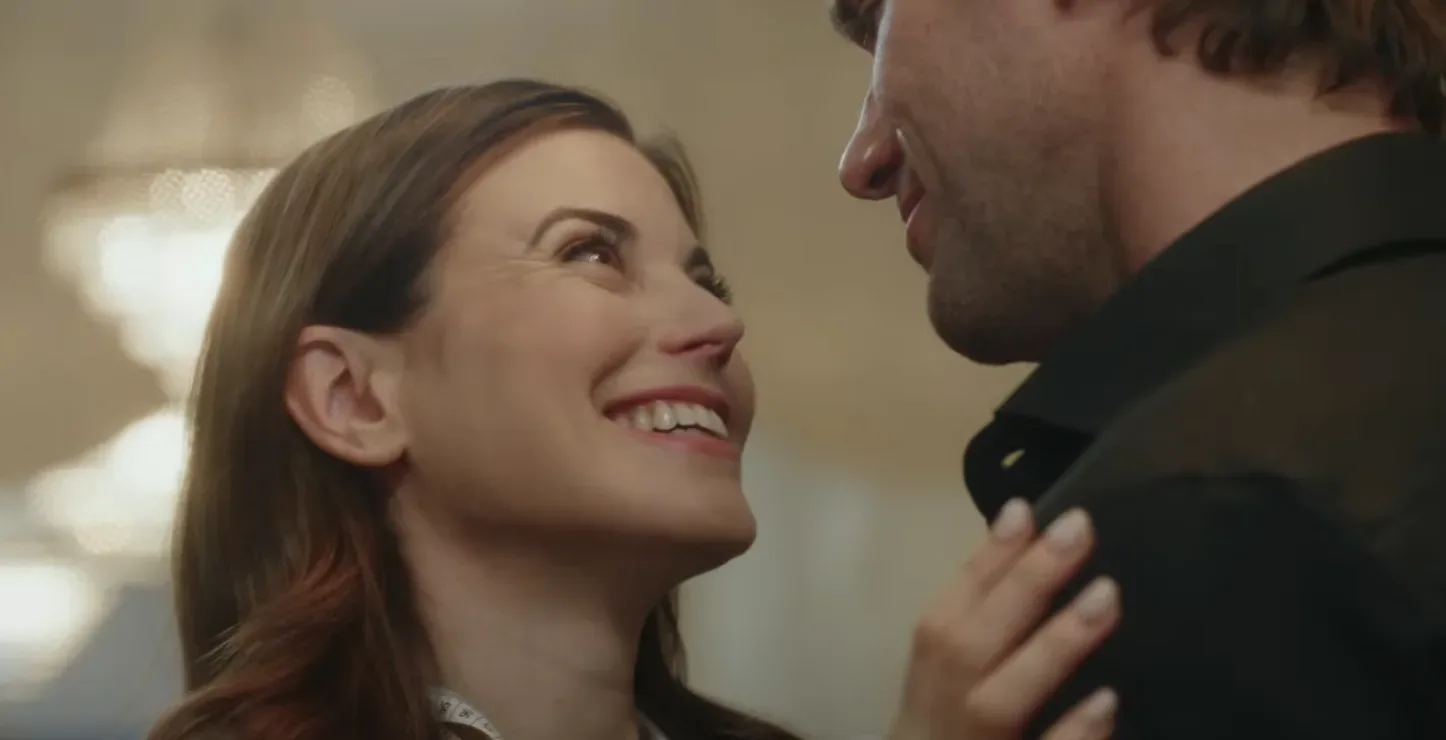
Saga returns to her late grandmother’s home in Finland with her British husband, Jon. He has left London behind so they can begin a quieter life together and raise a family near the forest where Saga spent part of her childhood.
The move initially looks romantic, but the house is hardly neutral ground. It sits beside a forest Saga has always felt drawn toward, even when her grandmother tried to keep her away from it. A sapling is also forcing its way through the floor, as though the surrounding wilderness has been trying to reclaim the building long before Saga arrived.
Saga and Jon conceive their child after having sex in the woods. The scene matters because the pregnancy is not presented as something that merely happens near the forest. Saga stares upward at the tree above her, creating the sense that the place is participating in the moment.
Months later, she gives birth to a boy. Jon sees the baby as the completion of the life they came to Finland to build. Saga immediately senses that their new beginning has brought something much older home with them.
What is wrong with baby Kuura?
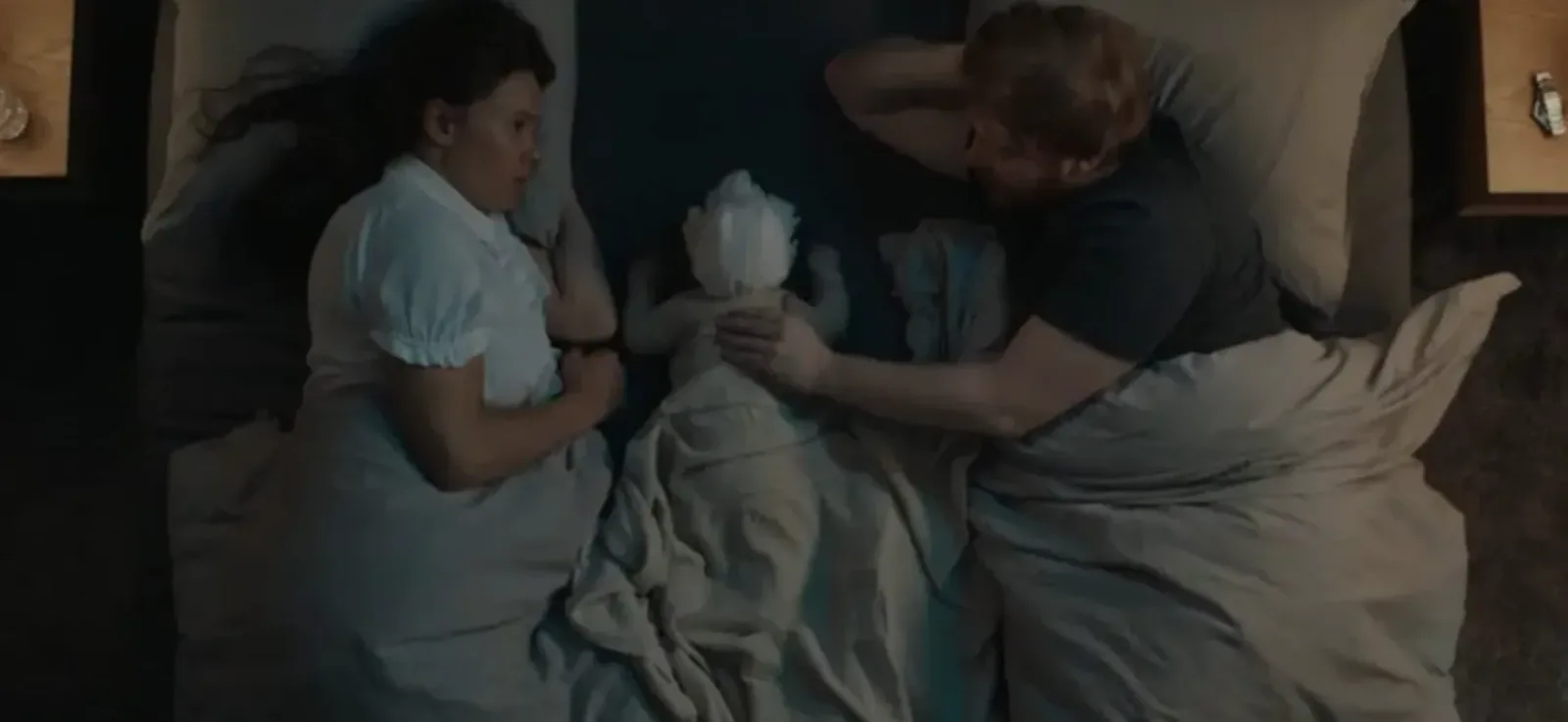
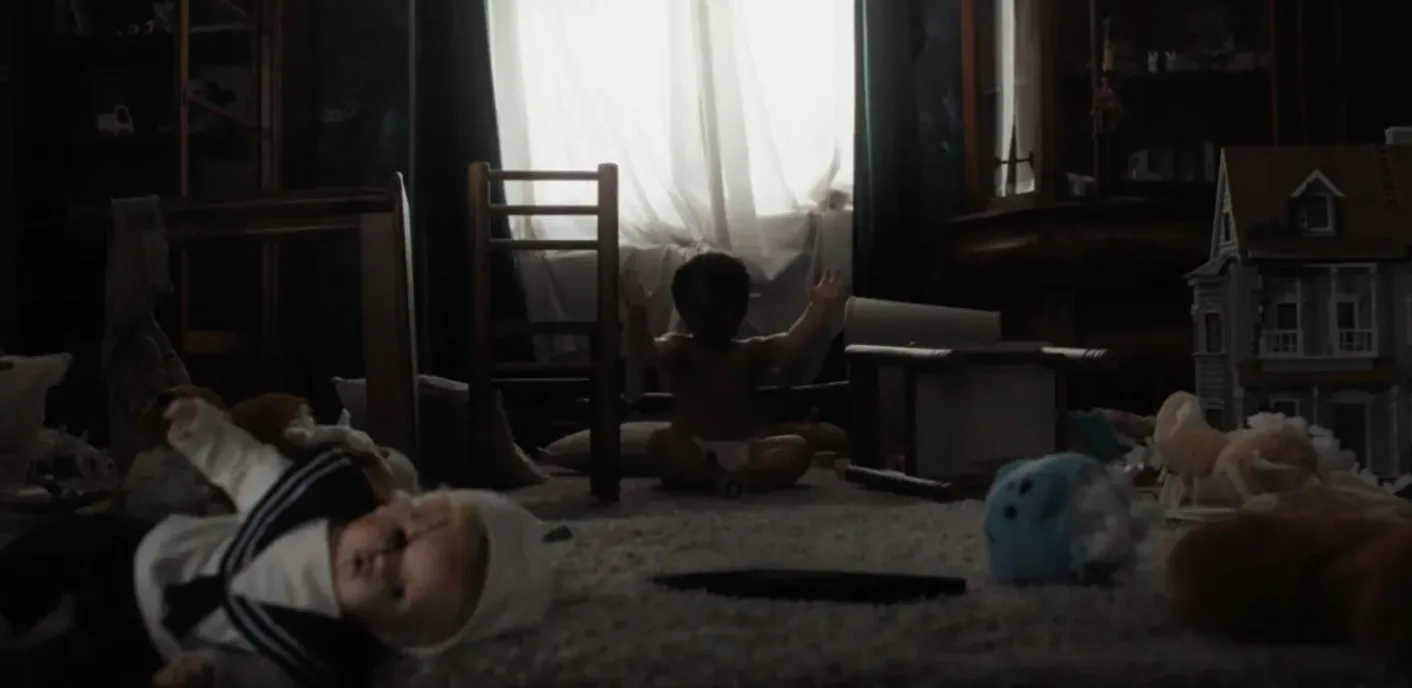
Kuura does not behave like a human infant. He avoids sunlight, cries with an unnatural force and attacks Saga whenever she tries to breastfeed him. Instead of simply biting, he breaks her skin and drinks her blood.
The violence soon spreads beyond his mother. He bites off part of Saga’s mother’s ear and later takes off his cousin Anna’s finger. He resists holy water, develops bruises after being held by Jon’s pastor father and refuses the food Jon expects a child to eat.
Raw meat and cow’s blood are another matter. Kuura consumes both eagerly. During a walk in the woods, he devours a dead animal without hesitation. He also begins walking while still far too young, removing any remaining possibility that his behavior can be blamed on an unusually difficult infancy.
The film does not make Saga instantly loving or nobly protective in response. She is frightened, injured and increasingly repulsed. She stops calling Kuura “he” and begins referring to him as “it,” a choice that understandably horrifies Jon.
That emotional distance is uncomfortable, but it keeps Saga from becoming a familiar horror-movie mother who sacrifices everything for a demonic child because the plot demands it. She does not yet understand Kuura. She only knows that feeding him costs blood and pretending he is normal will not make him normal.
Why does Saga name the baby Kuura?
Saga and Jon have already chosen another name when the naming ceremony begins. Saga suddenly feels the forest speaking to her and calls the baby Kuura instead.
The decision is one of the earliest signs that her connection to the woods is returning. She may consciously believe she is naming her son, but the scene plays more like recognition. Something inside Saga hears what the child belongs to before she understands what either of them is.
Kuura’s attachment to the sapling growing through the house reinforces that connection. He is not merely fascinated by a plant. He responds to it as if it is a trapped relative or an unfinished passage between the human home and the forest outside.
Saga spends much of the film trying to separate herself from Kuura. The house, meanwhile, keeps showing that separation may never have been possible.
Why does Jon turn against Saga?
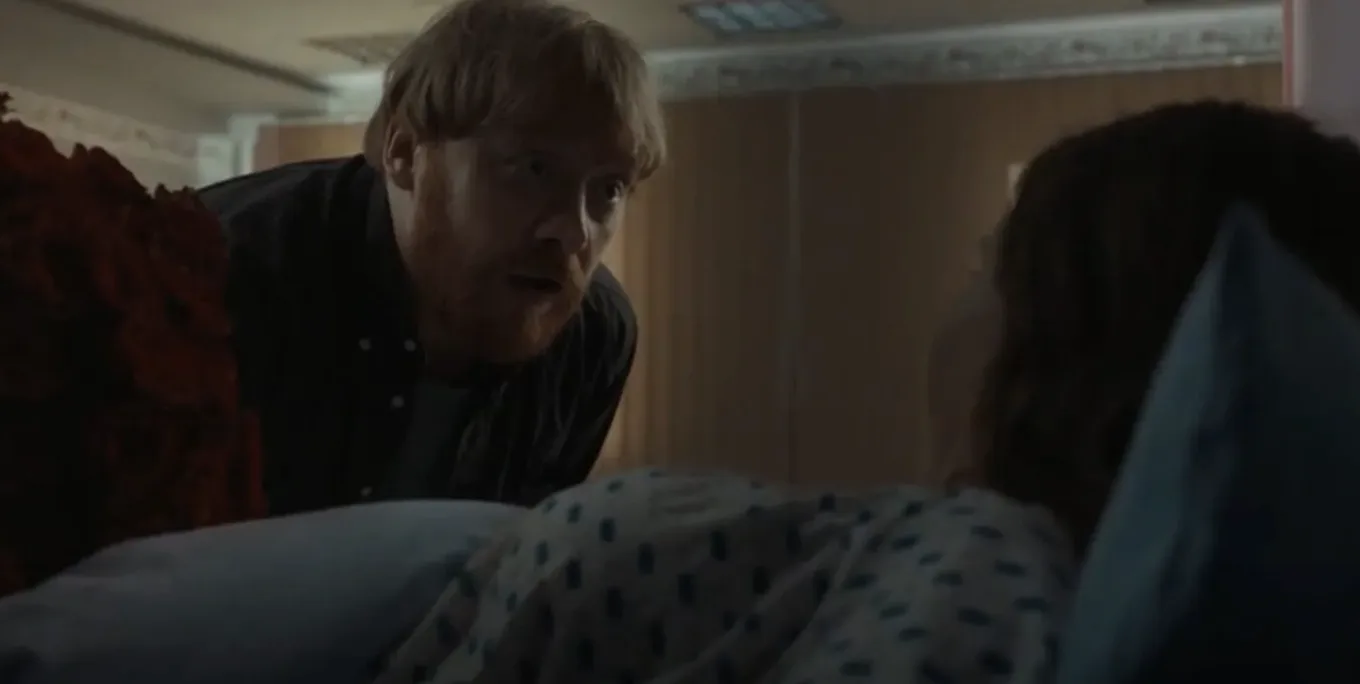
Jon initially interprets Saga’s fear through an ordinary, human framework. He believes she is struggling after childbirth and needs support rather than validation of her more frightening suspicions.
For a while, his response is understandable. From his perspective, Saga appears detached from their son, refuses to feed him normally and begins giving him blood and raw animal flesh. Even after Kuura’s behavior becomes harder to dismiss, Jon keeps treating Saga’s parenting as the central problem.
The peanut butter scene finally forces him to confront what she has been saying. Kuura rejects the food Jon offers but immediately eats the raw meat Saga puts before him. Jon sees proof that his son’s needs are abnormal, yet he still directs his anger at his wife.
This is where Jon’s protectiveness becomes control. Rather than admitting that Saga understands Kuura better than he does, he decides she must be removed from the child’s life. He announces that he intends to take full custody and move Kuura away from the forest.
His desire to protect his son is not inherently cruel. His fatal mistake is believing that Kuura is an ordinary child who can be rescued from an unstable mother. By this stage, the film has shown the opposite. Saga is frightened and conflicted, but she is also the only parent responding to the reality in front of her.
How does Kuura kill Jon?
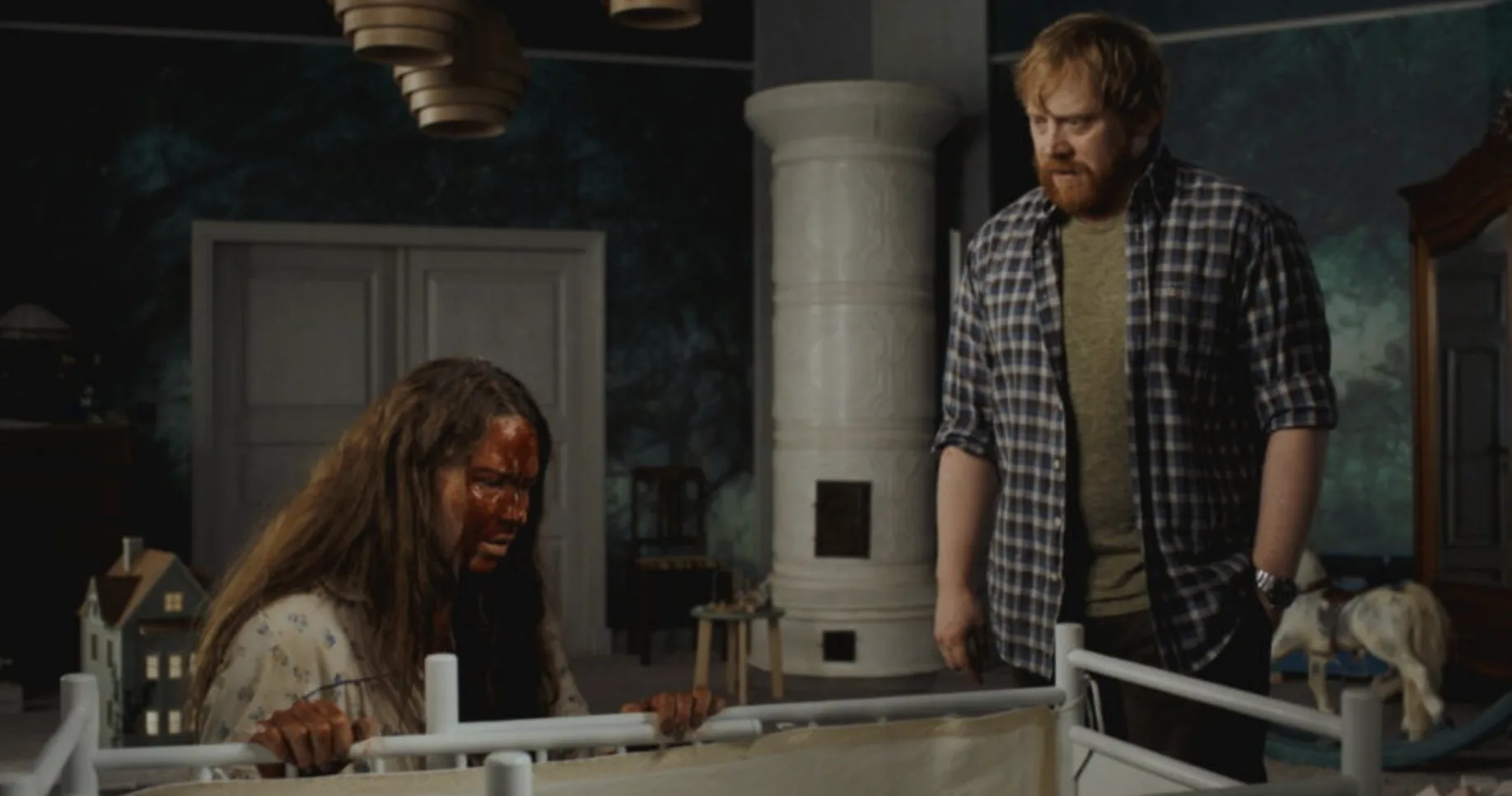
The argument over custody becomes physical when Jon tries to take Kuura away. Saga fights him, and the confrontation escalates until Jon’s greater strength begins to overpower her.
Kuura watches before raising his hands and calling the forest into the house. Trees and branches tear through the walls, violently completing the invasion that began with the small shoot beneath the floor.
One of the branches impales Jon, killing him instantly.
Kuura’s action is partly an attempt to save Saga, but it is not a conventional act of a child protecting his mother. Jon has also threatened to remove Kuura from the forest and force him into a life built around human rules. Killing him preserves both Saga and Kuura’s connection to the place.
The scene also settles the question of whether the forest’s power exists only inside Saga’s frightened perception. Jon’s death leaves physical proof throughout the house. The wilderness is real, Kuura can command it and the child Jon wanted to control has never been under human authority.
Is Kuura a troll?
The film strongly indicates that Kuura carries troll blood inherited through Saga’s family.
Jon’s mother recounts a Finnish legend about forest trolls taking children who are not properly raised. The story also suggests that troll blood entered human family lines through these disappearances and exchanges.
“Nightborn” does not present trolls as bulky fairy-tale monsters living under bridges. They are beings tied to trees, appetite and the wilderness. Some appear to have merged with the forest itself, becoming almost indistinguishable from the landscape.
Kuura’s abilities fit that mythology. He cannot tolerate sunlight, rejects human food, craves flesh and blood, communicates with the woods and can summon trees with lethal force. His rapid physical development also suggests that human infancy is only a temporary shape.
Saga appears to carry the same inheritance. Her mother remembers her behaving strangely as a child, and Saga admits that she repeatedly slipped into the forest despite her grandmother’s efforts to restrain her. Unlike Kuura, however, Saga was successfully pushed toward an ordinary human existence. She left the forest, lived in the city and lost contact with whatever she had once been.
Returning home does not create that identity. It wakes it up.
Why does Saga eat Jon’s heart?
After Jon dies, Kuura begins eating his father’s body. Saga does not pull him away. She joins him, tears out Jon’s heart and eats it.
The moment is deliberately brutal because Saga’s acceptance cannot remain intellectual. She has spent the film trying to classify Kuura as something separate from herself, first as a sick baby and later as a dangerous creature. Eating Jon’s heart destroys that distinction.
Saga is not simply surrendering to Kuura’s influence. She is recognizing her own appetite. The behavior that terrified her in her son is also present in her, buried beneath years of family discipline and ordinary adult life.
Jon’s death removes the person most determined to take Kuura away, but it also removes Saga’s final link to the future they had imagined together. Their marriage was built around a human family, a human child and a house protected from the surrounding wilderness. By eating his heart inside a home now split open by trees, Saga chooses the identity that marriage could no longer contain.
It is liberation, but the film refuses to make it clean. Saga finds herself through an act of cannibalism. Any peace offered by the ending remains soaked in the cost of reaching it.
What does the tree inside the house mean?
The sapling growing through the floor mirrors both Saga and Kuura. It belongs to the forest, but it has been confined inside a human structure and prevented from fully developing.
Saga’s childhood followed the same pattern. Her attraction to the woods was treated as something dangerous that had to be controlled. She eventually left, adapted to urban life and became disconnected from the part of herself her family feared.
Kuura cannot be suppressed as easily. His cries and fascination with the plant suggest that he understands what it represents. When he summons the forest during the fight, the small, contained growth becomes a full invasion of the house.
The building does not merely suffer damage. Its purpose collapses. It can no longer serve as a barrier between the family and the wilderness. The forest enters, Jon dies and Saga stops pretending that domestic order can protect them from their own nature.
Why does Saga let Kuura enter the forest?
After his father’s death, Kuura removes his clothes and walks naked toward the woods. Saga follows far enough to see where he is going, but she does not try to stop him.
Among the trees, forest beings reveal themselves. They appear integrated into the landscape, waiting to welcome Kuura into the existence for which he was born. Kuura looks back at Saga, smiles and continues forward.
Her decision to release him completes the change that began with her terror after his birth. Saga first wanted distance because she believed Kuura was monstrous. She later fought Jon because she knew taking him away would be wrong. In the final scene, she understands that keeping him for herself would be another form of control.
Kuura does not enter the forest as a lost child. He goes home.
Saga remains outside, which keeps her future slightly open. The film does not show her physically transforming or following him immediately. What has changed is her willingness to resist. She no longer answers to her mother’s repression, Jon’s idea of parenthood or the human standards that made both her and Kuura appear broken.
“Nightborn” ends with a mother losing her son and, strangely, becoming closer to him than she has ever been. Saga cannot raise Kuura into an ordinary person because he was never meant to become one. Her final act of love is not protection, correction or sacrifice. It is recognition.
The forest does not steal Kuura from her. It reveals where he belongs, and what she may have been all along.