Never Stop Chasing Is the True Story of a Storm Chaser Who Drives Toward Tornadoes
Never Stop Chasing is completely rooted in real events. It is a documentary rather than a fictional film, following meteorologist Reed Timmer and Team Dominator as they pursue violent tornadoes using the armored Dominator 3. Director Ken Cole combines recent storm footage with material spanning more than 20 years of Timmer’s career, including the deaths…
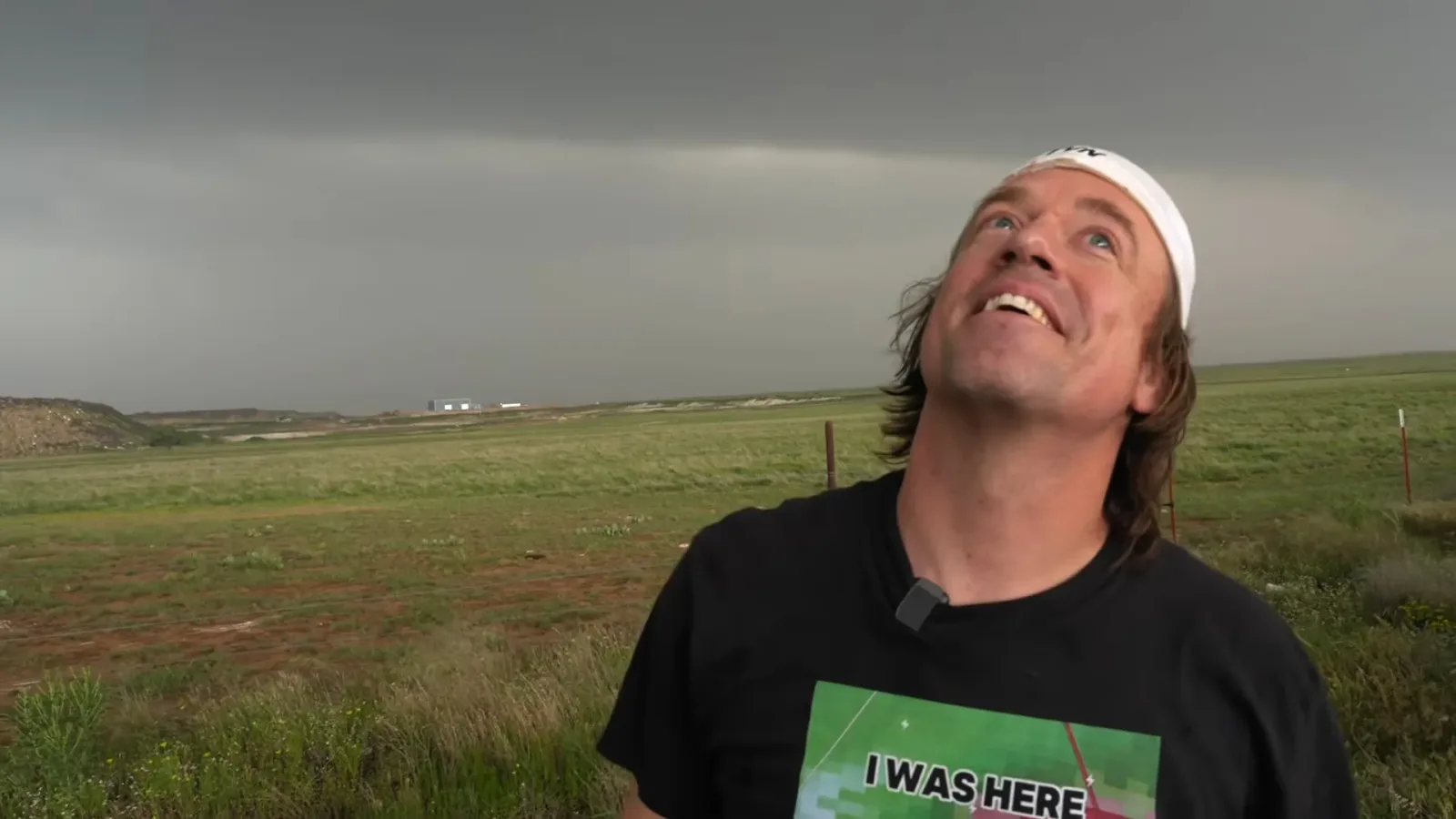
Never Stop Chasing is completely rooted in real events. It is a documentary rather than a fictional film, following meteorologist Reed Timmer and Team Dominator as they pursue violent tornadoes using the armored Dominator 3. Director Ken Cole combines recent storm footage with material spanning more than 20 years of Timmer’s career, including the deaths of fellow storm chasers who changed how he thinks about risk. The movie eventually reaches the devastating 2024 Greenfield, Iowa tornado, where footage captured during the chase became useful to scientists studying some of the most extreme tornado winds ever observed. Reed Timmer, the extraordinary figure at the center of it all, is very real.
Who Is Reed Timmer?
Reed Timmer is an American meteorologist and professional storm chaser best known for intentionally getting unusually close to tornadoes. He holds a Ph.D. in meteorology and became widely recognizable through Discovery Channel’s Storm Chasers, where his aggressive approach to intercepting severe weather distinguished him from more cautious research teams. Today, he works with Team Dominator and has built a large online audience around live storm coverage and severe-weather education. The official Never Stop Chasing site says Timmer currently reaches more than 8 million followers across social platforms.
His methods can look reckless from the outside, particularly because Team Dominator sometimes tries to position its vehicle directly in or very close to tornado circulation. Yet the documentary stresses that Timmer is not simply an adrenaline seeker with a camera. The Dominator vehicles carry meteorological equipment, while the team has experimented with probes, drones and other tools designed to gather information from parts of storms that are exceptionally difficult to measure safely. Forbes has similarly described Timmer’s recent work with airborne probes as scientific field research rather than pure spectacle.
Is Never Stop Chasing a Documentary or a Dramatization?
Never Stop Chasing is a feature documentary, and Reed Timmer appears as himself. Ken Cole directed and produced the film after documenting Timmer’s career at different stages for more than two decades. The two first worked together on Tornado Glory in 2003, meaning much of the archival perspective comes from a filmmaker who actually watched Timmer evolve from a young chaser into one of the best-known personalities in extreme meteorology.
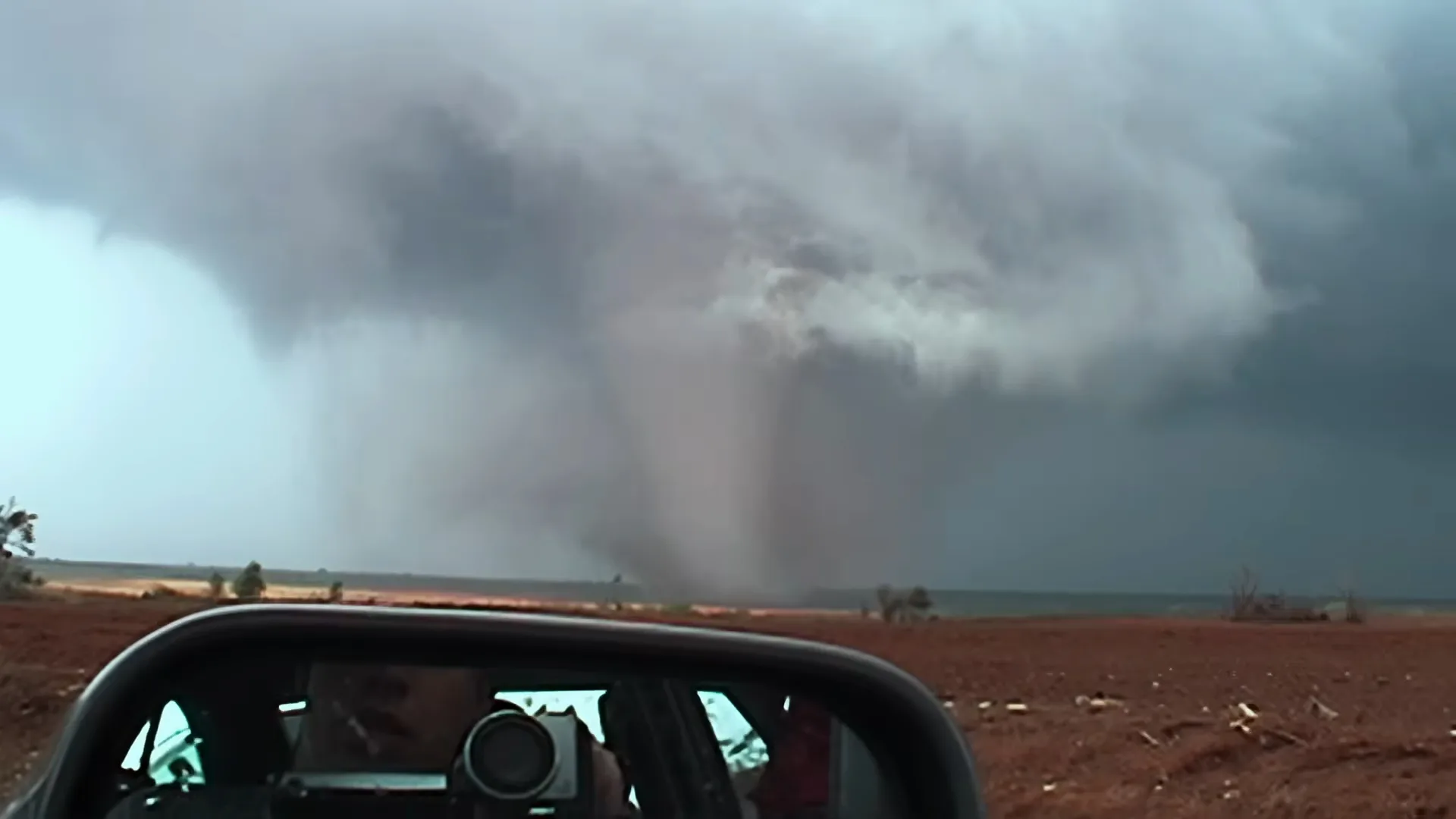
The film does not recreate the major tornadoes with actors or present Timmer through a fictional character. Its danger comes from real footage captured during active chases, including scenes inside the Dominator and material surrounding the Greenfield tornado. That distinction matters because some sequences may look closer to disaster-movie spectacle than conventional documentary photography. According to the filmmakers, however, the goal was specifically to make audiences experience the inside of severe weather using material captured during real intercepts.
Why Does Timmer Keep Chasing After So Much Loss?
The documentary treats that question as one of its main themes rather than reducing Timmer’s motivation to thrill-seeking. Director Ken Cole describes the film as an attempt to understand why Timmer continues pursuing tornadoes after years of witnessing both extraordinary storms and devastating deaths. Timmer’s career has gradually forced him to confront the gap between the excitement of observing severe weather and what those same storms do to communities.
One of the most important events revisited in the documentary is the May 2013 El Reno tornado. Veteran researcher Tim Samaras, his son Paul and fellow TWISTEX researcher Carl Young were killed during that storm. The deaths had a major effect on the storm-chasing community because Samaras was an experienced scientist known for carefully deploying instruments around tornadoes rather than simply treating them as spectacle. Never Stop Chasing also addresses the later death of Timmer’s longtime Storm Chasers colleague and close friend Joel Taylor.
Those losses give the title a more complicated meaning. “Never stop chasing” sounds like an uncomplicated motivational slogan, but the documentary increasingly asks what continued pursuit costs when a person’s passion repeatedly places them near events capable of killing both chasers and strangers.
What Is the Dominator 3?
The Dominator 3 is Timmer’s heavily modified storm-intercept vehicle, built specifically to operate in severe weather that ordinary cars should avoid. Its armored exterior, reinforced windows and low-profile design are intended to reduce vulnerability to wind and flying debris while the team collects observations near tornadoes. It is not literally indestructible, and Never Stop Chasing actually uses mechanical problems with the Dominator to increase the danger of one of its most important chases.
When the vehicle suffers a major engine problem, the crew continues in a far less protected rental vehicle. That decision eventually places them close to the Greenfield tornado in May 2024. The contrast captures the strange logic of Timmer’s career: sophisticated equipment is built to make extreme chasing safer, yet the desire to keep pursuing a storm can still push the team into situations for which that protection is unavailable.
Related: Never Stop Chasing Filming Locations
Why Is the Greenfield Tornado So Important to the Movie?
Greenfield provides the documentary with a climax where storm chasing, tragedy and scientific value collide. On May 21, 2024, a violent tornado struck Greenfield, Iowa, causing catastrophic damage and killing residents. Doppler on Wheels researchers calculated extremely brief peak winds in the range of roughly 309 to 318 mph within the circulation, placing Greenfield among the most intense tornado wind observations ever documented. The National Weather Service nevertheless rated the tornado EF4 based on the damage indicators used by the Enhanced Fujita Scale.
The Never Stop Chasing production also captured exceptionally detailed imagery of the storm. The filmmakers say scientific analysis used their visual material in conjunction with other observations, making the sequence more than dramatic footage for the documentary. That is why the film presents Greenfield as a culmination of Timmer’s long argument that getting extremely close to tornadoes can produce information unavailable from a safer distance.
The movie does not suggest that this scientific value erases the human cost. Its Greenfield section deliberately confronts both things at once: extraordinary data was collected because a devastating tornado happened to pass through a populated community.
That tension is ultimately what makes Reed Timmer more complicated than the familiar image of a man enthusiastically driving toward a funnel cloud. Never Stop Chasing documents a real career built around a genuine obsession with weather, but its strongest material asks what happens when scientific curiosity, personal identity and danger become almost impossible to separate.