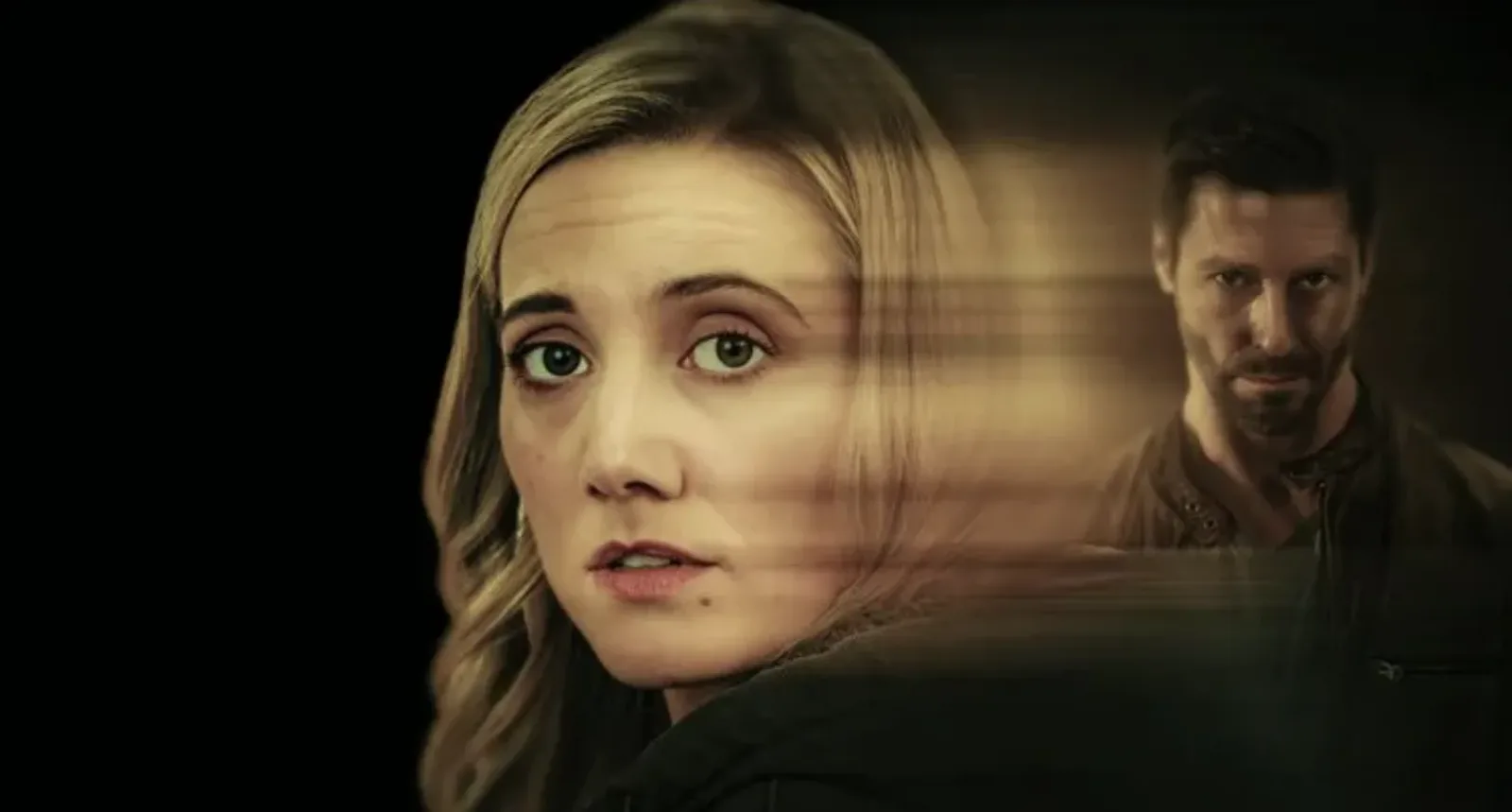
Mārama Ending Explained: What Happens to Mary and Nathaniel Cole?
Taratoa Stappard’s Mārama begins with the familiar architecture of Victorian Gothic. A young woman arrives in an unfamiliar country after receiving a mysterious letter, enters an isolated manor and gradually realizes that the wealthy man offering her protection knows far more about her than he should. The difference is that Hawkser Manor is not haunted…
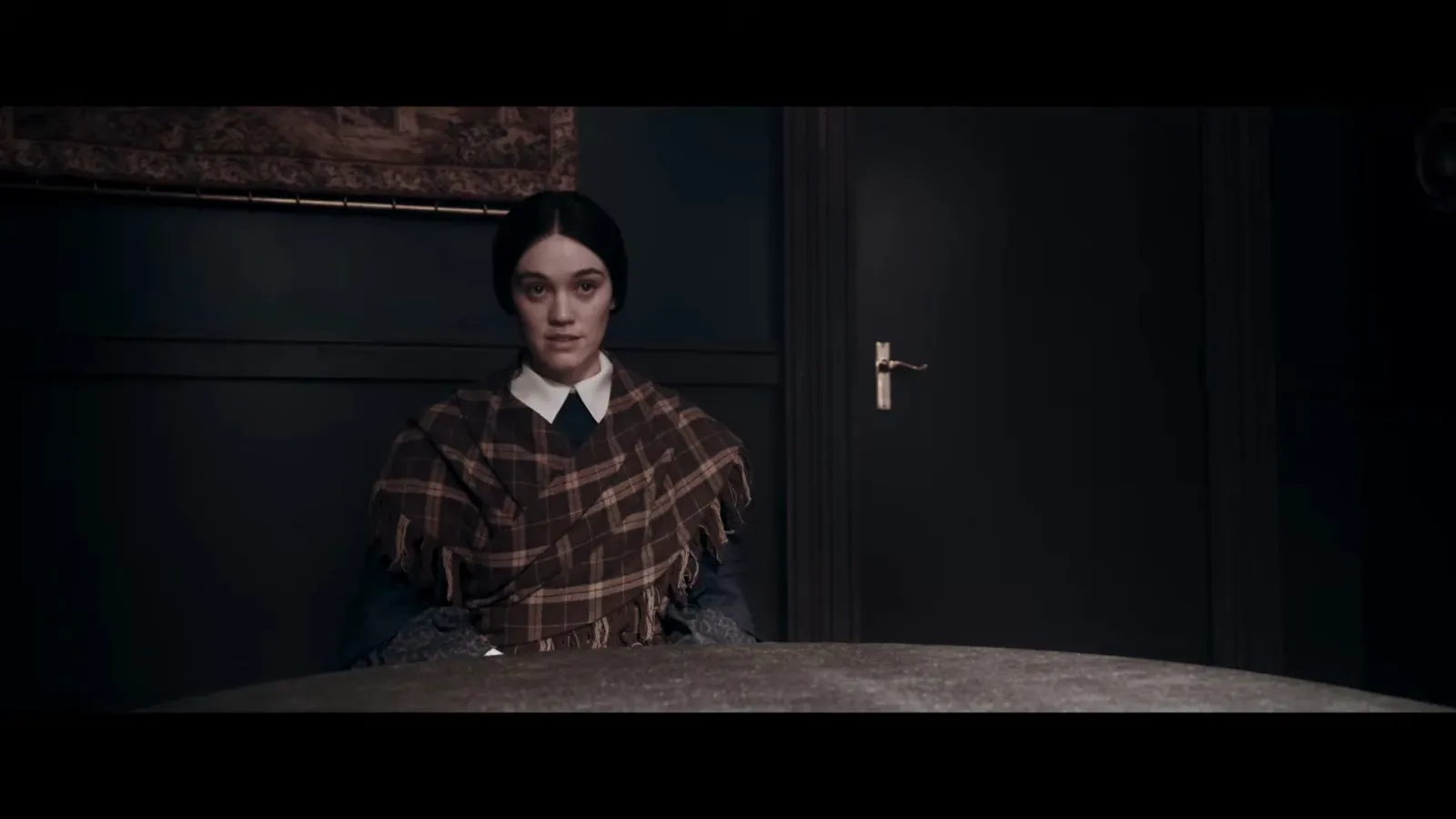
Taratoa Stappard’s Mārama begins with the familiar architecture of Victorian Gothic. A young woman arrives in an unfamiliar country after receiving a mysterious letter, enters an isolated manor and gradually realizes that the wealthy man offering her protection knows far more about her than he should. The difference is that Hawkser Manor is not haunted by a family curse or conventional ghost. Its rooms are filled with pieces of a history that Nathaniel Cole has collected, renamed and tried to make his own.
By the time Mary reaches Nathaniel’s birthday celebration, the question that brought her from Aotearoa to England has changed completely. She is no longer simply trying to discover who her parents were. She is beginning to understand why Nathaniel wanted her in England at all.
Related: Is Mārama Based on a True Story? The Real History Behind the Horror Movie
Why Was Mary Really Brought to England?
Nathaniel arranged Mary’s journey because her connection to him is far more personal than he initially admits. Thomas Boyd’s letter promises information about Mary’s biological family, but Nathaniel eventually reveals that he was the person who financed her passage and manipulated events from behind the scenes.
His first version of the family history is carefully edited. Nathaniel tells Mary that her twin sister was brought to England as an orphan, christened Emilia Cole and raised in his household before marrying his son Arthur. Mary therefore spends much of the film believing Anne is simply Emilia and Arthur’s daughter.
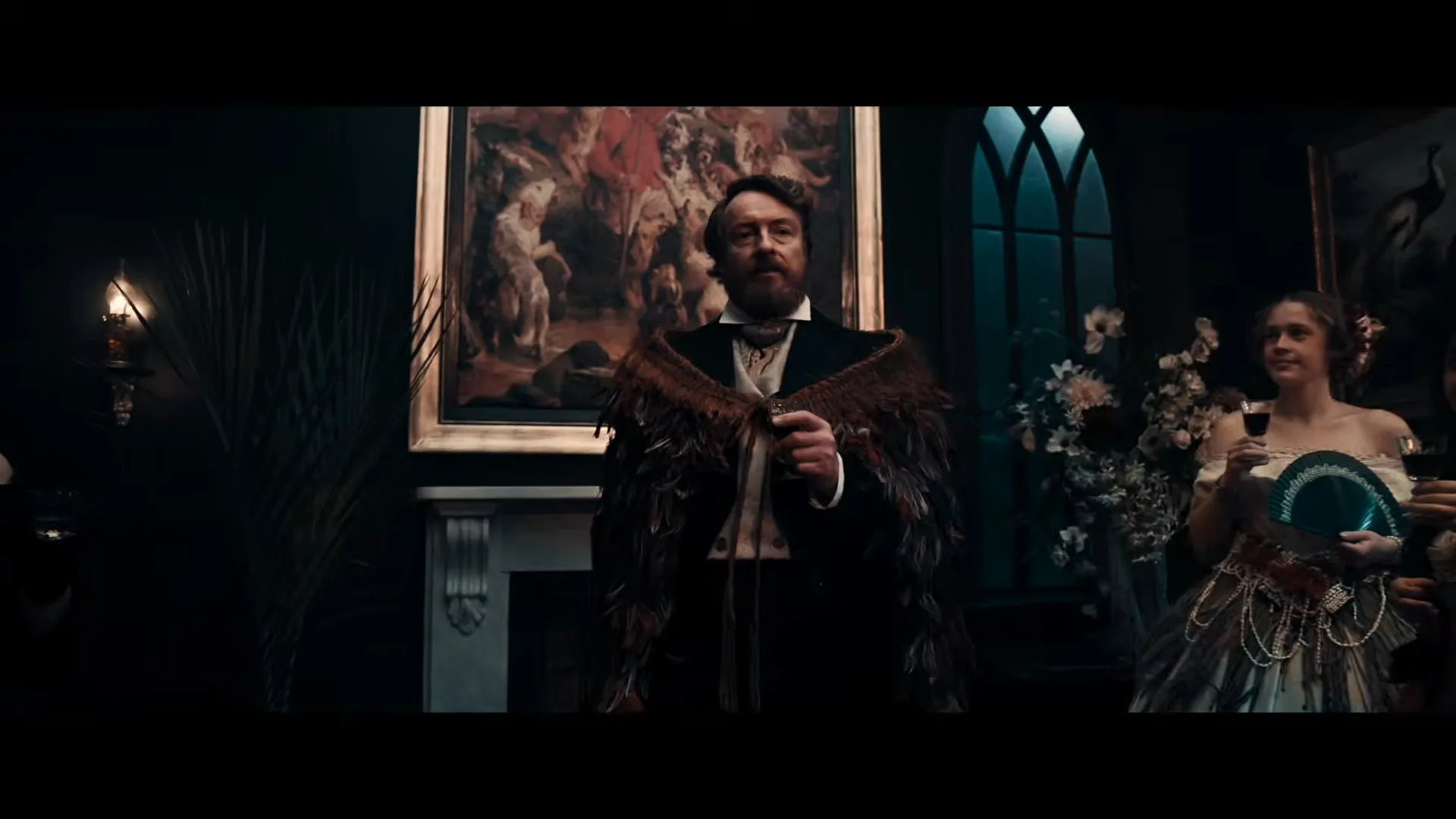
Nathaniel destroys that version of events during the climax. He tells Mary that he is her biological father and also Anne’s biological father. Because Emilia is Mary’s twin and Anne’s mother, the revelation means Nathaniel fathered a child with his own daughter. Anne is consequently both Mary’s niece and her half-sister. The ending turns Nathaniel’s obsession with Māori culture into something even uglier: his idea of “preservation” has always depended on possession and abuse.
What Really Happened to Emilia?
Emilia represents the life Mary narrowly escaped. The twins were separated, and while Mary was raised away from Nathaniel, Emilia was taken to England and absorbed into the Cole household. Nathaniel describes this as rescue, education and protection, but Mary’s visions gradually expose what his version of the story leaves out.
Emilia grows up alongside Arthur and eventually marries him, yet Nathaniel continues exercising control over her. The film also reveals that Emilia was placed at Runswick House, where Mary discovers that her sister’s suffering continued beyond the respectable story Nathaniel tells outsiders. Her supernatural flashes show childbirth, violence and a family history repeatedly hidden from her.
The final confrontation makes Nathaniel’s treatment of Emilia unmistakable. He has kept her severed head as another preserved object, using the same language of protection that he uses whenever he wants to disguise ownership as affection. The New Zealand Classification Office notes that the film contains images of several decapitated women, while the climax connects those remains directly to Mary’s bloodline and Nathaniel’s crimes.
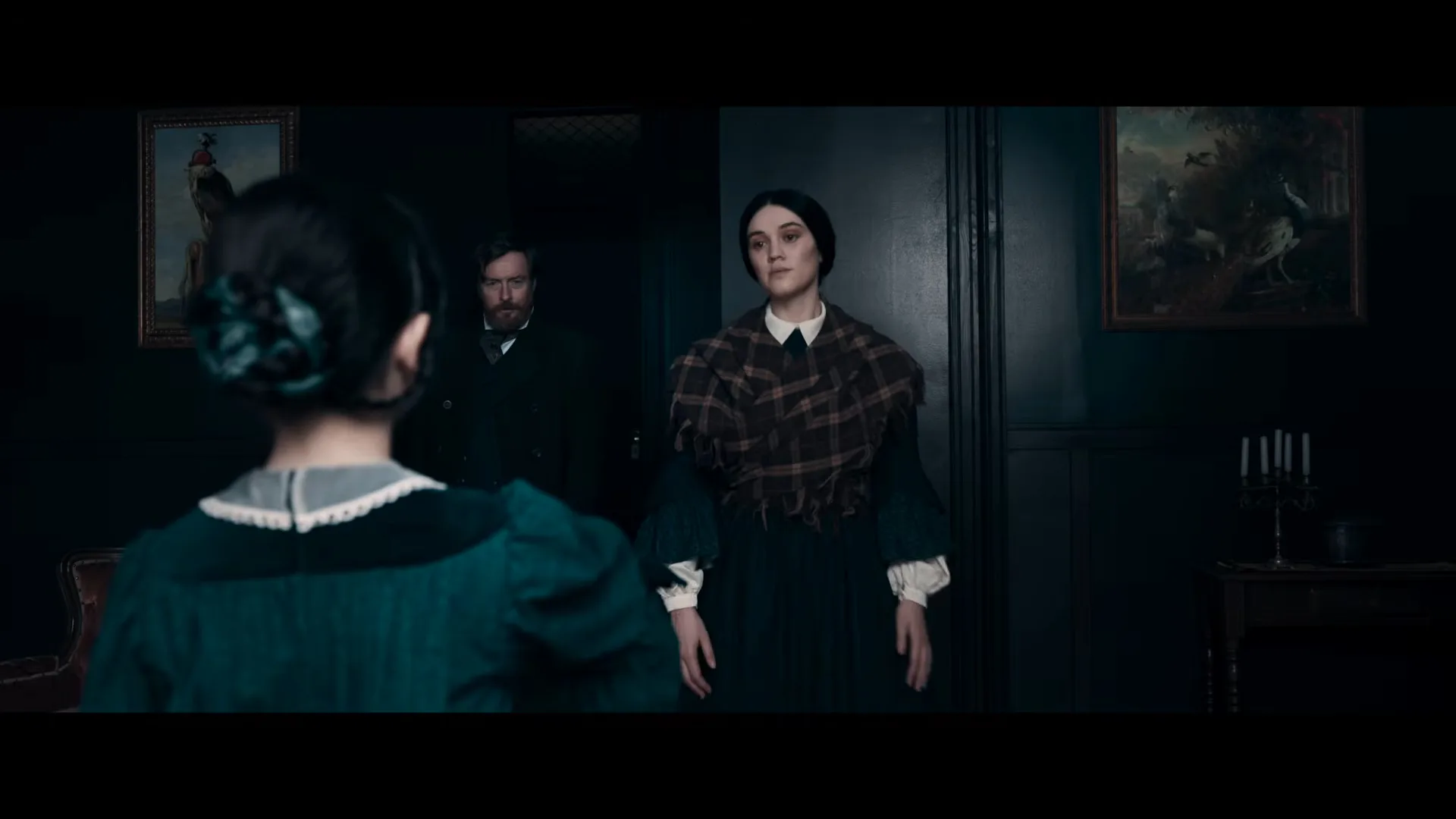
Emilia is therefore not simply Mary’s lost twin. She is the most intimate example of what Nathaniel does throughout the film: remove people and objects from their cultural and familial context, claim authority over them and then insist that possession proves his admiration.
What Do Mary’s Visions Mean?
Mary’s visions are connected to her Matakite ability and to the women in her whakapapa. They initially appear as fragmented horror images, including women who resemble Mary, moments of childbirth and violent deaths. As she learns more about her family, those images become less like random nightmares and more like a form of inherited knowledge.
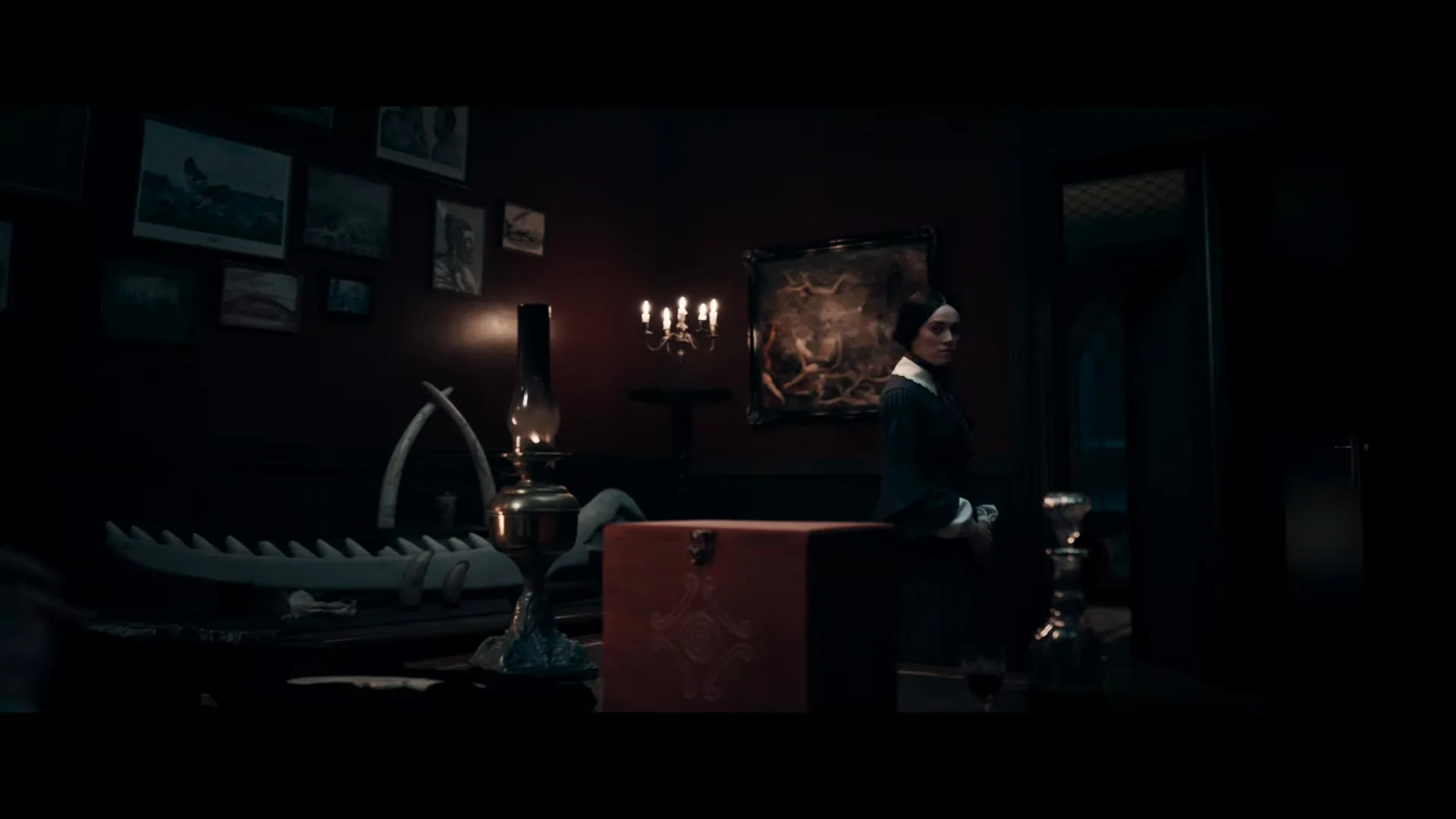
The objects inside Nathaniel’s home matter because many have been separated from the people and histories that gave them meaning. The wharenui in his garden is the clearest example. Mary experiences an immediate physical and spiritual reaction to it because Nathaniel sees a collectible structure where she increasingly recognizes ancestry.
Stappard worked with Māori cultural advisers and also consulted a matakite while developing the screenplay. He has explained that he did not want to create a rigid fictional rulebook for Mary’s abilities, since experiences associated with a seer can differ from person to person. The supernatural element is therefore deliberately personal rather than presented as a mechanical horror power.
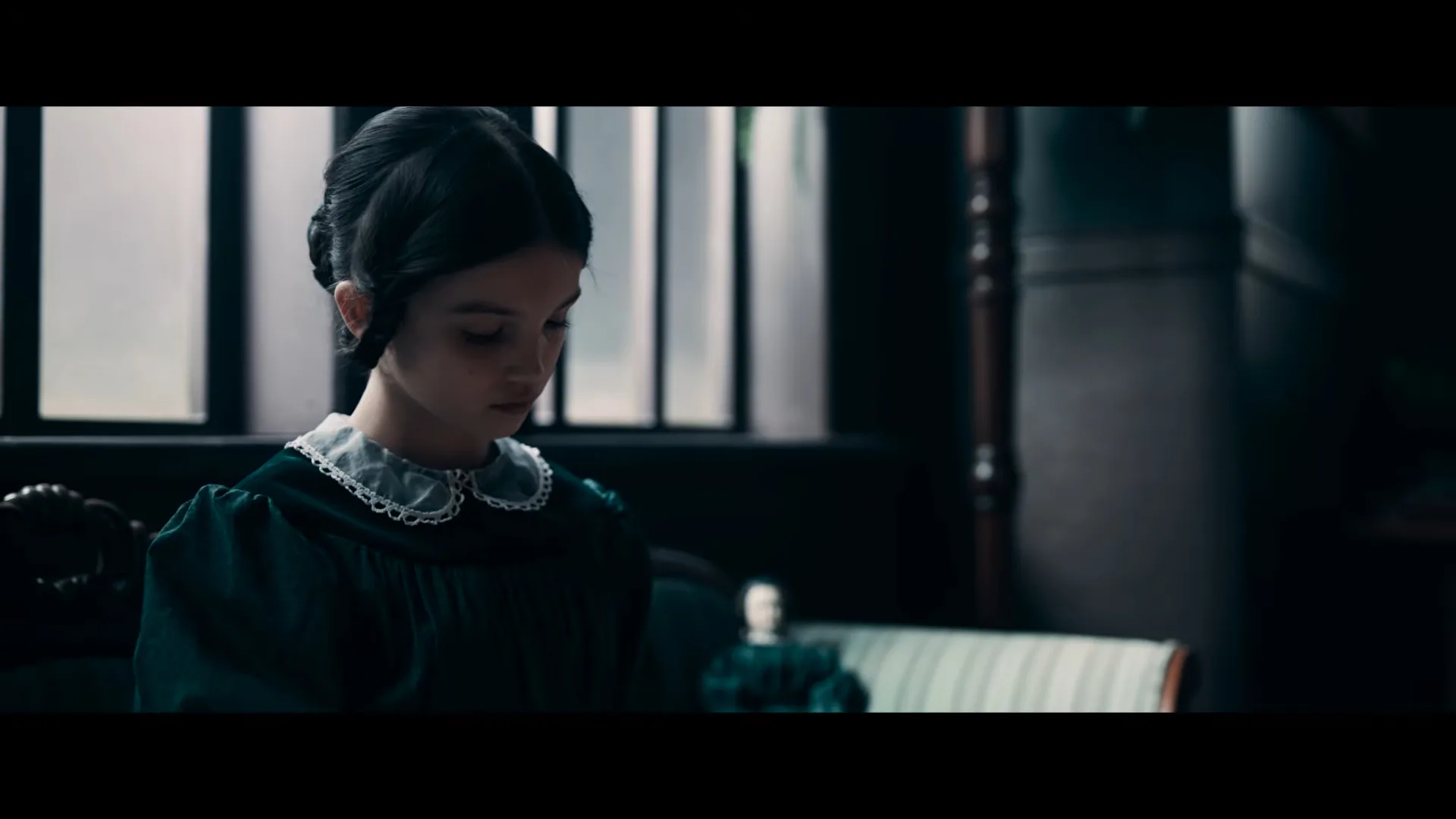
Mary’s transformation into Mārama is tied to that recovery of identity. She begins the story carrying the name given to her by her adoptive family and ends it understanding that her ancestry was not absent. It had been deliberately obscured.
How Does Mārama Kill Nathaniel Cole?
The birthday party is the point at which Mārama stops accepting Nathaniel and Jack’s performance of Māori culture on their terms. Jack’s grotesque imitation turns Māori identity into entertainment for Nathaniel’s wealthy guests, and Mārama answers with her own haka. The sequence is less about impressing the room than reclaiming something that the men around her have repeatedly treated as costume.
The violence that follows is equally deliberate. Nathaniel’s wealth came from whaling, and the film repeatedly associates his appetite for colonial possession with the physical treatment of whales as bodies that can be cut apart for profit. When Mārama finally turns on him, she uses a whaling head spade against him, reversing the imagery that has surrounded Nathaniel throughout the story.
Nathaniel’s last attempt at control is to remind Mārama that he is literally part of her. She cannot erase the fact that he is her biological father. Her response rejects the idea that blood gives him ownership over her identity.
Killing Nathaniel therefore resolves only part of what Mārama has come to England to do. Destroying him matters, but reclaiming the family he tried to possess matters more.
Why Does Anne Become Anahera?
The most hopeful choice in the ending concerns Anne. Mārama does not leave the child behind as another surviving member of the Cole family. She recognizes her as part of her own whakapapa.
She gives Anne the name Anahera and tells the girl that they are sisters. Biologically, the relationship is unusually complicated because Mārama is both Anne’s aunt and half-sister. Emotionally, Mārama chooses the simpler and more protective relationship. She refuses to let Nathaniel define the child through the circumstances of her conception.
That decision also breaks the pattern that shaped Mary and Emilia. The twins were separated from one another and from their Māori family history. Mārama will not allow Anahera to grow up with the same absence.
Where Are Mārama, Peggy and Anahera in the Final Scene?
The epilogue moves the story away from Nathaniel’s England and back to Aotearoa. Mārama survives, returns home and builds a life with Peggy and Anahera. Stappard has confirmed that the sequence takes place years later, and that Mārama’s moko kauae is another visual sign of how completely she has reclaimed the identity that was withheld from her.
The film does not explicitly define Mārama and Peggy’s relationship through dialogue, but Stappard has said that he sees them as a couple. He has also discussed a possible continuation following Mārama, Peggy and Anahera, although those plans should not be treated as a confirmed sequel at this stage.
That final image was almost considerably darker. Stappard originally wrote an ending in which Mārama remained inside the burning wharenui with the remains of her female relatives and died there. A producer challenged the choice, and Stappard eventually rewrote the conclusion so that survival, rather than death, became the final act of resistance.
It is the right distinction for the story. Nathaniel spends Mārama trying to turn Māori people, bodies and culture into things he can collect. The ending denies him the last possession he might have claimed. Mārama walks away with her name, her family and a future that no longer belongs to him.