Is Mārama Based on a True Story? The Real History Behind the Horror Movie
The most disturbing objects inside Nathaniel Cole’s manor are effective because Mārama does not treat colonial history as distant decoration. A Māori meeting house standing in an English garden, human remains turned into collectibles and wealthy Europeans discussing Indigenous culture as though they own it all seem perfectly suited to Gothic horror. Taratoa Stappard arrived…
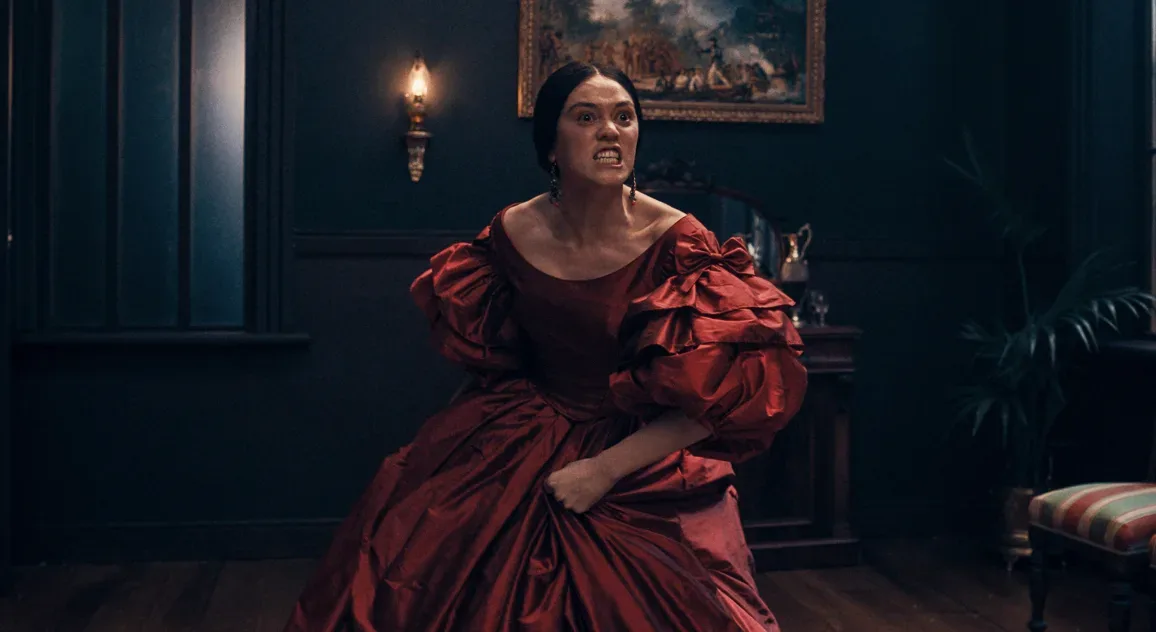
The most disturbing objects inside Nathaniel Cole’s manor are effective because Mārama does not treat colonial history as distant decoration. A Māori meeting house standing in an English garden, human remains turned into collectibles and wealthy Europeans discussing Indigenous culture as though they own it all seem perfectly suited to Gothic horror. Taratoa Stappard arrived at many of those images, however, while researching events and people who existed outside the screenplay.
That makes the history behind Mārama more complicated than a simple “true story” label. Mary Stevens’ journey through Victorian England belongs to fiction, but several of the horrors surrounding her grew from documented colonial practices, real people and Stappard’s own whakapapa.
Also Read: Is Surviving the Silence: The Roxane Gay Story Based on a True Story?
Is Mary Stevens a Real Person?
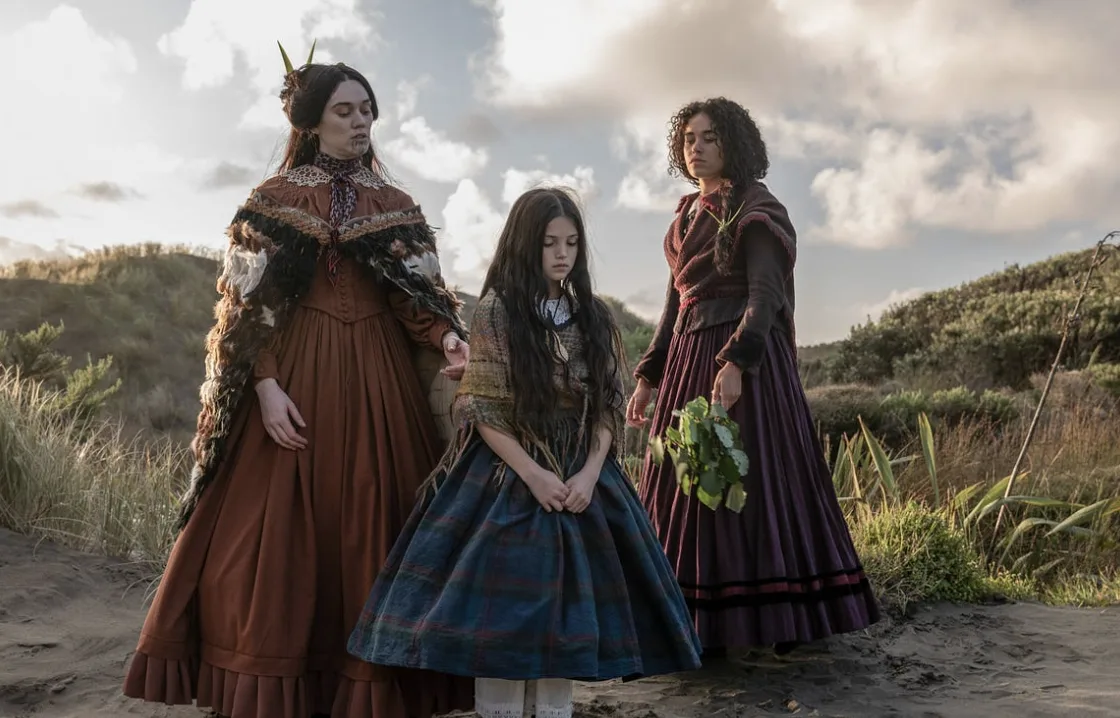
Mary Stevens, also known as Mārama, is a fictional protagonist rather than a recreation of one historical Māori woman. New Zealand’s Classification Office explicitly describes the film as fictional, and neither Stappard nor the production has presented Mary or Nathaniel Cole as direct historical figures.
The film is instead set against a recognizable historical period. Mary arrives in North Yorkshire in 1859, at a time when Britain’s colonial relationship with Aotearoa New Zealand had already dramatically altered Māori land, politics and society. Nathaniel’s background as a whaler and collector allows Stappard to concentrate several forms of colonial exploitation into one Gothic villain.
That distinction is important. Nathaniel Cole should not be read as a hidden biopic of a particular British aristocrat, and Mary’s exact family story is not presented as an archival case. The characters give fictional form to histories Stappard encountered while researching colonisation.
Stappard’s Great-Grandmother Helped Inspire Mārama’s Journey
One of the strongest personal influences came from Stappard’s great-grandmother, Rangiriri. The filmmaker has said that visiting Māoriland Film Festival in Ōtaki and meeting relatives who knew his family led him back to stories he had heard from his mother.
Rangiriri was born in 1880 and had an identical twin sister. According to Stappard, the sisters were expelled from boarding schools after resisting efforts to suppress their language and cultural practices, and their English father eventually disowned them. They later took on moko kauae and became guides. Rangiriri went on to lead a performance group, Princess Rangiriri and Her Nine Māori Maids, which travelled internationally, including to England.
Mary’s story is not Rangiriri’s life transferred to 1859. The connection is more thematic. Stappard became fascinated by the image of a proud Māori woman travelling to the country whose empire had colonised her people and performing in front of European audiences. He inverted that journey into a Gothic revenge story in which a Māori woman travels to Britain and confronts colonial power on its own ground.
The use of twins in Mārama also gains another resonance when placed beside Rangiriri’s history, although the film’s Emilia storyline is wholly different from the life Stappard has described.
Was the Trade in Preserved Māori Heads Real?
The preserved heads in Mārama are rooted in documented history. Toi moko, preserved tattooed Māori heads, became highly sought-after objects among European collectors. During the early 19th century, demand became entangled with the Musket Wars and the growing need for firearms.
Research published by Te Papa records that rangatira became involved in trading toi moko for items including muskets, ammunition and metal goods during the early decades of the 1800s. Many remains eventually entered overseas private and institutional collections, creating repatriation issues that have continued into the modern era.
Stappard has identified another real person as particularly important to the film’s development: Major-General Horatio Gordon Robley. Robley studied tā moko and became an avid collector of preserved Māori heads. Stappard encountered an infamous photograph of Robley sitting in front of rows of them and has said that the image helped convince him that the period drama he was writing was actually a horror film.
Nathaniel is not simply Robley with a different name. Their biographies and periods do not align closely enough for that interpretation. The real photograph instead helped shape the horrifying logic behind Nathaniel, a man who insists that fascination with another culture gives him the right to acquire and control its most sacred things.
Was There Really a Māori Meeting House in an English Estate Garden?
This is another part of Mārama with a striking real-world parallel. Stappard has said the image of a wharenui standing in an English country garden was influenced by Hinemihi, a historic Māori meeting house associated with Clandon Park in Surrey.
Hinemihi’s actual history differs significantly from the stolen wharenui at Nathaniel’s estate. She was built at Te Wairoa in the 1880s and survived the 1886 eruption of Mount Tarawera, sheltering people during the disaster. William Hillier, 4th Earl of Onslow and former Governor of New Zealand, later purchased Hinemihi and had her transported to England in 1892. The National Trust notes that £50 was paid under an agreement, while also acknowledging that it is difficult to know how freely that agreement was made within its colonial setting.
The dates alone show that Nathaniel’s wharenui cannot literally be Hinemihi, since Mārama takes place in 1859, decades before Hinemihi was built. Stappard took the extraordinary visual reality of a Māori meeting house on an English estate and transformed it into a much more openly violent symbol of cultural theft.
That is typical of the film’s relationship with history. It borrows true images and practices without pretending its fictional plot happened exactly as shown.
Are Mary’s Matakite Powers Based on Māori Belief?
Mary’s specific visions are fictional, but Stappard developed that part of the screenplay through consultation rather than inventing a supernatural system from scratch. He has spoken about working with Māori advisers, including a matakite, while trying to ensure that the film’s spiritual elements felt culturally credible.
The film deliberately avoids explaining Mary’s abilities like conventional genre mythology. She experiences knowledge through visions, objects, mirrors and encounters with spaces connected to her whakapapa. The effect is supernatural within the story, but it also works as a dramatic expression of recovering a history that colonial structures attempted to sever.
Stappard has repeatedly described the project as an attempt to understand his own past as well. That personal element is one reason Mārama feels less like historical cosplay and more like a modern filmmaker confronting the material he uncovered during years of research.
The Story Is Fictional, but Its Horror Was Already in the History
Mārama does not dramatize the biography of Mary Stevens because there is no historical Mary Stevens behind Ariāna Osborne’s character. Nathaniel Cole’s exact crimes belong to the screenplay, and the violent revenge at Hawkser Manor was created for the film.
What Stappard found in the historical record required far less invention: human remains collected as trophies, Māori culture packaged for European consumption, Indigenous identity suppressed under colonial institutions and culturally significant objects transported halfway across the world.
That is why calling Mārama simply “based on a true story” would be misleading, while calling it completely invented would miss what makes the film unsettling. Its characters are fictional. Much of the world that made Nathaniel Cole possible was not.