Lanterns VFX Explained: How Its Power Rings and Flight Were Made
Creator and editor interviews explain the production choices behind the rings, flight and visual storytelling in Lanterns.
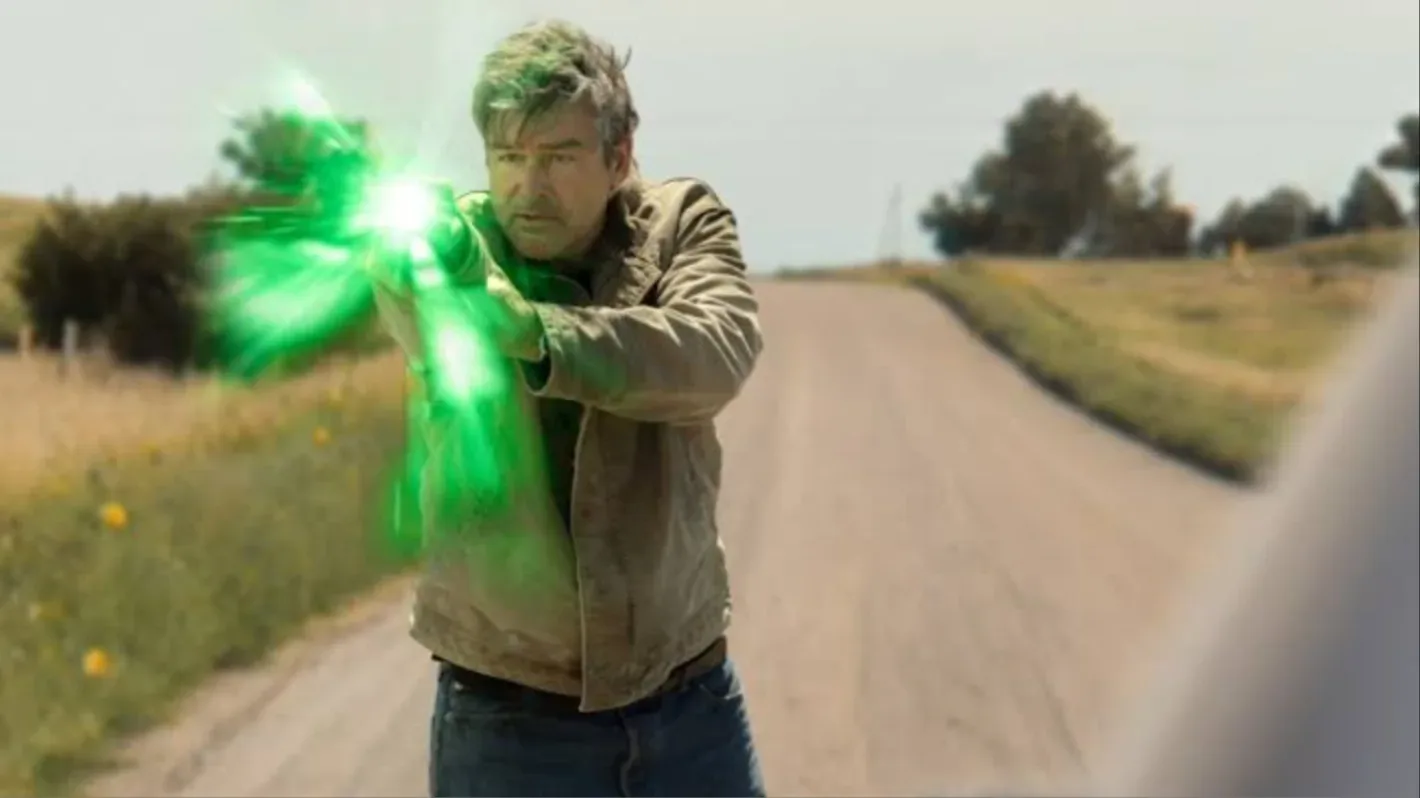
A superhero who can summon objects through a power ring seems made for an extravagant visual showcase. Lanterns has prompted a different conversation, with viewers debating the scale of its green effects and the emphasis on an earthbound story. Production interviews offer a closer look at how the team approached the rings, flight and everyday physical details behind that choice.
Why the rings belong in a grounded world
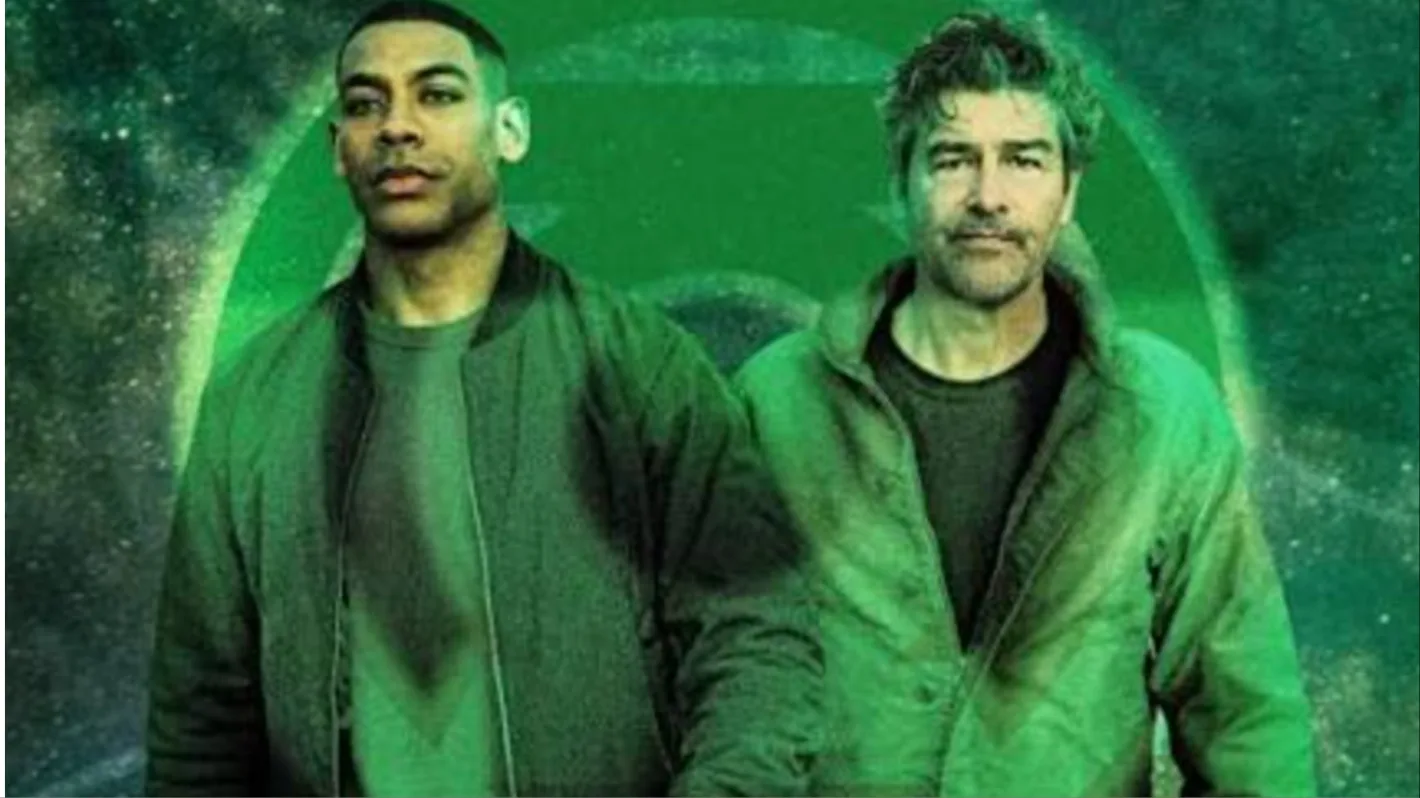
At a pre-premiere media event reported by The Atkin Report, co-creator Tom King explained that extraordinary powers need something ordinary against which to measure them. Nebraska supplied that sense of scale. Chris Mundy described starting with relatively mundane constructs before expanding the show’s visual vocabulary, while Damon Lindelof stressed the human beings wearing the rings. Their approach puts the relationship between veteran Hal Jordan, played by Kyle Chandler, and newcomer John Stewart, played by Aaron Pierre, at the center of the spectacle.
Mundy had also told Entertainment Weekly in May that the show would combine practical locations with episodes containing much heavier effects work. His description of a grounded presentation concerned how the fantasy inhabited its surroundings. A physically filmed location and a digital construct can coexist in the same shot; the creative aim was to make those elements feel like parts of one world.
Also Read: Lanterns Episode 4 Recap and Ending Explained
The constructs reflect their users
In Animation Magazine’s October 2 production interview, Mundy explained that Hal’s conjured money for a jukebox was a way to reveal the person beneath the Green Lantern role. The ring also offered access to John’s individuality. Choosing what somebody creates can communicate character as well as solve an immediate problem, giving a small effect a purpose beyond displaying power.
Lindelof’s explanation of Hal adds another layer: this is an experienced man confronting the prospect of handing over a role he still wants. A story about that tension gives the ring emotional significance before it becomes a spectacular tool. The object represents a responsibility and an identity, both of which are tied to its wearer.
How flight acquired physical rules
Mundy told Animation Magazine that director James Hawes raised flight early in their conversations. The team considered how fast Hal could move and what leaving the planet would imply, then used contrails to make his speed and capability visually understandable. The goal was a convincing presentation of an impossible action. Those trails give the audience a readable indication of movement instead of leaving flight as an abstract flash of green.
That work involved collaboration well before a finished effect appeared. Editor and associate producer Vikash Patel told Bleeding Cool that his experience on Smallville and Snowpiercer helped him work with the visual-effects pipeline. He described conversations involving the editorial team, pre-visualization and post-visualization teams, Mundy and effects supervisor Greg Steele. A cohesive style depended on those departments developing the same scene together.
John’s bird began as a placeholder
Patel gave The Credits a particularly concrete example: when cutting John’s attempt to fly, he initially inserted a title card reading “Bird manifests.” A crude bird and temporary sound followed as the sequence developed. The point was to establish when the creature appeared and how its actions connected with the surrounding shots, before polishing its appearance.
In a separate September 28 interview with Meet Me at Crafty, Patel identified VFX editor Ryan Faulkner as supplying a bird cutout during that early process. Patel wanted effects editors involved from the first passes, rather than waiting for a more settled cut. That order allowed the editor to judge a scene containing an unfinished creature while still tracking the intended story.
The finished bird has a separate narrative question attached to it, explored in FilmiFeed’s explanation of John Stewart’s green bird. Patel’s production account addresses how that presence was made legible during editing. His Smallville experience included using simple shapes to suggest movement before completed effects arrived, a method he could bring to Lanterns when a shot needed a creature that was not yet ready.
Making the freeway chase readable
Patel told The Credits that the episode 2 freeway chase combined practical cars with extensive effects for crashes, John’s movement and the bird. The scene needed to follow both John’s concern for the creature and the threat pursuing him. That creates an editorial task beyond making a power look impressive: the viewer needs to understand what the character is trying to accomplish.
Patel’s Bleeding Cool interview describes another part of that process. Episode 2 changed structure as he and Mundy reviewed the material, moving scenes to establish Hal’s investigation before switching to John. The script supplied the material, but the cut determined how viewers followed the two leads. Effects and scene order therefore served the same practical purpose: keeping the action connected to a character’s objective.