Is Winter (2026) Based on a True Story? Its Balthazar Connection Explained
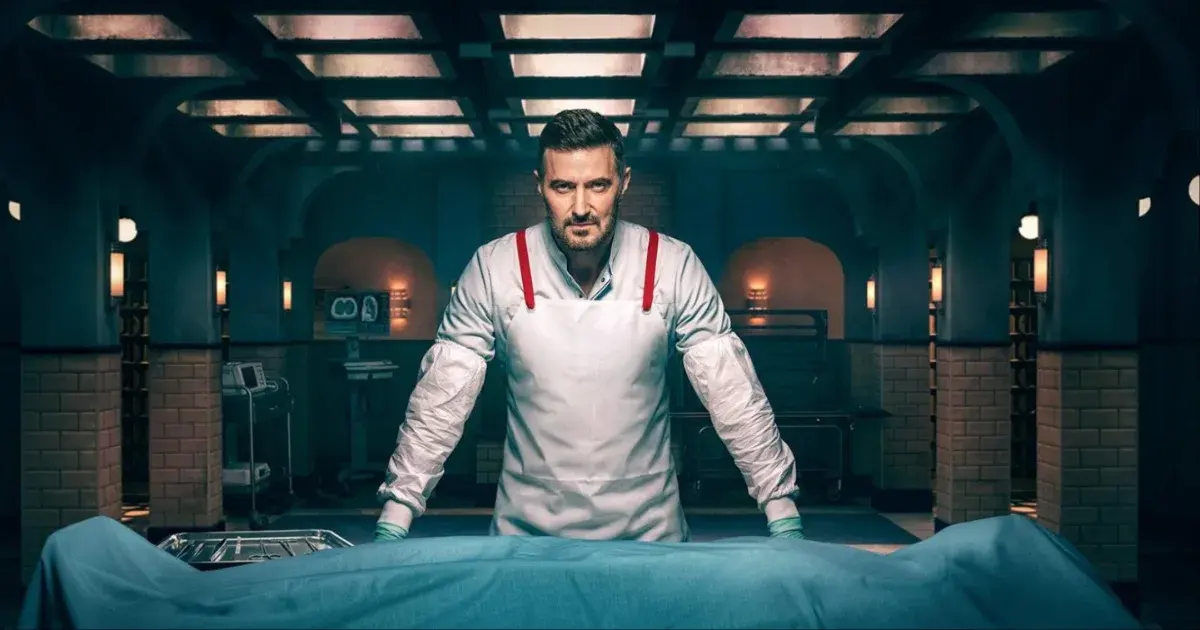
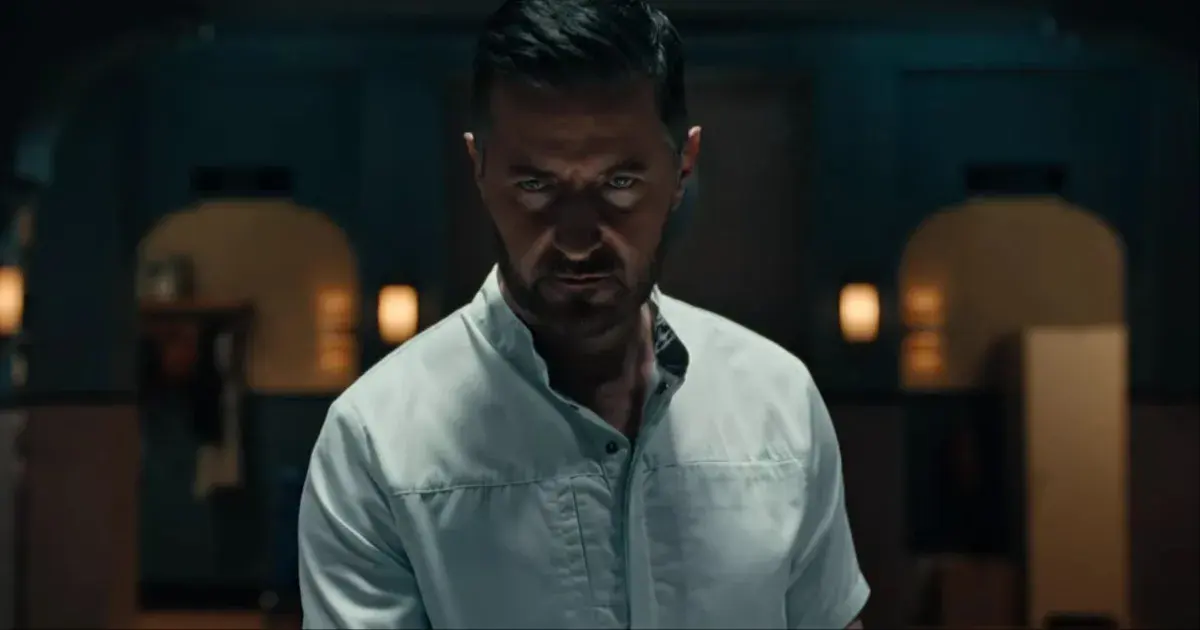
With its detailed pathology scenes and Bristol police setting, Winter is grounded enough to look like a drama that may have been inspired by an unusual real forensic career. Richard Armitage also brings a careful physicality to Ethan Winter’s work that makes the character feel more researched than the average television maverick. The answer, however,…
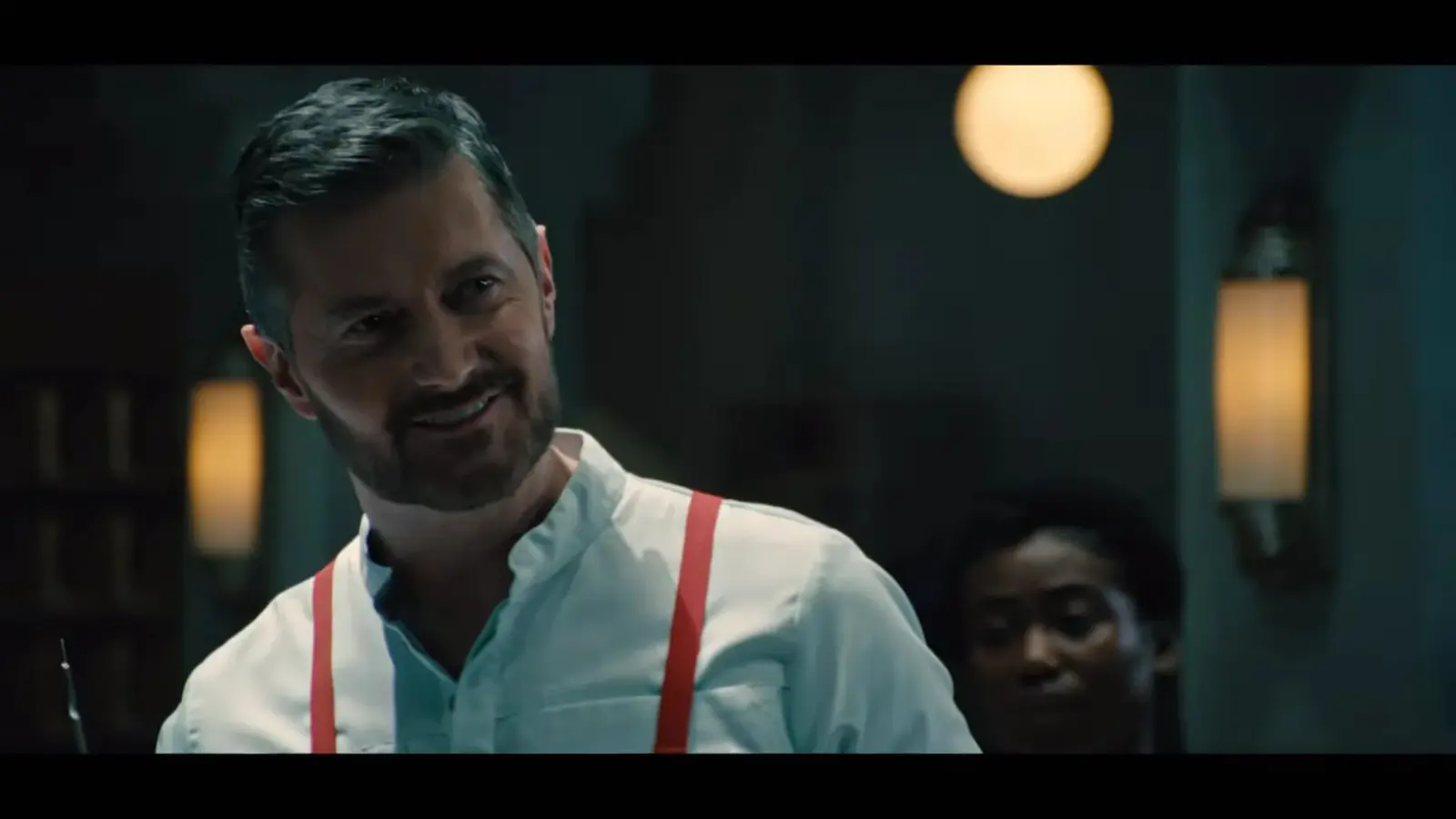
With its detailed pathology scenes and Bristol police setting, Winter is grounded enough to look like a drama that may have been inspired by an unusual real forensic career. Richard Armitage also brings a careful physicality to Ethan Winter’s work that makes the character feel more researched than the average television maverick.
The answer, however, lies in television rather than true crime. Winter is not presented as a dramatization of a real investigation or the biography of an actual pathologist, because the ITV series is a British adaptation of the successful French crime drama Balthazar.
Is Winter based on a true story?
Winter is not based on a true story, and ITV has not presented Ethan Winter as a dramatized version of a real forensic pathologist. The series is adapted from Balthazar, created by Clothilde Jamin and Clelia Constantine, with the British version rebuilding the original premise around a new setting and characters.
The same distinction applies to Simone Edwards and the mystery surrounding her. Ethan’s investigation into what happened to Simone is part of the adapted fictional storyline rather than a recreation of a real Bristol case.
The show’s realism instead comes from professional research and production detail. Winter takes a fictional television premise and grounds it with recognizable police procedures, forensic terminology and a more naturalistic British setting.
Also Read: Will There Be Winter Season 2? Renewal Status and What the Finale Sets Up
What is Balthazar?
Balthazar is a French forensic crime drama centered on Raphael Balthazar, played by Tomer Sisley. Like Ethan, Raphael is an exceptionally talented forensic specialist whose confidence, unconventional behavior and willingness to ignore boundaries repeatedly frustrate the police officers around him.
His original investigative partner is police commander Helene Bach, played by Helene de Fougerolles. The original series ran for five seasons and 38 episodes, giving Winter a substantial amount of source material to draw from if the British version continues.
The basic structure will therefore feel familiar to anyone who has seen both shows. A charismatic forensic specialist notices details others overlook, clashes with a more disciplined police investigator and carries an unresolved personal tragedy beneath the weekly cases.
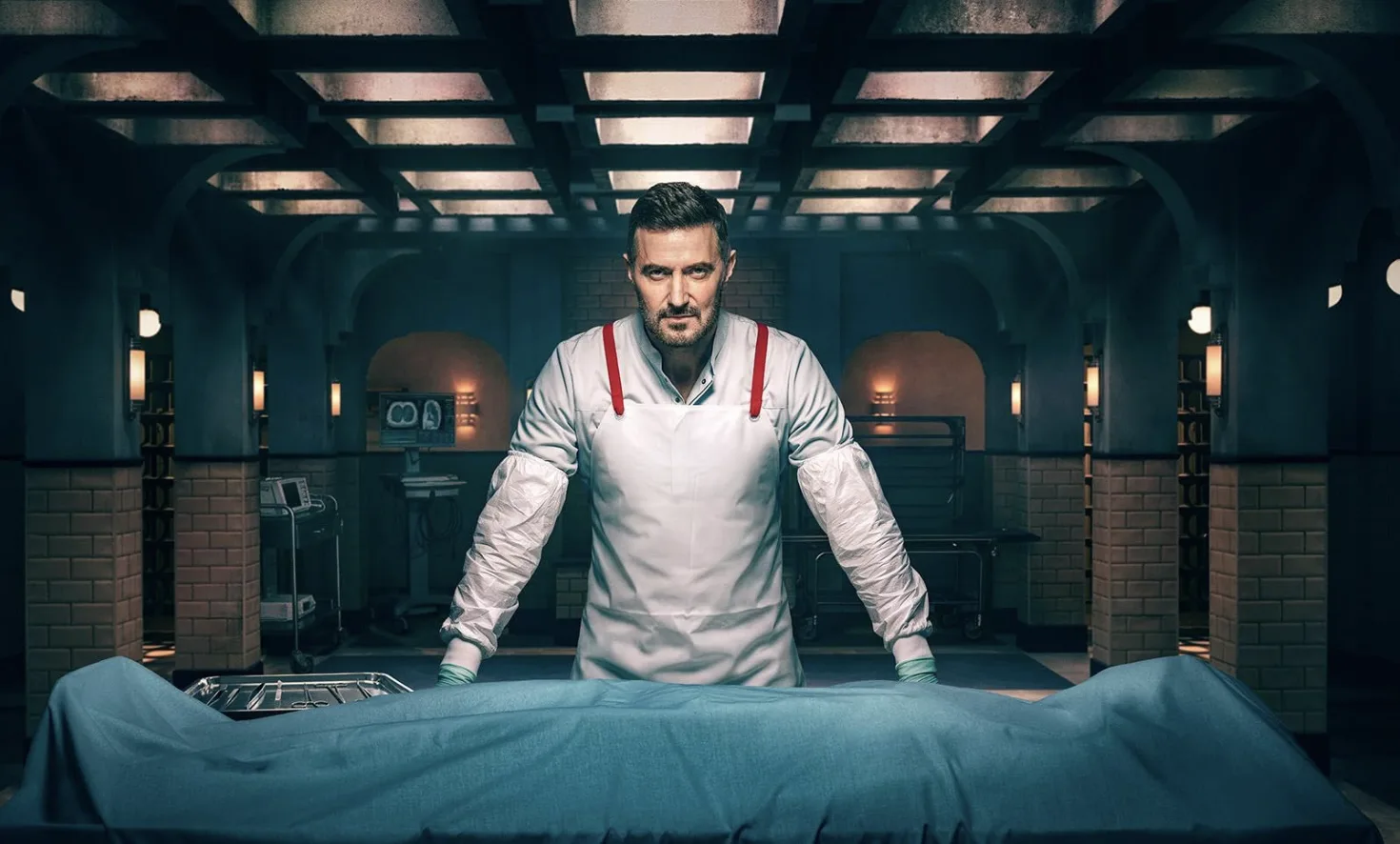
Winter nevertheless does more than replace French locations with British ones. The adaptation changes names, relationships, settings and individual details while preserving the central dramatic engine that made Balthazar work.
Ethan Winter is the British counterpart to Raphael Balthazar
Ethan occupies the narrative position held by Raphael in the original series, while Lauren Bell fills the central police-partner role associated initially with Helene Bach. There are obvious similarities between the two forensic doctors, but the British version does not simply reproduce Raphael with a different accent.
Both characters are highly talented, resistant to rules and unusually comfortable speaking to the people on their examination tables as part of their thinking process. Both shows also place that instinctive forensic intelligence against a more conventional police investigation.
The British adaptation preserves the emotional wound at the center of the original character as well. In Balthazar, Raphael remains haunted by the unresolved case involving his wife, Lise, while Winter rebuilds that idea around Simone Edwards, Ethan’s fiancee and a photojournalist whose case continues to dominate his life.
The function of the storyline is similar, but the British version changes its details. Richard Armitage has also said he deliberately avoided turning his performance into an imitation of Tomer Sisley’s Raphael because he did not want the original actor’s choices determining his own interpretation of Ethan.
That decision helps Winter function as an adaptation rather than an impersonation. Viewers familiar with Balthazar can recognize the framework without feeling that they are watching the same performance reproduced scene by scene.
Does Winter use the same cases as Balthazar?
Viewers familiar with Balthazar may recognize elements of several Winter investigations. The British series adapts and rearranges story ideas rather than reproducing every episode exactly, which means some cases share clear foundations while changing characters and circumstances.
One obvious example comes in Winter’s opening episode, which begins with the discovery of a frozen young woman inside a truck. Balthazar also features an early investigation involving a frozen body discovered in a truck, making the connection between the two versions relatively easy to recognize.
Another original Balthazar investigation revolves around a man living under a false identity after extensive facial surgery. That premise has recognizable similarities to material used during Winter’s early run, even though the British version changes how the story is presented.
The French first-season finale also begins with what initially appears to be a road-accident case before the investigation reveals that the circumstances are more complicated. Winter uses comparable investigative ideas while changing names, settings and surrounding details.
Those parallels are another reason the series should not be described as a true-story drama. Its major case structures have a clear fictional television source, even when Winter reworks them enough to function independently.
Simone’s mystery also comes from Balthazar’s story DNA
The connection between the two shows becomes even clearer when looking beyond the weekly cases. Raphael’s search for answers about Lise continues throughout Balthazar rather than being solved immediately, allowing his personal investigation to run beneath the standalone cases.
Winter gives Ethan a similar long-form emotional mystery with Simone. Robert Parker begins the British series as the man convicted in connection with her death, but Ethan gradually realizes that the evidence does not comfortably fit that conclusion.
The repeated triangle mark eventually connects Simone to Philip Jensen and Rosemary Lockheart. Season 1 then ends with Ethan and Lauren discovering photographs inside Wharf Jewellers and finally connecting Simone’s mysterious final word, “Pegasus,” to one of her images.
The details are different, but the storytelling architecture is recognizable. Each episode can deliver a separate investigation while the forensic specialist’s unresolved personal mystery continues beneath the surface and gradually becomes more important.
That structure also explains why Winter’s finale does not solve Simone’s case. The adaptation is using the personal mystery as an ongoing thread rather than treating it as a six-episode puzzle that must be completely resolved in the first season.
Richard Armitage used real forensic research
Although Ethan Winter is fictional, Richard Armitage researched genuine forensic pathology before filming. He read work connected to retired forensic pathologist Dr Richard Shepherd and spent time learning about the professional environment Ethan would occupy.
Armitage has also discussed visiting a forensic consultant in a real laboratory setting and studying the importance of treating the person being examined with dignity. That research helps explain why Ethan repeatedly presents his job as something more emotionally complicated than simply identifying a technical cause.
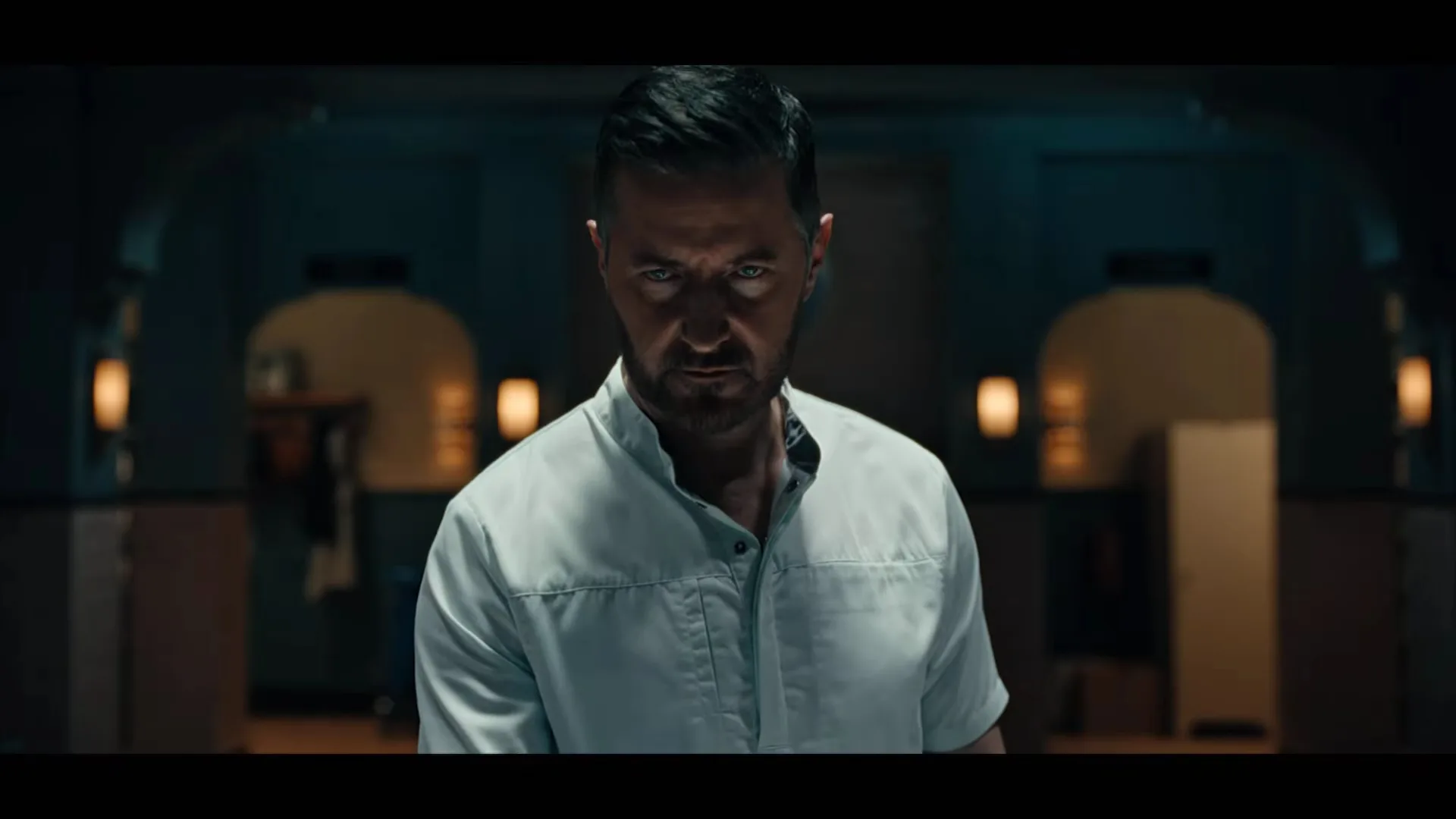
He does not view the people who arrive in his laboratory only as puzzles. Ethan repeatedly talks about giving families answers and treating the person on the table as someone whose story still deserves to be understood, which separates him from the colder television stereotype of a forensic genius interested only in solving cases.
Armitage also approached the medical vocabulary almost like learning another language because Ethan is supposed to have spent decades working in the profession. The result is a character rooted in fictional television but informed by real professional practices.
Winter is therefore not based on real events, but it is not completely detached from reality either. The cases and characters are fictional, while the texture of Ethan’s work comes partly from genuine forensic research.
How different is Winter from Balthazar?
The best way to describe Winter is as a British reworking rather than a scene-by-scene remake. The setting moves to Bristol, Raphael becomes Ethan, the police-partner role is rebuilt around Lauren, and Lise’s personal mystery becomes Simone’s story.
Individual investigations are also rearranged and adapted. Winter develops its own visual identity through Ethan’s unusual isolated laboratory, its mixture of Bristol and Belgian filming locations, and Armitage’s decision not to base his performance directly on Sisley’s version.
That gives the British series a useful balance. Fans of Balthazar can recognize the underlying DNA, but knowing the French series does not necessarily reveal exactly how every Winter episode will unfold.
Viewers who have never watched Balthazar do not need any prior knowledge either. Winter works as its own crime drama, even though the foundations of Ethan Winter’s world can be traced directly back to Raphael Balthazar.