Is the Dead City Season 3 Episode 6 Alternate Reality Real? Genesis Explained
Dead City Season 3 Episode 6 does show an alternate reality, but there is currently no indication that Maggie physically travels into another universe, dreams the episode, or discovers an actual Walking Dead multiverse. Genesis is a deliberate what-if story imagining what Maggie and Negan’s lives could have looked like if the zombie apocalypse had…

Dead City Season 3 Episode 6 does show an alternate reality, but there is currently no indication that Maggie physically travels into another universe, dreams the episode, or discovers an actual Walking Dead multiverse. Genesis is a deliberate what-if story imagining what Maggie and Negan’s lives could have looked like if the zombie apocalypse had never happened. The show’s own post-episode discussion makes the premise explicit: without the outbreak, Negan never kills Glenn, allowing the writers to ask what Maggie and Negan might have become to one another if their first meeting had not been defined by Glenn’s murder.
That distinction matters because Genesis contains plenty of deliberately strange ideas about fate, alternate lives and karmic connections. They are being used to examine the characters, not to announce a new supernatural mythology for The Walking Dead.
Why Does Episode 6 Suddenly Change Reality?
The alternate life grows directly out of Maggie and Negan’s Episode 5 conversation. During their rare relaxed night together, the two acknowledge that under completely different circumstances they might actually have been friends. Genesis takes that thought literally.
The episode begins by returning to the phrase another life and then replaces post-apocalyptic Manhattan with a functioning New York at Christmas. AMC promoted Genesis beforehand specifically as an alternate reality where the outbreak never occurred, making this a planned character experiment rather than an unexplained hallucination.
How Is Beth Greene Alive?
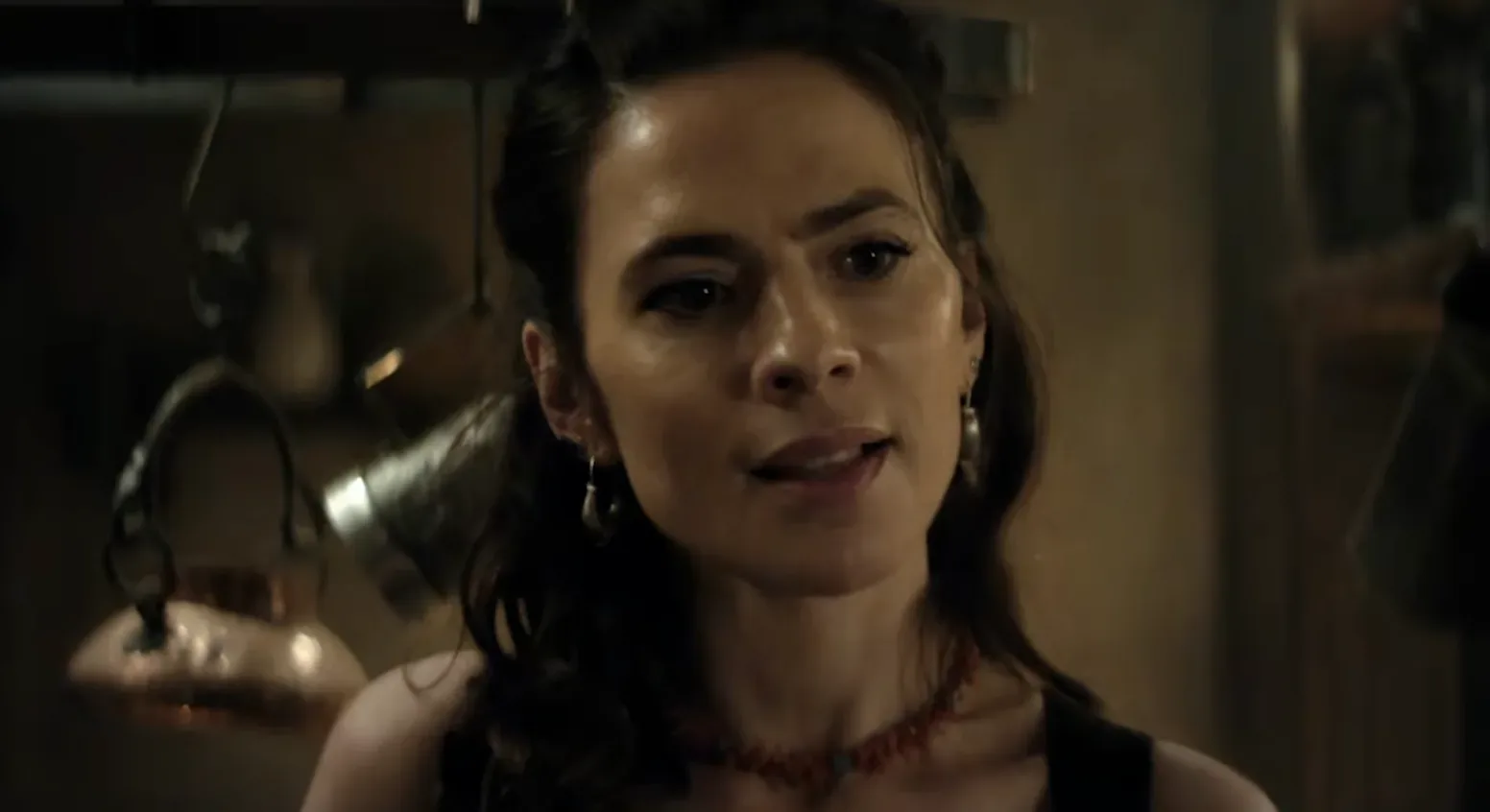
Beth is alive because the alternate reality removes the apocalypse that eventually caused her death. Emily Kinney returns as an adult Beth who moved away from Georgia, lives in New York and has pursued the singing career the original series repeatedly hinted she might enjoy. The real Beth has not been resurrected.
Beth died in The Walking Dead Season 5 after being shot at Grady Memorial Hospital, and nothing in Genesis reverses that event in the main continuity. The behind-the-scenes material specifically talks about being able to undo that loss temporarily and imagine what Beth’s life could have been if it had never happened.
Kinney’s return therefore works because Genesis has removed the chain of events that killed her rather than finding some implausible way to explain how Beth survived a gunshot viewers clearly saw years ago.
Related: Dead City Episode 5 Ends With Negan Killing Fabian and Daring Renata to Stop Him
Why Doesn’t Maggie Know Glenn?
Glenn is presumably alive somewhere in this version of the world, but Maggie has no reason to know him. Their relationship began because of the zombie apocalypse, when Glenn and the Atlanta survivors reached the Greene farm. Remove the outbreak and the event that brings Glenn and Maggie together disappears as well.
The producers make the first half of that equation explicit by noting that the alternate world means Negan never killed Glenn. Genesis does not show Glenn or reveal what his non-apocalyptic life looks like, so anything beyond that would be speculation.
Instead, Maggie has married Danny, a relationship already falling apart when she visits Beth. She also has no children, meaning Hershel Rhee does not exist in this version of her life.
Are Maggie and Negan Destined to Find Each Other?
Genesis deliberately plays with that possibility without confirming literal destiny. A fortune teller tells the pair that Maggie is experiencing a karmic cycle and that she has met someone important, later describing relationships that repeat until the people involved learn what they need from each other. The episode then spends the rest of its time demonstrating exactly that idea.
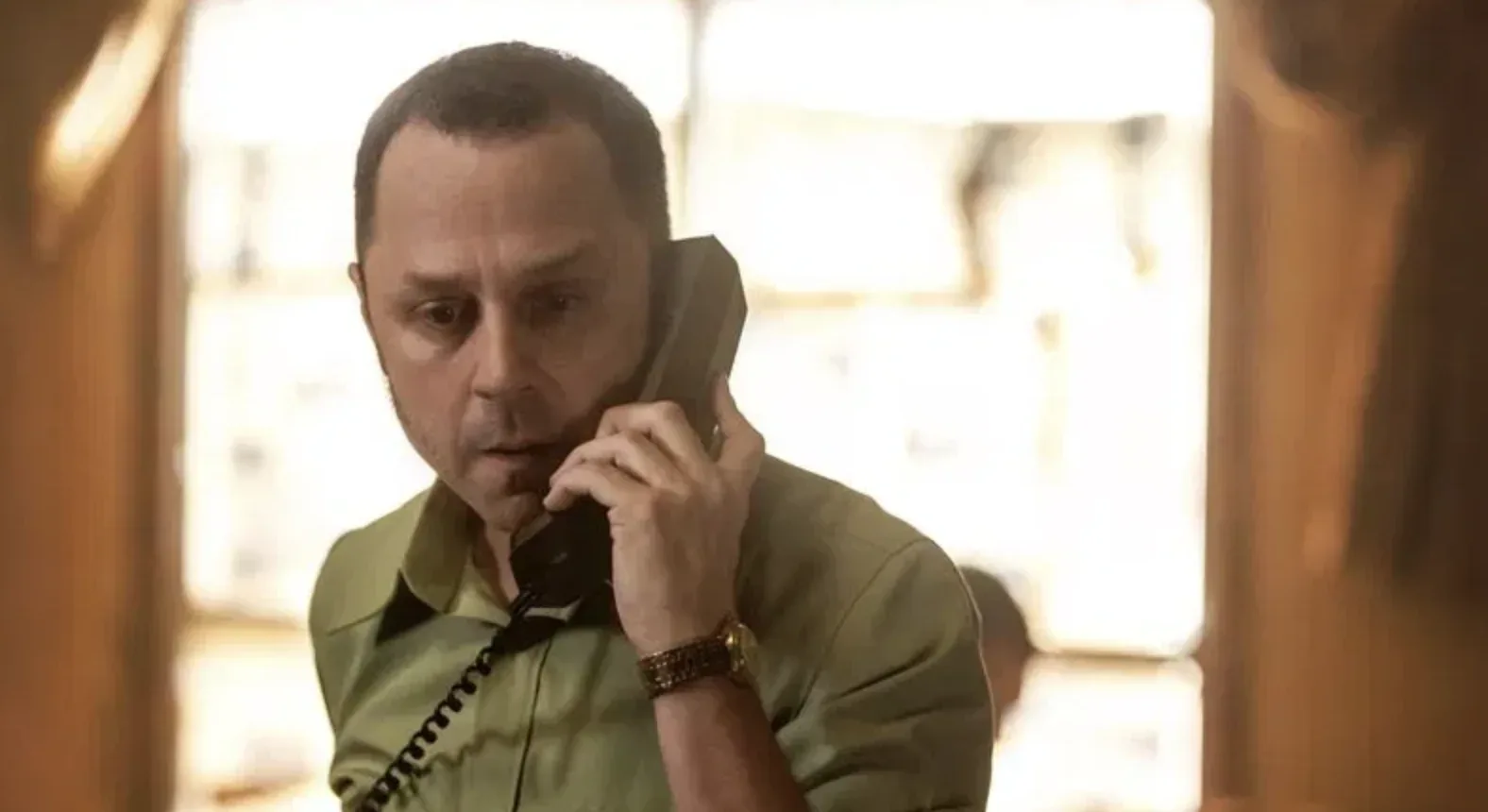
Negan pushes Maggie to stop sacrificing her life for expectations inherited from her family. Maggie stops Negan from destroying his future over Alan and later encourages him to reconnect with Joshua, telling him that his son is not better off without him.
Their connection is not necessarily romantic. The post-episode discussion instead describes them as an unlikely partnership in which each person helps the other make better decisions, something that also explains why the real Maggie and Negan remain connected despite everything between them.
Why Does the Alternate Reality Still End Violently?
Genesis refuses to pretend that eliminating the apocalypse would automatically create completely different people. Maggie still struggles to let go of the Greene farm even after deciding she wants another life, while Negan still has an instinct to answer certain forms of cruelty with violence. The ending makes that point brutally.
After Maggie seemingly convinces Negan to leave Alan alone, Negan reconnects with Joshua. Yet when he encounters Alan again, a gunshot follows, strongly implying that Negan ultimately returns to the violent choice he had planned all along.
The episode then immediately returns to reality with Hershel telling Maggie that Negan has shot Fabian and attacked Dillard. Different world, different victim, but essentially the same dangerous instinct.
Genesis therefore is not saying that Maggie and Negan are cosmically destined to repeat every event. It is asking how much of a person comes from circumstances and how much remains even when those circumstances completely change.