Is The Blame Based on a True Story? The ITV Series and Charlotte Langley’s Book Explained
The source material for the ITV drama is Charlotte Langley’s debut crime novel The Blame, published by No Exit Press. The book follows detective Erin Crane and her partner Tom Radley as they investigate the case of 16-year-old Sophie Madson. The central hook will immediately sound familiar to viewers. Erin and Tom have developed a…
The source material for the ITV drama is Charlotte Langley’s debut crime novel The Blame, published by No Exit Press. The book follows detective Erin Crane and her partner Tom Radley as they investigate the case of 16-year-old Sophie Madson.
The central hook will immediately sound familiar to viewers. Erin and Tom have developed a close professional relationship, but their trust begins to collapse after evidence shows Sophie entering Tom’s car shortly before she disappears. The investigation gradually forces Erin to examine not only Tom but the culture of the police force around her.
ITV commissioned the book as a six-part adaptation from Quay Street Productions, the company behind dramas including Fool Me Once and Missing You. Megan Gallagher developed the novel for television and served as lead writer and executive producer, with Ashley Sanders and Namsi Khan also writing episodes.
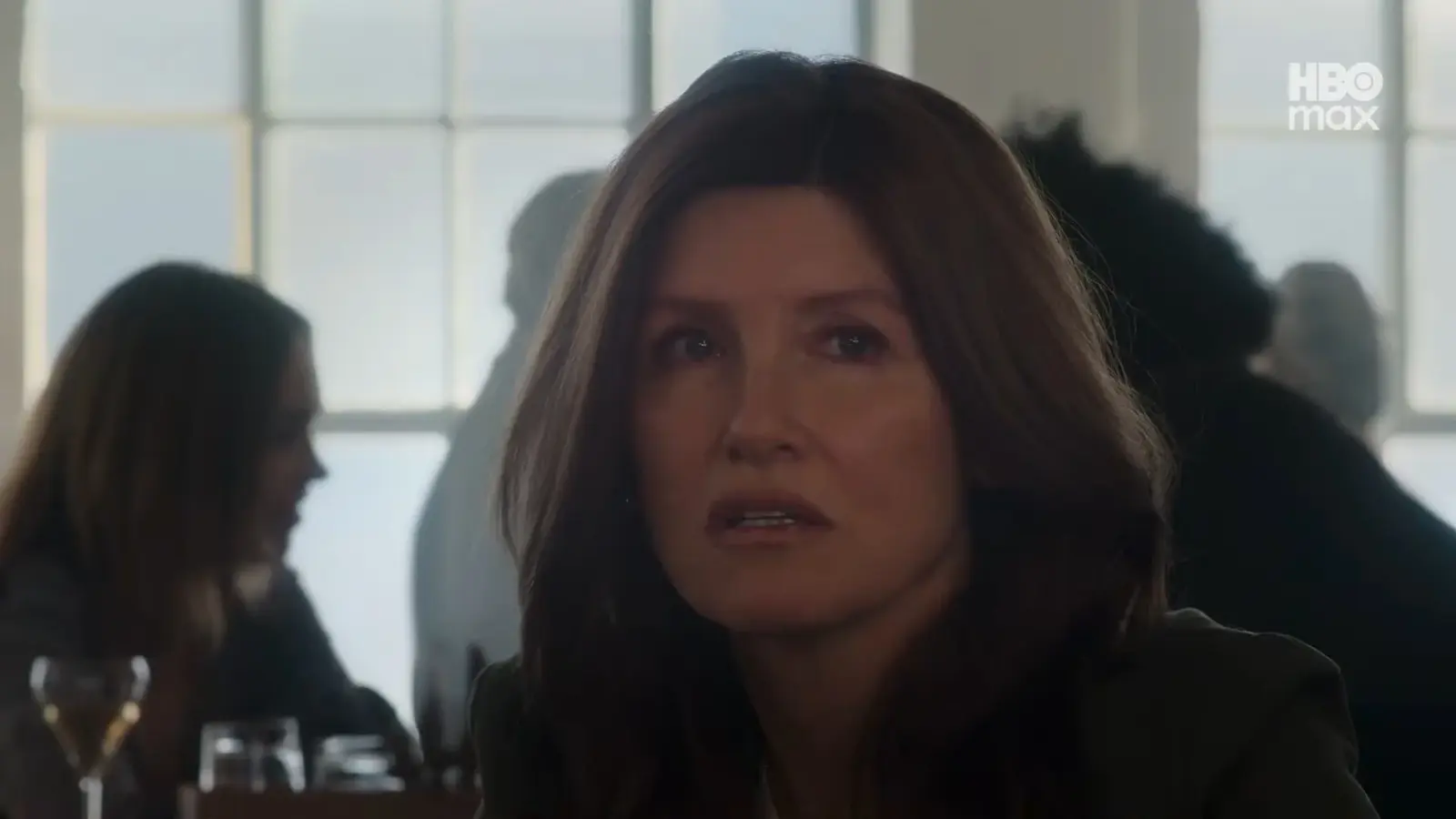
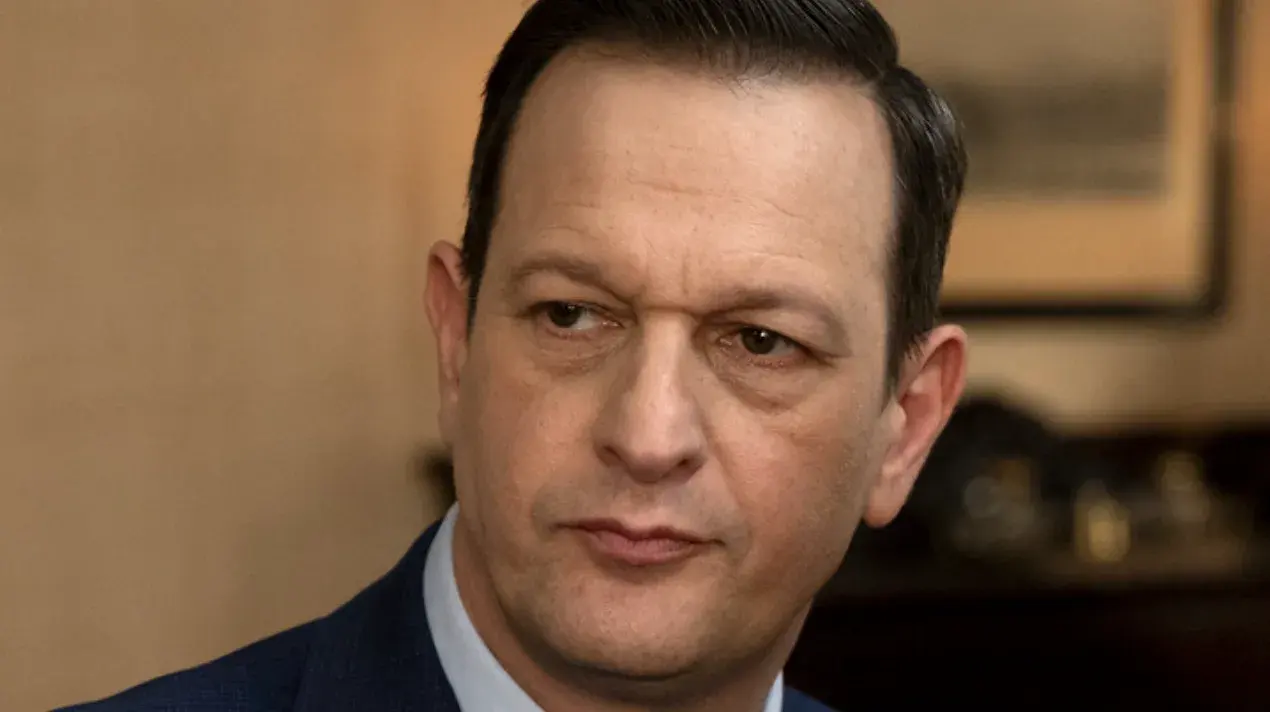
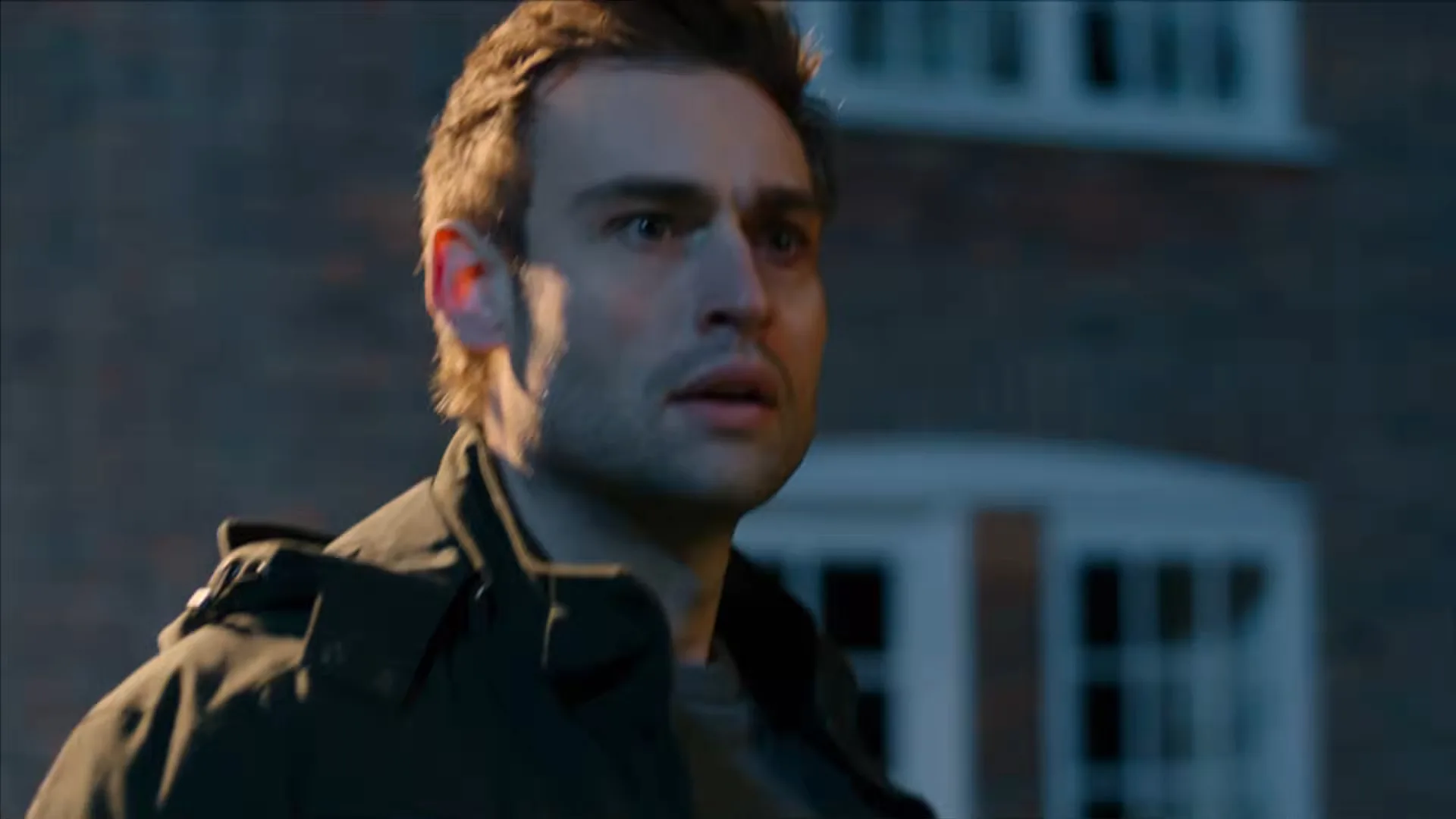
The adaptation makes some noticeable changes. Most obviously, Langley’s Erin Crane becomes Emma Crane in the ITV series, played by Michelle Keegan. Douglas Booth plays Tom Radley, while the television version expands the world of Wakestead through its supporting officers and the investigation surrounding Sophie.
The series is therefore not a recreation of a factual investigation. Its characters and central mystery originate in Langley’s fictional story.
Related: The Blame Season 1 Recap: What Happened to Sophie Madsen?
Charlotte Langley Drew on Real Concerns About Policing
Although the plot is fictional, Langley has been clear that the issues behind The Blame were influenced by events taking place in the real world while she was writing.
In a 2024 interview with Crime Time, Langley said she was interested in themes including male privilege, misconduct and abuses of power. She explained that much of the novel was written between 2018 and 2021, a period when public scrutiny of police culture and the treatment of women became increasingly intense.
Langley also said that high-profile controversies involving British policing had a significant impact on her thinking. Rather than adapting one particular case, she used those wider concerns to shape the fictional institution of Wakestead Police and the attitudes Emma gradually begins to question.
That distinction is important. Sophie Madsen is not a disguised version of a known real person, and Tom Radley’s story is not presented as the account of a particular officer. The Blame instead takes recognizable institutional problems and builds an original thriller around them.
Some Material in the ITV Series Comes From Real Police Messages
The television adaptation makes the connection with reality even more direct in one specific area.
Michelle Keegan and Douglas Booth confirmed in an interview with Radio Times that messages shown in the officers’ group chat were taken from genuine messages involving real police officers. Booth noted that the language was so extreme that it might have seemed exaggerated if a television writer had simply invented it.
The decision helps explain why some scenes in The Blame can feel less like conventional crime-drama dialogue and more like something taken from a news investigation. The central Sophie story remains fictional, but the writers used authentic material to reinforce the wider themes surrounding workplace culture.
Keegan also had a personal source of insight into police life. Her father previously worked as a police inspector, and she said she spoke with him about attitudes and workplace culture while preparing to play Emma. The production additionally worked with police adviser Lisa Farrand, who has also advised other major British dramas.
Is Wakestead a Real Town?
Wakestead is fictional as well. Both Langley’s books and the ITV adaptation use it as the setting for the police force at the center of the story.
The television production filmed in and around London and other locations to create Wakestead on screen, but viewers will not find a real Wakestead Police Station connected to Sophie’s investigation. Creating a fictional force gives the story room to examine institutional problems without presenting the drama as an account of one specific real police organization.
Langley uses Wakestead again in her later fiction, meaning it functions as a recurring fictional world rather than a disguised real location.
How Much of The Blame Comes From the Book?
The basic foundation comes directly from Langley’s novel. A teenage girl’s case, the partnership between Crane and Radley, evidence connecting Tom to Sophie and the growing suspicion surrounding Wakestead are all central to the original story.
The television adaptation is not simply the novel transferred scene by scene, however. Gallagher and the writing team reshaped characters and details for six episodes, including changing Erin Crane’s first name to Emma.
That is common for television adaptations, especially when a novel’s internal thoughts and investigative detail have to be turned into visual drama. ITV has described Gallagher as the writer who developed Langley’s world and characters for television rather than suggesting that the show is a documentary-style recreation.
Is Emma Crane Based on a Real Detective?
There is no indication that Emma Crane is based on one identifiable detective. Her book counterpart, Erin Crane, was created by Langley as the central character of a fictional police thriller.
Langley did research how detectives work. She has said that she used documentaries, online research and conversations or insights from detectives to understand how investigations might operate and how close relationships can form between colleagues working in demanding environments.
Those details give Crane’s world a sense of authenticity without making her a real person. Michelle Keegan’s performance adds another layer through the research conducted for the ITV production, but Emma remains a fictional character.
The Blame Is Fiction With Real-World Influences
The simplest answer is that The Blame is not a true story, even though it deliberately reflects real issues. Sophie Madsen’s investigation, Emma and Tom’s relationship and the secrets surrounding Wakestead come from Charlotte Langley’s fictional crime novel.
What makes the drama feel so current is the material surrounding that mystery. Langley’s concerns about police culture were informed by real public debates, and the television production went a step further by incorporating genuine examples of officer group-chat messages.
The result is a fictional thriller built around issues that are very real. Viewers should not treat Sophie Madsen’s story as a forgotten factual case, but the questions The Blame raises about trust, accountability and institutional culture were never intended to feel entirely imaginary.