Is Mousetrap Based on a True Story? The Field Mouse Webtoon and Korean Folktale Explained
Netflix’s Mousetrap is not based on a true crime case or real person. Its direct source is Ludvico’s Korean webtoon Field Mouse, while the disturbing idea underneath the story comes from an old Korean folktale about a field mouse that eats a person’s discarded fingernail clippings, assumes that person’s appearance and takes over their life.…

Netflix’s Mousetrap is not based on a true crime case or real person. Its direct source is Ludvico’s Korean webtoon Field Mouse, while the disturbing idea underneath the story comes from an old Korean folktale about a field mouse that eats a person’s discarded fingernail clippings, assumes that person’s appearance and takes over their life. Director Kim Hong-sun has directly identified that traditional tale as the inspiration behind the thriller. The Netflix series turns the supernatural identity-stealing premise into a modern story about a man who suddenly discovers that someone else has effectively become him.
What Is Mousetrap Actually Based On?
The immediate source for Mousetrap is the Kakao webtoon Field Mouse, written and illustrated by Ludvico. Kakao categorizes the completed webtoon as horror and thriller, while Netflix and Kakao Entertainment both credit it as the material adapted for the series. The screen version is directed by Kim Hong-sun and written by Lee Jae-gon.
The distinction between the webtoon and the folktale is useful because the Netflix series is not simply a direct dramatization of an ancient story. Ludvico developed a modern thriller around the basic idea of a person being replaced, and the television adaptation then reshapes that material again. Mousetrap therefore has two creative layers behind it: a contemporary webtoon as its direct source and Korean folklore as the older idea beneath the premise.
Also Read: Is The Last Sunrise Based on a True Story?
What Is the Korean Folktale About the Fingernail-Eating Mouse?
The folktale centers on a frighteningly simple warning about carelessly discarded nail clippings. A field mouse eats a person’s fingernails and subsequently transforms into that person’s exact likeness. The impostor can then enter the victim’s home and become so convincing that even people close to the original person accept the mouse as the real one.

That basic idea makes the story a surprisingly natural foundation for a modern identity-theft thriller. Instead of merely losing money or passwords, the victim faces the more disturbing possibility that society will accept another person as the authentic version of him. Mousetrap takes that fear and moves it into a world where identity depends on phones, financial accounts, fingerprints, records and other systems that can suddenly stop recognizing their supposed owner.
How Does the Netflix Series Change the Folktale?
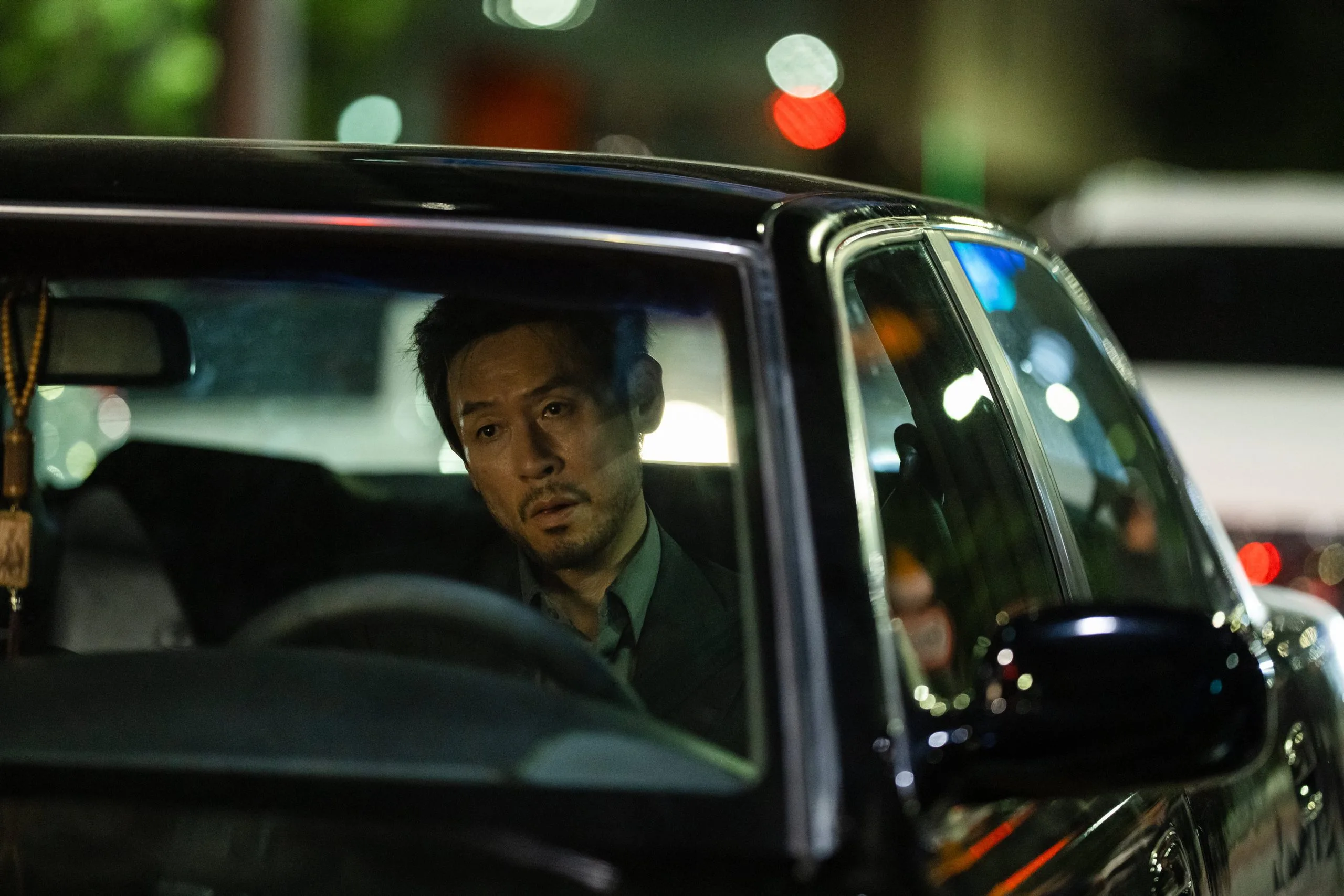
The biggest change is that Mousetrap expands the simple replacement story into a prolonged investigation and chase. Ryu Jun-yeol plays Moon-jae, a reclusive novelist whose isolated lifestyle makes him especially vulnerable when his identity begins disappearing around him. Someone known as “The Rat” has taken his name, face and financial life, leaving Moon-jae in the bizarre position of having to prove that he is himself.
Director Kim Hong-sun has said that tracking down the Rat was made central to distinguish the series from other stories about stolen identities. Moon-jae consequently becomes entangled with No-ja, the ruthless loan shark played by Sul Kyung-gu, while Lee Kyoo-hyung plays detective Sun-yong. What began in folklore as a terrifying domestic replacement becomes a crime-thriller pursuit built around the question of who society considers real.
Are Moon-jae and The Rat Real People?
No evidence indicates that Moon-jae, No-ja or the mysterious Rat are based on specific real people. Netflix describes the project as an adaptation of Field Mouse, and its creators discuss the Korean folktale as the inspiration rather than pointing to an actual identity-theft case. The strange circumstances surrounding Moon-jae should therefore not be read as a dramatization of a documented crime.
That matters because the series deliberately uses recognizable modern fears. Losing access to a phone, bank account or personal records can happen in real life, which gives Moon-jae’s predicament an uncomfortable degree of plausibility even though the central doppelganger premise comes from fiction and folklore. The show works by placing something impossible inside systems viewers use every day.
Why Are Fingernails So Important to the Story?
The fingernail imagery is not random horror decoration. It directly links the Netflix thriller to the traditional field-mouse story in which discarded nail clippings allow the animal to take a person’s form. Netflix even highlighted Moon-jae clipping his nails in promotional material, making the old folktale part of the visual language of the adaptation.
That connection also changes the meaning of the title. “The Rat” is not simply a criminal nickname chosen because it sounds threatening. It points back toward the creature responsible for stealing a person’s form in the folktale and toward the Korean title Field Mouse, tying Moon-jae’s contemporary identity crisis to a much older story about being replaced.
Is Mousetrap Supernatural or a Realistic Identity-Theft Thriller?
The series intentionally borrows from both modes, but its folklore should not be mistaken for historical fact. The starting image of an identical replacement comes from the supernatural field-mouse tale, while the surrounding thriller uses modern institutions and technology to explore what happens when a person loses the ability to establish who he is. That mixture is precisely what makes the premise more unsettling than an ordinary stolen-password story.
So Mousetrap is not “based on a true story” in the usual Netflix crime-drama sense. It is a fictional adaptation of Ludvico’s Field Mouse, itself built around one of Korea’s unsettling traditional folktale ideas. The real heritage behind the series is cultural rather than criminal: an old story about a mouse stealing a man’s identity has been updated for an era in which proving that you are yourself can depend on a screen, a database and whether anyone believes you.