Is Jonathan From Habeas Corpus Based on a Real Person? The True Story Behind His Case
Netflix’s Brazilian legal drama Habeas Corpus begins with a conviction that most of the justice system considers finished. Jonathan, played by Hypólito, has already spent six years in prison when law professor Inez Franco and her students begin looking again at the evidence used against him. What they find turns Jonathan’s case into the central…
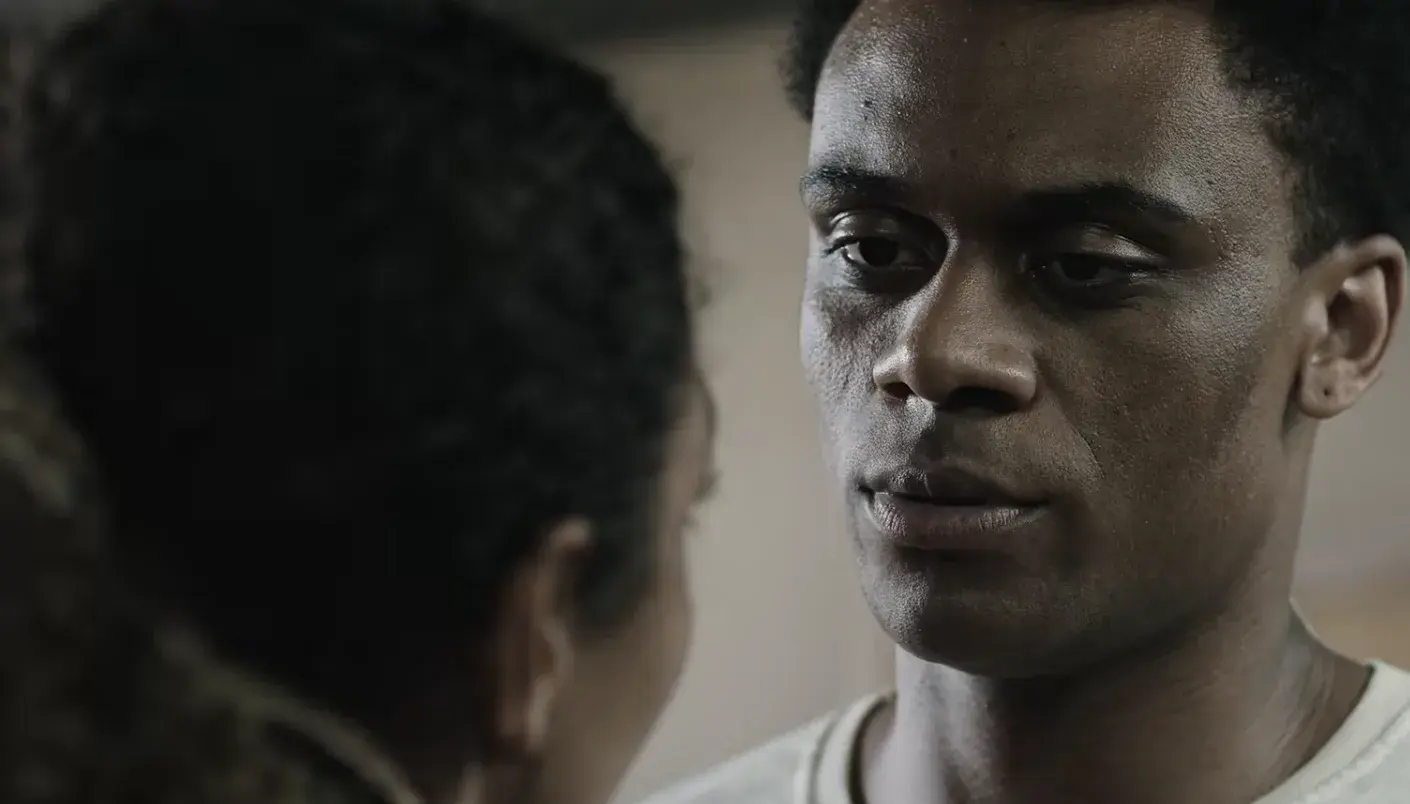
Netflix’s Brazilian legal drama Habeas Corpus begins with a conviction that most of the justice system considers finished. Jonathan, played by Hypólito, has already spent six years in prison when law professor Inez Franco and her students begin looking again at the evidence used against him. What they find turns Jonathan’s case into the central question of Season 1: how can someone prove his innocence after the courts have already decided that he is guilty?
Jonathan is a fictional character, but his story has a confirmed connection to reality. Netflix says his trajectory was inspired by a real criminal case reviewed by Innocence Project Brasil, an organization that investigates possible wrongful convictions. However, the streaming service is equally clear that Jonathan is not a direct portrayal of the person involved in that real case.
Related: Habeas Corpus Filming Locations
Who Is Jonathan in Habeas Corpus?
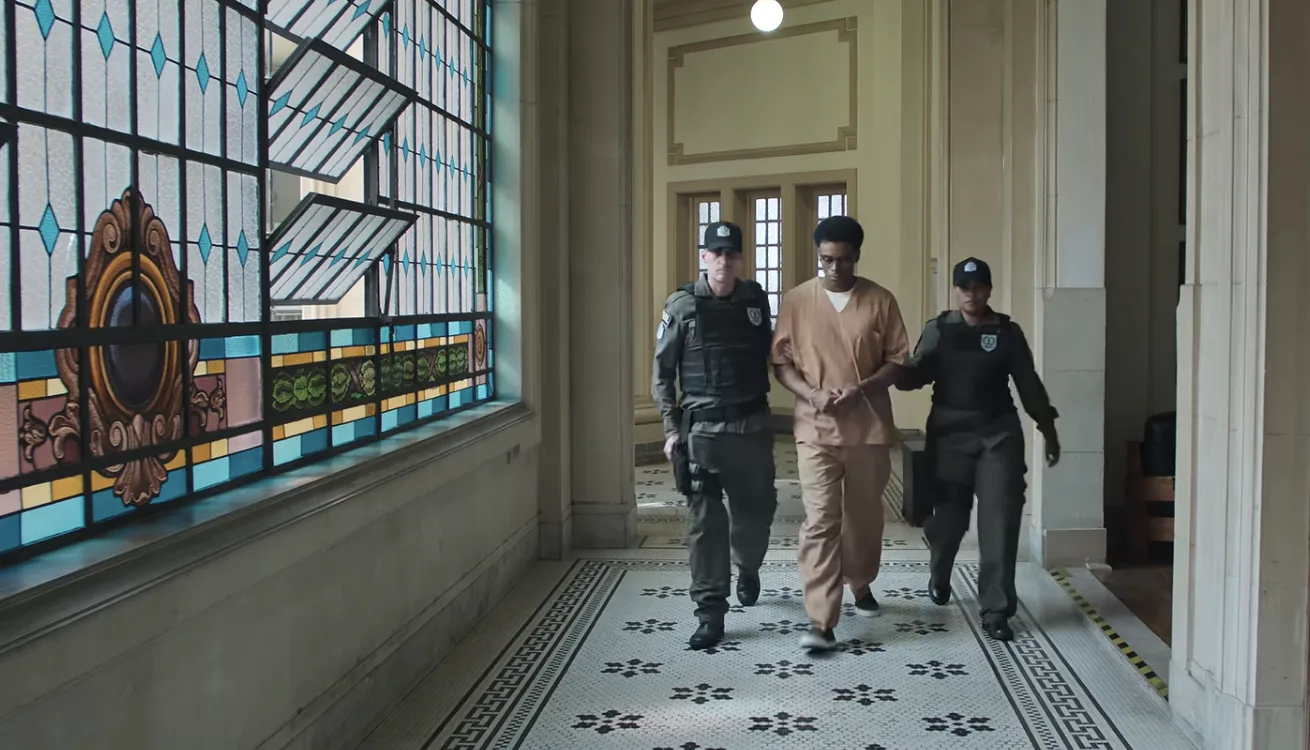
Jonathan is serving a 47-year sentence when Inez chooses his conviction as the first case for her university criminal-review group. He maintains that he had no involvement in the crime, but by the time the students meet him, he has already spent six years behind bars. The case forces them to work backward through testimony, investigative decisions and evidence that had long been treated as settled.
As the students investigate, they find serious reasons to question the original version of events. Witness testimony is challenged, Jonathan’s supposed confession becomes increasingly problematic, and the group uncovers personal and institutional interests that helped turn suspicion into certainty. The season ultimately reveals that Jonathan was convicted not because the evidence against him was beyond question, but because the people investigating him created a narrative that became difficult to challenge once the system accepted it.
Jonathan’s social position is also crucial to the story. Inez argues that he was especially vulnerable because he lacked the money, influence and institutional protection available to more privileged defendants. That allows Habeas Corpus to use one man’s case to explore broader questions about who receives the benefit of doubt and who is expected to prove innocence after being presumed guilty.
Is Jonathan Based on a Real Person?
Not exactly. Netflix says that all of the central characters in Habeas Corpus are fictional, including Jonathan. However, Netflix Tudum specifically confirms that Jonathan’s trajectory was inspired by a case handled by Innocence Project Brasil.
That wording matters because it means viewers should not search for a real prisoner named Jonathan and expect his life to match the series scene by scene. The writers used a genuine criminal-review case as a starting point, then created a fictional defendant, investigators, lawyers and personal relationships around it. Jonathan represents the experience of someone fighting a wrongful conviction without being a renamed version of one particular person.
Netflix’s earliest announcement of the show was even more direct about its origins. In December 2025, the company described Habeas Corpus as a fictional legal drama “inspired by a real case that was reviewed after a conviction,” while also emphasizing the role of Innocence Project Brasil in shaping the premise.
Why Was Jonathan Wrongfully Convicted?
Jonathan’s conviction is eventually shown to have been built on several weak and compromised pieces of evidence rather than one reliable proof of guilt. Tina’s investigation focused heavily on Jonathan after Evandro, who already had a personal grievance against him, helped direct suspicion his way. Because Jonathan was a poor young Black man with limited resources, Inez later argues that investigators treated him as someone who would be easier to blame and less able to challenge the official version of events.
Helinho’s original testimony also played an important role in connecting Jonathan to the crime. Years later, however, Helinho changes his account and says Jonathan was not involved, raising serious questions about how his first statement was obtained and whether outside pressure influenced what he told investigators. The review team also uncovers an alibi supporting Jonathan’s version of events, further weakening the case that had already kept him imprisoned for six years.
Jonathan’s supposed confession becomes another major problem once Inez and the students examine the circumstances surrounding it. Evidence shows that he was under severe pressure during questioning, making the statement far less reliable than it appeared in the original case file. Taken together, the questionable confession, Helinho’s unreliable testimony, Evandro’s personal motive and the ignored evidence in Jonathan’s favor show that his conviction resulted from a deeply flawed investigation rather than a fair assessment of the facts.
Has Netflix Identified the Real Case?
No. Netflix has confirmed that a real Innocence Project Brasil case inspired Jonathan’s storyline, but its current official material does not publicly identify the person whose case served as the starting point. That makes it risky to match Jonathan to any specific former prisoner based only on similarities such as the length of imprisonment, disputed testimony or an ignored alibi.
Innocence Project Brasil has handled several cases involving people who spent years imprisoned before new evidence overturned their convictions. Its public case archive includes examples involving mistaken identification, false accusations, ignored alibis and other failures that resemble themes explored in Habeas Corpus. Those similarities show why the series feels realistic, but they are not enough to prove that any one of those people is “the real Jonathan.”
For that reason, the most accurate description is that Jonathan is inspired by a real case, not based on a publicly identified real person. Unless Netflix, the creators or Innocence Project Brasil name the specific case, anything more precise would be speculation.
What Is Innocence Project Brasil?
Innocence Project Brasil is a real organization that examines final criminal convictions when there are reasons to believe an innocent person may have been imprisoned. Its lawyers review case files, search for new evidence and pursue legal remedies when they believe a conviction can no longer be supported. The organization also works with students through a legal clinic connected to the Sao Paulo Law School of Fundacao Getulio Vargas, which closely resembles the student review group Inez creates in the series.

The organization did more than provide loose inspiration. Netflix says attorneys Dora Cavalcanti, Flavia Rahal and Rafael Tucherman spoke with the cast about criminal-review work, ethical dilemmas and the realities of representing people seeking to overturn old convictions. Members of the production also observed hearings and visited the legal clinic to understand how cases are actually examined.
Hypólito prepared for Jonathan with that same effort toward realism. Netflix says the actor studied legal concepts and procedures that Jonathan himself would be unfamiliar with, while also drawing inspiration from projects such as The Condemned and When They See Us. The intention was not to imitate one real prisoner but to make Jonathan’s experience feel grounded in the reality of wrongful-conviction cases.
Related: Is Inez Franco From Habeas Corpus a Real Person? The True Story Behind the Lawyer
How Much of Jonathan’s Story Is Fictional?
The broad idea of reopening a questionable conviction is rooted in reality, but the details surrounding Jonathan belong to the drama. Inez Franco, Marina, Tina, Murilo and the complicated personal relationships around the case are fictional characters. Netflix says the series uses real cases and Innocence Project Brasil’s work as inspiration rather than reconstructing those cases literally.
That distinction also applies to the twists viewers encounter during Jonathan’s investigation. The specific witnesses, institutional conflicts, romantic storylines and courtroom developments should not automatically be attributed to the unidentified real case. They are part of the writers’ fictional structure for exploring larger issues that do occur in real criminal-review work.
The result gives Habeas Corpus the freedom of a legal drama without completely separating it from reality. Jonathan may not be a real person, but the possibility that someone could lose years of his life to a conviction later shown to be unsafe is exactly the kind of situation that inspired the series.
Why Jonathan’s Real-Case Connection Matters
Jonathan’s story works because the series does not treat wrongful conviction as an abstract legal puzzle. By the finale, his freedom cannot restore the six years he has already lost, which makes the successful review feel more complicated than an ordinary courtroom victory. The law can reverse a judgment, but it cannot return missed years, damaged relationships or the life someone might have lived.
That idea comes directly from the real-world work behind the show. Creator Luiz Villaca said the concept developed after meeting Innocence Project Brasil co-founder Flavia Rahal and hearing stories about innocent people imprisoned in Brazil. Those conversations convinced him that wrongful convictions could support a drama about law, class, power and the people forced to live with mistakes made by the justice system.
So Jonathan from Habeas Corpus is not a real prisoner recreated for Netflix. He is a fictional character whose journey was built from a genuine criminal-review case and the wider experiences encountered by Innocence Project Brasil. That makes his story fictional in its details, but very real in the problem it is asking viewers to confront.